
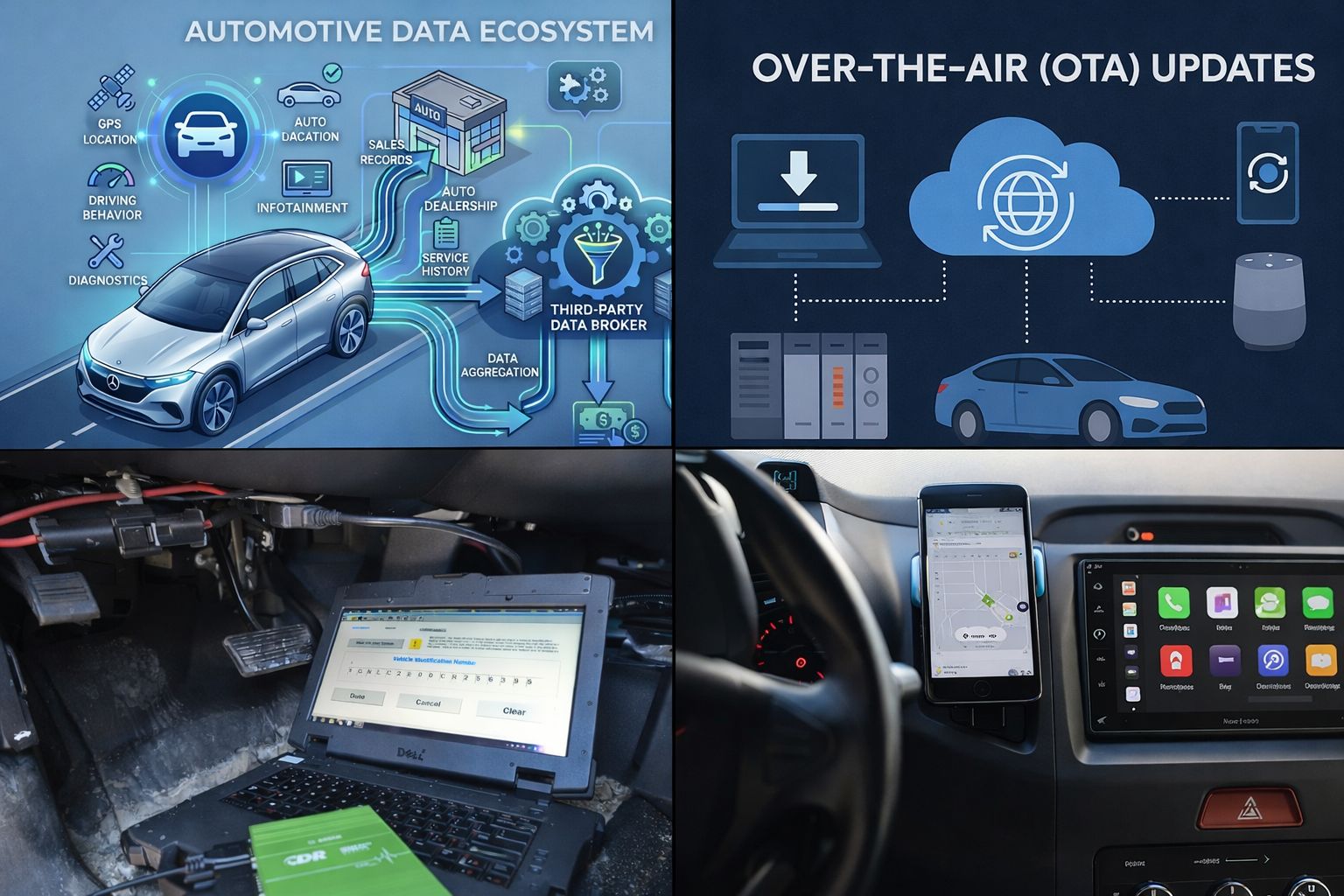
There was a time when getting into your car meant nothing more than turning a key, pressing the accelerator, and driving off into your own private world.
The road felt personal, anonymous, even liberating. That era is over. Today’s vehicles are no longer just machines that transport you from one place to another they are sophisticated, always-on data collection devices that silently observe, record, and transmit an extraordinary amount of information about you, your habits, and your daily life.
Modern cars are computers on wheels that are becoming increasingly connected, enabling innovative new features that make driving safer and more convenient. But these systems are also collecting reams of data on driving habits and other personal information, raising serious concerns about data privacy.
Each time a driver starts their vehicle, it begins collecting and recording data, adding up to create a detailed profile of the car’s owner and their passengers. Most drivers are not aware of how much personal information their car collects, and in some cases, this data may be shared with third-party companies without the driver’s knowledge.
The problem extends far beyond simple inconvenience. The issue is not just that data is being collected, but who it is provided to — including insurers, marketing companies, and data brokers.
In a landmark case, General Motors was banned from sharing driver data with consumer reporting agencies after the Federal Trade Commission accused the company of collecting and selling information without proper consent.
The Mozilla Foundation, which analyzed privacy practices at 25 auto brands, declared that cars were the worst product category it had ever reviewed for privacy.
This article breaks down the eight most significant ways your car is watching you right now and more importantly, what you can do to take back control.
1. GPS and Location Tracking
Of all the data your car gathers, location data is perhaps the most intimate and the most revealing. Where you go says everything about who you are your religious beliefs, your health concerns, your political activities, your relationships, and your daily routines.
Built-in navigation comes standard with most new vehicles today, which means your car and the manufacturer know where you are at all times. Modern cars can even keep track of all the places you have been, when you went there, and predict, based on that accumulated data, where you might want to go next.
Every time you use your car’s built-in navigation system to find a restaurant, a hospital, a place of worship, or a friend’s house, that destination is logged automatically. Over time, these logs paint a remarkably complete picture of your life.
The system notes not just where you went, but how often you go there, at what time of day, and for how long you stayed. Patterns emerge from this data that can reveal habits and personal circumstances you might never willingly disclose to a stranger let alone a corporation.
The concern deepens when you consider who has access to this information. Location data, in particular, has proven to be highly valuable to advertisers, data brokers, and even law enforcement agencies.
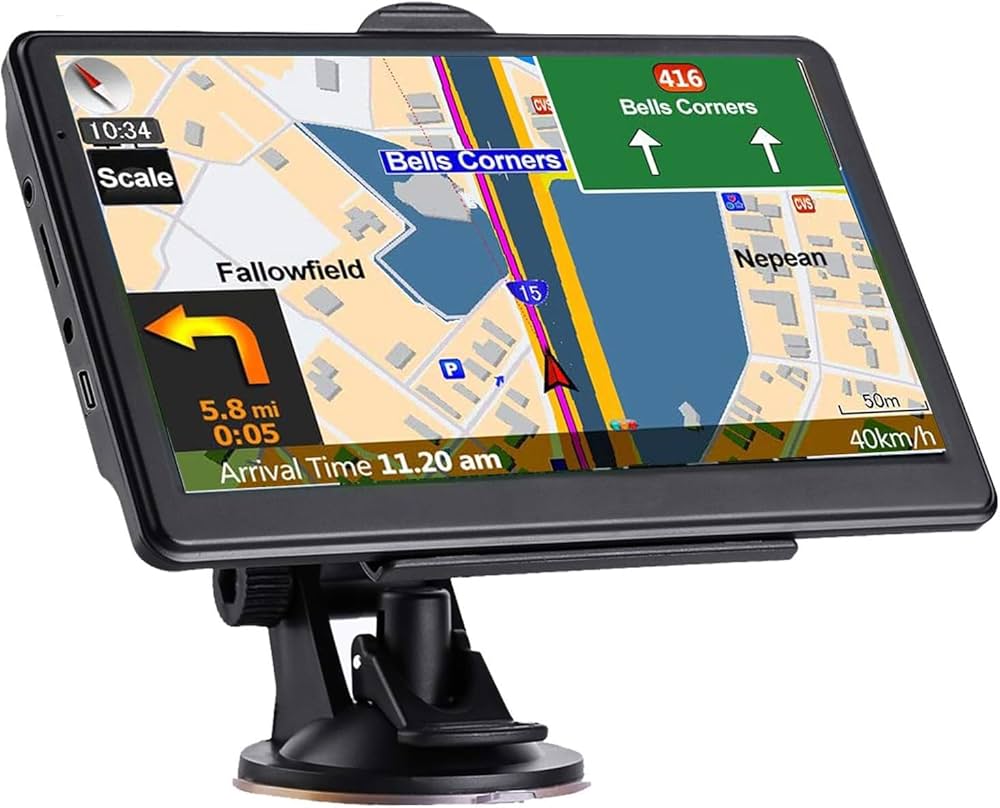
Court records show that law enforcement has successfully obtained vehicle location histories from manufacturers to track individuals’ movements in criminal investigations. What once required a physical tracking device planted on your car now happens automatically through technology you paid for and consented to in fine print you likely never read.
Even features designed purely for convenience, like roadside assistance, depend on continuous location sharing. The trade-off is real the moment you turn off GPS tracking, you may also lose access to services that could genuinely help you in an emergency.
This is the bind that most drivers find themselves in, caught between convenience and privacy with very little transparency about what is actually happening to their data.
How to Opt Out: Many manufacturers allow drivers to adjust location-sharing preferences directly through the infotainment menu or their companion smartphone app. Toyota allows drivers to decline its connected data consent through the Toyota app. Ford allows owners to stop sharing vehicle data through the dashboard settings menu or the FordPass app.
BMW allows privacy settings to be adjusted through the infotainment system on a spectrum between allowing all services and none at all. Be aware, however, that turning off location tracking could disable features like roadside assistance or remote door locking through smartphone apps. Review your specific brand’s privacy portal and make an informed choice based on which features genuinely matter to you.
2. Driving Behavior and Telematics Systems
Your car is not just watching where you go it is watching how you drive. Every acceleration, every hard braking event, every sharp turn, every instance of speeding, and every moment you drift out of a lane is being recorded by the vehicle’s telematics system. In most new cars, computers are involved with braking, steering, and accelerating.
Sensors are also used for lane-keep assist and adaptive cruise control. This means a car knows exactly how you drive and go through the traffic whether you speed, brake too hard, follow cars too closely, or cut people off.
Telematics systems were originally developed to improve vehicle performance and safety, and there is genuine value in that application. However, the commercialization of this data has created a troubling new dynamic between drivers and the companies they trust.
Some insurance companies offer programs that use vehicle telematics data to monitor how safely a person drives. While safe drivers might see premium discounts, others may face significantly higher rates if the system flags risky habits even if the driver has never been in an accident or filed a single claim.
The General Motors scandal made this concrete and undeniable. The company’s “Smart Driver” program was ostensibly designed to promote safer driving habits, but in reality it was feeding detailed behavioral data including every late-night trip and every speeding incident directly to insurance companies and third-party data aggregators.
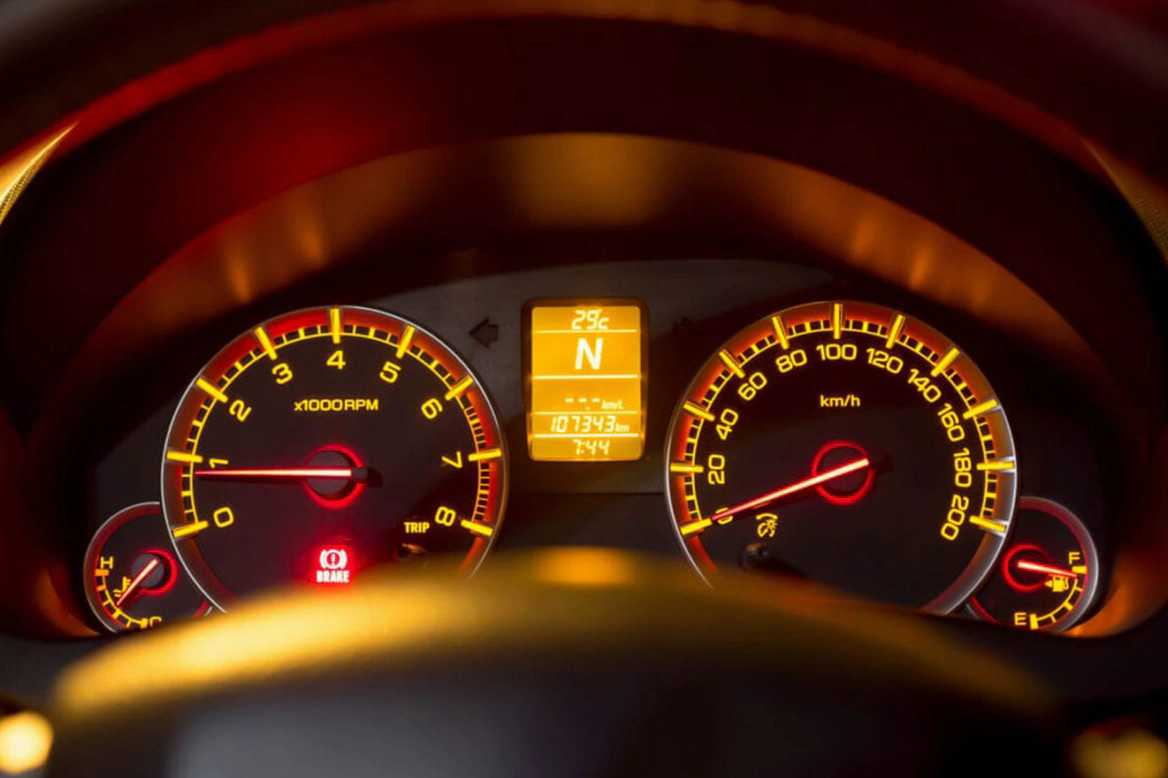
GM had already sold data from more than 14 million vehicles by the time the practice was exposed and subsequently challenged by the Texas Attorney General and the Federal Trade Commission.
What makes this particularly unsettling is the near-total lack of transparency. More than 90 percent of new cars can send information back to their respective manufacturers, with the only notice to drivers buried deep in vehicle manuals or in the fine print of sales agreements that most buyers sign without reading carefully.
Most people simply do not know this is happening to them, and the companies collecting the data have little financial incentive to make it more visible.
How to Opt Out: Check your vehicle’s connected services menu and look specifically for any settings related to “driver behavior,” “smart driving,” or telematics-based programs.
Disable these wherever the option is available. If you enrolled in an insurance telematics program in exchange for a discount, carefully weigh whether the savings justify the ongoing surveillance.
You can also submit a formal data deletion request directly to your automaker through their privacy portal. Several consumer advocacy organizations now offer free tools that help drivers go through the data deletion process by entering their Vehicle Identification Number to identify what their specific manufacturer collects and how to opt out.
3. In-Cabin Cameras and Driver Monitoring Systems
Modern vehicles increasingly point cameras directly at you. Driver Monitoring Systems use infrared cameras and facial recognition technology to track your face, eye movements, gaze direction, and even signs of drowsiness or distraction while you are behind the wheel.
Onboard cameras constantly track your face and eye movements, and sensors record when you unbuckle your seatbelt even momentarily at a stoplight. The system builds an ongoing behavioral record of your physical state every time you drive.
The stated purpose is safety to detect if a driver is falling asleep at the wheel or becoming dangerously distracted. In those specific, narrow circumstances, the technology can genuinely save lives.
Regulatory bodies in Europe have already made driver monitoring systems mandatory on new vehicles sold there, and similar requirements are being actively discussed in North America. The safety argument is compelling and, in isolation, reasonable.
However, the implications extend far beyond keeping you awake on a motorway. Facial recognition systems can, over time, identify who is driving the vehicle.
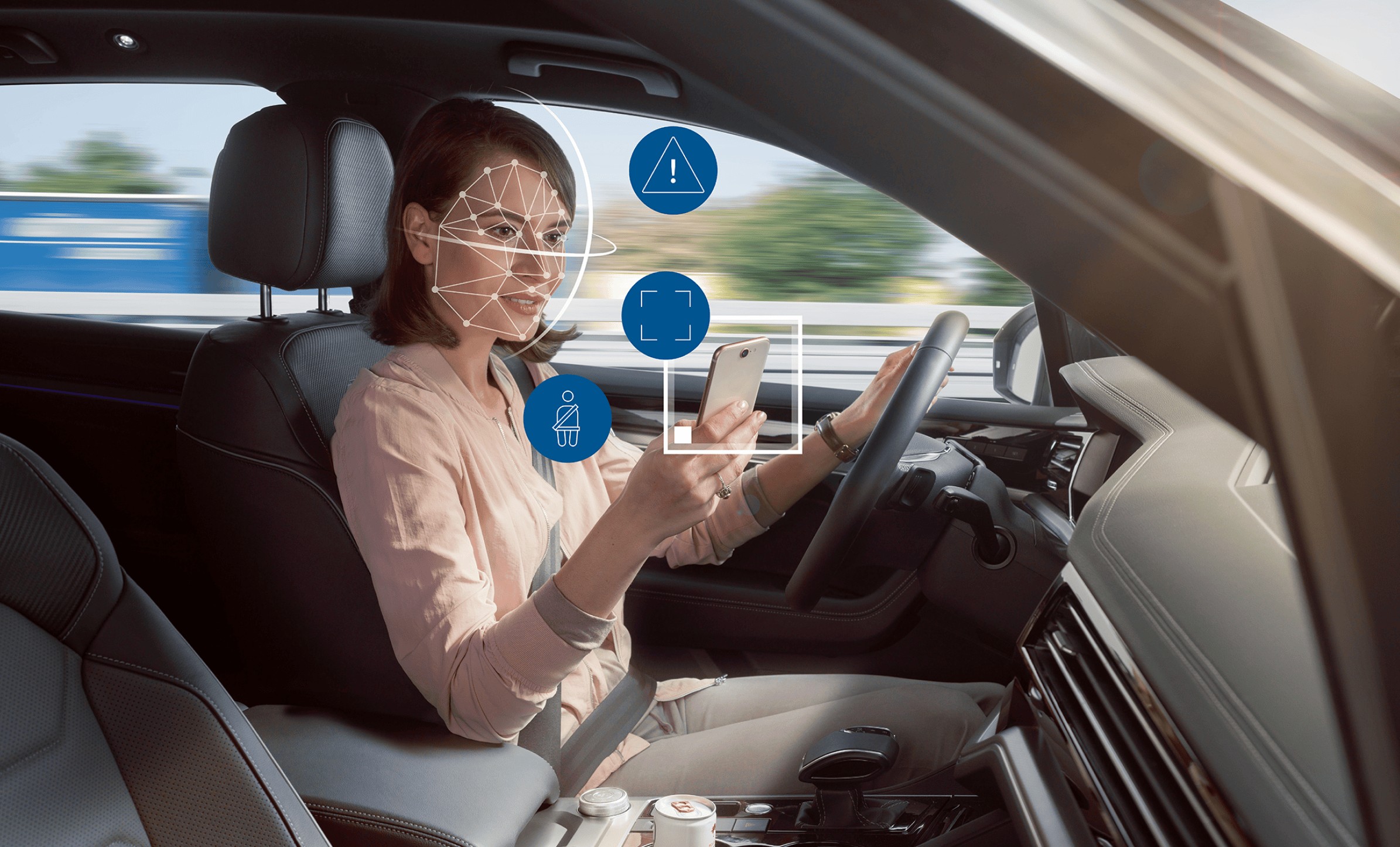
They can detect your emotional state stress, anger, sadness and log these observations alongside other driving data. Some systems can scan passenger faces as well, meaning that anyone who rides in your car could be subject to biometric data collection without ever agreeing to it, knowing it is happening, or having any recourse afterward.
Unlike most other forms of data collection, biometric data is deeply personal and essentially impossible to change if it is ever compromised in a breach.
There is also the question of what happens to the footage itself. Some vehicles with external and internal cameras record and store video clips, particularly those triggered by safety events.
In high-profile legal cases, this footage has been subpoenaed by law enforcement and used as evidence in criminal and civil proceedings. Your car’s camera could effectively serve as a witness against you in court, and you may have no practical way to prevent that.
How to Opt Out: This is one of the more difficult categories to opt out of fully, since driver monitoring is increasingly built into safety systems and even legally mandated in some regions.
Review your infotainment system’s privacy and camera settings to determine what data is being transmitted to remote servers versus stored locally. For vehicles where the system can be toggled, disable cloud-based video storage or transmission features specifically.
If driver monitoring is deeply embedded and cannot be disabled, check whether your manufacturer offers a formal mechanism for deleting video and biometric data through their published privacy policy or consumer rights portal.
4. Smartphone Integration and Connected App Data
When you plug your phone into your car or connect via Bluetooth, you are opening a significant data-sharing channel that most drivers never stop to consider.
Apple CarPlay, Android Auto, and native manufacturer infotainment systems all create bridges between your phone and your vehicle and data flows in both directions across those bridges continuously and automatically.
Your car can access your contacts, your call history, your text messages, and your app usage patterns through these connections. Manufacturers’ companion apps go even further.
Apps like FordPass, MyChevrolet, the BMW connected app, or Toyota’s connected services application can track your vehicle’s location in real time, monitor driving behavior, send you push notifications, and sync detailed data back to the automaker’s servers on an ongoing basis.
Privacy policies governing these apps are often buried in fine print, making them difficult to read and easy to overlook at the point of setup when most people simply tap “agree” and move on.
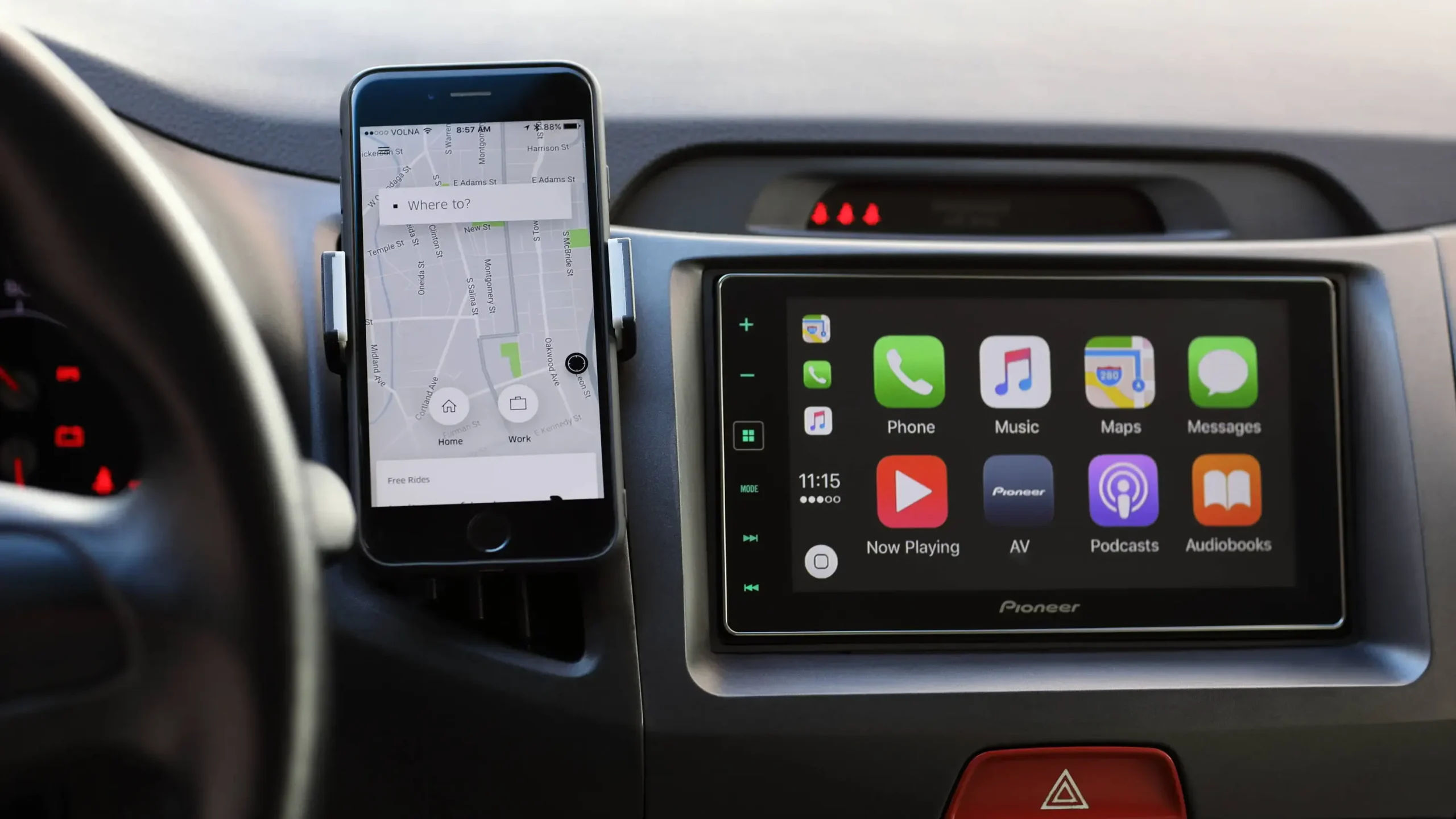
The problem is compounded further when third-party apps integrate with your vehicle’s platform. When you install a parking app, a music service, or a fuel-finder tool through your car’s infotainment system, each of those apps may have its own independent data collection practices governed by their own privacy policies, which may be far less protective than even the automaker’s already permissive terms.
You may effectively be agreeing to data collection by companies you have never heard of simply by using your car’s touchscreen. Rental cars and shared vehicles present a particular and often overlooked vulnerability.
If you connect your smartphone to a rental vehicle, your contacts, recent call history, and recent destinations may persist in the car’s internal storage long after you return it available to the next renter or to the rental company’s own data systems without your knowledge.
How to Opt Out: Always disconnect your phone from a rental or borrowed vehicle before returning it, and perform a full factory reset of the infotainment system if the option is available to you.
On your own vehicle, review the permissions granted to the manufacturer’s companion app through your phone’s settings menu and revoke any access that seems excessive particularly background location permissions.
Where possible, use Apple CarPlay or Android Auto in a restricted mode that limits what data the infotainment system can read from your device. Periodically audit which third-party apps have been granted access through your vehicle’s app store or connected services portal.
Also Read: 8 Tips for Teaching Your Teen to Drive in a High Tech Car
5. Voice-Activated Assistants and Microphone Data
Most new vehicles come equipped with built-in voice assistants whether that is Amazon Alexa integration, Google Assistant, a proprietary system, or a branded voice assistant developed by the manufacturer itself.
These systems are designed to respond to voice commands, letting you control navigation, music, phone calls, and climate settings hands-free. What they are also doing, by structural necessity, is listening.
Voice-activated systems must always maintain a baseline level of audio monitoring in order to detect their wake words. This means there is a microphone in your car that is functionally active for extended periods while you drive.
Conversations you have with passengers, phone calls conducted through your car’s speakers, and even casual remarks you make to yourself while going through the traffic could all potentially be captured by these systems particularly around wake word detection events where the system briefly records audio to determine whether it has been addressed.
The data handling practices around in-car voice recordings vary significantly by manufacturer and by the third-party assistant providers whose software runs inside the vehicle.
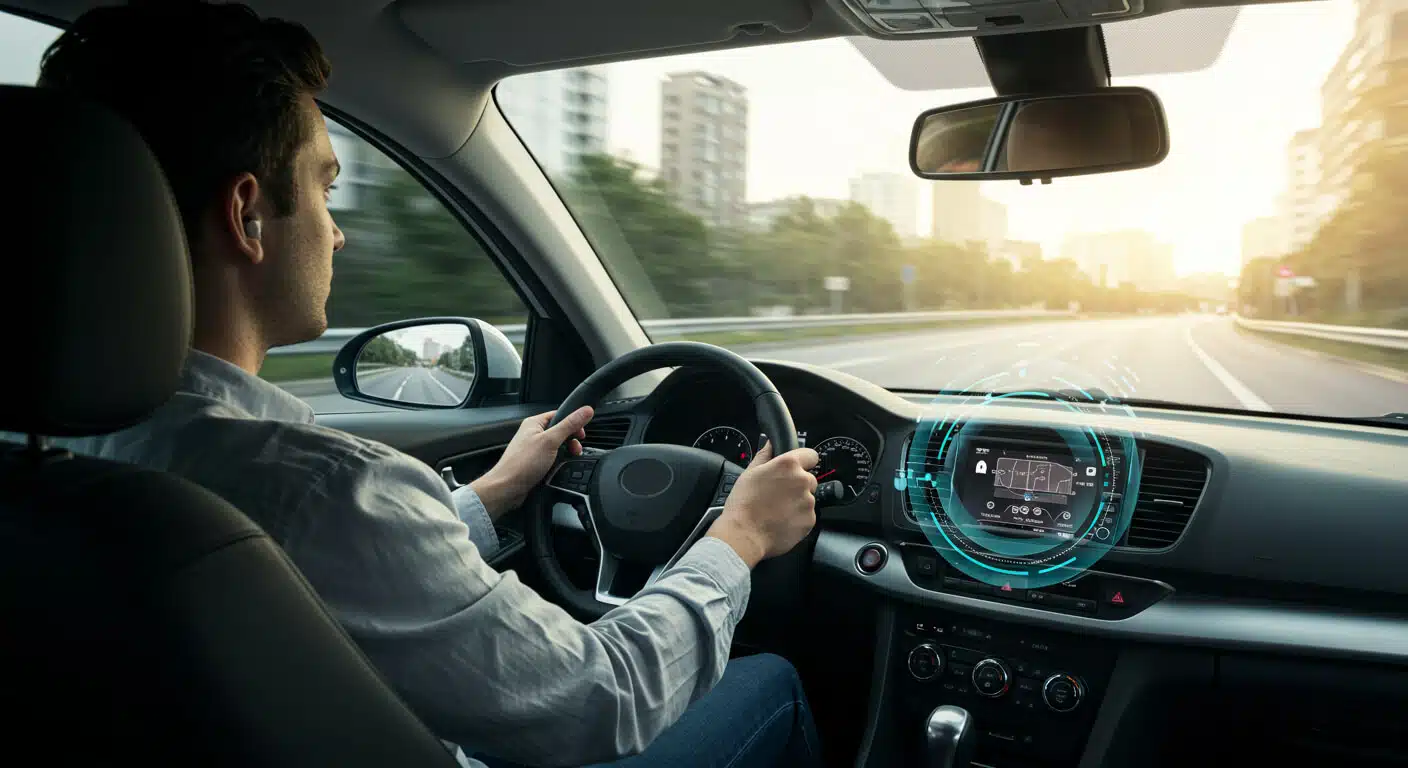
Some automakers retain voice recordings indefinitely to train and improve their artificial intelligence systems. Others process audio locally on the device without ever transmitting it. Many fall somewhere in between, and the policies are not always clearly or honestly communicated to drivers at the point of purchase or activation.
The stakes are considerably higher than with a home smart speaker, because conversations in a car are often unusually candid. Business negotiations, private health discussions, relationship arguments, and sensitive personal topics are all discussed freely in what most drivers assume is a genuinely private space.
The assumption of privacy in a vehicle is deeply culturally ingrained — and manufacturers have been slow to challenge it even as they quietly monetize the audio environment within it.
How to Opt Out: Go into your infotainment system’s settings and disable the always-on voice activation feature if this option is made available to you.
Some systems allow you to switch from cloud-processed voice recognition to local, on-device processing, which prevents audio from being transmitted to remote servers entirely.
For third-party integrations like Amazon Alexa or Google Assistant embedded in your car, review and delete your voice history through those platforms’ respective privacy dashboards, and revoke the vehicle’s integration access if you are not actively using it on a regular basis.
6. Over-the-Air Software Updates and Data Transmission
Tesla popularized the concept of over-the-air software updates for consumer vehicles, and virtually every major automaker now delivers these updates to their connected cars.
They arrive silently, often overnight while your car sits in the driveway, and can add new features, fix software bugs, or improve performance without you ever visiting a dealership.
They feel seamless and genuinely beneficial because in many practical ways they are. But they also represent a persistent, always-open data channel between your vehicle and the manufacturer’s servers.
Every time your vehicle checks for an update, it transmits a status report back to the manufacturer’s systems. This report can include the car’s current location, its mileage, its diagnostic status, the condition of its battery in electric vehicles, the performance of various onboard systems, and a wide range of operational parameters.
The connection is bidirectional, meaning the manufacturer can both push data to your car and pull data from it continuously, automatically, and without any visible indication to you that it is happening.
Automakers are collecting a vast amount of data on the people driving their cars, and in some cases selling that data to third parties. The only notice to drivers is often buried deep in vehicle manuals or in the fine print of lengthy sales agreements that buyers sign at the dealership without reading carefully.
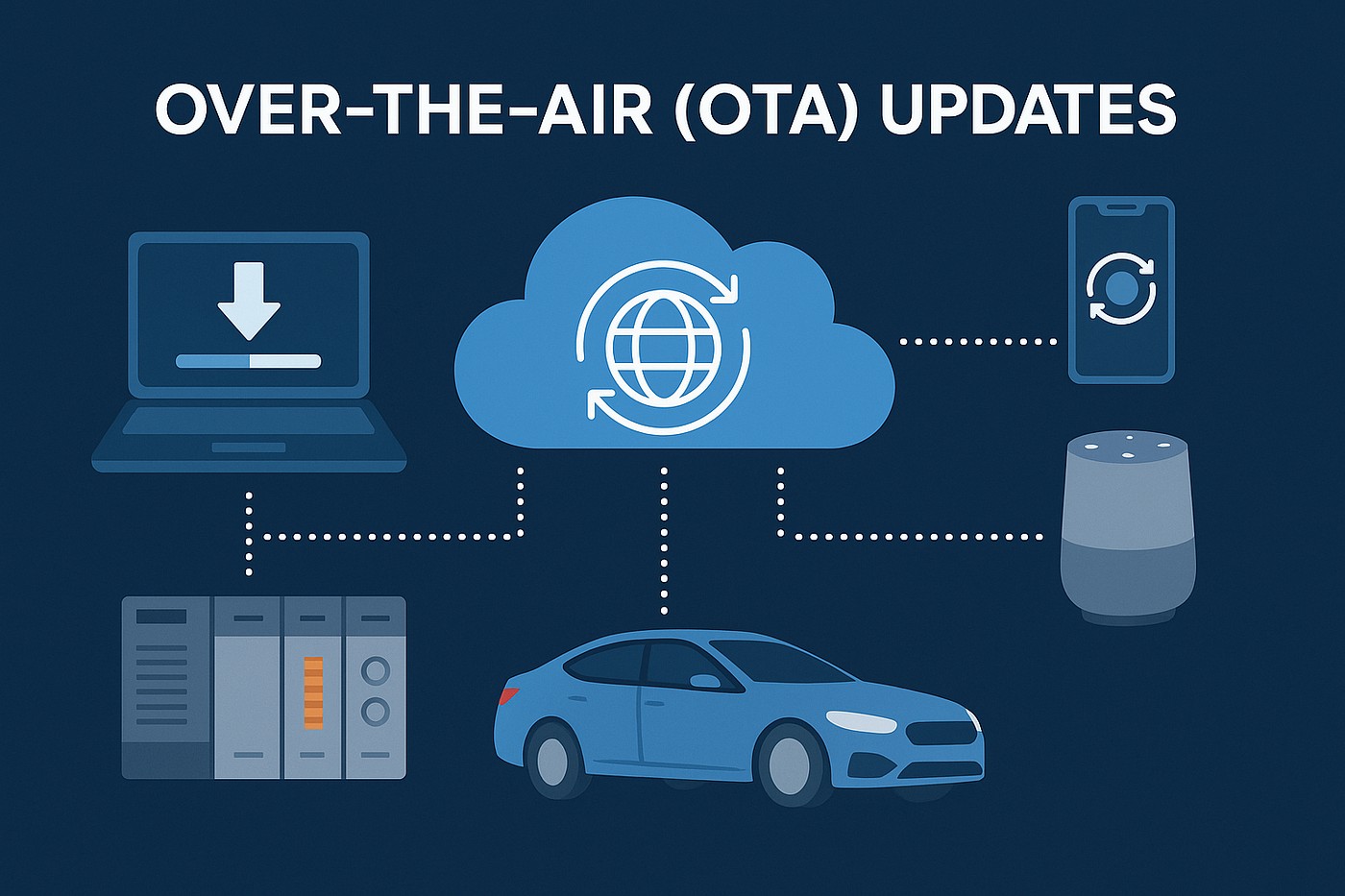
Over-the-air connectivity is a primary mechanism through which this ongoing data harvesting occurs, and it is structurally difficult to opt out of without fundamentally disrupting the vehicle’s software ecosystem and losing access to important updates.
For electric vehicles in particular, this connectivity is even more deeply embedded into the car’s basic functioning. Manufacturers monitor battery health, charging behavior, energy consumption patterns, and software performance as a routine condition of providing remote assistance, warranty support, and accurate range estimates. Disconnecting entirely may void certain warranty protections or disable critical features.
How to Opt Out: Review your vehicle’s connected services agreement carefully and check whether you can opt out of non-essential telemetry transmissions while still retaining critical safety and software updates.
Some manufacturers allow you to adjust the scope of data transmitted during update cycles through the infotainment system’s privacy or data settings menu. Submitting a formal data minimization request through your automaker’s privacy portal is another available avenue, though it may not completely halt background telemetry that is tied to core system functions.
7. Event Data Recorders (Black Boxes)
Long before cars became internet-connected, they were already recording your driving behavior in a more rudimentary but legally consequential way. Event Data Recorders, commonly called EDRs or “black boxes,” have been present in most American vehicles since the early 2000s.
Since 2014, federal regulations have required that any vehicle equipped with an EDR must meet specific standards for what data is recorded, how it is stored, and how it can be accessed by authorized parties.
An EDR continuously monitors and overwrites a short loop of vehicle data typically covering the several seconds before, during, and after a significant triggering event, which usually means a collision, a sudden hard brake, or an airbag deployment.
The data captured includes vehicle speed, throttle position, brake application status, steering angle, seatbelt status, and whether active safety systems were engaged at the time of the event.
This information is invaluable for accident reconstruction and has been used extensively in insurance claims, personal injury lawsuits, and criminal proceedings involving vehicular incidents.
The critical distinction between EDRs and most other forms of in-car data collection is that EDR data is locally stored it does not automatically transmit to your manufacturer or insurer in real time.
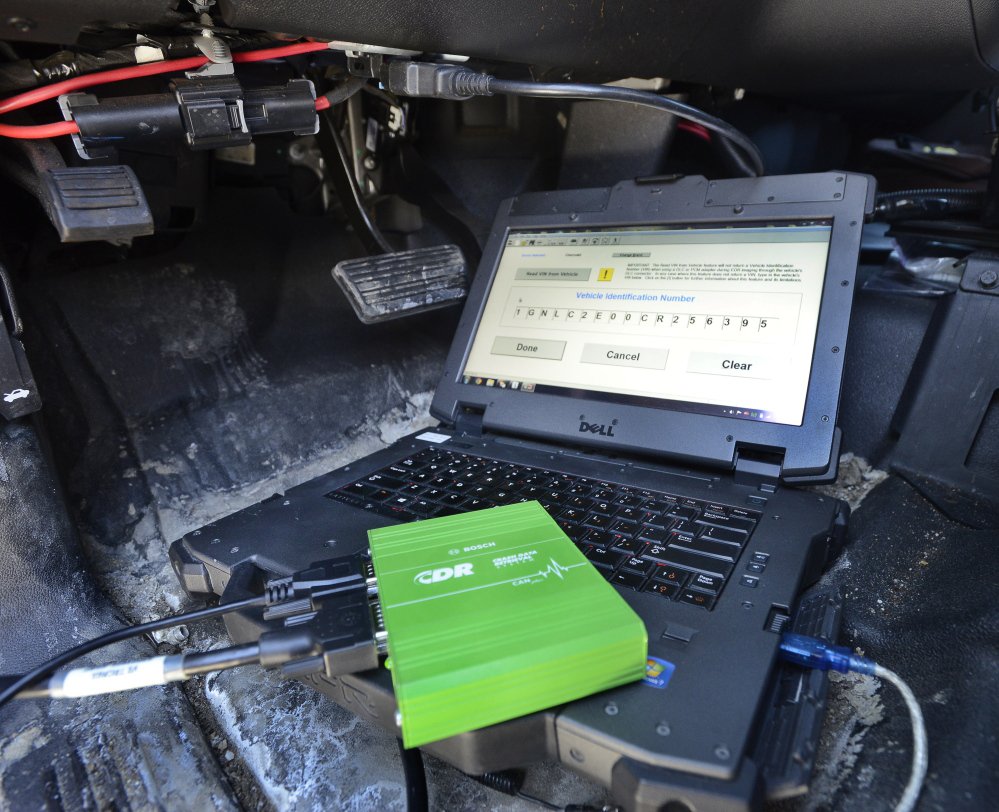
However, that does not mean it is private or inaccessible. Law enforcement can access EDR data with a valid court order, and in many cases, insurance companies and opposing legal teams in civil litigation have successfully obtained this data.
In some jurisdictions, the legal question of who actually owns the EDR data the vehicle owner, the manufacturer, or the dealership remains actively contested and is not uniformly resolved across different states.
Understanding that this data exists and what it records should inform how you handle the aftermath of any accident, no matter how minor. Anything your car recorded in the moments before an incident can potentially be retrieved and used as evidence in ways that may not serve your interests in a legal or insurance dispute.
How to Opt Out: You cannot fully opt out of EDR recording in a federally compliant vehicle, as the systems are legally mandated across the industry. What you can do is understand your legal rights clearly. In most U.S. states, you own your vehicle’s EDR data, and it cannot be accessed without your explicit consent or a valid court order.
Consult a qualified legal professional if you believe your EDR data is being sought in any form of litigation. Be cautious about signing any document at a dealership or with an insurance company that broadly grants third-party access to your vehicle’s onboard data, as such agreements may waive rights you would otherwise retain.
8. Third-Party Data Brokers and Dealer Data Sharing
The final, and perhaps most disturbing, layer of automotive data collection does not come from the technology inside your car it comes from the vast commercial network of relationships that surrounds it.
Data brokers are companies whose entire business model is the aggregation, packaging, and resale of personal information at scale. They purchase driving data from automakers, combine it with data purchased from other sources social media profiles, credit records, purchase histories, location data from smartphones and sell comprehensive personal dossiers to advertisers, employers, insurers, and anyone else willing to pay the going rate.
The automotive data stream is an extraordinarily rich input into these profiles, precisely because it captures behavioral data that people generate unconsciously and continuously just by going about their daily lives. Unlike data people knowingly post online, driving data is involuntary.
You do not choose to tell a data broker that you visited a fertility clinic, a gun shop, a bankruptcy attorney, or an addiction counseling center but your car’s location history may tell that story anyway, and it may eventually reach parties you would never have consented to share it with.
Dealerships are a significant and often overlooked source of data leakage as well. Data collection and tracking begin as soon as you drive a new car off the lot, with drivers unknowingly consenting when confronted with lengthy agreement menus on dashboard touchscreens during the initial setup process.
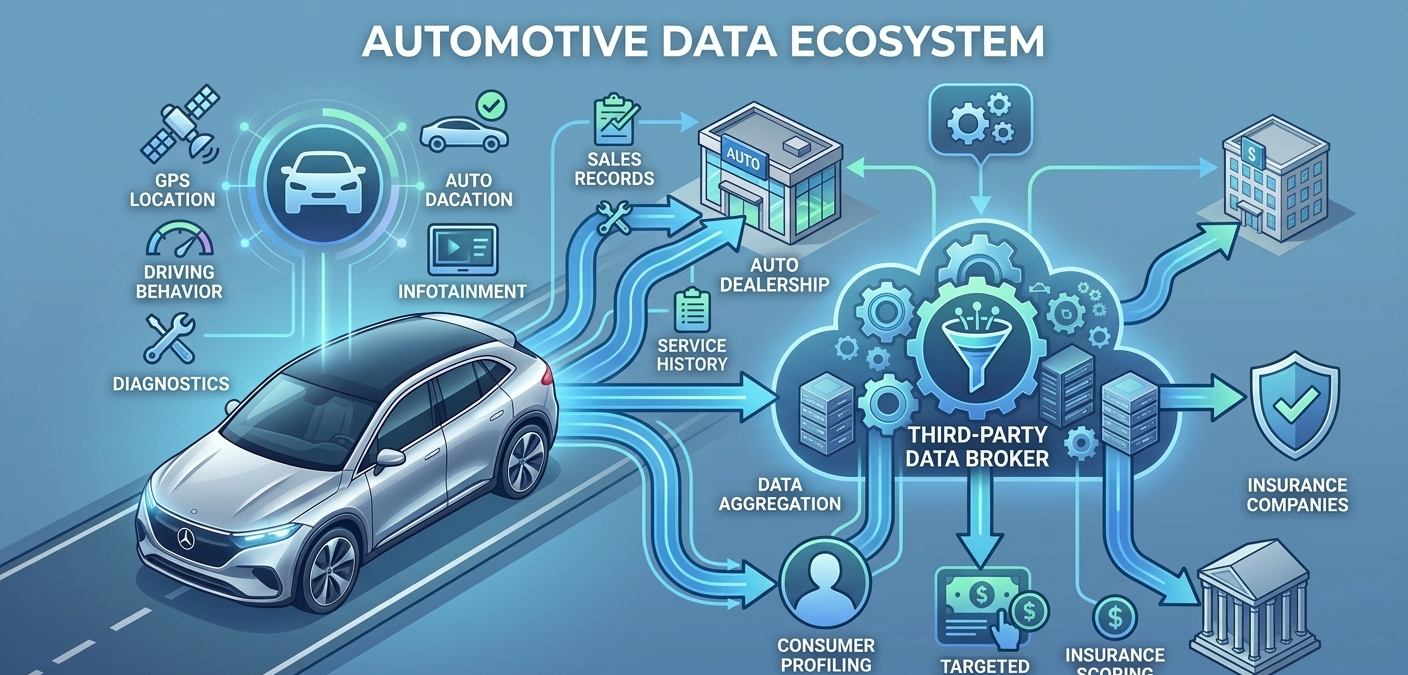
Many dealerships maintain their own data-sharing arrangements with finance companies, service providers, and marketing networks. When you test-drive a vehicle, fill out a credit application, or simply bring your car in for routine service, data about you and your vehicle may be quietly shared across multiple commercial networks without any specific notification.
Once data is collected, it may be distributed to other companies to build targeted advertising profiles or detailed behavioral dossiers without the driver being aware.
There is also the very real danger of data breaches if a company storing your driving data is successfully hacked, cybercriminals may gain access to your trip history, contact information, and in some instances account credentials, which can lead to targeted spam, fraud, or identity theft on a significant scale.
How to Opt Out: Start by visiting your automaker’s privacy portal most major brands now maintain one and submit a formal request to limit data sharing with third parties, restrict the sale of your personal data, and delete existing records where applicable under your state’s privacy laws.
Several consumer privacy tools allow you to enter your car’s Vehicle Identification Number to pull up the automaker’s specific data privacy practices, including whether the car collects location data and whether that data is shared with insurers, data brokers, or law enforcement agencies.
If you live in a state with a comprehensive consumer privacy law, exercise your rights aggressively and document every request you submit. When purchasing a new vehicle, ask the dealership explicitly what data-sharing agreements they participate in, and request in writing to be excluded from those arrangements before you sign any documents.
Also Read: Top 10 Best Ways to Diagnose a Weak Spark in a Points Ignition System
