
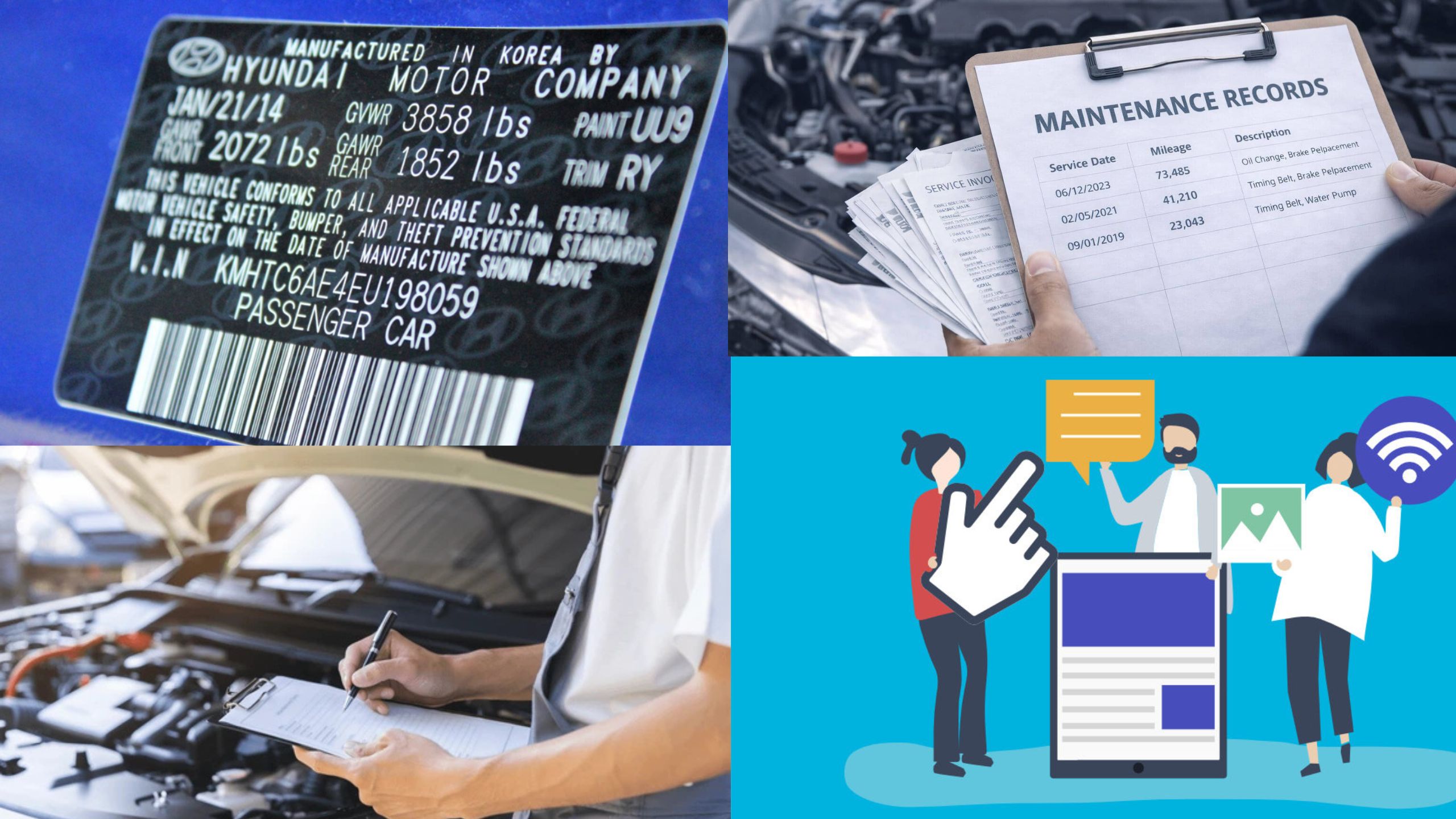
Buying a used car can be one of the smartest financial decisions you make. It can also be one of the riskiest if you skip the important step of verifying its maintenance history. A car that looks great on the outside may be hiding serious mechanical problems underneath. These hidden issues can cost you thousands of dollars in unexpected repairs shortly after purchase.
Maintenance history tells you how well a previous owner cared for the vehicle. It reveals whether oil changes were done on time, whether major repairs were handled properly, and whether the car was involved in any accidents. This information is crucial before handing over your hard-earned money.
The good news is that you do not need to pay a mechanic or a dealership to uncover this information. There are several reliable and completely free methods available to every used car buyer. These tools and techniques can help you make a confident and informed decision.
Whether you are buying from a private seller, a dealership, or an online platform, these eight methods will guide you. Each approach gives you a different layer of insight into the car’s true history. Use them together for the most complete picture possible.
1. Request the Vehicle History Report Using the Free VIN Check
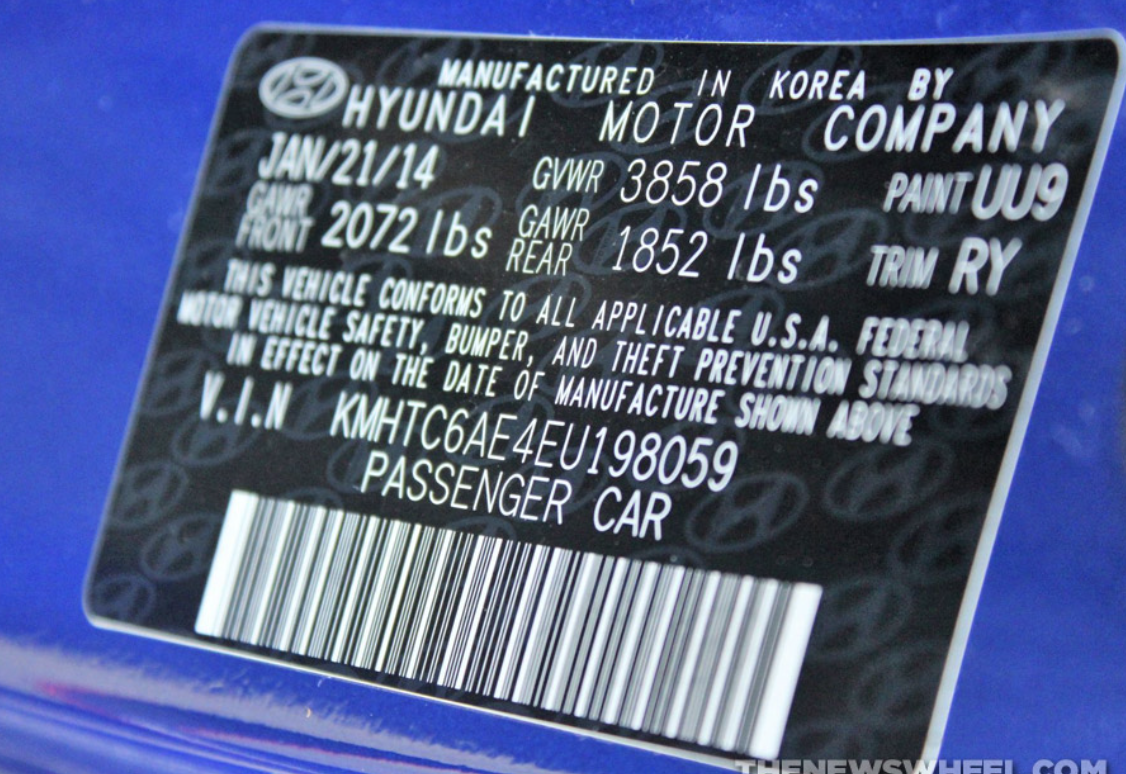
The Vehicle Identification Number, commonly known as the VIN, is the most powerful tool in your hands as a used car buyer. Every car manufactured after 1981 has a unique 17-character VIN. This number acts like a fingerprint and holds a complete record of the vehicle’s past.
You can find the VIN in several places on the car. It is usually located on the dashboard near the windshield on the driver’s side. You can also find it on the door jamb, the engine block, or on the car’s title and registration documents.
Once you have the VIN, you can use free government and nonprofit resources to check the vehicle’s history. The National Motor Vehicle Title Information System, known as NMVTIS, is one such free resource. It provides information about the car’s title, odometer readings, and whether it has been declared a total loss.
The National Highway Traffic Safety Administration website also allows you to enter a VIN for free. It shows any safety recalls that are open or unresolved on that specific vehicle. This is extremely important because unresolved recalls can indicate serious safety risks.
Some states also offer free VIN check tools through their Department of Motor Vehicles websites. These checks can confirm the title status and flag any liens or salvage history. A salvage title means the car was once considered a total loss by an insurance company.
Free VIN check websites like VehicleHistory.com or the NICB VINCheck tool can also reveal stolen vehicle records. These tools pull data from law enforcement databases across the country. Knowing a car is not stolen protects you from major legal complications after purchase.
When reviewing the VIN report, pay close attention to the number of previous owners. A car with many owners in a short period may indicate recurring problems. Frequent ownership changes are often a red flag worth investigating further.
Also look at the state where the car was registered. Cars from coastal or northern states with heavy salt use often suffer from rust and corrosion issues. Knowing the registration history helps you assess long-term wear and potential rust damage.
The odometer reading history in the VIN report is equally important. If the mileage ever appears to decrease between recorded readings, that is a serious warning sign. Odometer fraud is illegal but unfortunately still occurs in the used car market.
Lastly, check whether the VIN on the report matches the VIN physically displayed on the car. If the numbers do not match, walk away immediately. This discrepancy may indicate the car has been fraudulently rebuilt or is stolen.
2. Ask the Seller for All Physical Service Records
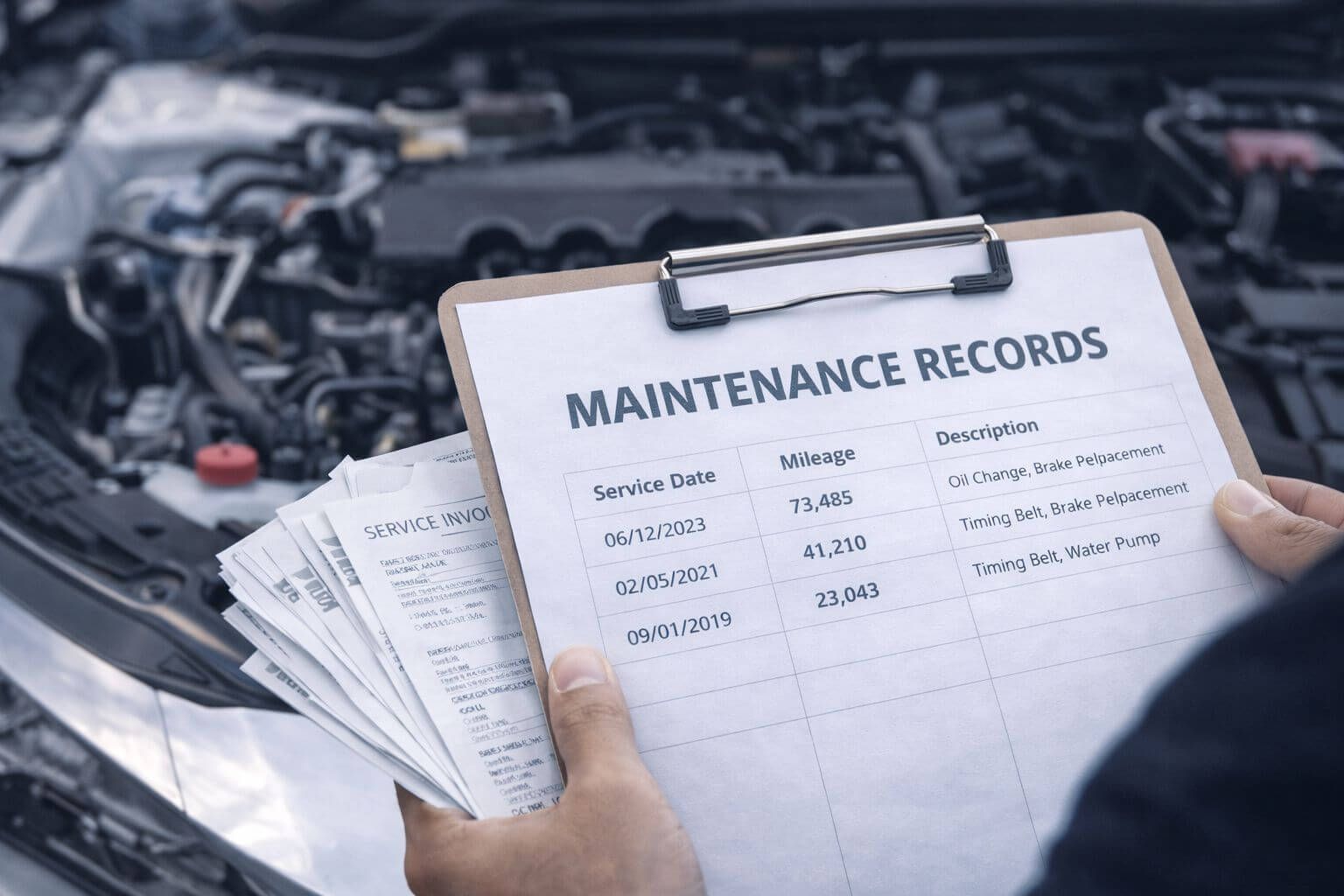
One of the simplest and most direct ways to verify a used car’s maintenance history is to ask the seller for physical service records. Many responsible car owners keep a folder or binder of every oil change, tire rotation, and repair receipt. These documents can tell you a great deal about how carefully the car was maintained.
When you request service records, you are looking for a consistent pattern of care. Regular oil change receipts spaced every three to six months show the owner prioritized engine health. Gaps of a year or more between services are warning signs that the engine may have been neglected.
Ask specifically for records from licensed repair shops or dealerships. These carry more credibility than handwritten notes from the seller. Official invoices include the date, mileage, and specific services performed, giving you verifiable details.
Look for major service milestones in the records. Most manufacturers recommend a timing belt replacement around 60,000 to 100,000 miles. If this service is missing and the car has high mileage, you could face an expensive repair very soon.
Brake service records are also highly valuable. Brakes are a safety-critical component that require regular inspection and replacement. If there are no brake service records in many years of ownership, the brakes may be dangerously worn.
Transmission service records deserve special attention as well. Transmission repairs can cost between $2,000 and $5,000 or more. Seeing regular fluid changes and inspections in the records indicates the transmission has been properly maintained.
Check whether the same repair shop name appears repeatedly in the records. Consistent use of one trusted mechanic suggests the owner had an ongoing relationship with a professional. This level of commitment often reflects genuine care for the vehicle.
Be cautious if a seller claims to have done all maintenance themselves at home. While some car owners are genuinely skilled mechanics, home-based maintenance lacks professional documentation. Without receipts, there is no way to verify the work was done correctly.
Ask the seller if the car was ever serviced at a dealership under warranty. Dealership service records are particularly thorough and detailed. Many dealerships maintain digital records that can be printed or emailed on request.
Finally, review the records for any mention of major accidents or collision repairs. Body shop invoices hidden among service records can reveal past damage. Even minor collision repairs can affect the structural integrity of a vehicle.
3. Check for Free Recall Information on the NHTSA Website
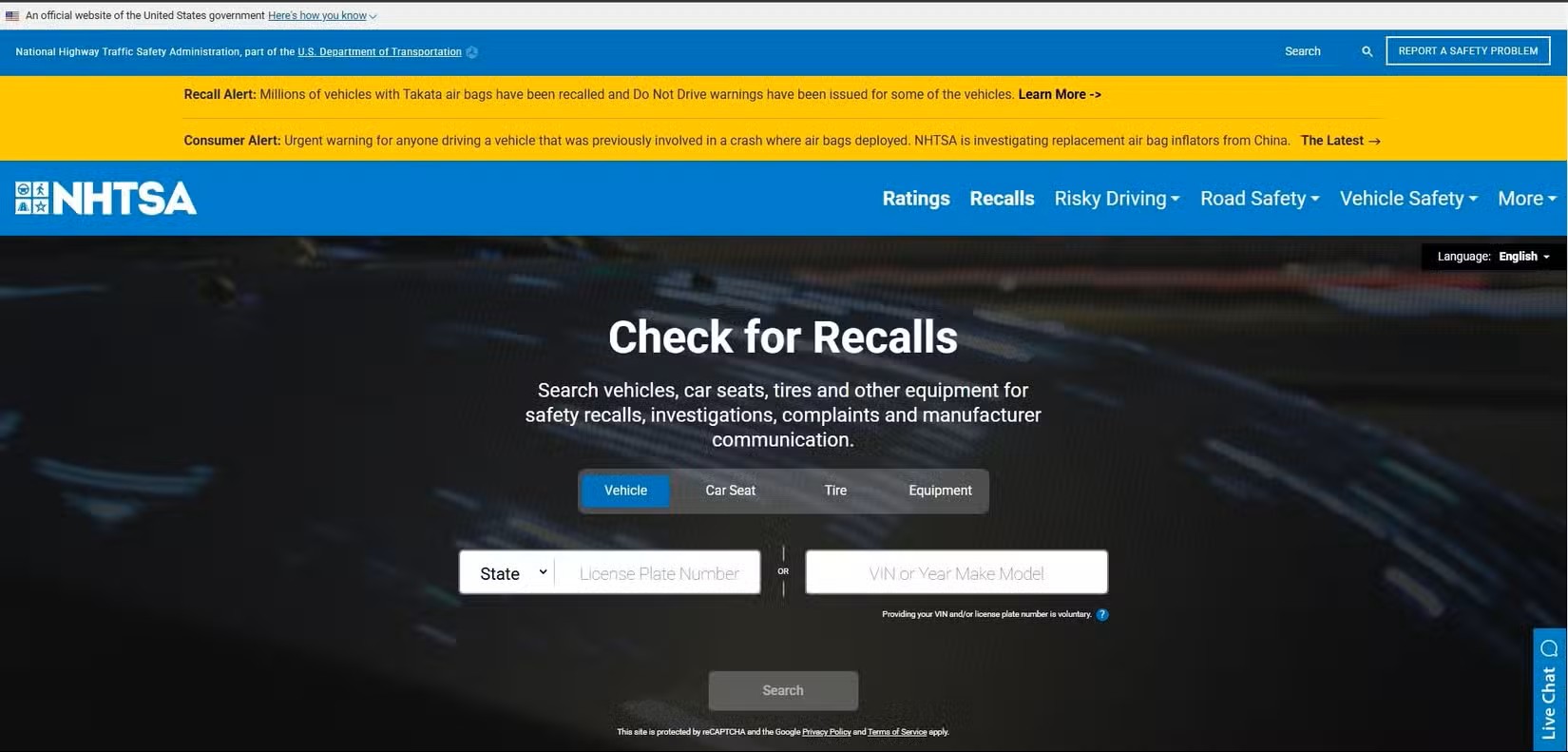
The National Highway Traffic Safety Administration, or NHTSA, provides a completely free and highly valuable recall lookup tool. This tool is available on their official website and requires only the vehicle’s VIN. It is one of the most important checks you should perform before buying any used car.
A recall is issued when a manufacturer or the government determines that a vehicle has a safety defect. These defects can range from faulty airbags to steering failures to fire risks. Some recalls are minor inconveniences, while others can be genuinely life-threatening.
When a recall is issued, the manufacturer is required to fix the problem at no cost to the owner. However, many car owners never respond to recall notices. This means a significant number of used cars on the market today still have unresolved safety recalls.
The NHTSA recall tool will show you every recall ever issued for that specific vehicle. It will also indicate whether each recall has been completed or is still open. An open recall means the safety issue has never been addressed.
Pay special attention to recalls involving the Takata airbag defect. This was one of the largest automotive recalls in history, affecting millions of vehicles. Vehicles with unrepaired Takata airbags are considered extremely dangerous and should not be driven.
Also check for recalls related to the engine, fuel system, or braking system. These systems are fundamental to vehicle safety and performance. Unresolved recalls in these areas should be a major factor in your purchasing decision.
If the recall has been completed, ask the seller for documentation confirming the repair. Dealerships typically provide written confirmation when recall work is performed. Having this documentation gives you peace of mind and adds to the car’s verified history.
The NHTSA website also provides information about Technical Service Bulletins, known as TSBs. TSBs are not mandatory fixes like recalls, but they indicate known issues that manufacturers have acknowledged. Reviewing TSBs helps you understand potential problems you may encounter with that specific model.
You can also search the NHTSA database for consumer complaints about the same make, model, and year. Reading real owner experiences can alert you to patterns of problems. Recurring complaints about the same issue across multiple owners is a strong warning sign.
Checking recall history takes less than five minutes and costs absolutely nothing. Yet it can protect you from purchasing a vehicle with a dangerous and unresolved safety issue. Never skip this step, regardless of how well the car appears to run.
4. Use Free Online Forums and Owner Communities
Online car forums and owner communities are an underused but remarkably effective resource for used car research. These platforms bring together thousands of real owners who share firsthand experiences with specific makes and models. The collective knowledge available in these communities is both extensive and free.
Start by searching for a dedicated forum for the specific car you are considering. Most popular car brands have their own dedicated owner communities online. Websites like Reddit, CarTalk Community, and brand-specific forums are excellent starting points.
Once you find the right forum, search for discussions about common problems with that particular model year. You will often find detailed threads about known mechanical weaknesses, electrical issues, and maintenance challenges. This information helps you know exactly what questions to ask the seller.
Forum members frequently share the maintenance they performed and at what mileage intervals. Reading these posts helps you understand what the car should have had done by a certain age. If the seller cannot confirm those services were performed, you know something may be missing.

Some forums have dedicated sections for used car buying advice. Experienced owners often provide specific checklists for inspecting their particular model. These insider tips go far beyond what generic car-buying guides offer.
Pay attention to recurring complaints about specific components. If hundreds of owners report that the transmission fails around 80,000 miles, that is critical information. Armed with this knowledge, you can ask whether that component has been repaired or replaced.
Owner communities also discuss the cost of repairs and where to get them done affordably. This helps you estimate the true cost of ownership beyond the purchase price. Knowing potential repair costs upfront lets you negotiate a fairer deal.
Some forums even have members who can help you interpret a VIN report or service record. Experienced owners often know how to spot irregularities that a general buyer might miss. Do not hesitate to post a question and ask for guidance from the community.
Reddit communities like r/askcarsales or r/cars are particularly active and helpful. Members include professional mechanics, dealership employees, and seasoned car buyers. The advice you receive there can be just as valuable as paid expert consultations.
YouTube channels run by car owners and mechanics are also part of this ecosystem. Many creators make detailed videos about common problems with specific models. Watching these videos before your inspection gives you a visual understanding of what to look for.
Also Read: 5 New Safety Laws in 2026 That Will Change How You Drive on the Highway
5. Inspect the Car Yourself Using a Free Checklist
A careful personal inspection of the used car can reveal a great deal about its maintenance history. You do not need to be a trained mechanic to notice obvious signs of neglect or damage. A systematic approach using a free checklist will help you cover all the important areas.
Start with the engine oil. Pull out the dipstick and examine the oil’s color and consistency. Clean, amber-colored oil suggests recent maintenance, while black, gritty oil indicates the car has been neglected.
Check the coolant reservoir to see if the fluid is at the proper level and appears clean. Low or dirty coolant can point to cooling system neglect or a possible leak. Overheating caused by coolant issues can cause severe engine damage.
Look at the transmission fluid if the vehicle has a traditional dipstick for it. Healthy transmission fluid is usually reddish and slightly transparent. Dark brown or burned-smelling fluid suggests the transmission has been overheated or neglected.
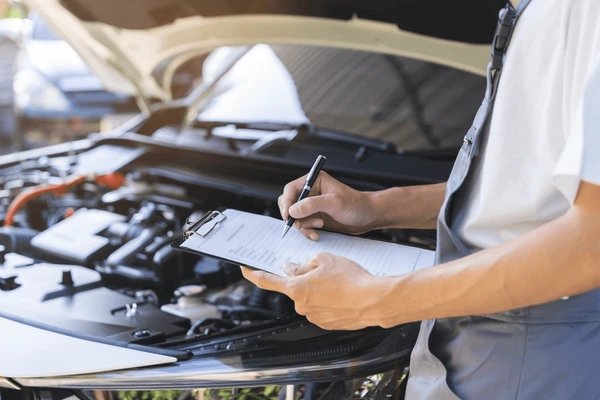
Examine the brake fluid in the reservoir under the hood. Dark, murky brake fluid is a sign it has not been changed in many years. Old brake fluid absorbs moisture and can reduce braking effectiveness in emergency situations.
Inspect the tires for even wear across all four wheels. Uneven wear patterns often indicate alignment or suspension problems. Worn inner or outer edges suggest the car has been poorly maintained or has an underlying mechanical issue.
Look under the car for any signs of fluid leaks. Fresh oil stains, coolant puddles, or transmission fluid spots on the ground are serious red flags. Leaks can indicate failing gaskets, seals, or other components that are expensive to repair.
Check the body panels for mismatched paint or uneven panel gaps. These are telltale signs of previous collision repairs that may not have been disclosed. Body damage that has been poorly repaired can affect the car’s safety structure.
Test all the electrical components including lights, windows, air conditioning, and infotainment systems. Non-functioning electronics may seem minor but can be expensive to diagnose and repair. A well-maintained car should have all electronics working properly.
Open and close every door, trunk, and hood to check for proper alignment and function. Doors that do not close smoothly may indicate the car’s frame has been bent. Frame damage is among the most serious structural issues a used car can have.
Finally, start the engine and listen carefully for unusual noises. Knocking, ticking, or rattling sounds can indicate serious internal engine problems. A well-maintained engine should start smoothly and run quietly at idle.
6. Request a Free Carfax Preview or Use Alternative Free Tools
While a full Carfax report requires payment, there are legitimate ways to access partial or alternative vehicle history information for free. Knowing these options ensures you gather as much information as possible without spending money before you have even decided to buy.
Some dealerships offer free Carfax reports as part of their sales process. If you are buying from a dealership, always ask whether they will provide one at no charge. Reputable dealers often include this as a courtesy to build buyer confidence.
The Carfax website itself sometimes offers a free preview of a vehicle’s history. This preview may include the number of reported accidents, number of previous owners, and service record indicators. While not as detailed as the full report, it gives you meaningful initial insight.
AutoCheck is another vehicle history service that competes with Carfax. Some websites and platforms include a free AutoCheck report with vehicle listings. Always check whether an AutoCheck is included when browsing cars online.
The free NMVTIS report, available through authorized providers, offers title history, odometer readings, and junk or salvage records. This government-backed resource does not charge consumers for basic lookups. It is a reliable and official alternative to paid commercial reports.
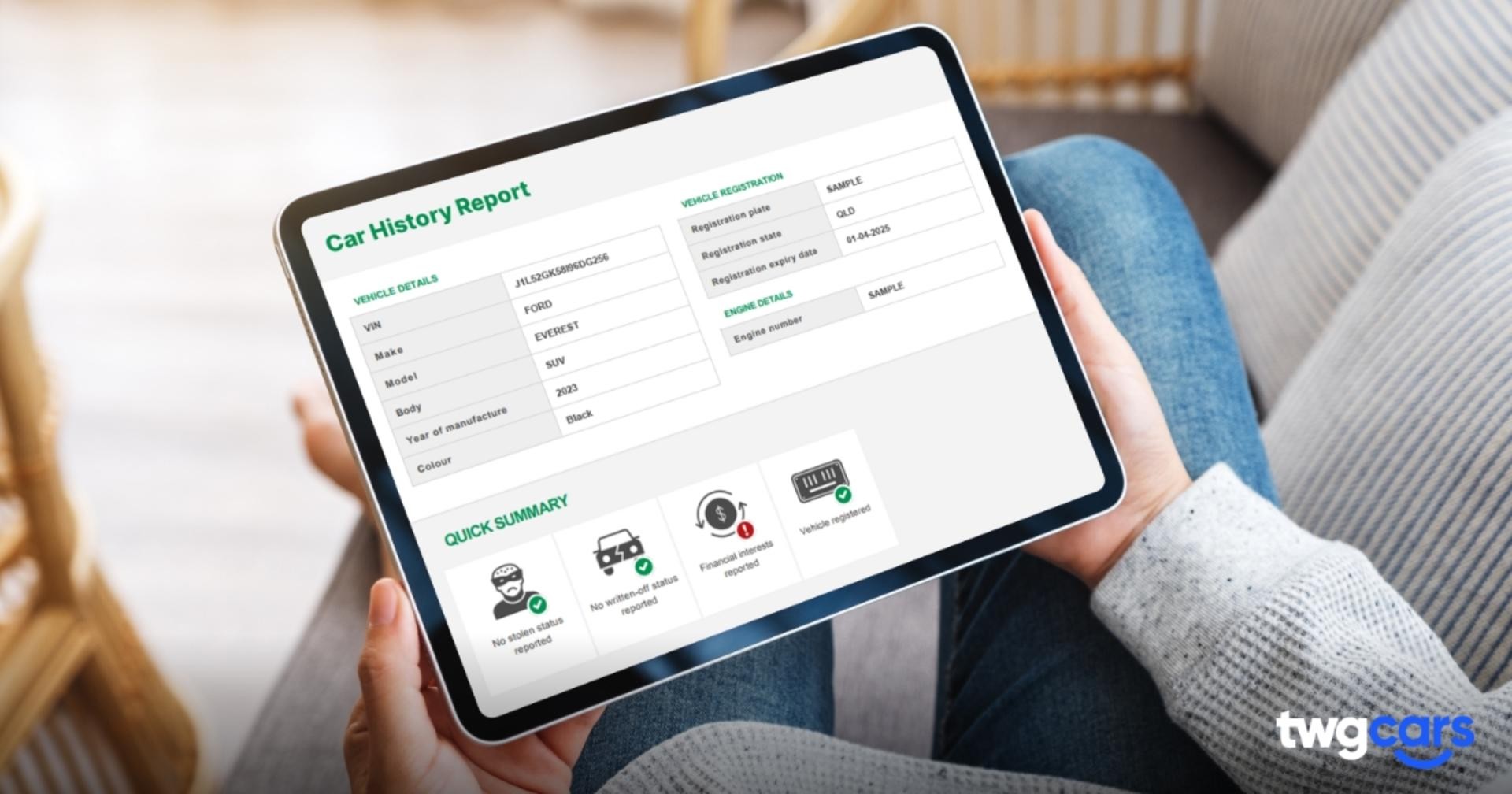
iSeeCars.com and similar automotive research sites offer free vehicle history summaries. These platforms pull data from multiple sources and present it in an easy-to-read format. They are especially useful when comparing multiple vehicles at once.
CoPilot, another free platform, allows you to search used car listings and view basic history indicators. It flags vehicles with red flags like unusually low prices or high mileage for the model year. These signals can guide your investigation before you even contact the seller.
When using any free tool, understand its limitations. Free reports may not include every accident or service event ever recorded. They are best used as starting points that guide further investigation rather than final answers.
Cross-reference information from multiple free tools to build a more complete picture. If two or three sources all show the same clean history, you can have greater confidence in the vehicle. Conversely, even one source raising a red flag is reason to dig deeper.
Ask the seller directly if they have a paid Carfax report they are willing to share. A seller with nothing to hide will usually be happy to provide one. Reluctance to share a vehicle history report is itself a warning sign worth noting.
7. Contact Previous Owners or Repair Shops Directly
One of the most overlooked but highly effective free methods is directly contacting the people who previously owned or serviced the car. This approach requires a bit more effort, but the firsthand information you receive can be invaluable. People who actually lived with the vehicle can share details that no database ever records.
If you are buying from a private seller, ask them candidly about the car’s history. Ask specific questions like whether the car was ever in an accident, whether any major components were replaced, and how regularly it was serviced. Direct questions often yield honest answers, especially from sellers who want a smooth transaction.
Ask the seller if they can provide the name and contact information of the mechanic who serviced the car. Many private sellers have a trusted local mechanic they used regularly. Calling that mechanic directly and asking about the car’s service history is completely free and often very informative.

If the car was previously serviced at a dealership, visit or call that dealership’s service department. Provide them with the VIN and ask if they have service records on file. Many dealerships maintain digital service records for years and can share basic information with prospective buyers.
Independent repair shops often keep records on file as well. A quick phone call with the VIN can confirm whether the shop has any service history for the vehicle. Even informal confirmation from a mechanic adds credibility to the seller’s claims.
The vehicle’s title history may also include the names of previous owners in some states. With this information, you can sometimes find and contact prior owners through public records or social media. A previous owner may be willing to share their experience with the vehicle candidly.
When speaking with previous owners, ask about any incidents not recorded in official reports. Minor fender benders that were handled without insurance, flooding events, or periods of storage are examples. These details significantly affect the car’s long-term reliability and value.
Ask the seller whether the car was ever used commercially. Vehicles used for rideshare services, delivery, or business purposes experience much harder use than personal vehicles. Higher stress on the engine, brakes, and suspension accelerates wear significantly.
Be observant of how the seller responds to your questions. Vague answers, deflections, or obvious discomfort with specific questions are red flags. A confident, forthcoming seller with a well-maintained vehicle will usually be happy to discuss the car’s history openly.
Taking notes during these conversations is highly recommended. Write down the names of mechanics, dates of services mentioned, and any claims the seller makes. These notes will be useful if you need to verify the information later or if a dispute arises after purchase.
8. Run a Free Google Search and Social Media Investigation
In today’s digital world, a simple Google search can sometimes reveal surprising information about a used car. This method requires nothing more than an internet connection and a few minutes of your time. It is particularly useful when buying from private sellers or small independent dealerships.
Start by searching the car’s VIN number directly in Google. Sometimes VIN numbers appear in online listings, forum posts, or even accident reports. If the car was previously listed for sale multiple times at decreasing prices, that pattern could indicate persistent problems.
Search the seller’s name along with the car’s make, model, and year. This can sometimes reveal previous listings or online reviews of the seller. Negative reviews or complaints about a seller’s honesty are important signals to take seriously.
Search for any news articles or public records associated with the VIN or license plate number. In some cases, vehicles involved in serious accidents or crimes appear in local news reports. This type of search takes only a few minutes and can reveal critical information.
Check Facebook Marketplace if that is where the listing originated. Scroll through the seller’s public profile for any additional context. Sometimes sellers have other posts or interactions that provide insight into the vehicle’s condition or their reliability as a seller.
Instagram and other social platforms can also be surprisingly informative. Some sellers or previous owners have posted photos of the car over the years. These photos may reveal damage, modifications, or conditions that are not disclosed in the current listing.
Search for the specific make, model, and year on consumer complaint websites. Sites like the Better Business Bureau or consumer protection boards may have documented issues. These public records can alert you to widespread problems with that particular vehicle model.
Look up the car’s license plate number using free lookup tools if available in your state. Some states provide basic title and registration information through their DMV websites. This can confirm the information the seller has provided about the vehicle.
Check the seller’s contact number or email address for any online red flags. Scammers in the used car market often reuse the same phone numbers across multiple fraudulent listings. A quick search of the phone number can sometimes reveal a history of complaints.
Google the dealership name if you are buying from a small used car lot. Check their rating on Google Reviews and read what previous customers have said. A pattern of complaints about misrepresented vehicles or dishonest practices is a strong reason to look elsewhere.
Finally, search for the car’s asking price compared to similar vehicles in your region. An unusually low price for the mileage and condition is a classic warning sign. If the deal seems too good to be true, a thorough online investigation will often reveal why.
Also Read: 10 Used BMW Models Under $20,000 That Are Still Worth Owning
