
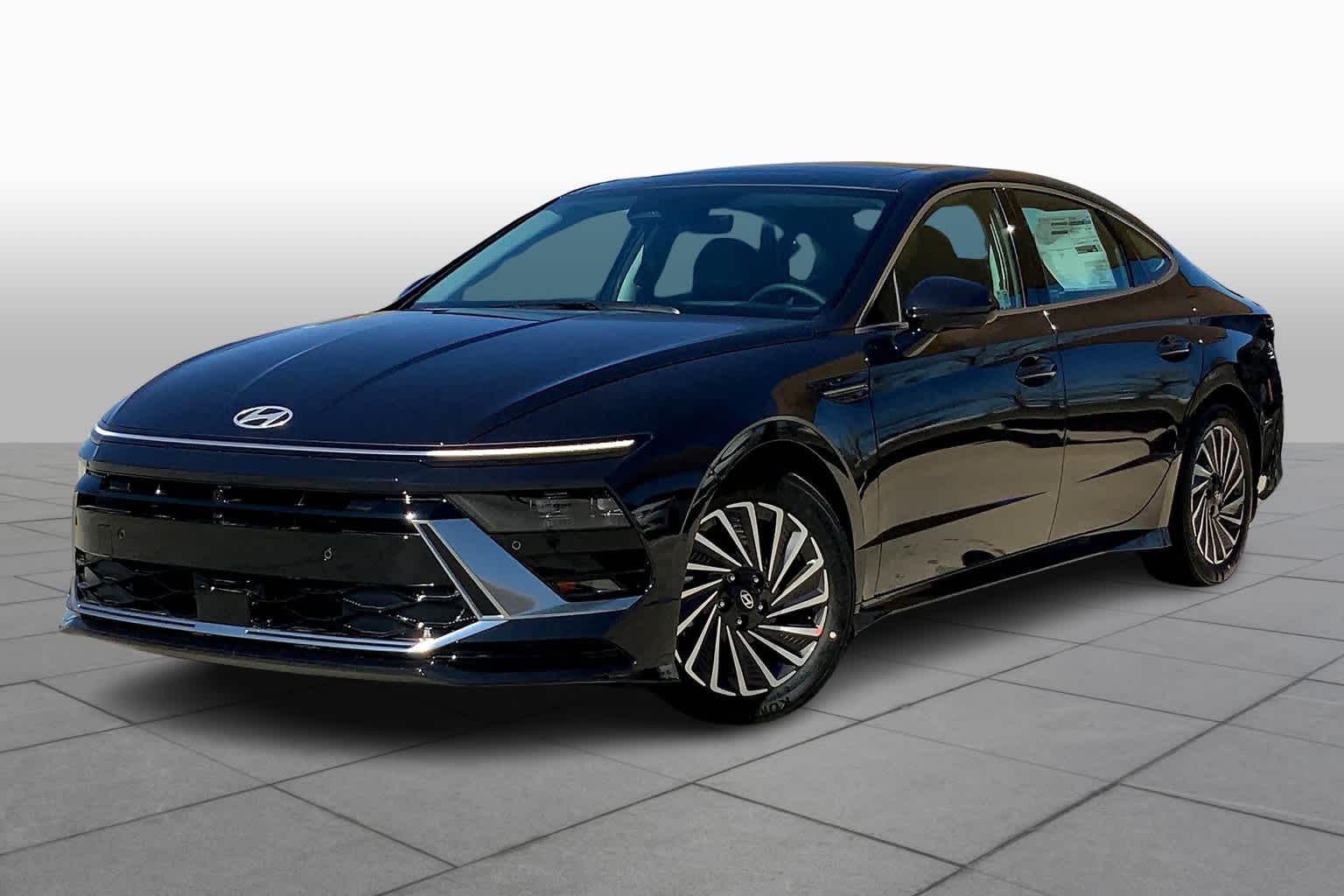
Buying a used hybrid can feel like a gamble. Many buyers worry about battery replacement costs and whether their local mechanic can even touch the car. Those fears are valid. Not every hybrid is built with repairability in mind.
But here is the good news. A growing number of used hybrids have battery systems that are modular, well-documented, and widely understood by independent shops. These vehicles have been on the road long enough for technicians to learn their quirks. Parts are available, diagnostic tools are affordable, and rebuild kits are sold by multiple suppliers.
The key is knowing which models to look for. Some hybrids use sealed, proprietary battery packs that only dealers can replace. Others use simple, accessible designs where a single weak module can be swapped out without replacing the entire pack. The difference in repair cost can be thousands of dollars.
This guide covers ten used hybrids that strike the right balance. They offer solid fuel economy, proven reliability, and battery systems that a knowledgeable local shop can diagnose and repair without factory-only equipment. Whether you are shopping on a budget or simply want long-term peace of mind, these ten vehicles deserve your serious attention.
1. Toyota Prius (2004–2015)
The Toyota Prius is the gold standard of repairable hybrids. No other vehicle has done more to educate independent mechanics about hybrid battery systems. It has been on the road for over two decades, and the knowledge base surrounding it is enormous.
The Prius uses a nickel-metal hydride battery pack made up of individual modules. Each module is a self-contained unit. When one module degrades or fails, a skilled technician can remove and replace just that module. This modular design is the foundation of the Prius’s reputation for affordable battery repair.
A full battery replacement at a dealer can cost anywhere from $2,000 to $4,000. However, a local shop with the right tools and a reconditioning kit can bring that cost down dramatically. Many owners have had their packs rebuilt for under $800, including labour.
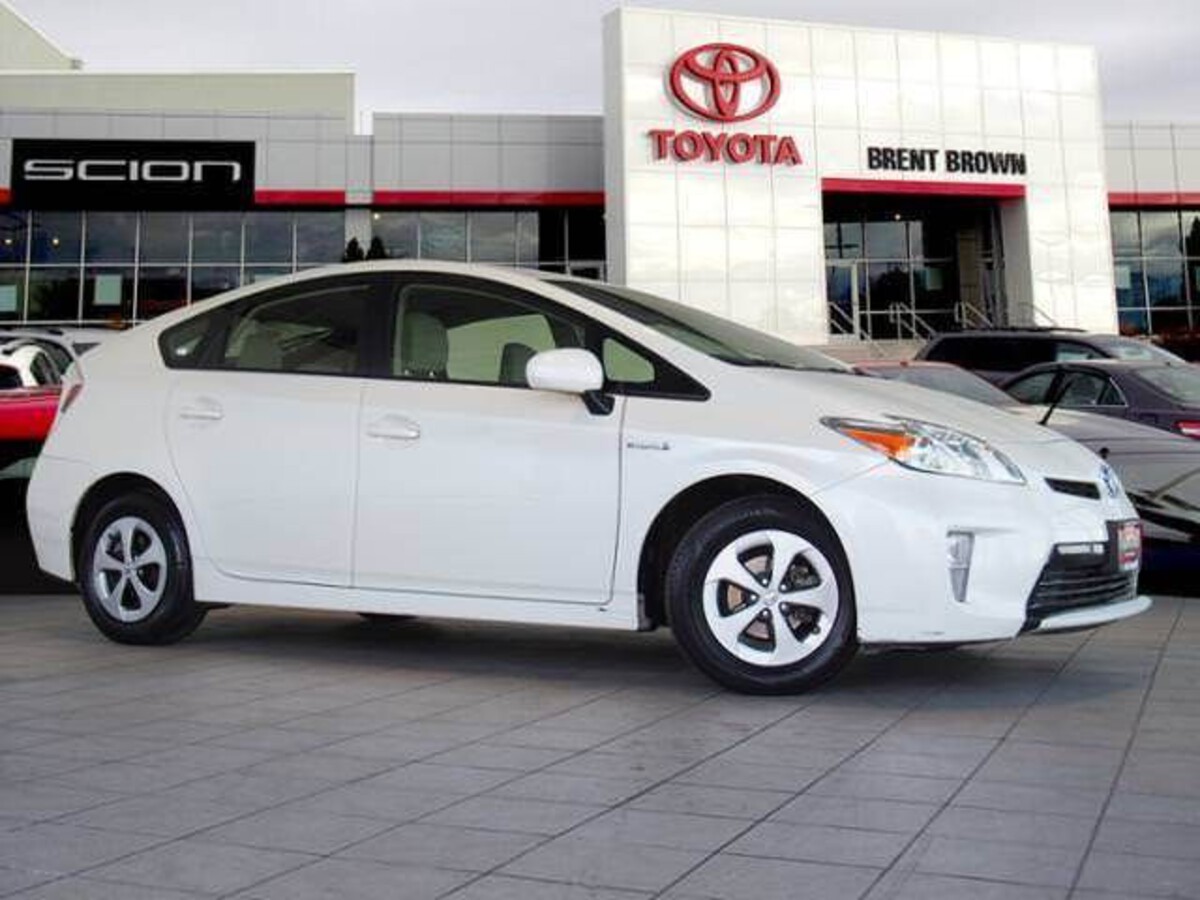
The diagnostic side is equally accessible. The Prius uses OBD-II protocols that are compatible with affordable aftermarket scan tools. Software like Techstream, which was originally dealer-only, is now available to independent shops at reasonable prices.
Battery packs from salvage yards are plentiful and inexpensive. Reconditioned packs from third-party suppliers are widely available online and ship quickly. A shop does not need to order through Toyota to get quality parts.
The 2004 through 2009 second-generation models are particularly popular among budget buyers. The third generation from 2010 through 2015 offers improved fuel economy. Both generations share the same fundamental repair approach.
One important note is that the high-voltage system requires proper safety training. Responsible shops follow established lockout and isolation procedures. But the physical design of the Prius pack makes those procedures straightforward and teachable. If you buy only one used hybrid for repairability, make it a Prius. The ecosystem of parts, knowledge, and tooling around this car is unmatched.
2. Honda Civic Hybrid (2003–2011)
The Honda Civic Hybrid is a practical, affordable commuter car with a battery system that local shops have learned to manage well over the years. It uses Honda’s Integrated Motor Assist system, which is simpler in some respects than Toyota’s full hybrid setup.
The battery pack sits behind the rear seat and uses a nickel-metal hydride chemistry. The pack is made up of individual cells bundled into modules. When cells degrade, the car’s fuel economy drops noticeably and the IMA warning light illuminates. This is usually the first sign that battery work is needed.
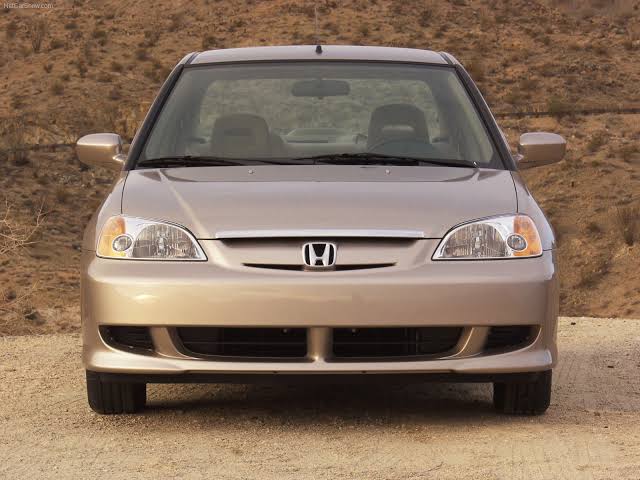
Reconditioning kits specifically designed for the Civic Hybrid pack are widely available from third-party suppliers. The process involves discharging and recharging individual modules to restore capacity. Many shops that regularly service hybrids have performed dozens of these rebuilds.
Remanufactured battery packs from companies that specialize in hybrid battery service are also a reliable option. These units typically come with warranties and represent a significant savings compared to dealer replacement costs.
The Honda system is also notable for the software updates that Honda issued over the years. Some owners found that certain software versions prematurely reduced battery performance. Independent technicians are aware of this issue and can account for it when diagnosing a battery complaint.
One limitation of the Civic Hybrid compared to the Prius is that the battery plays a slightly different role. Honda’s system uses the electric motor to assist the gasoline engine rather than drive the car independently. This means the battery sees different stress cycles, and technicians who understand this distinction can calibrate their repairs accordingly.
The parts availability is excellent. The model ran from 2003 through 2011, giving the salvage market ample time to stock units. Any shop that handles Prius batteries can typically handle the Civic Hybrid as well.
3. Ford Escape Hybrid (2005–2012)
The Ford Escape Hybrid holds the distinction of being America’s first hybrid SUV. It brought hybrid technology into a body style that many buyers actually wanted. And despite being a Ford product, its battery system has proven very manageable for independent shops.
The Escape Hybrid uses a nickel-metal hydride pack mounted underneath the cargo floor. The pack design is modular, and individual sticks of cells can be accessed and replaced without removing the entire assembly. This makes targeted repairs far more cost-effective than full replacements.
Ford made the smart decision to use the same battery management logic that was well understood by the industry at the time. The high-voltage system communicates via standard diagnostic protocols, and the scan tools needed to read battery data are available at reasonable cost to independent shops

Remanufactured battery packs for the Escape Hybrid are sold by multiple vendors. Competition between suppliers has kept prices reasonable. A rebuilt pack from a reputable vendor is typically far less expensive than the dealer alternative.
The Escape Hybrid is also notable for its thermal management system. The battery uses an active cooling fan to regulate temperature. When this fan fails, battery degradation accelerates. Many shops have learned to inspect and replace this fan as part of a standard battery service. Keeping the fan working properly extends pack life considerably.
Towing capacity and all-wheel-drive availability on some trims made the Escape popular with buyers who needed a more capable vehicle. The hybrid variants retained these features. This means used examples are plentiful in the market, and the savings compared to a newer hybrid SUV can be substantial.
The 2005 through 2007 first-generation models are the oldest and most affordable. The 2008 through 2012 refreshed models offer minor improvements. Both generations share the same fundamental battery architecture and repair approach.
4. Toyota Camry Hybrid (2007–2011)
The Toyota Camry Hybrid takes everything that makes the Prius battery serviceable and applies it to the best-selling mid-size sedan in America. The result is a practical, comfortable car with a familiar battery system that local shops already know how to fix.
This generation of the Camry Hybrid uses the same nickel-metal hydride module technology found in the Prius. The modules are physically different in size, but the principles of diagnosis, reconditioning, and replacement are nearly identical. A shop that services Prius batteries will have little trouble adapting to the Camry Hybrid.
Third-party battery packs and module rebuild kits are available from the same suppliers that serve the Prius market. Pricing is competitive, and quality-controlled remanufactured units are easy to source. This keeps repair costs well below dealer pricing.
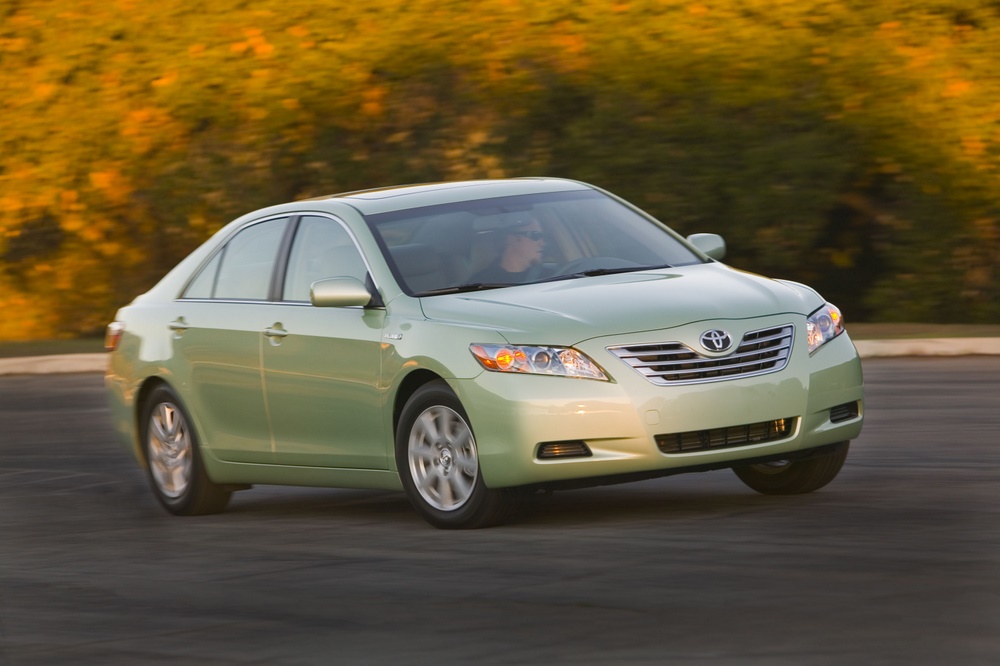
The Camry Hybrid from this generation also benefits from Toyota’s reputation for conservative engineering. The hybrid system was not pushed to extremes. Battery packs that have been properly maintained often reach 150,000 to 200,000 miles without needing a rebuild.
Diagnostic access follows the same pattern as the Prius. OBD-II tools and aftermarket Toyota-compatible software give technicians clear visibility into battery state, individual module voltages, and system faults. There are no proprietary barriers to diagnosis.
From a buyer’s perspective, this generation of the Camry Hybrid is a very strong used car. It seats five comfortably, has a large trunk, and delivers fuel economy that is still impressive by modern standards. Insurance is affordable, and the parts ecosystem is mature.
If a buyer wants a practical family car with low long-term service costs and a battery that won’t bankrupt them at repair time, the 2007 through 2011 Camry Hybrid deserves serious consideration.
Also Read: 7 Brands With the Highest Dealership Labor Rates in the US
5. Lexus CT 200h (2011–2017)
The Lexus CT 200h is a premium compact hatchback built on the Prius platform. This shared architecture is the key to its repairability. Under the luxury badge and upscale interior, the hybrid system is the same one that technicians have been servicing for years.
The battery pack in the CT 200h is a nickel-metal hydride unit with the modular construction familiar from the Prius. Module reconditioning and pack replacement follow the same procedures. A shop that has rebuilt Prius packs can apply that knowledge directly to the CT 200h without purchasing new tools or training.
This sharing of components with the Prius also means parts supply is excellent. Many modules from Prius salvage vehicles are compatible with the CT 200h. This gives shops and owners access to the widest possible parts pool. Remanufactured packs are available from multiple vendors at competitive prices.
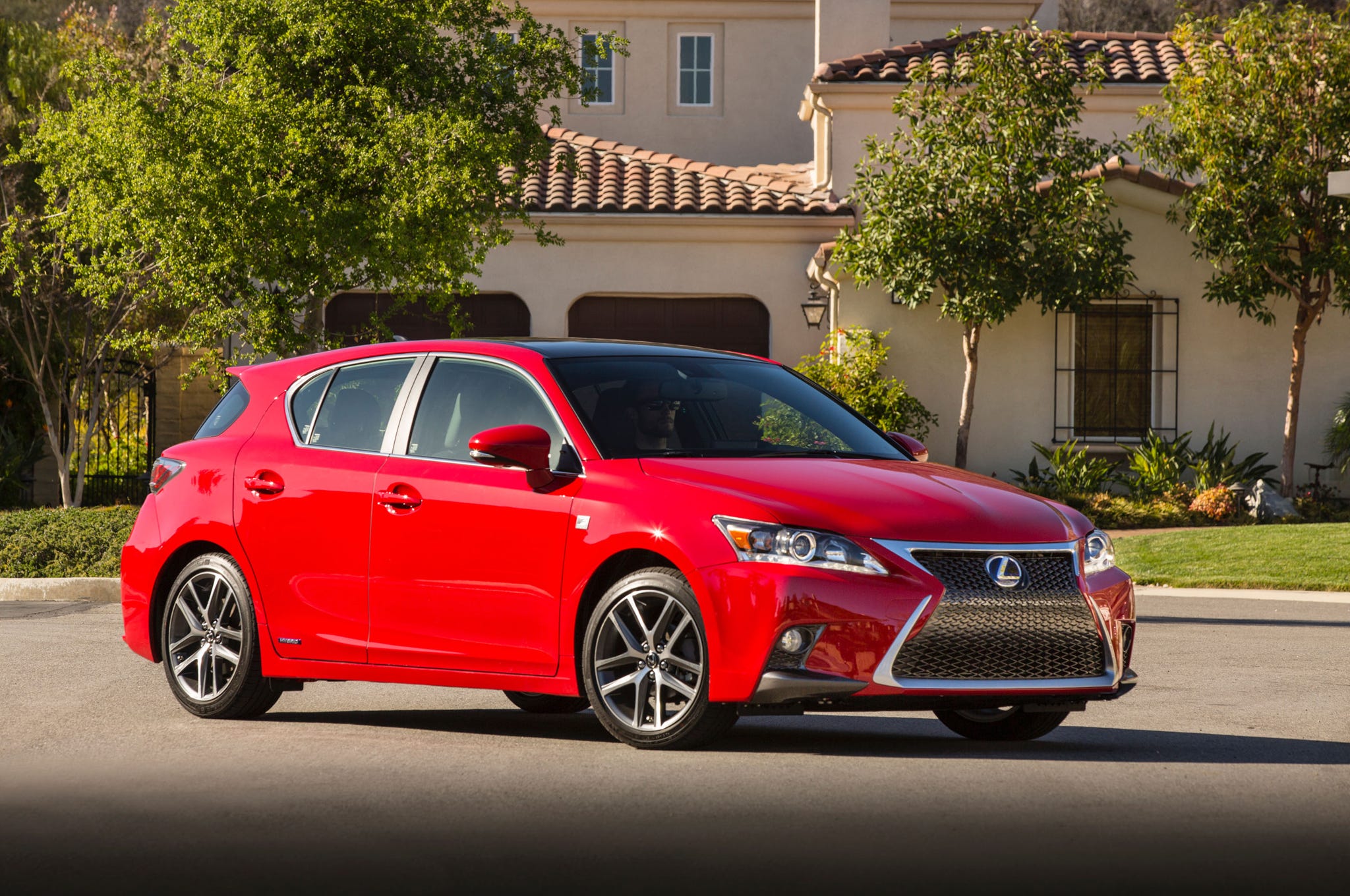
The CT 200h was marketed as a sporty, efficient premium hatchback. It delivered excellent fuel economy, particularly in urban driving. The interior quality is noticeably higher than the standard Prius, making it appealing to buyers who want hybrid efficiency with a more refined feel.
Resale values for the CT 200h tend to be higher than the Prius because of the Lexus badge. However, used examples are still very affordable compared to other premium compact cars. And the total cost of ownership remains low because battery repair costs are the same as the Prius.
One minor consideration is that some Lexus dealers are less familiar with third-party battery repairs than Toyota dealers. But this actually reinforces the case for using independent shops. A well-trained independent technician is often a better choice for battery work on this car than a dealer who has not prioritized hybrid service.
6. Toyota Highlander Hybrid (2006–2012)
The Toyota Highlander Hybrid is the larger sibling to the Camry Hybrid, and it carries the same fundamentally serviceable battery architecture into a three-row SUV body. For buyers who need space, the Highlander Hybrid delivers practical hybrid ownership without sacrificing repairability.
The battery pack is a nickel-metal hydride unit that shares design DNA with other Toyota hybrids of the era. Modules can be individually tested and replaced, keeping the cost of targeted repairs reasonable. The pack is located under the cargo floor, and access is manageable with basic tools.
Toyota’s decision to use consistent hybrid system components across multiple models created a large community of technicians and suppliers familiar with this battery design. The Highlander Hybrid benefits from that accumulated knowledge even though it is a less common vehicle than the Prius or Camry.
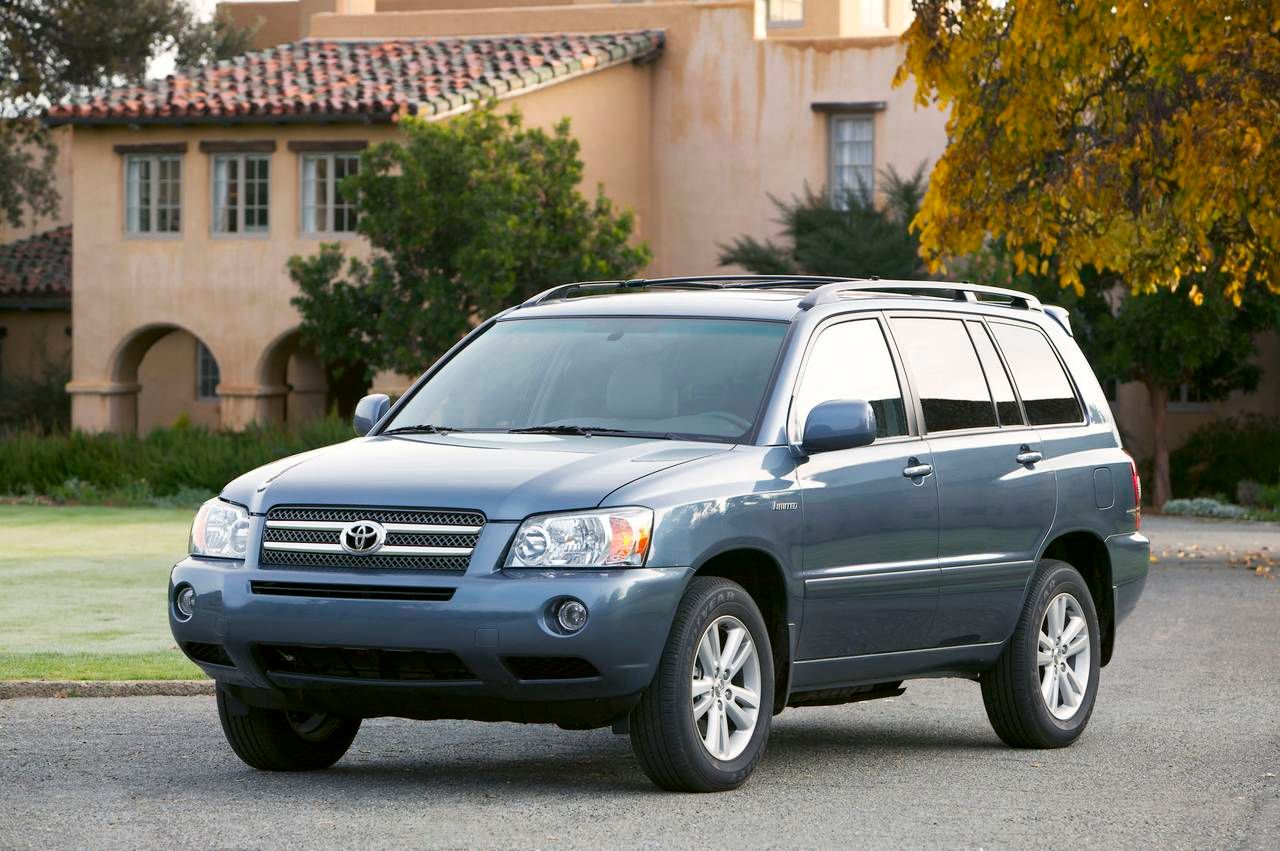
Parts availability is good. Salvage yards that stock Toyota hybrid components typically carry Highlander Hybrid packs as well. Third-party remanufacturers cover this model, and pricing reflects the competitive market that has developed around Toyota hybrid batteries.
The thermal management system on the Highlander Hybrid uses active cooling. Keeping the cooling fan and intake vents clean is important for battery longevity. Shops familiar with Toyota hybrids know to check this system during any battery-related service call.
Fuel economy for an SUV of this size is genuinely impressive. Real-world figures in the mid-twenties are common, and highway driving often exceeds EPA estimates. For a family that does significant urban or suburban driving, the savings at the pump are meaningful over time.
The 2006 through 2007 models represent the first generation. The 2008 through 2012 models are slightly refined. Either generation is a solid choice for a buyer who needs a three-row hybrid with dependable battery service options.
7. Honda Insight (2010–2014)
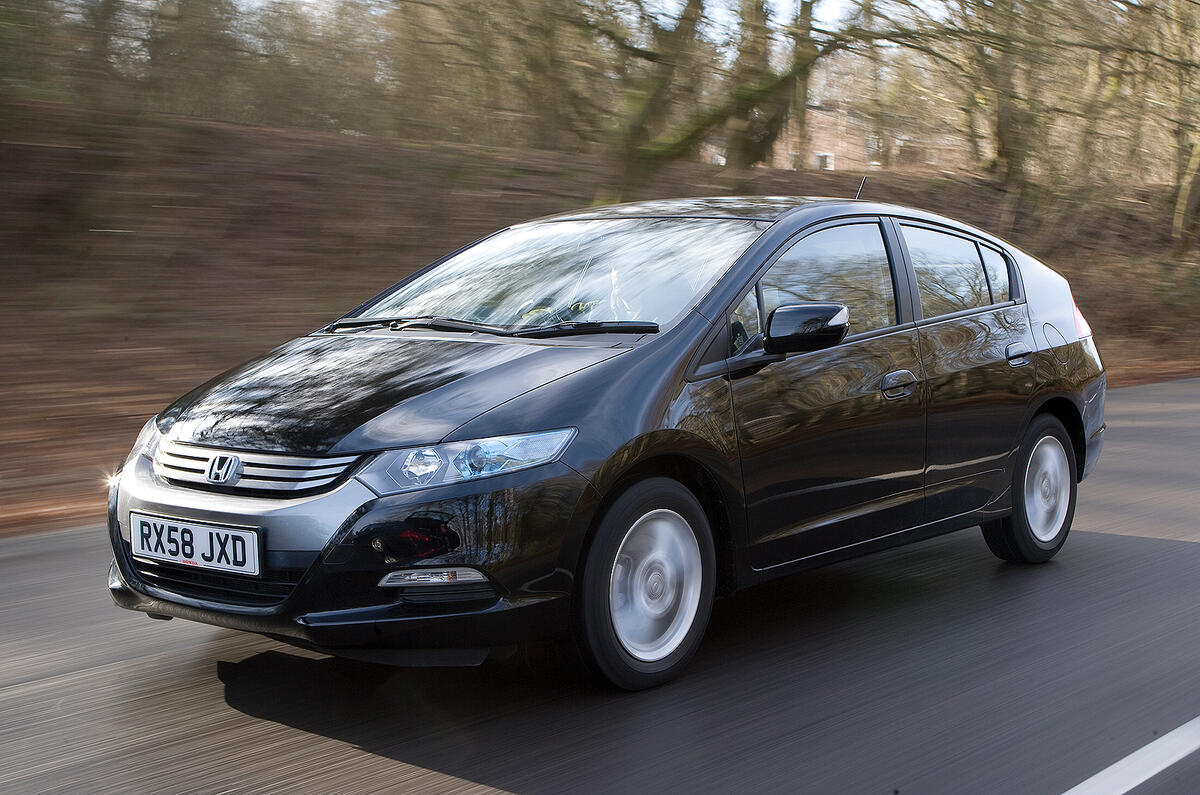
The Honda Insight returned to the market in 2010 as a more affordable alternative to the Prius. It brought Honda’s Integrated Motor Assist system into a slightly updated form, and its battery pack shares many characteristics with other Honda hybrids that shops have learned to service well.
The nickel-metal hydride battery pack sits behind the rear seat. The design is accessible, and the individual modules can be reached without complex disassembly. Reconditioning procedures are well documented in the independent service community. A shop with Honda hybrid experience will find this car immediately familiar.
Battery rebuild kits are sold by the same third-party suppliers that serve the Civic Hybrid market. Remanufactured pack options are also available. Competition between vendors keeps pricing reasonable, and quality-controlled units are easy to source online and through wholesale parts distributors.
Diagnostic access is straightforward. Honda’s hybrid system uses standard OBD-II communication, and affordable aftermarket scan tools can read battery data clearly. Independent shops do not need to invest in Honda-specific dealer software to perform accurate battery diagnosis.
The Insight from this generation was positioned as a budget-friendly entry point into hybrid ownership. This means used examples are often very affordable on the secondary market. Buyers can frequently find well-maintained examples with reasonable mileage at prices that leave significant room in the budget for any future battery work.
One notable feature of the Insight is its aerodynamic design. The car was shaped carefully to minimize drag, which contributes to its fuel economy. At highway speeds, this aerodynamic efficiency makes a real difference in real-world fuel costs.
The Insight is a strong choice for buyers who want a simple, economical hybrid with a battery system that has been proven serviceable by independent shops over many years of use.
8. Ford Fusion Hybrid (2010–2012)
The Ford Fusion Hybrid represents a significant step in American automaker competence with hybrid systems. Ford developed its own hybrid technology for this car rather than licensing it from Toyota, and the result is a system that has matured into one of the more serviceable non-Toyota hybrids available in the used market.
The Fusion Hybrid uses a nickel-metal hydride battery pack mounted in the trunk. The pack design allows individual sections to be serviced without a full replacement in many cases. Independent shops that have invested in understanding Ford’s hybrid architecture can perform targeted repairs that keep costs well below dealer pricing.
Ford provided strong diagnostic access for this system. The hybrid battery management system communicates via standard protocols that aftermarket scan tools can read effectively. Battery state, individual cell group voltages, and fault codes are all accessible without Ford dealer software.
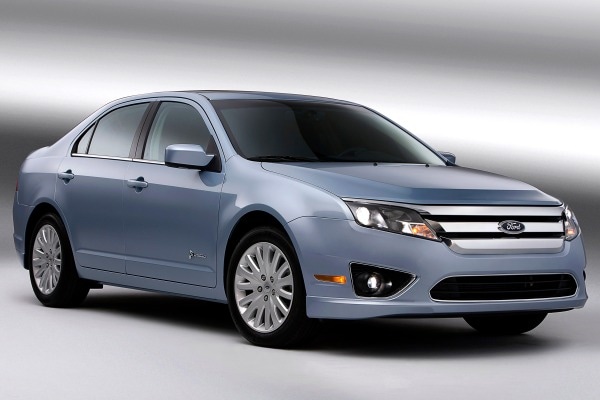
Third-party battery suppliers have built out inventory for this model over the years. Remanufactured packs are available from multiple vendors. Pricing is competitive, and quality has improved considerably as the supplier base has matured.
The Fusion Hybrid is also notable for its conventional trunk. Unlike the Prius, which has a hatchback layout, the Fusion offers a traditional sedan with a proper trunk lid. This appeals to buyers who prefer that body style. The cabin is spacious and comfortable, and the hybrid system blends seamlessly into what feels like a conventional driving experience.
Fuel economy in real-world use is impressive for a mid-size sedan. City driving benefits most from the hybrid system, but highway figures are also respectable. The combination of efficiency and conventional comfort makes the Fusion Hybrid a genuinely appealing used car purchase.
Independent shops in regions with significant Ford ownership are often already equipped to handle the Fusion Hybrid’s battery system. This regional familiarity is an additional advantage for buyers in those markets.
9. Toyota Prius V (2012–2017)
The Toyota Prius V is the wagon-bodied member of the Prius family, offering substantially more cargo and passenger space than the standard Prius. It carries the same hybrid system architecture and the same modular battery design, which means it benefits from the same outstanding repairability that defines the entire Prius lineup.
The nickel-metal hydride battery pack uses the module-based construction that has become the foundation of the independent hybrid repair industry. Technicians who service standard Prius vehicles need minimal additional training to work on the Prius V. Tools, procedures, and diagnostic approaches are directly transferable.
Parts supply is excellent. The Prius V was sold in meaningful numbers, and the salvage market has built up a good inventory of compatible modules. Third-party battery suppliers cover this model thoroughly. Remanufactured packs are available with standard warranty coverage and competitive pricing.
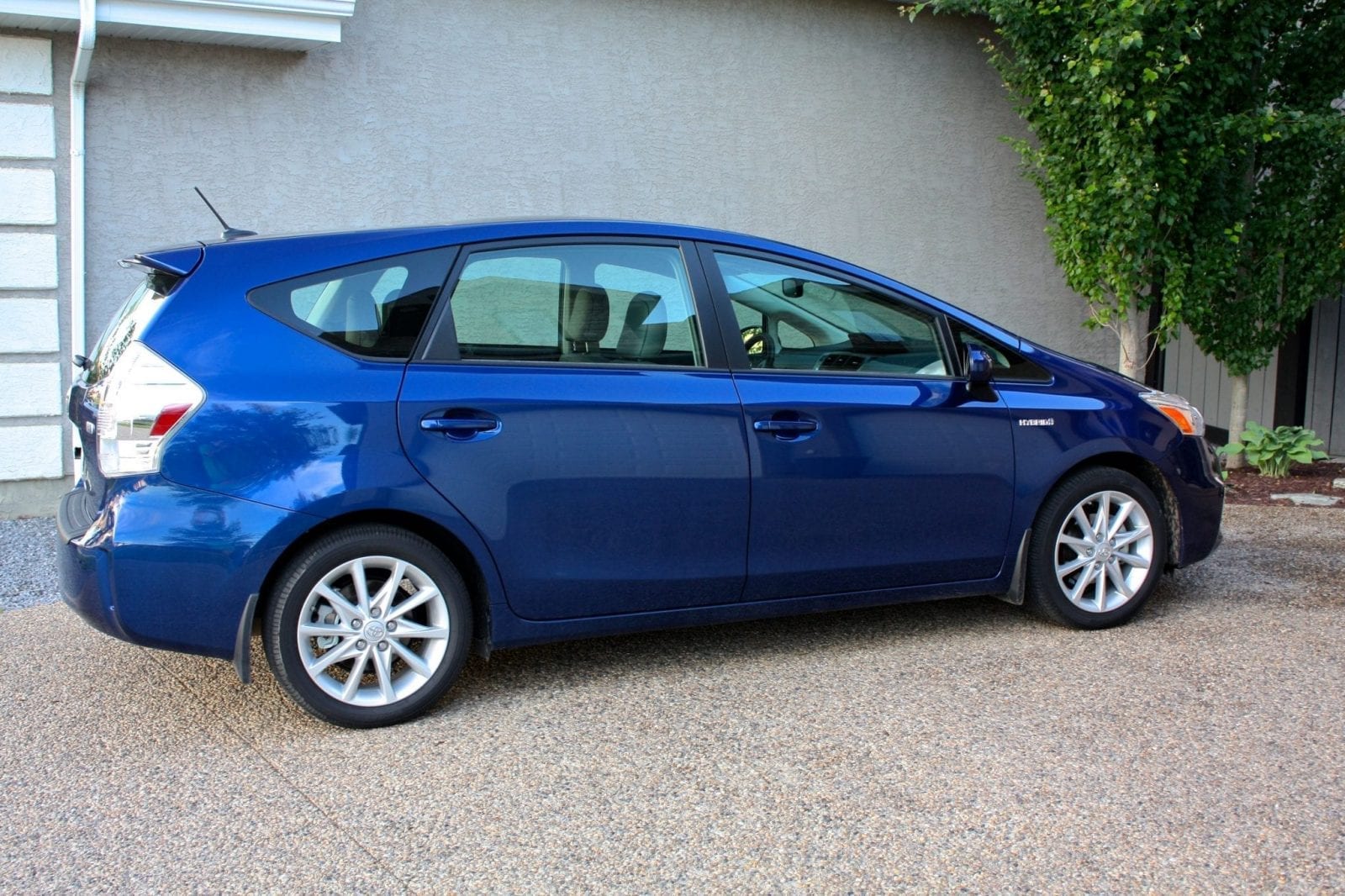
The Prius V occupies a useful niche in the used hybrid market. It offers station wagon practicality with hybrid efficiency. For buyers who carry cargo regularly, have children, or need to transport equipment, the Prius V delivers significantly more utility than the standard Prius without sacrificing fuel economy.
Real-world fuel economy is slightly lower than the standard Prius due to the larger body and additional weight. But figures in the mid-forties are still achievable, and that represents exceptional efficiency for a vehicle of this size and practicality.
Resale demand for the Prius V is consistent, which means quality used examples are regularly available. Pricing tends to be very reasonable given the vehicle’s capabilities and the low total cost of ownership when battery work is needed.
For a family or active owner who needs more room than the standard Prius offers, the Prius V is an outstanding choice. The combination of space, efficiency, and battery repairability is genuinely difficult to match.
10. Hyundai Sonata Hybrid (2011–2015)
The Hyundai Sonata Hybrid from this generation may come as a surprise on a list like this. Korean automakers were not always associated with independently serviceable hybrid systems. But this first-generation Sonata Hybrid used a lithium polymer battery pack with a design that has proven accessible to shops willing to invest in the necessary knowledge.
The battery pack is located in the trunk, and the individual cell modules are accessible for replacement. Hyundai published detailed service information for this system, which has helped independent technicians understand the architecture. Battery management system diagnostics are accessible via standard OBD-II communication.
Third-party battery suppliers have developed specific solutions for this model. Replacement modules and remanufactured packs are available through the growing aftermarket for Hyundai hybrid components. Pricing has become increasingly competitive as supply has built up over time.
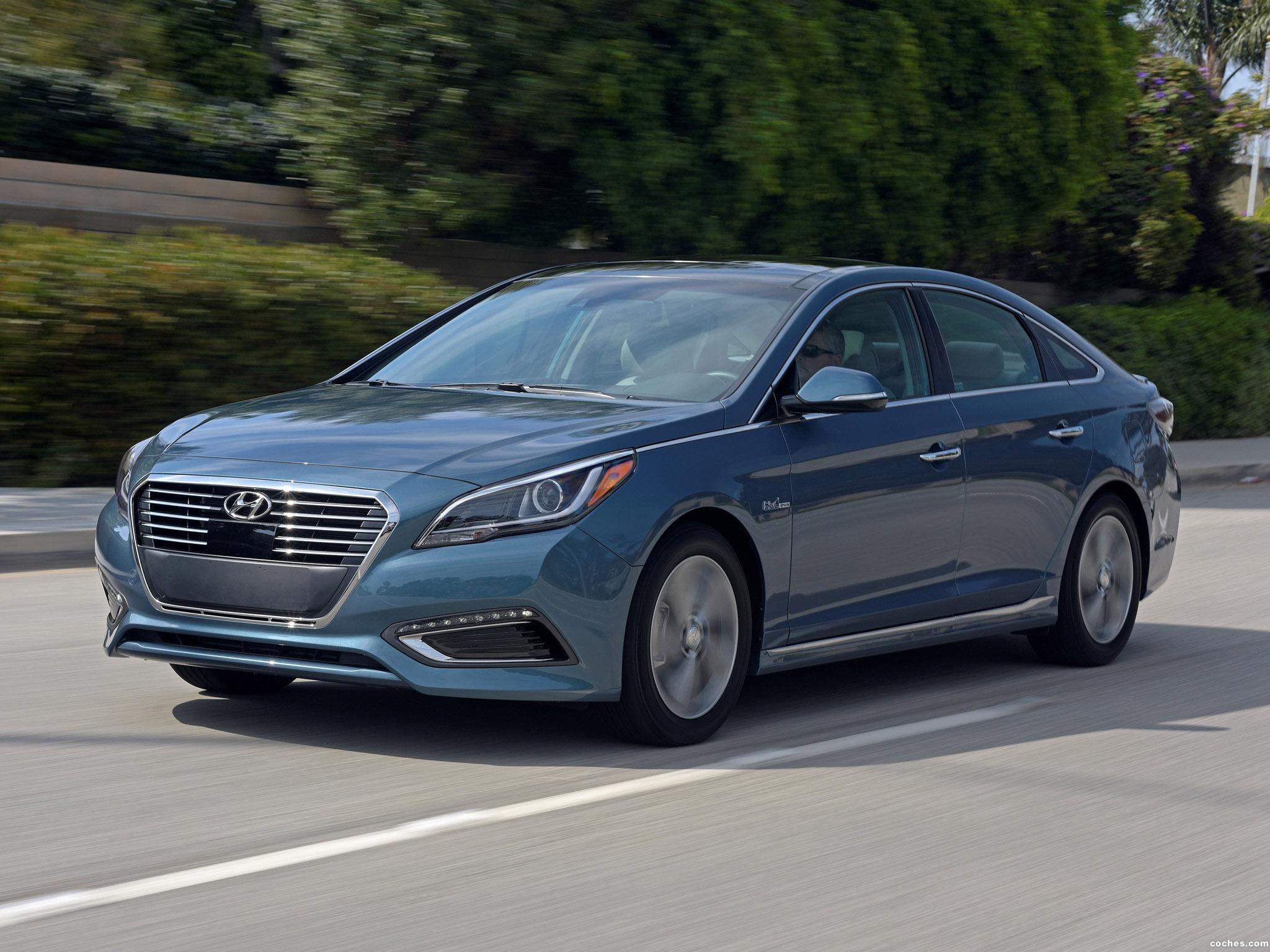
One factor that makes the Sonata Hybrid attractive for independent service is Hyundai’s factory warranty history. Many of these vehicles were sold with generous hybrid battery warranties. Understanding the original warranty status of a specific vehicle can influence the service strategy. Shops familiar with this history can advise buyers accordingly.
The Sonata Hybrid from this era is also a very comfortable car. It offers a spacious interior, competitive standard features, and a smooth ride quality that rivals more expensive competitors. Fuel economy is solid, particularly in urban and suburban driving cycles where the electric motor contributes most effectively.
Used pricing on this generation is very attractive. The combination of affordable purchase price, reasonable fuel costs, and an increasingly mature parts and service ecosystem makes it a strong value proposition for buyers who are willing to work with a knowledgeable independent shop rather than relying solely on the dealer network.
Also Read: 5 Reasons Why Buying a Car From a Private Seller Is Riskier in 2026
