
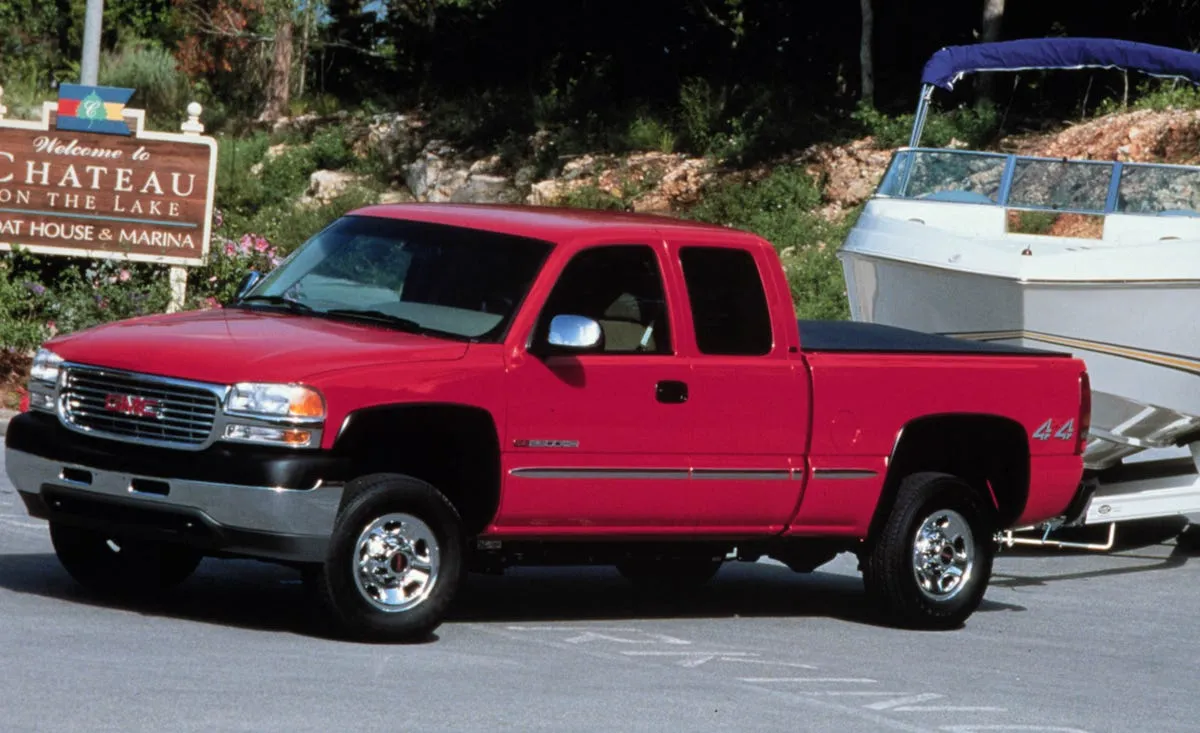
Diesel trucks have always occupied a special place in the hearts of hardworking Americans and truck enthusiasts around the world.
They are built for power, endurance, and the kind of relentless daily punishment that would destroy lesser vehicles. But not every diesel truck ages gracefully. Some lose their value the moment they leave the dealership lot, while others seem to defy time itself.
The trucks on this list are different. They were engineered with such precision and durability that even after twenty years of hard use, they still command serious money on the used market.
Buyers seek them out specifically because of their legendary reliability and proven track records. These are not trucks that simply survived they thrived across decades of demanding service.
It comes down to engine longevity, parts availability, brand reputation, and a loyal community of owners who keep demand high. When a truck earns a reputation for going 500,000 miles without a rebuild, the market takes notice.
Whether you are a rancher, a contractor, a towing enthusiast, or simply someone who appreciates mechanical excellence, these twelve diesel trucks represent the very best in long-term value retention. Each one has earned its place on this list through real-world performance and decades of proven results.
1. Ford F-250 Super Duty with the 7.3L Power Stroke (1994–2003)
The Ford F-250 Super Stroke equipped with the 7.3L Power Stroke engine is widely considered one of the greatest diesel trucks ever built. It earned that reputation through years of bulletproof reliability and exceptional towing capability.
Few diesel engines in history have generated the kind of devoted following that the 7.3L Power Stroke commands today.
The engine itself was developed by International Navistar and introduced into the F-Series lineup in 1994. It replaced the older 6.9L and 7.3L IDI engines with a far more advanced direct-injection turbocharged design. From the very first model year, it was clear that Ford had something truly special under the hood.
The 7.3L Power Stroke produced around 210 to 275 horsepower depending on the model year and configuration. It delivered torque figures that made it ideal for heavy hauling, farm work, and commercial towing applications. Owners quickly discovered that the engine responded extremely well to basic performance modifications.
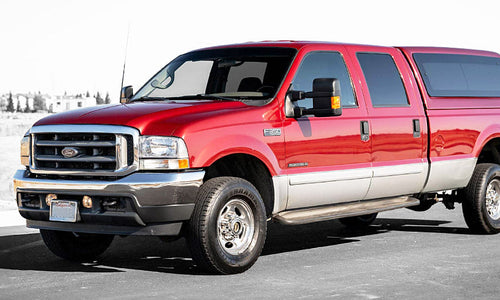
What set this engine apart from its competitors was its mechanical simplicity. It used a relatively straightforward design without the excessive complexity that would later plague newer diesel engines. Fewer electronic components meant fewer things that could go wrong over time.
The injector system used by the 7.3L was known as HEUI, or Hydraulically actuated Electronically controlled Unit Injector. While it had its quirks, experienced mechanics understood it well and replacement parts remained affordable and widely available. This kept long-term ownership costs manageable even as the trucks aged.
Transmission options included a robust ZF6 six-speed manual or the E4OD and later 4R100 automatic transmissions. The manual gearbox in particular developed a devoted following among enthusiasts who valued driver engagement and long-term durability. Many of these transmissions are still going strong today with proper maintenance.
The chassis of the F-250 Super Duty was built to take punishment. Ford engineered the frame, suspension, and axles to handle maximum payload and towing capacities without flexing or fatiguing prematurely. This contributed directly to the truck’s long service life and its continued appeal on the used market.
Body styles ranged from regular cab to crew cab configurations. The interior was functional rather than luxurious, but that simplicity worked in its favor. There were fewer electronic features to fail and fewer comfort systems to deteriorate over the years.
Today, clean examples of the 7.3L Power Stroke F-250 regularly sell for prices that rival much newer trucks. Prices have actually risen in recent years as demand from enthusiasts and working truck buyers continues to climb. Finding a low-mileage example in good condition has become genuinely difficult.
The Ford F-250 with the 7.3L Power Stroke stands as a monument to diesel engineering done right. It proved that a truck could be powerful, capable, and extraordinarily durable all at the same time. Its resale value after two decades speaks louder than any advertisement ever could.
2. Chevrolet Silverado 2500HD with the Duramax LB7 (2001–2004)
The first generation Duramax diesel engine, known internally as the LB7, launched a legendary lineage that continues to this day. When General Motors partnered with Isuzu to develop this 6.6L turbocharged V8 diesel, the result was a truck engine that changed the competitive world permanently. The Silverado 2500HD carrying this engine became an instant classic.
The LB7 produced 300 horsepower and 520 lb-ft of torque right out of the gate. Those were impressive numbers for the early 2000s, and they allowed the Silverado 2500HD to compete seriously with the dominant Ford Power Stroke trucks of the era. GM had entered the heavy-duty diesel war with something genuinely formidable.
One of the most celebrated aspects of the LB7 was its smooth, refined power delivery. Unlike some diesel engines that felt rough or agricultural, the LB7 had a quality to its performance that felt almost car-like. Drivers appreciated the combination of brute strength and relative refinement.
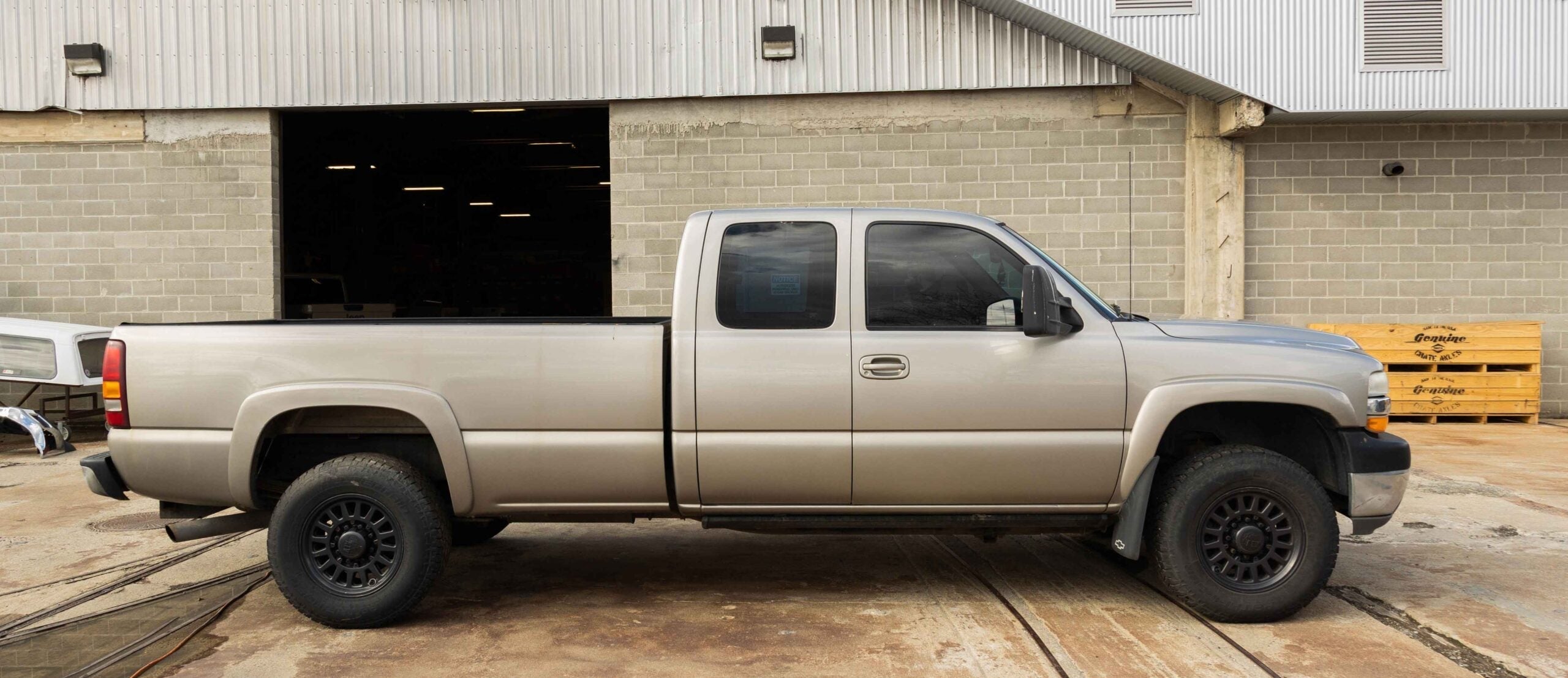
The Allison 1000 five-speed automatic transmission paired beautifully with the LB7. This transmission was engineered for heavy commercial use and proved to be one of the most durable automatic gearboxes in the diesel truck world. The Allison’s reputation for longevity became a major selling point for the entire Silverado HD lineup.
The LB7 did have one well-documented weakness involving its injectors. The original injectors were prone to failure, and GM eventually extended the warranty to cover them. However, trucks that have had their injectors replaced with updated units tend to be extraordinarily reliable afterward.
The Silverado 2500HD’s body and chassis were designed for serious work. The frame was fully boxed and exceptionally rigid, giving the truck excellent handling characteristics even under heavy loads. This structural integrity paid dividends over the years as the trucks aged without developing the structural fatigue seen in lesser vehicles.
Interior quality on the early 2500HD models was typical of early-2000s GM standards. It was sturdy and practical without being particularly luxurious. That durability meant the interiors aged gracefully rather than falling apart after a decade of hard use.
Used examples of the LB7-powered Silverado 2500HD remain in high demand. Buyers know they are getting a truck with a proven engine, a bulletproof transmission, and a chassis capable of handling serious work. These trucks regularly bring strong prices at auction and on private sale listings.
3. Dodge Ram 2500 with the 5.9L Cummins 12-Valve (1989–1998)
No diesel truck list would be complete without the legendary 5.9L Cummins 12-valve inline-six. This engine, produced by Cummins and installed in Dodge Ram 2500 trucks starting in 1989, became the gold standard by which all other diesel truck engines were measured. Its reputation for near-indestructible reliability is not exaggerated.
The 12-valve Cummins earned its name from its simple cylinder head design featuring two valves per cylinder. This mechanical simplicity was a massive advantage over more complex engine designs. Fewer moving parts meant fewer opportunities for something to break down over the course of hundreds of thousands of miles.
Early versions of the engine produced modest horsepower numbers, around 160 horsepower in stock form. However, torque output was enormous, and the engine’s response to simple modifications like an injection pump adjustment was remarkable. Enthusiasts discovered they could significantly increase power output with relatively inexpensive changes.
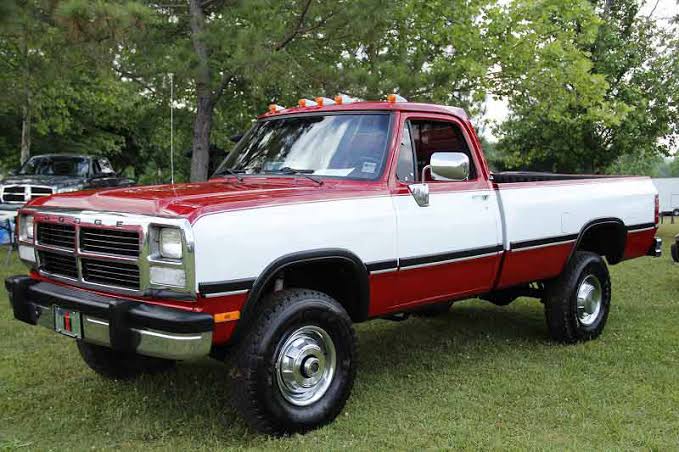
The fuel system on the 12-valve Cummins was entirely mechanical, controlled by a Bosch P-pump injection system. This mechanical injection pump required no electronic control modules to function. That meant the engine could theoretically run even if every electrical component in the truck failed completely.
This mechanical purity became one of the 12-valve’s most celebrated attributes. Owners who valued simplicity and self-sufficiency gravitated toward these trucks precisely because they could be diagnosed and repaired with hand tools in a field or a rural garage. The knowledge required to maintain them was accessible and straightforward.
The Dodge Ram 2500 chassis of this era was tough and capable. It was not the most refined or sophisticated truck platform ever built, but it was honest and strong. The solid front axle setup, while considered old-fashioned by some, was beloved by off-road enthusiasts for its strength and repairability.
Transmission options included a five-speed manual gearbox that was well-matched to the Cummins torque curve. The automatic transmission option of this era was less celebrated, with many owners preferring the manual for both reliability and driving engagement. Well-maintained manual versions of these trucks are among the most sought-after diesel trucks in existence.
Prices for clean 12-valve Cummins Ram 2500 trucks have climbed dramatically in recent years. What once was an affordable used work truck has become a genuine collector vehicle. Good examples regularly command prices that reflect their legendary status in diesel truck culture.
4. Dodge Ram 2500 with the 5.9L Cummins 24-Valve (1998–2007)
Following the legendary 12-valve, Cummins introduced the 24-valve version of the 5.9L engine for the 1998 model year. This updated engine carried forward all the durability of its predecessor while adding improved power output and cleaner emissions compliance. The Ram 2500 equipped with this engine continued the Cummins legacy in spectacular fashion.
The 24-valve designation referred to the updated cylinder head design featuring four valves per cylinder. This allowed for better airflow and improved combustion efficiency compared to the original 12-valve configuration. The result was more horsepower and a broader, more usable power band.
Early 24-valve engines used a Bosch VP44 rotary injection pump, which was an electronically controlled unit. This was a significant departure from the fully mechanical P-pump of the 12-valve, and the VP44 did develop a reputation for failure, particularly on higher-mileage engines. However, replacement units are readily available and relatively affordable today.
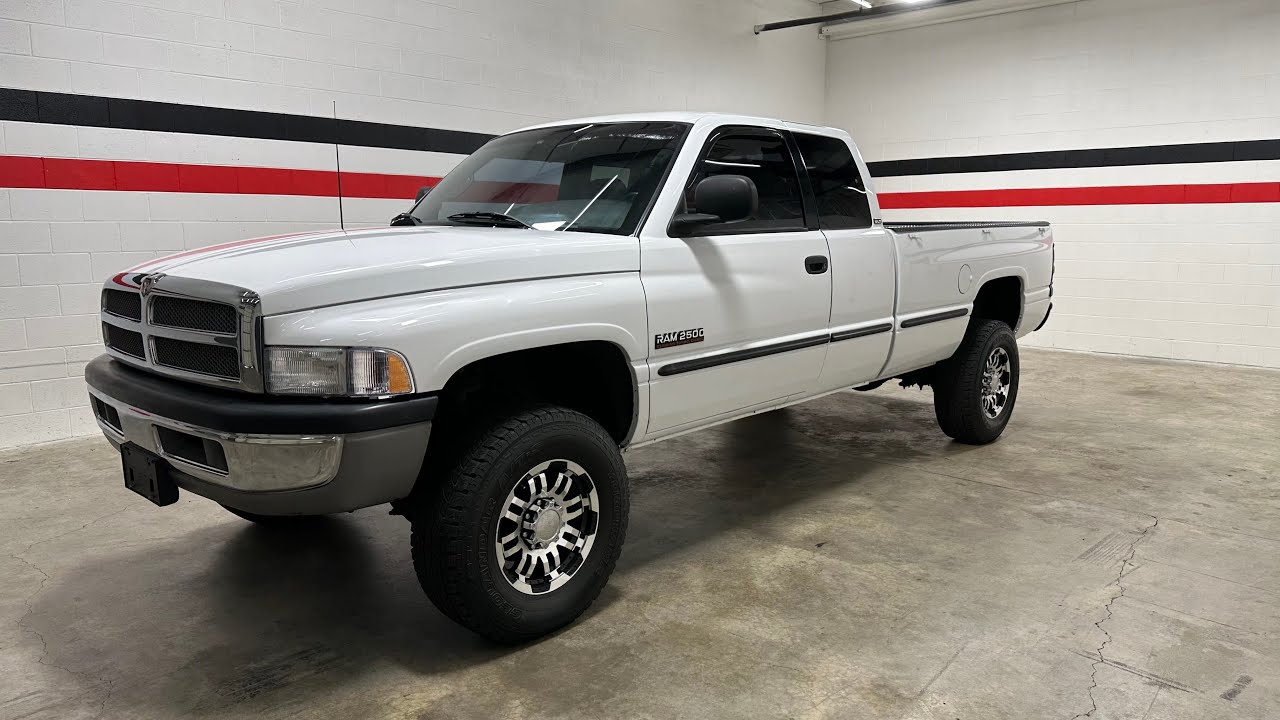
Later 24-valve engines, produced from 2003 onward, switched to a common rail injection system that delivered much improved performance and reliability. These later versions, often called the “common rail” Cummins, are considered by many to be among the finest diesel truck engines ever produced. They combined Cummins reliability with modern injection technology.
The 2003 to 2007 common rail 5.9L trucks in particular have developed an enormous following. They produced 325 horsepower and 600 lb-ft of torque in stock form, with even greater potential through relatively simple tuning modifications. The power gains available through aftermarket tuners made these trucks extremely popular with enthusiasts.
Ram’s third-generation body style, introduced in 2002, gave the truck a more modern and aggressive appearance. The interior quality improved over earlier generations, with better materials and more comfort-oriented features. This made the trucks more livable as daily drivers without sacrificing any of their working capability.
The 5.9L engine’s production ended in 2007 when emissions regulations forced a switch to the larger 6.7L Cummins. This made the final year of 5.9L production particularly desirable among buyers who wanted the last of the pre-emissions-complexity engines. Clean 2007 models command a significant premium in today’s market.
Resale values for 24-valve Cummins trucks remain exceptionally strong. The combination of a proven engine, adequate modern amenities, and a devoted enthusiast community keeps demand consistently high. These trucks are likely to hold their value for another decade and beyond.
Also Read: 12 Defensive Driving Habits That Save Lives in Aggressive Traffic
5. Ford F-350 Super Duty with the 6.7L Power Stroke (2011–Present)
After the troubled years of the 6.0L and 6.4L Power Stroke engines, Ford took a dramatically different approach with the 6.7L Power Stroke. Unlike previous Ford diesel engines that were developed by International Navistar, the 6.7L was designed entirely in-house by Ford engineers. The result was a diesel engine that restored Ford’s reputation for diesel reliability.
The 6.7L Power Stroke was built around a compacted graphite iron block that offered exceptional strength-to-weight characteristics. This advanced material allowed Ford to create an engine that was both lighter and stronger than its predecessors. The engineering investment paid off in the form of outstanding long-term durability.
Early production 6.7L engines produced 390 horsepower and 735 lb-ft of torque. As the years progressed, Ford continued to refine and upgrade the engine’s output, with later versions producing over 500 horsepower and 1,200 lb-ft of torque. This ongoing development kept the F-350 at or near the top of the heavy-duty truck performance charts throughout its production run.
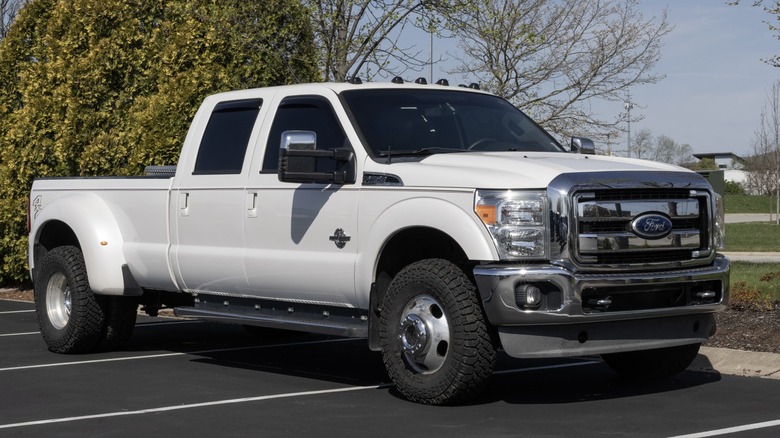
The turbocharger design on the 6.7L was particularly innovative. Ford used a single sequential turbo mounted in a reverse position compared to conventional designs. This layout improved exhaust flow and contributed to the engine’s broad power delivery across a wide RPM range.
The F-350 Super Duty’s chassis was engineered for maximum payload and towing capability. Ford built the frame to handle fifth-wheel and gooseneck trailer loads that would stress lesser trucks severely. Commercial buyers recognized this capability and adopted the F-350 enthusiastically for demanding applications.
The TorqShift six-speed automatic transmission paired with the 6.7L proved to be an excellent match for the engine’s massive torque output. It was smooth under normal driving conditions and handled the stress of heavy towing without complaint. Transmission reliability on these trucks has been excellent.
The interior quality of the Super Duty improved dramatically during this generation. Ford offered a wide range of trim levels from basic work-truck specifications to near-luxury configurations. This versatility helped the F-350 appeal to a broad range of buyers beyond purely commercial applications.
Clean used examples of the 6.7L Power Stroke F-350 hold their value remarkably well. Buyers know they are getting a thoroughly modern diesel truck with proven reliability and outstanding capability. The engine’s track record across more than a decade of production has firmly established its reputation.
6. GMC Sierra 2500HD with the Duramax LMM (2007.5–2010)
The Duramax LMM engine represented a significant refinement over its predecessors in the Duramax family. Introduced in the middle of the 2007 model year, it was engineered to meet tighter emissions standards while maintaining the performance and reliability that Duramax owners had come to expect. The GMC Sierra 2500HD carrying this engine became one of the most capable and reliable trucks of its era.
The LMM produced 365 horsepower and 660 lb-ft of torque in factory specification. These numbers represented a meaningful increase over earlier Duramax variants and kept GM competitive with Ford and Dodge in the heavy-duty diesel segment. Towing and payload ratings improved accordingly, making the Sierra 2500HD genuinely more capable than its predecessors.
One of the LMM’s most important features was the introduction of a diesel particulate filter as part of its emissions system. While some owners initially expressed concern about this addition, the system proved to be reasonably reliable when properly maintained. Regular highway driving that allows the filter to regenerate properly is key to long-term reliability.
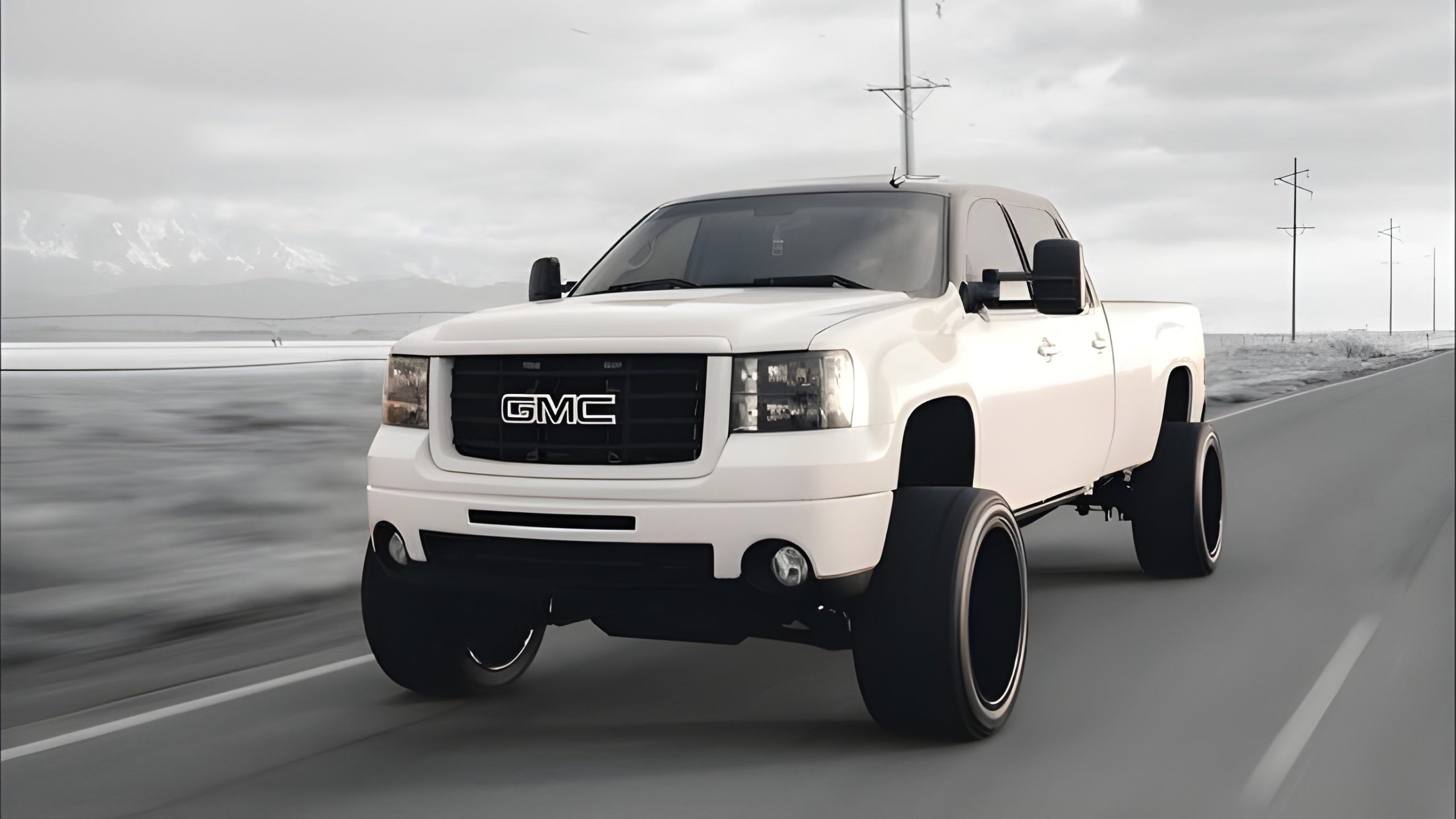
The Sierra 2500HD’s exterior design during this generation was refined and professional in appearance. GMC had worked to differentiate the Sierra from its Chevrolet Silverado sibling with a more upscale styling approach. This positioning helped justify a slight price premium and attracted buyers who wanted a premium work truck aesthetic.
The Allison 1000 transmission continued to be a major selling point. Now in a revised six-speed configuration, it offered improved shift quality and efficiency compared to earlier versions. The Allison’s reputation for commercial-grade durability made it a significant asset in the resale market.
Interior quality on the Sierra 2500HD of this generation was genuinely good. GM had invested in better materials and improved ergonomics, making long-distance driving or all-day work considerably more comfortable. The available features, including navigation and premium audio, made these trucks legitimate multi-purpose vehicles.
Used LMM-powered Sierra 2500HD trucks maintain strong resale values because buyers recognize their capabilities. The combination of a proven Duramax engine, bulletproof Allison transmission, and a capable chassis creates a package that is difficult to improve upon for serious work applications. These trucks continue to earn their keep on job sites and ranches across the country.
7. Ford F-250 with the 6.7L Power Stroke (2011–Present)
The F-250 with the 6.7L Power Stroke sits at a slightly different market position than the heavier F-350 but shares all of the engineering excellence of Ford’s in-house diesel engine. For buyers who need serious diesel capability without the full weight and bulk of the F-350, the F-250 represents an outstanding value proposition. Its resale strength reflects this balanced appeal.
The 6.7L Power Stroke in the F-250 delivers the same fundamental reliability and performance as in the heavier-duty F-350 application. The engine does not distinguish between the two platforms, offering identical horsepower and torque specifications. This means F-250 buyers get all of the engine’s capabilities in a slightly more manageable package.
The F-250’s payload and towing ratings are substantial, easily handling the demands of most contractors, farmers, and recreational towers. It can manage conventional trailer loads and fifth-wheel trailers that would strain a half-ton truck severely. For the majority of heavy-duty users, the F-250 provides more capability than they will ever actually need.
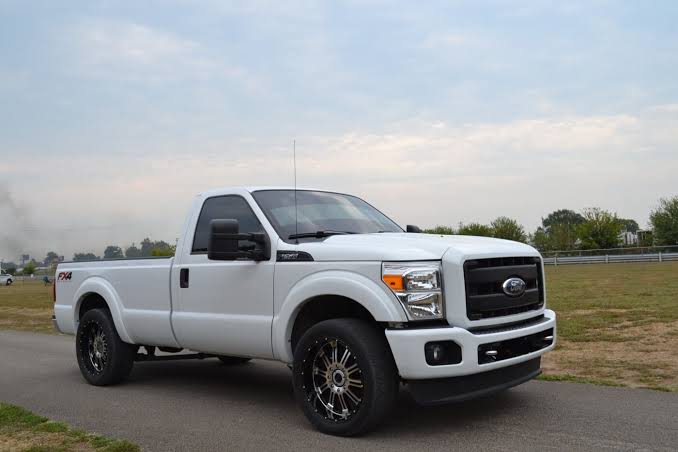
Fuel economy on the 6.7L Power Stroke is respectable for a truck of this size and capability. Unloaded highway driving can yield figures in the high teens, which is genuinely impressive given the engine’s power output. This fuel efficiency contributes to lower operating costs over the life of the truck.
The Super Duty’s body construction benefits from high-strength military-grade aluminum alloy in the cab and bed. Ford introduced this material to reduce weight while maintaining structural integrity. The weight savings translated into improved payload capacity and slightly better fuel economy without compromising durability.
Maintenance requirements for the 6.7L are more involved than those of older, simpler diesel engines. The emissions equipment requires attention, and the high-pressure fuel system demands quality fuel and proper service intervals. Owners who follow the maintenance schedule consistently are rewarded with exceptional long-term reliability.
The F-250’s broad appeal across both commercial and personal use markets keeps demand consistently strong in the used truck space. Whether it is a contractor needing a reliable work vehicle or a family wanting to tow a large fifth-wheel camper, the F-250 serves both roles admirably. This versatility is a major driver of its strong resale performance.
8. Ram 2500 with the 6.7L Cummins (2007–Present)
When Cummins introduced the 6.7L inline-six to replace the beloved 5.9L in 2007, there was considerable skepticism from the devoted Cummins community. The addition of emissions equipment and increased complexity worried owners who had come to rely on the relative simplicity of the earlier engine. However, the 6.7L proved its worth over time and has become a worthy successor to the Cummins legacy.
The 6.7L Cummins is physically larger than the 5.9L it replaced, with a longer stroke that contributes to its impressive torque output. Early versions produced 350 horsepower and 650 lb-ft of torque, numbers that have grown substantially through subsequent revisions. Current versions of the engine produce up to 420 horsepower and 1,075 lb-ft of torque.
The common rail fuel injection system used in the 6.7L operates at extremely high pressures to achieve fine fuel atomization. This precision injection contributes to the engine’s efficiency and clean combustion characteristics. The system requires clean, quality fuel and proper maintenance to deliver its best performance and longevity.
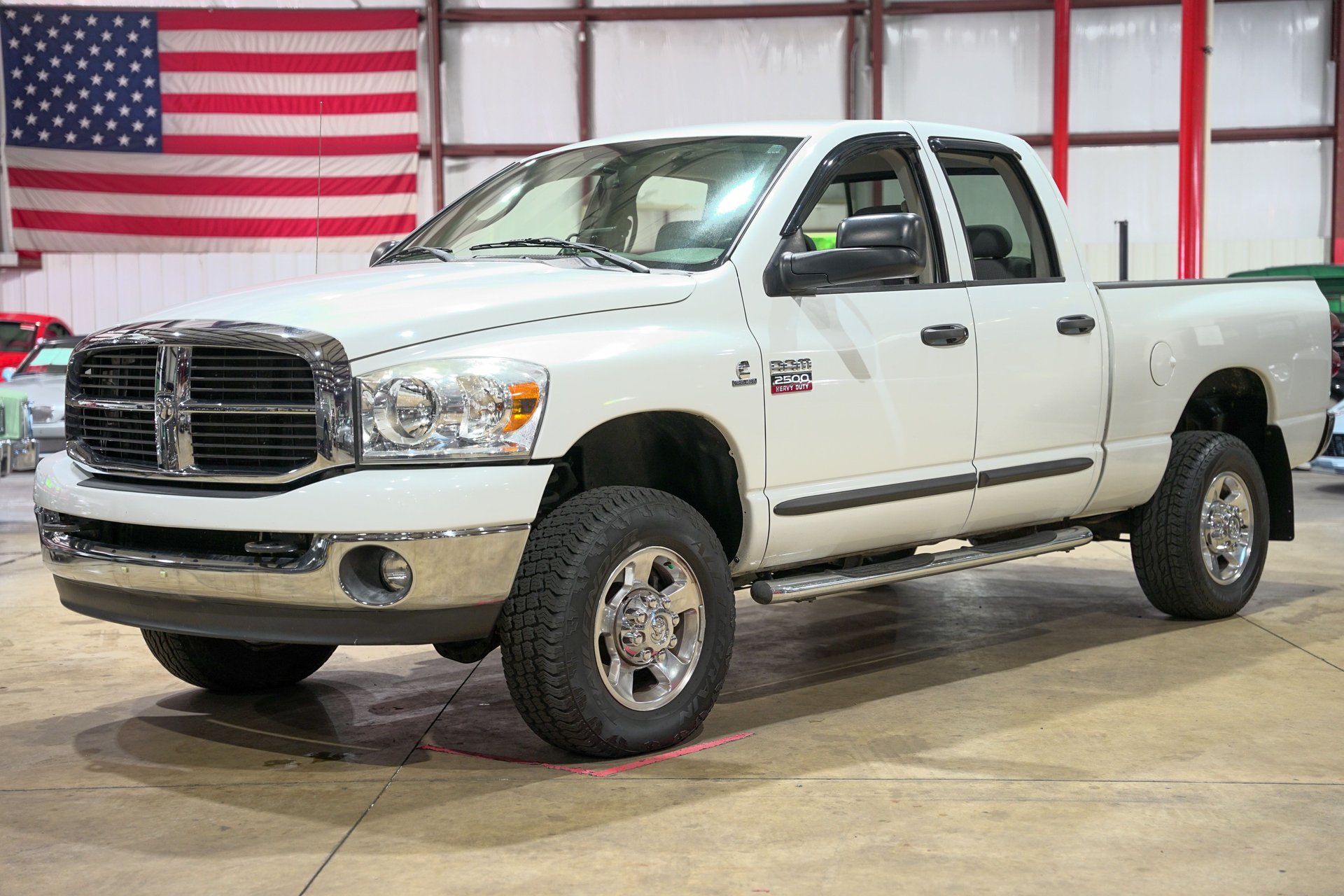
Ram redesigned the 2500’s chassis and suspension for improved ride quality and handling. The front suspension geometry was carefully engineered to provide a comfortable ride under normal driving conditions while maintaining the load-carrying ability required for heavy-duty applications. This dual-purpose capability made the truck more livable as a daily driver.
The Ram’s coil spring front suspension, introduced in later generations, was a notable differentiator from competitors. This setup provided a noticeably more comfortable unloaded ride than the leaf spring front suspensions used by Ford and GM. Buyers who used their trucks as daily drivers appreciated this comfort advantage.
Interior quality in the Ram 2500 improved dramatically with the third and fourth generation redesigns. Chrysler and later Ram Truck invested heavily in interior materials, technology, and comfort features. The resulting cabins were genuinely competitive with full-size luxury trucks in terms of features and comfort.
The 6.7L Cummins has built its own reputation for reliability separate from its legendary predecessor. High-mileage examples with proper maintenance records demonstrate that this engine is fully capable of matching the longevity of the 5.9L. Used Ram 2500 trucks with 6.7L engines command strong prices that reflect buyer confidence in the powertrain.
9. Chevrolet Silverado 2500HD with the Duramax LML (2011–2016)
The Duramax LML represented the most refined version of the 6.6L engine family up to that point in its development. Introduced for the 2011 model year, it incorporated lessons learned from a decade of Duramax production and delivered impressive power alongside improved emissions compliance. The Silverado 2500HD powered by this engine became one of the most well-rounded heavy-duty trucks available.
The LML produced 397 horsepower and 765 lb-ft of torque, numbers that were highly competitive in the heavy-duty diesel segment. These figures allowed the Silverado 2500HD to post excellent towing and payload ratings. Commercial buyers and enthusiasts alike responded positively to the combination of performance and reliability.
One distinguishing feature of the LML was its use of a urea-based selective catalytic reduction system for emissions control. This system, often called DEF or Diesel Exhaust Fluid, was new to the Duramax lineup. While it added a fluid to monitor and refill, it actually reduced some of the load on the diesel particulate filter and improved system reliability.
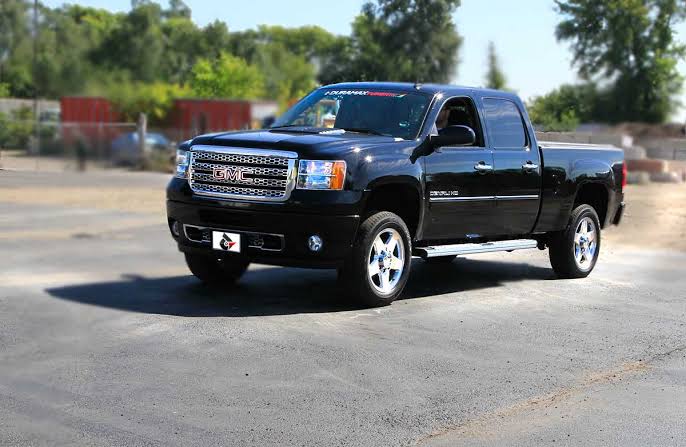
The Silverado 2500HD’s exterior was updated for this generation with a more assertive and modern appearance. The truck’s proportions and styling communicated capability without appearing unnecessarily aggressive. This balanced approach helped the Silverado maintain its appeal across both commercial and consumer markets.
Cabin quality on the 2500HD improved meaningfully during this period. General Motors invested in better materials, improved sound insulation, and more intuitive controls. The resulting interior was significantly more refined than earlier Silverado HD generations while retaining a practical, work-oriented layout.
The Allison transmission, now in an advanced six-speed calibration, continued to be one of the truck’s strongest selling points. Its reputation was so strong that it was often cited by buyers as a primary reason for choosing the GM platform over competitors. The Allison simply worked exceptionally well under all conditions.
Resale values for LML-powered Silverado 2500HD trucks are very strong. The combination of a proven Duramax engine, exceptional Allison transmission, and capable chassis creates a package that working truck buyers are willing to pay a premium for. These trucks continue to perform serious work long after most competitors would have been retired.
10. Toyota Tundra with the 1HD-FTE Diesel (International Markets)
While the diesel Tundra was never sold in the North American market, its international variants deserve recognition for their exceptional long-term value retention. The 1HD-FTE powered Toyota heavy trucks built during the 1990s and 2000s developed a worldwide reputation for outstanding durability. In markets where these trucks were sold, their resale values after twenty years remain remarkably strong.
The 1HD-FTE was a 4.2L inline-six turbo diesel engine that Toyota developed for its heavy-duty truck and Land Cruiser applications. It was engineered to Toyota’s famously conservative and reliability-focused design philosophy. Every component in the engine was built with substantial safety margins to ensure long service life under demanding conditions.
The engine’s cast iron construction provided exceptional thermal stability and resistance to wear. Toyota chose cast iron over lighter alloy materials specifically for its superior long-term durability characteristics. This decision added weight but paid dividends in the form of engines that routinely exceeded 500,000 kilometers in service.
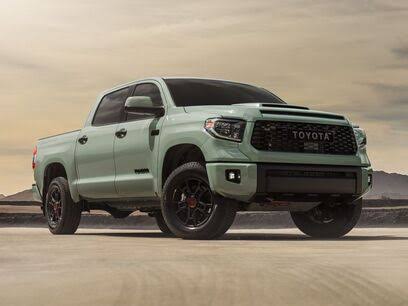
Toyota’s fuel system choices for the 1HD-FTE were conservative and proven. The injection system was designed for reliability rather than maximum performance, and it delivered on that promise consistently. Service intervals were straightforward, and the parts required for maintenance were widely available throughout Toyota’s extensive global dealer network.
The trucks carrying this engine were built on Toyota’s legendary body-on-frame construction. The frames were heavily reinforced and treated for corrosion resistance in a way that allowed them to survive decades of hard use in demanding environments. This structural longevity was a key contributor to the trucks’ enduring resale values.
Market demand for these diesel Toyotas in countries like Australia, the Middle East, and Africa has remained consistently strong. Buyers who work in remote locations particularly value Toyota’s global parts network and the mechanical simplicity of the 1HD-FTE. Getting stranded due to a mechanical failure is far less likely with this engine than with more complex alternatives.
The diesel Toyota heavy trucks represent a different philosophy from American diesel trucks. They prioritized absolute reliability and global serviceability over maximum performance or technological sophistication. In markets that valued those qualities, they became irreplaceable working tools whose value has only increased with time.
11. Ford F-350 with the 7.3L Power Stroke (1994–2003)
The F-350 carrying the 7.3L Power Stroke engine takes the capabilities already celebrated in the F-250 version and raises them further. The heavier-duty chassis, stronger axles, and higher payload ratings of the F-350 made it the preferred choice for commercial operators who needed maximum capability. Its resale value after two decades is arguably even stronger than that of the lighter F-250 variant.
The F-350’s heavier-duty rear axle and suspension were designed to handle substantially greater payload weights than the F-250. This made it the truck of choice for contractors who regularly loaded beds with heavy materials. The additional structural capability translated into a truck that could handle extreme loads without the fatigue that would accelerate wear on lesser vehicles.
Dual rear wheel configurations available on the F-350, commonly called dually or DRW versions, added even greater payload capacity and towing stability. The wider rear track and additional tire contact patch improved load stability dramatically. Dually F-350 trucks with the 7.3L Power Stroke are among the most capable and sought-after diesel work trucks ever produced.
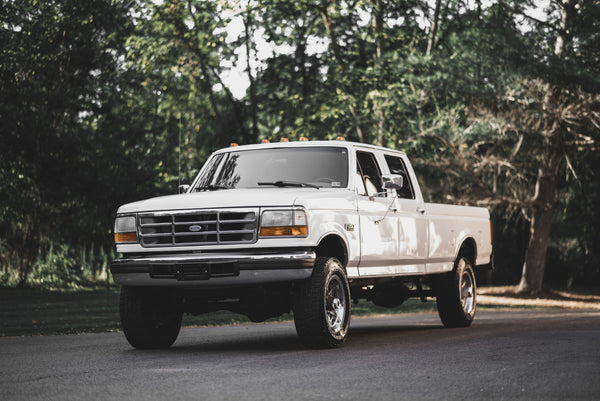
The 7.3L Power Stroke in the F-350 operated under heavier loads more consistently than in lighter trucks, yet it handled this punishment without complaint. The engine’s over-engineered design meant it had substantial reserves of durability even when working near its rated maximums. This reliability under load was a critical factor in its commercial success.
Service and parts availability for the 7.3L remains excellent even today. The enormous installed base of these engines means that aftermarket suppliers continue to produce replacement components. Injectors, turbos, oil coolers, and other wear items are readily available from multiple suppliers at competitive prices.
The resale market for F-350 7.3L Power Stroke trucks has been extraordinary in recent years. Values have appreciated significantly as buyers recognize these trucks as the last of the pre-emissions-era Ford diesels. Finding a clean, low-mileage example has become a serious challenge, and sellers command impressive premiums for well-maintained trucks.
These trucks represent an era of diesel engineering that may never be replicated. They were built when emissions regulations allowed for simpler, more robust engine designs. Their combination of capability, reliability, and mechanical honesty makes them genuinely irreplaceable in the eyes of devoted owners and working truck buyers alike.
12. Ram 3500 with the 5.9L Cummins 24-Valve (1998–2007)
The Ram 3500 equipped with the 24-valve 5.9L Cummins represents the apex of pre-modern-emissions heavy-duty diesel truck capability.
As the heaviest and most capable single rear wheel truck in the Ram lineup, the 3500 combined Dodge’s maximum-duty chassis with the legendary Cummins engine in a package that has proven extraordinarily durable. Its resale value reflects decades of proven performance.
The 3500’s chassis was built to handle loads that would stress the lighter 2500 beyond its design limits. Heavier frame rails, upgraded suspension components, and higher-rated axles gave the 3500 capabilities that overlapped with light commercial truck territory. For users who regularly pushed the limits of what a pickup could carry or tow, the 3500 was the only logical choice.
The dually version of the Ram 3500 with the Cummins engine became particularly legendary. The combination of maximum chassis capability, enormous payload ratings, and the torque-rich Cummins inline-six created a towing machine that was virtually unmatched in its era. Fifth-wheel trailer operators quickly recognized the 3500 Cummins dually as the gold standard for long-haul towing.
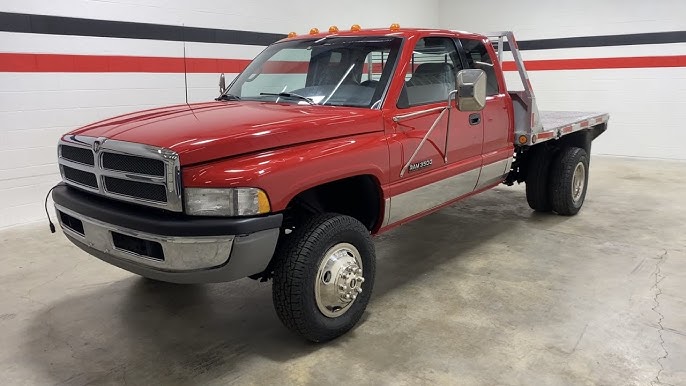
The 5.9L Cummins in the 3500 application benefited from the truck’s heavier-duty cooling and drivetrain components. The engine never felt stressed, even when working at or near maximum capacity. This relaxed operating characteristic contributed significantly to the engine’s exceptional longevity in high-use commercial applications.
Later common rail versions of the 24-valve engine, produced from 2003 through 2007, brought additional power and refinement to the 3500.
The combination of modern injection technology with the proven Cummins architecture delivered both performance and reliability. These final years of the 5.9L in the Ram 3500 are widely considered the definitive version of this legendary combination.
The used market for Ram 3500 Cummins trucks has seen dramatic price appreciation in recent years. Commercial buyers who depend on these trucks for their livelihoods are willing to pay substantial premiums for well-maintained examples. The knowledge that a properly cared-for truck of this type can continue to work reliably for another decade or more justifies the investment.
The Ram 3500 with the 5.9L Cummins 24-valve closes this list as a fitting testament to everything that makes a diesel truck truly exceptional.
It was built for maximum capability, engineered for extreme longevity, and supported by one of the most devoted owner communities in the truck world. After two decades, it continues to earn every dollar of its strong resale value through daily, dependable performance.
Also Read: 10 Best Aftermarket Upgrades to Modernize the Feel of an Older Car
