
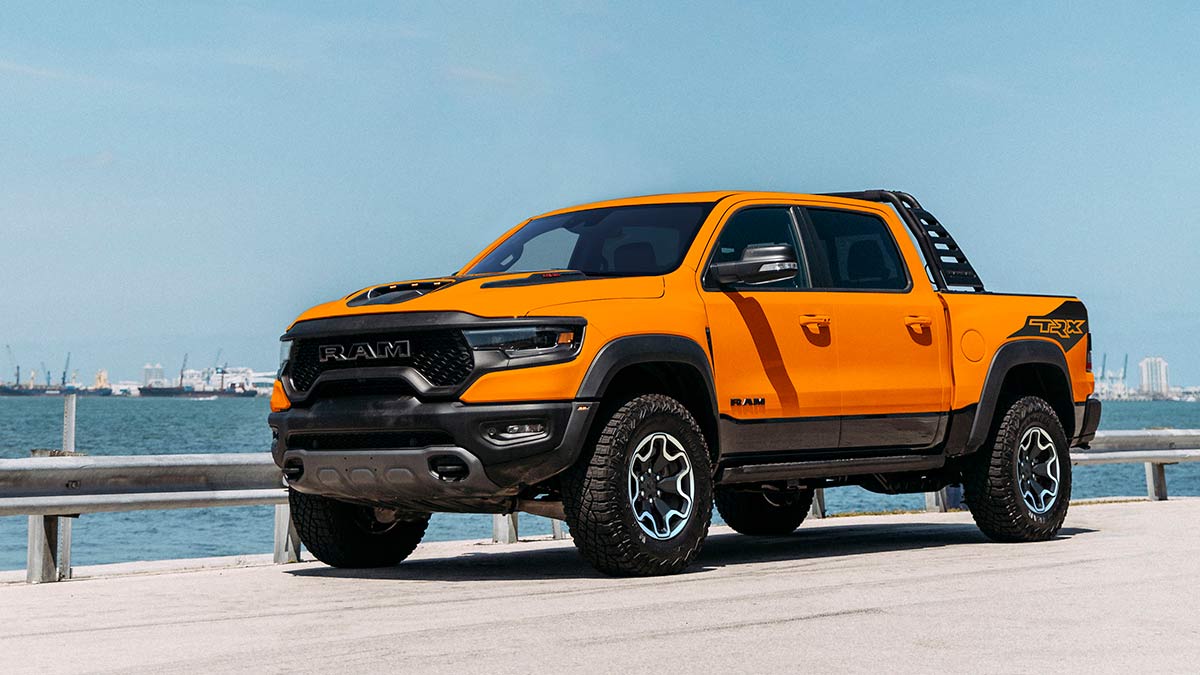
Pickup trucks are built for hard work. They haul heavy loads, endure rough terrain, and face the harshest weather conditions imaginable.
One of the most debated topics among truck enthusiasts is the type of bed material used in modern pickups. The truck bed takes the most punishment of any part of the vehicle. It faces constant abuse from cargo, tools, moisture, and road debris every single day.
Rust is the silent enemy of every pickup truck owner. It eats through steel quietly and steadily, reducing the structural integrity of the bed over time. Composite and polymer beds were introduced to solve this exact problem. They offer rust-free performance that steel simply cannot match in certain conditions.
However, steel beds have their own loyal following. They are strong, repairable, and time-tested across decades of truck manufacturing. Many professionals and tradespeople still prefer steel for its raw toughness and weldability. The debate between composite and steel beds is not simple. Both materials offer real advantages depending on how you use your truck.
This article breaks down eight popular pickups with composite beds and eight with traditional steel beds. Each truck is examined in detail so you can make an informed decision. Whether you prioritize rust resistance or raw strength, this guide has you covered.
8 Pickups With Composite Beds That Never Rust
These exceptionally engineered vehicles feature cargo beds manufactured from advanced composite materials or aluminum alloys that are inherently corrosion-resistant, eliminating the rust-through failures that plague traditional steel beds while maintaining durability for demanding work applications throughout extended ownership periods in harsh environments.
Their thoughtful engineering includes composite bed floors with integrated structure eliminating seams where moisture accumulates, UV-resistant material formulations that prevent degradation from constant sun exposure, and mounting systems using stainless or coated fasteners that won’t corrode and stain surrounding materials.
1. Ram 1500
The Ram 1500 is one of the most innovative pickups on the market today. It features a composite bed that has completely changed how truck owners think about cargo storage. Ram introduced its composite bed construction to eliminate the rust problems that plagued older steel-bed trucks. The material used is a tough, injection-molded composite that resists dents, scratches, and corrosion simultaneously.
The bed walls on the Ram 1500 are thick and highly impact-resistant. They absorb energy from shifting cargo without cracking or warping under pressure. One of the standout features is the optional RamBox storage system. These are lockable, weatherproof storage compartments built directly into the bed rails on both sides.
The composite surface does not require a spray-in liner for basic protection. It already comes with a textured finish that grips cargo and prevents sliding. The floor of the bed is ribbed for drainage and airflow underneath heavy loads. This design keeps moisture from sitting on the surface and damaging anything stored inside.
Ram engineered the bed to handle payloads of up to 2,300 pounds without issue. The composite material distributes weight evenly across the floor structure. Unlike steel beds, this composite does not transfer cold temperatures to your cargo in winter. It acts as a mild insulator, which is surprisingly useful during freezing weather conditions.
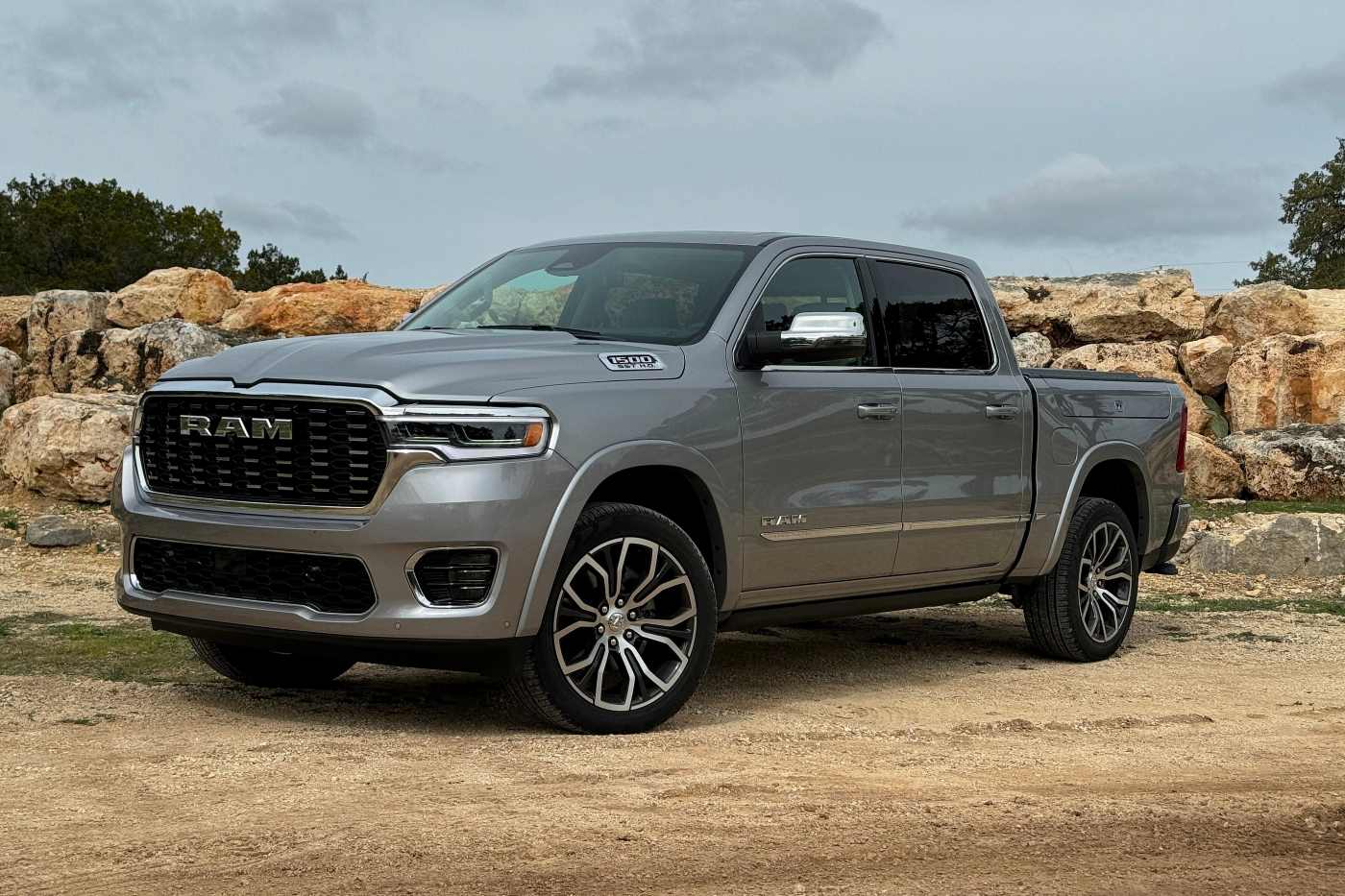
The Ram 1500 composite bed also resists UV degradation from prolonged sun exposure. It maintains its color and structural integrity even after years of outdoor use. Owners in coastal areas particularly appreciate this feature because salt air destroys steel beds rapidly. With a Ram 1500, you never have to worry about rust forming along the bed walls or floor.
The maintenance on this bed is extremely low. A simple rinse with water removes most dirt and grime effectively. There is no need for annual rust treatments or bed liner reapplication over time. The Ram 1500 composite bed is genuinely one of the best long-term investments in the full-size truck segment today.
2. Ford F-150
The Ford F-150 made history in 2015 when it switched to an all-aluminum body and bed. This was one of the boldest engineering decisions in modern truck manufacturing history. Ford used military-grade aluminum alloy, specifically 6000-series aluminum, throughout the body and bed structure. The result was a truck that shed hundreds of pounds while becoming more resistant to rust and corrosion.
Aluminum does not rust the way steel does. It oxidizes, but this oxidation forms a protective layer that actually prevents deeper corrosion. This means the F-150 bed will never develop the deep, structural rust that destroys steel truck beds over time. Ford backed this material choice with extensive real-world testing in extreme environments.
The bed of the F-150 is available in multiple configurations and lengths. You can choose from a 5.5-foot, 6.5-foot, or 8-foot bed depending on your hauling needs. Each size maintains the same aluminum construction throughout. The payload capacity remains competitive at over 2,000 pounds on properly equipped models.
Ford also added a BoxLink cargo management system to the aluminum bed. This system uses anchor points built into the bed floor and sides for securing loads. The aluminum surface is treated and coated to prevent scratching from everyday use. Optional spray-in liners are available but are not necessary for corrosion protection.
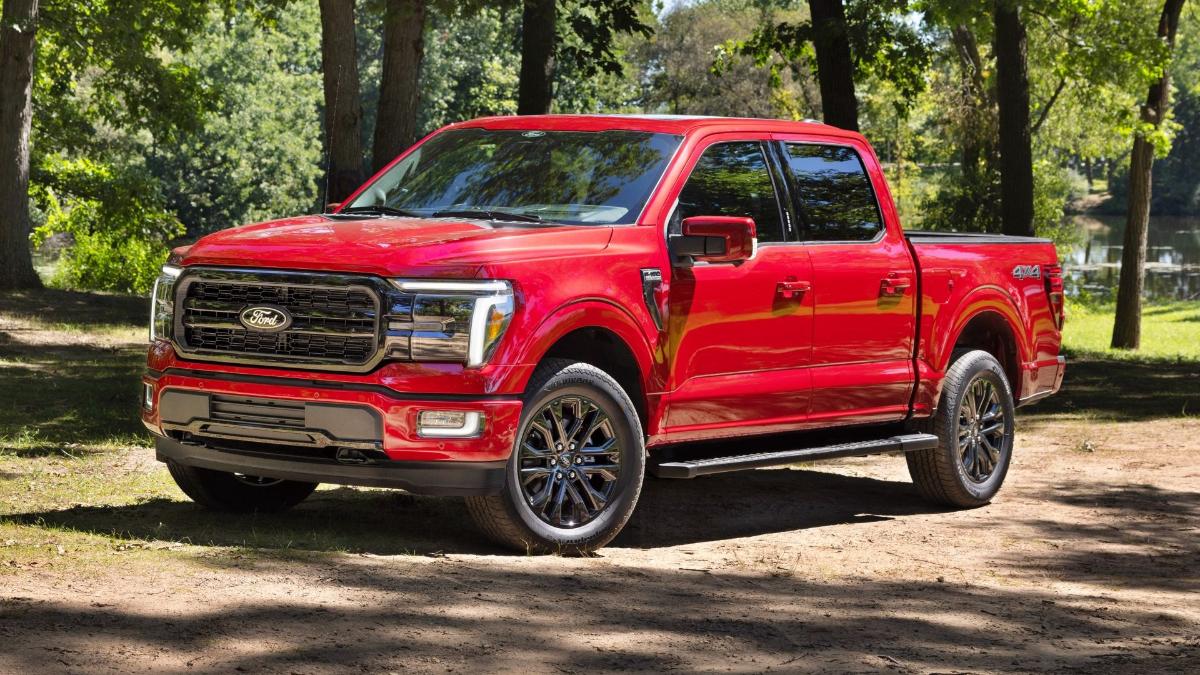
The aluminum bed handles weather beautifully in all four seasons. It does not absorb heat the way steel does, keeping the bed cooler in summer months. In winter, it resists the corrosive effects of road salt far better than any steel bed. Truck owners in northern states have praised the F-150 for its long-term durability in salt-heavy road conditions.
Repair costs for aluminum were initially a concern when the F-150 launched. However, Ford expanded its certified repair network significantly to address this issue. Today, aluminum bed repairs are straightforward at any certified Ford dealership. The long-term rust savings far outweigh any repair cost differences compared to traditional steel.
3. Chevrolet Silverado EV
The Chevrolet Silverado EV represents the next generation of electric pickup trucks. It features an advanced carbon-fiber-reinforced composite bed that sets new standards for durability. General Motors designed this bed specifically for the demands of electric truck ownership. The composite construction keeps the vehicle weight low, which is critical for maximizing electric range.
Carbon-fiber composites are among the strongest materials used in automotive manufacturing today. They are lighter than steel but significantly stronger pound for pound in many applications. The Silverado EV bed uses this material to create a surface that resists impacts, scratches, and corrosion simultaneously. There is simply no steel present in the bed structure to develop rust over time.
The bed is spacious and designed with the modern truck owner in mind. It features a midgate system that extends the cargo area dramatically when the rear seat is folded down. This gives the Silverado EV one of the most versatile cargo configurations of any pickup on the market. The composite walls allow for thinner construction while maintaining structural strength throughout.
GM integrated multiple charging outlets directly into the bed of the Silverado EV. These outlets allow owners to power tools, equipment, and devices directly from the truck’s battery. The composite bed surface surrounds these outlets without any risk of rust compromising the electrical connections. This is a significant practical advantage over steel-bed trucks in wet working environments.
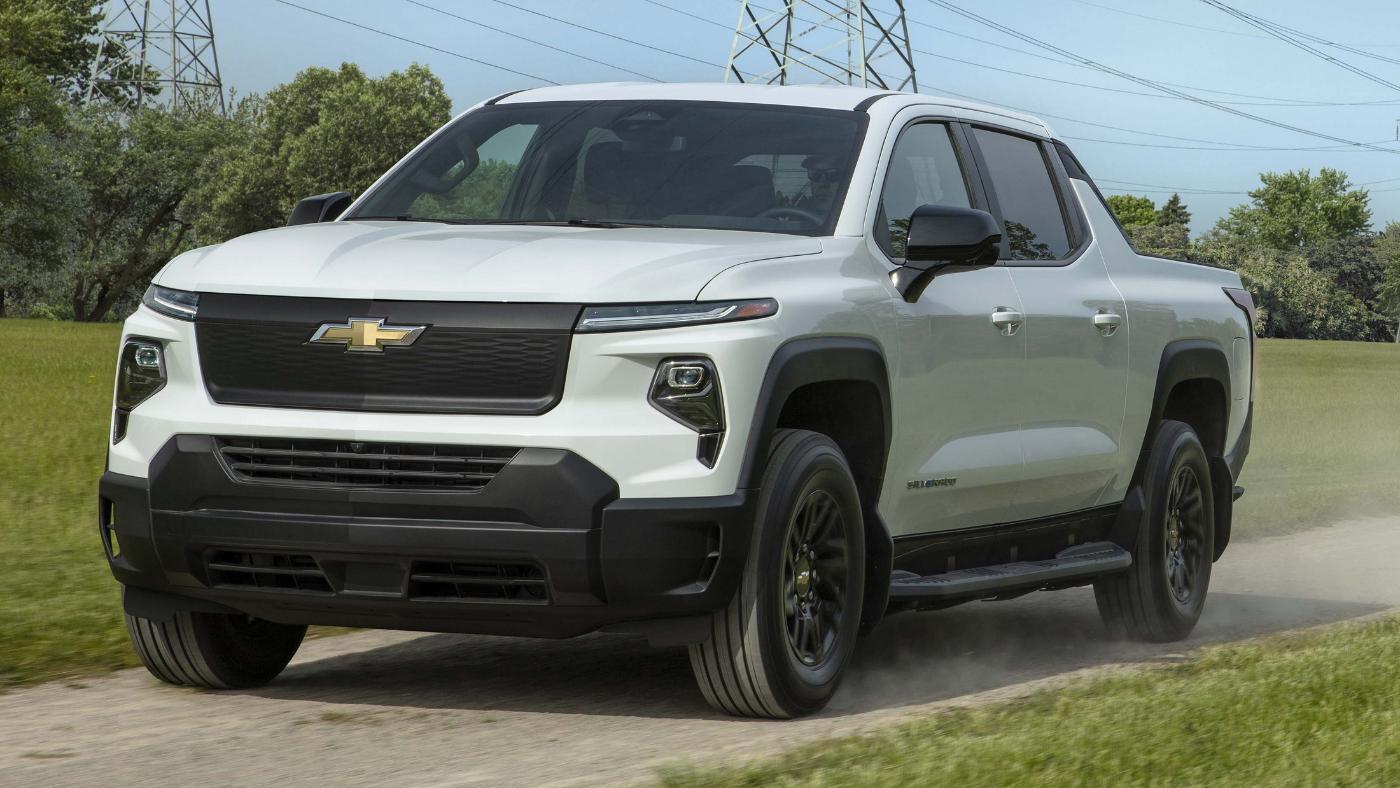
The Silverado EV bed also features a power-retractable tonneau cover as standard equipment. This cover seals the composite bed completely and protects cargo from rain and debris. The integration between the cover and the bed is seamless because both components are designed together. Steel-bed trucks often have fitment gaps with aftermarket covers that allow moisture intrusion.
Long-term ownership costs for the Silverado EV bed are remarkably low. There are no rust treatments, no liner replacements, and no corrosion repairs needed over time. The composite material holds up in coastal climates, snowy regions, and desert heat equally well. This makes the Silverado EV an excellent choice for truck owners who demand reliability across all environments.
4. Honda Ridgeline
The Honda Ridgeline has always taken a unique approach to pickup truck design. Its composite bed is one of the most thoughtfully engineered cargo areas in the midsize truck segment. Honda uses a tough composite material that is fully integrated into the unibody frame structure. This integration creates a bed that is both rust-proof and structurally connected to the vehicle’s core.
The Ridgeline’s bed features Honda’s famous In-Bed Trunk system. This is a lockable, weatherproof storage compartment built beneath the bed floor. The composite construction makes this trunk completely waterproof and resistant to rust from the inside and outside. It holds up to 7.3 cubic feet of gear, tools, or valuables securely out of sight.
The bed also features a dual-action tailgate that opens in two different ways. It swings out like a door or drops down like a traditional tailgate for maximum convenience. The composite material around the tailgate hinge points does not corrode, ensuring smooth operation for the life of the truck. Steel tailgate hinges on competitors often become stiff and rusty after a few winters.
Honda designed the composite bed floor with a slight slope toward the tailgate for drainage. This means water, mud, and debris naturally flow out when the tailgate is opened. The textured surface provides excellent grip for cargo and work boots alike. There is no need for a rubber mat or spray liner to make the bed functional and safe.
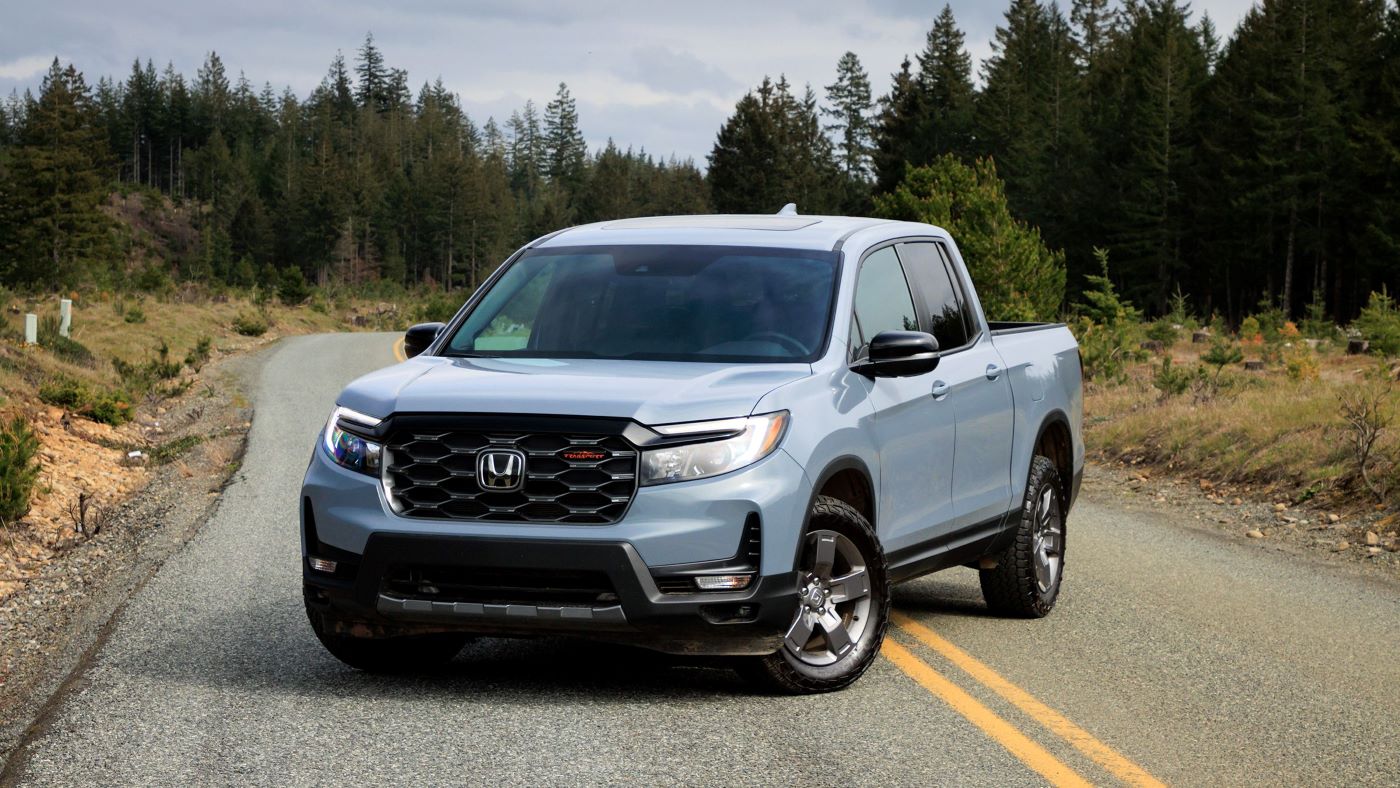
The Ridgeline’s composite bed handles the midsize payload rating of around 1,500 pounds with ease. The material does not flex excessively under heavy loads, maintaining a flat, stable surface. For landscapers, contractors, and weekend adventurers, this bed offers outstanding practical value. It simply works day after day without demanding any special maintenance or care.
Resale values for the Ridgeline remain strong thanks in part to the durable composite bed. Buyers in the used truck market know the bed will look and perform like new regardless of age.
A steel-bed competitor with the same mileage will often show rust and wear that reduces its value significantly. The Ridgeline’s composite construction is a genuine long-term financial advantage for truck owners.
Also Read: 10 Indicators Your Tires Are Too Old Even if the Tread Is Deep
5. Rivian R1T
The Rivian R1T is the electric adventure truck that changed expectations for what a pickup could be. Its bed is constructed from aerospace-grade composite materials that deliver extraordinary strength and zero rust potential. Rivian engineered every component of the R1T with durability and weight savings in mind. The composite bed plays a central role in achieving both of these goals simultaneously.
The R1T’s bed is relatively compact compared to traditional full-size trucks. However, it is brilliantly designed to maximize every inch of available space. The composite walls are thinner than steel but just as strong, creating more usable interior width. Rivian added a pass-through gear tunnel beneath the bed that adds significant additional storage capacity.
The gear tunnel is fully enclosed and lined with composite material throughout. It runs the full width of the truck and can hold camping gear, tools, or equipment securely. The tunnel is weatherproof and completely sealed against moisture, mud, and dust. This design would be impossible to execute with a steel bed due to weight and rust concerns.
Rivian also engineered the tailgate to fold flat and lock at multiple angles. The composite construction allows for this mechanical complexity without adding corrosion risk. The tailgate surface can support a person’s weight for use as a step or seat. Steel tailgates with multiple pivot points often develop rust at the hinge mechanisms over time.
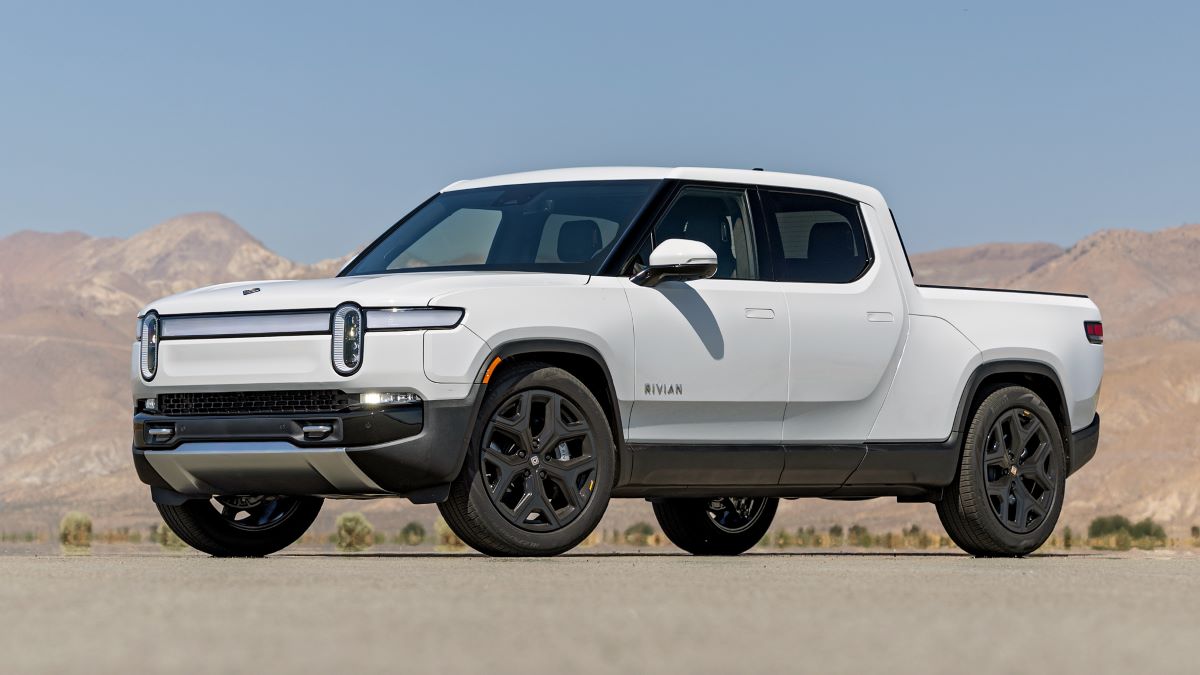
The R1T bed performs exceptionally well in off-road environments where mud and water are constant. The composite material sheds mud cleanly and requires only a quick rinse to look pristine. Off-road enthusiasts who take their trucks through rivers and muddy trails particularly appreciate this quality. A steel bed in similar conditions would require frequent rust treatment to maintain its integrity.
Rivian owners report that the composite bed looks essentially new even after years of hard use. The material does not fade, crack, or degrade under UV exposure or temperature extremes. This long-term visual and structural integrity is a defining feature of the R1T ownership experience. It reinforces Rivian’s commitment to building trucks that last a generation without significant maintenance.
6. GMC Sierra EV
The GMC Sierra EV brings premium electric truck technology together with an advanced composite bed system. GMC’s engineers developed the MultiPro tailgate system specifically for this composite bed platform.
The tailgate alone has six different functional configurations that steel beds cannot easily replicate. This mechanical sophistication is made possible by the composite material’s dimensional stability and corrosion resistance.
The Sierra EV composite bed is wide, flat, and designed for serious work applications. It offers a payload capacity that competes directly with traditional gasoline-powered half-ton trucks.
The composite floor distributes loads evenly and resists permanent deformation under heavy equipment. GMC reinforced the bed floor with internal structural ribs that are invisible from the surface.
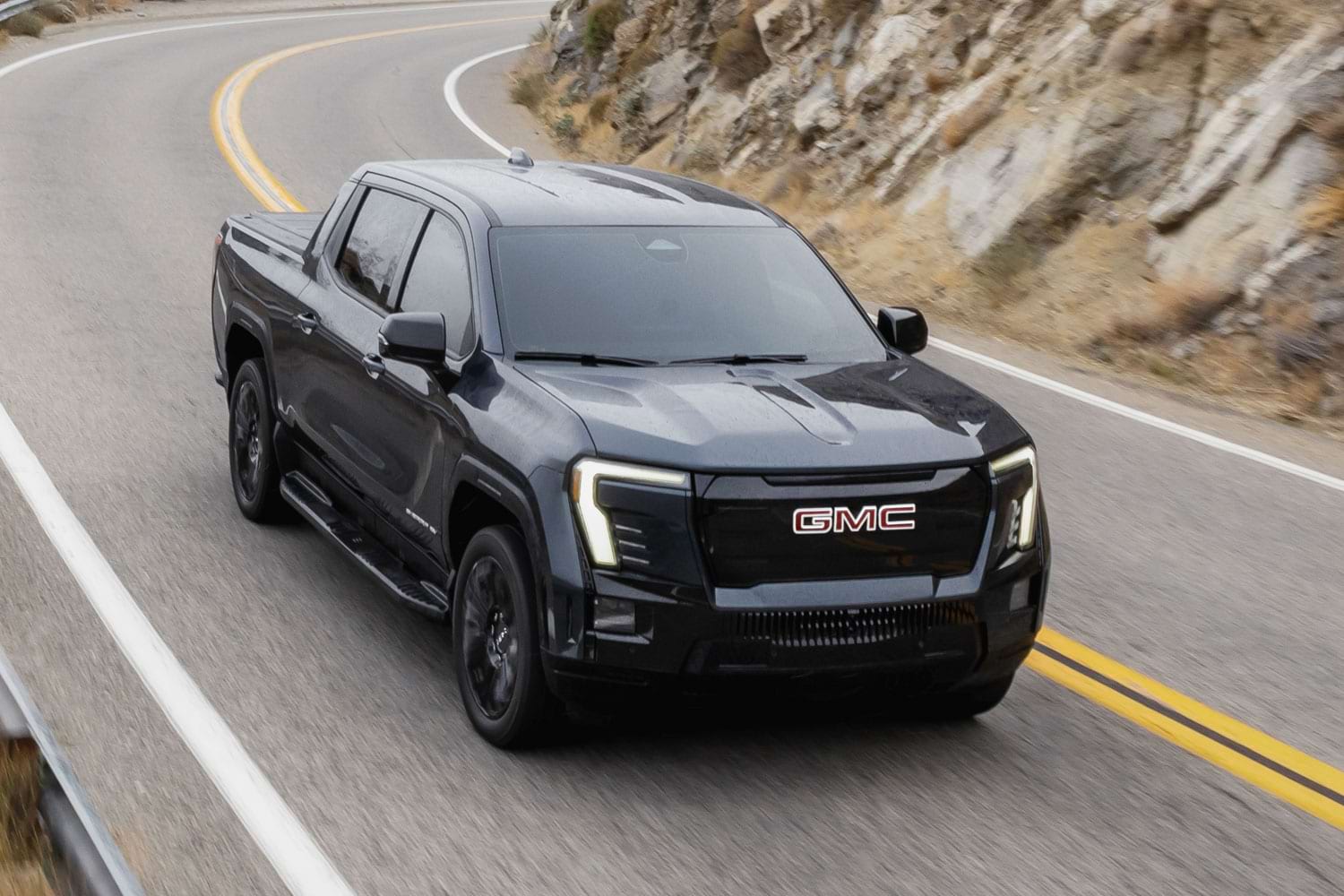
The MultiPro tailgate includes an inner gate that swings open independently for easy access. It also features a step that folds out for climbing into the bed without a ladder. All of these moving parts are built from composite and corrosion-resistant metals. They will never seize up due to rust, even after years of exposure to rain and road salt.
GMC designed the Sierra EV composite bed with aesthetics as well as function in mind. The surface has a premium dark finish that resists fading and maintains a professional appearance. Fleet managers and business owners appreciate a truck that looks sharp on job sites and client visits. The Sierra EV composite bed delivers both performance and professional image in one well-engineered package.
7. Lordstown Endurance
The Lordstown Endurance was designed from the ground up as a commercial electric work truck. Its polymer composite bed is engineered specifically for fleet and commercial applications. Lordstown prioritized durability and low maintenance costs when selecting the bed material. The result is a bed that can withstand years of daily commercial use without developing rust or corrosion.
The Endurance composite bed is designed to handle the constant loading and unloading that commercial fleets demand. Its surface resists impact from tools, equipment crates, and pallets that are dropped rather than placed. The polymer material absorbs energy without cracking or permanently deforming under repeated stress. This resilience dramatically reduces the bed repair and replacement costs that fleets typically budget for annually.
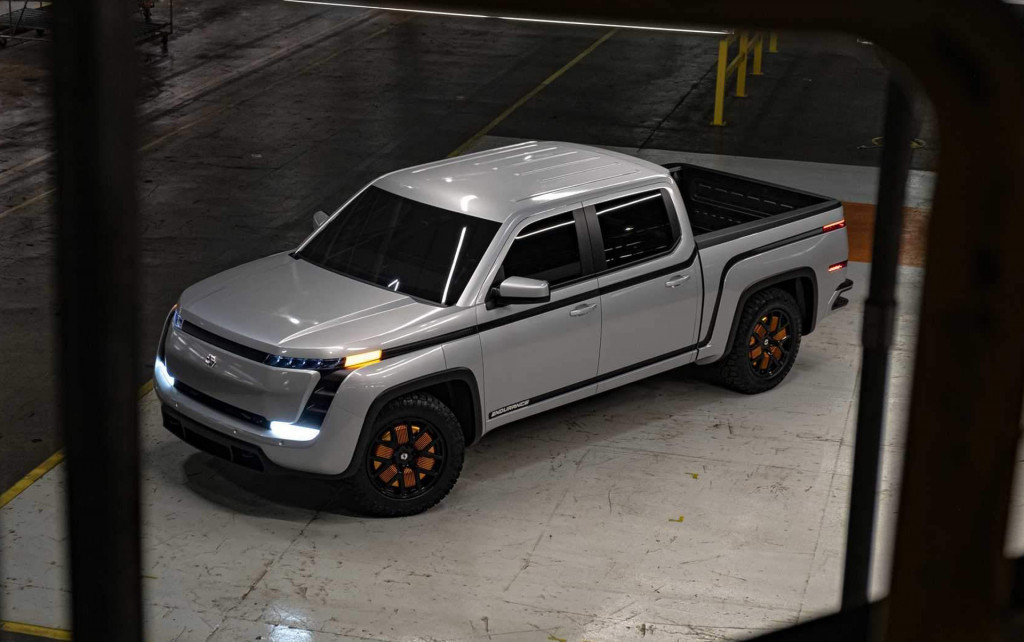
Fleet managers who have evaluated the Endurance note the significant reduction in total cost of ownership. Traditional steel-bed work trucks require rust treatment, liner replacement, and eventual bed replacement over their service life. The polymer composite bed of the Endurance eliminates virtually all of these recurring expenses. This translates to meaningful savings across a fleet of ten, twenty, or fifty vehicles over time.
The Lordstown Endurance may not have the widespread consumer recognition of Ford or Ram, but it serves a critical commercial niche. Its polymer composite bed is purpose-built for the demands of commercial work environments. Fleets that have adopted the Endurance consistently report lower maintenance costs and higher uptime than comparable diesel work trucks. The composite bed is central to this impressive performance record.
8. Canoo Lifestyle Vehicle Pickup
The Canoo Lifestyle Vehicle Pickup takes a completely fresh approach to the pickup truck format. Its modular composite bed is designed to be reconfigured for different tasks and applications.
Canoo engineers built the bed from lightweight composite panels that can be removed and replaced as needed. This modularity makes the Canoo unlike any other pickup truck currently available on the market.
The composite panels are UV-stable and fully resistant to all forms of corrosion and moisture damage. Each panel is independently mounted, meaning that damage to one section does not compromise the entire bed.
A fleet operator can replace a single damaged panel without replacing the entire bed structure. This reduces repair costs dramatically compared to welded steel bed systems on conventional trucks.
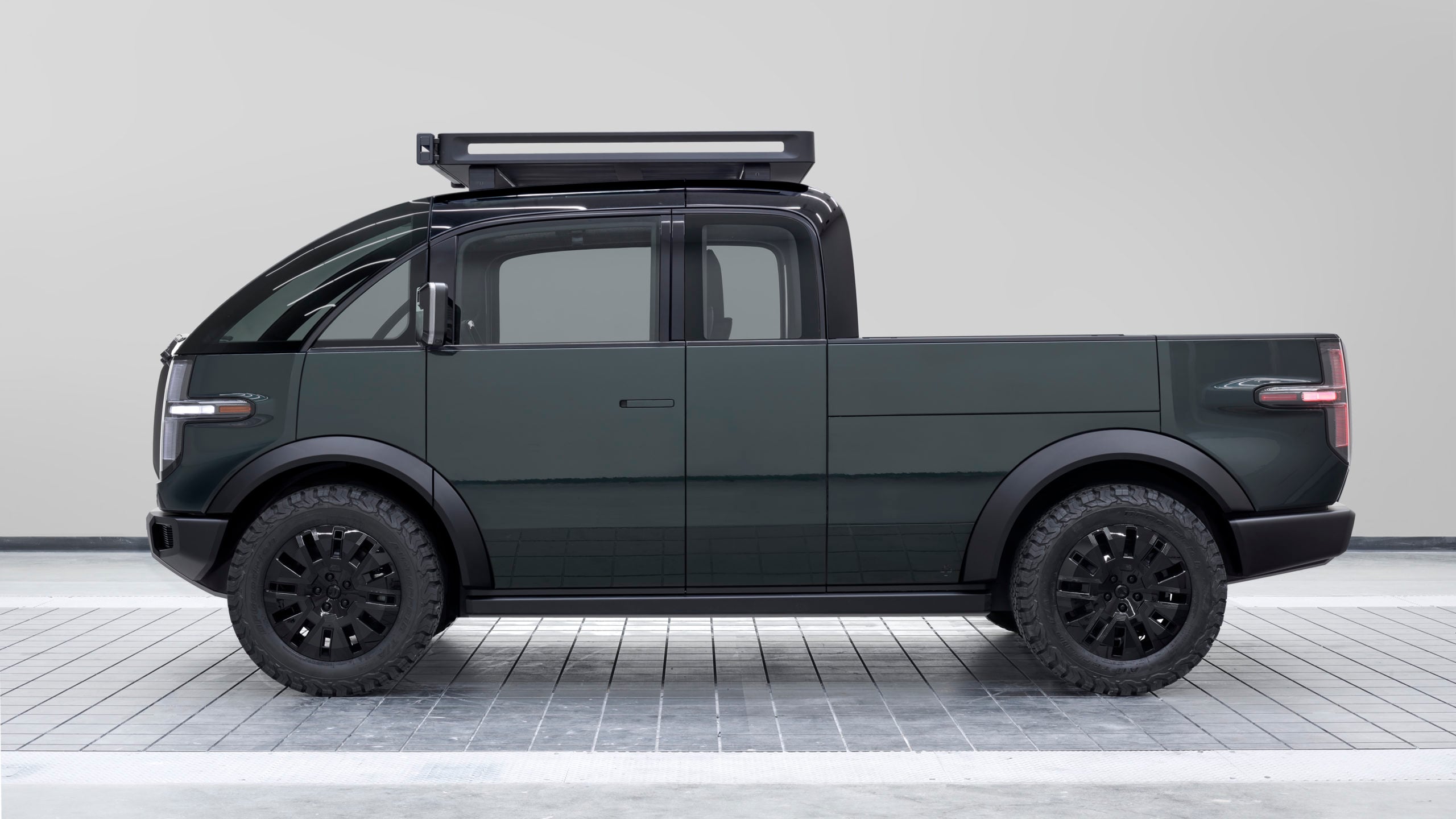
The modular design also allows for specialized inserts and accessories to be fitted directly into the bed. Refrigerated modules, tool storage systems, and equipment racks can all be integrated into the composite bed framework. These accessories lock positively into the composite structure without drilling or permanent modification. This flexibility is a significant advantage for businesses that use their trucks for multiple different purposes.
The Canoo Lifestyle Vehicle Pickup is still establishing itself in the commercial and consumer markets. However, its modular composite bed represents a genuine leap forward in truck bed design philosophy. The combination of rust immunity, modularity, and integrated technology sets a new standard. Future pickup trucks from all manufacturers will likely incorporate lessons learned from the Canoo’s innovative approach.
8 Pickups With Steel Beds
These traditional vehicles feature cargo beds manufactured from painted steel that inevitably develops corrosion issues despite protective coatings, with rust forming at drain holes, tailgate seams, and stake pocket mounting points before spreading and perforating bed floors creating expensive repair requirements that dramatically reduce resale values throughout ownership in environments with moisture and road salt exposure.
Their conventional engineering includes steel bed construction with drainage systems that trap moisture and debris accelerating corrosion, paint finishes that chip from cargo abrasion exposing bare metal to oxidation, and mounting hardware using dissimilar metals that create galvanic corrosion at contact points.
1. Ford F-150 (Base Trim Steel Bed Models)
While the F-150 is famous for its aluminum body, base trim models in specific fleet configurations still use high-strength steel beds. These models are popular with government fleets, construction companies, and buyers who prioritize repairability above all else. Ford’s high-strength steel bed is robust and proven across millions of working trucks worldwide. It offers straightforward durability that many professional users trust without hesitation.
The steel bed on base F-150 models is built from stamped high-strength steel panels. These panels are thick enough to handle heavy loads and resist permanent deformation under normal use. The steel construction allows for welded repairs at any body shop across the country. This universal repairability is a significant practical advantage in areas where specialized aluminum repair shops are scarce.
Ford applies multiple layers of corrosion protection to the steel bed during manufacturing. This includes phosphate coating, primer, and a topcoat that resists rust penetration. However, once the surface is scratched or chipped, the underlying steel begins to rust immediately. Owners who work their trucks hard typically add a spray-in liner within the first few months of ownership.
Rust management is the primary ongoing cost associated with the steel F-150 bed. Owners in northern states must treat their beds annually to combat road salt corrosion. Spray-in liners, rust inhibitor sprays, and occasional touch-up paint are standard maintenance items. Despite these costs, many professional users consider the steel bed’s value proposition to be entirely acceptable for their needs.
2. Chevrolet Silverado 1500
The Chevrolet Silverado 1500 uses a rolled high-strength steel bed that is beloved by working truck owners. GM has refined this steel bed design through decades of real-world use and customer feedback. The result is a tough, functional bed that meets the needs of farmers, contractors, and tradespeople reliably. Silverado’s steel bed is available in multiple lengths to accommodate different hauling requirements.
The bed floor is stamped with longitudinal ribs that add stiffness without adding weight. These ribs also create channels that allow water and debris to drain toward the tailgate. The steel construction allows owners to install aftermarket stake racks, headache racks, and cargo slides with simple hardware. This accessory compatibility is one of the most appreciated features of the Silverado’s traditional steel bed.
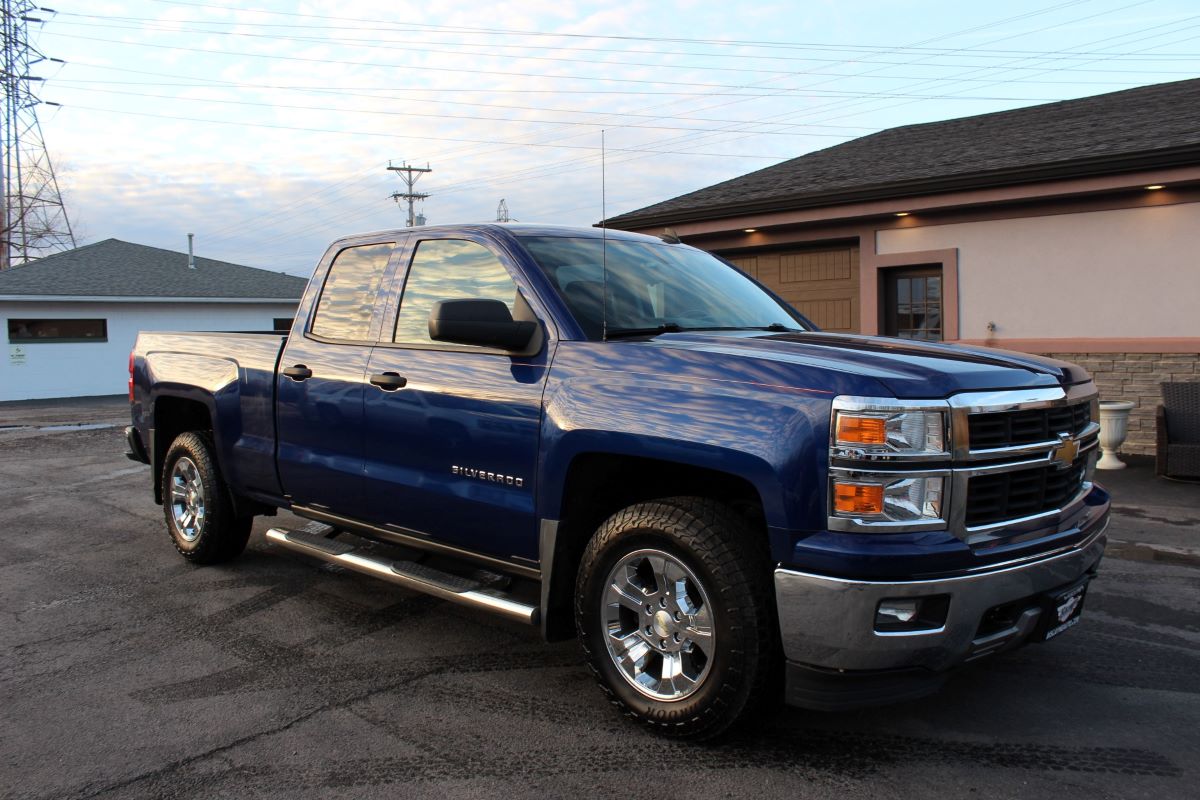
Chevrolet applies a corrosion-resistant coating to the steel bed during production. This coating provides adequate protection for average use in mild climates. However, in harsh winter environments with heavy road salt exposure, the coating degrades within a few years. Most Silverado owners in cold climates add a spray-in liner immediately after purchase to extend the bed’s life.
Long-term rust management is the Silverado steel bed’s greatest challenge in harsh environments. Surface rust typically begins to appear along the bed floor ribs and lower sidewalls after several years.
Annual treatment with rust inhibitor and regular inspection under the bed help extend its service life. Despite this ongoing maintenance requirement, the Silverado steel bed remains one of the most trusted in the industry.
3. GMC Sierra 1500
The GMC Sierra 1500 shares its platform with the Silverado but adds unique features to its steel bed. The most distinctive is the CornerStep bumper system, which integrates a step into the rear bumper corners. This clever addition makes it dramatically easier to access the steel bed from either side. The step itself is made from corrosion-resistant material, though the surrounding steel structure requires standard rust management.
Sierra’s steel bed is finished with GMC’s MultiPro tailgate, which offers six different configurations for loading and access. The tailgate mechanism is robust and designed to handle thousands of open-close cycles reliably. The steel construction of the tailgate allows for the installation of heavy tailgate assist systems. These systems use gas cylinders to control the lowering speed and prevent slamming damage.
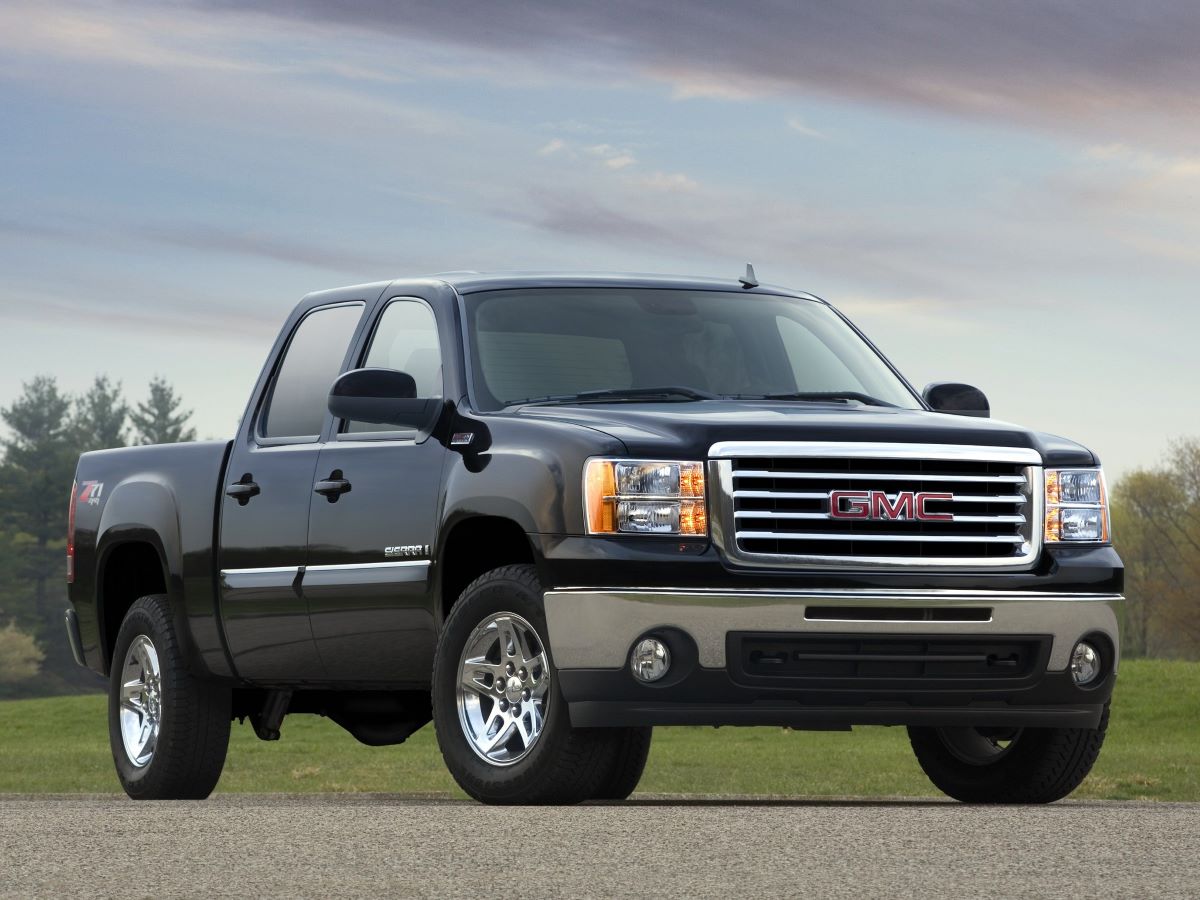
The Sierra’s steel bed is available in short, standard, and long configurations. Each configuration offers excellent compatibility with standard-size lumber, pipe, and construction materials. The bed rails feature multiple tie-down points that accept standard D-ring anchors and hook systems. Contractors and builders who need secure load management find the Sierra’s bed layout extremely practical.
Resale values for the Sierra 1500 remain strong despite the rust challenges associated with steel beds. Buyers in the used truck market understand that a well-maintained Sierra with a lined steel bed holds up well. Regular maintenance and rust treatment can keep a Sierra bed looking acceptable for ten years or more. This durability makes the Sierra a sensible long-term investment for buyers who maintain their vehicles diligently.
4. Ram 2500
The Ram 2500 Heavy Duty uses a purpose-built steel bed designed for serious commercial and agricultural work. This is not a mild-duty bed with light-gauge steel and cosmetic features. Ram engineers built the 2500 bed from thick, heavy-gauge steel that handles extreme payloads without complaint. It is the kind of bed that farmers, ranchers, and construction crews choose when the work is genuinely demanding.
The Ram 2500 bed floor is substantially thicker than what you find in half-ton trucks. This extra thickness provides resistance to dents and deformation when heavy equipment is loaded into the bed. The steel can handle point loads from skid-steer buckets, engine blocks, and heavy machinery components. Composite beds in this weight class would risk cracking under the same extreme point-load conditions.
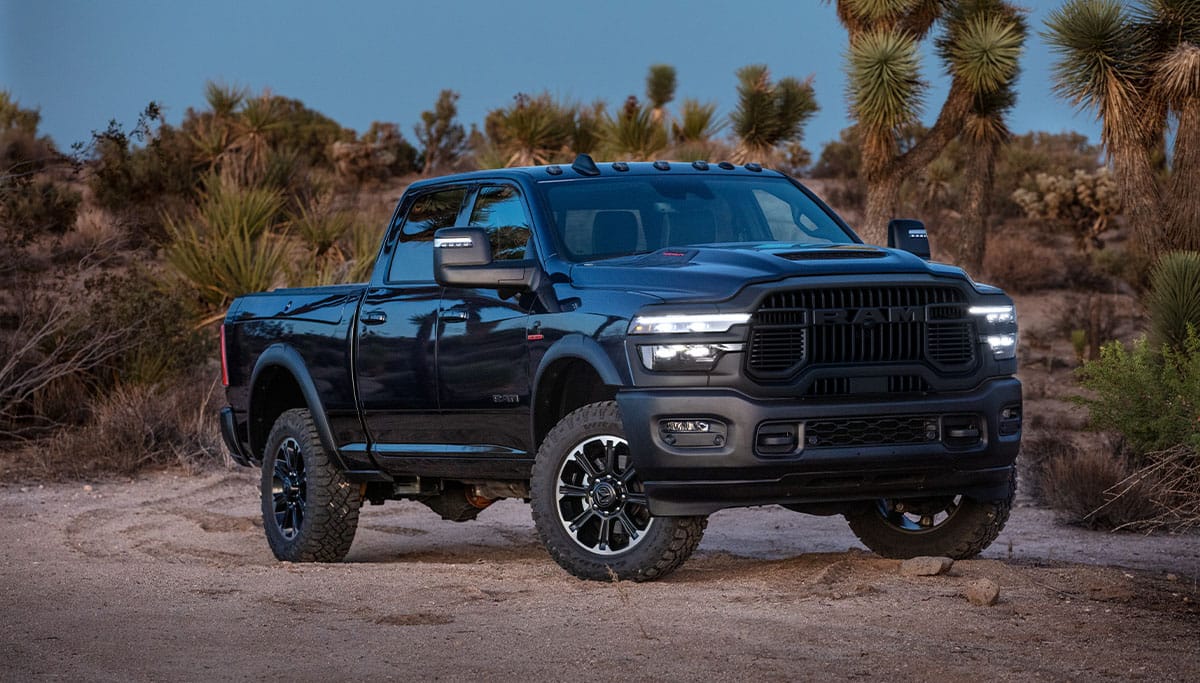
Ram reinforces the 2500 bed corners and sidewall joints with additional steel welds. These reinforced joints handle the stress of heavy towing setups without flexing or cracking over time.
Gooseneck hitch installations are straightforward because fabricators can weld directly to the thick steel floor. Fifth-wheel installations also benefit from the steel’s ability to accept welded mounting plates securely.
Despite the rust management requirements, the Ram 2500 steel bed remains the industry standard for heavy-duty work. Its reputation for toughness is built on decades of real-world performance in the most demanding conditions.
Farmers, oilfield workers, and construction contractors consistently return to the Ram 2500 because it simply performs when the stakes are highest. The steel bed is central to this legendary reputation for durability and reliability.
5. Toyota Tundra
The Toyota Tundra uses a distinctive double-swept bed design that sets it apart visually from American truck competitors. The bed’s curved sidewalls are crafted from high-strength steel with Toyota’s signature attention to quality and fit. The Tundra bed is available in 5.5-foot and 6.5-foot configurations to suit different use cases. Toyota’s manufacturing precision means the steel panels fit together with tighter tolerances than many competitors.
The Tundra’s steel bed features a composite bed floor as a hybrid approach to rust prevention. The floor itself is a tough composite panel while the surrounding walls remain high-strength steel. This hybrid design protects the bed floor, which takes the most abuse, while retaining steel’s structural benefits. The composite floor does not rust, dent, or require a liner for basic protection.
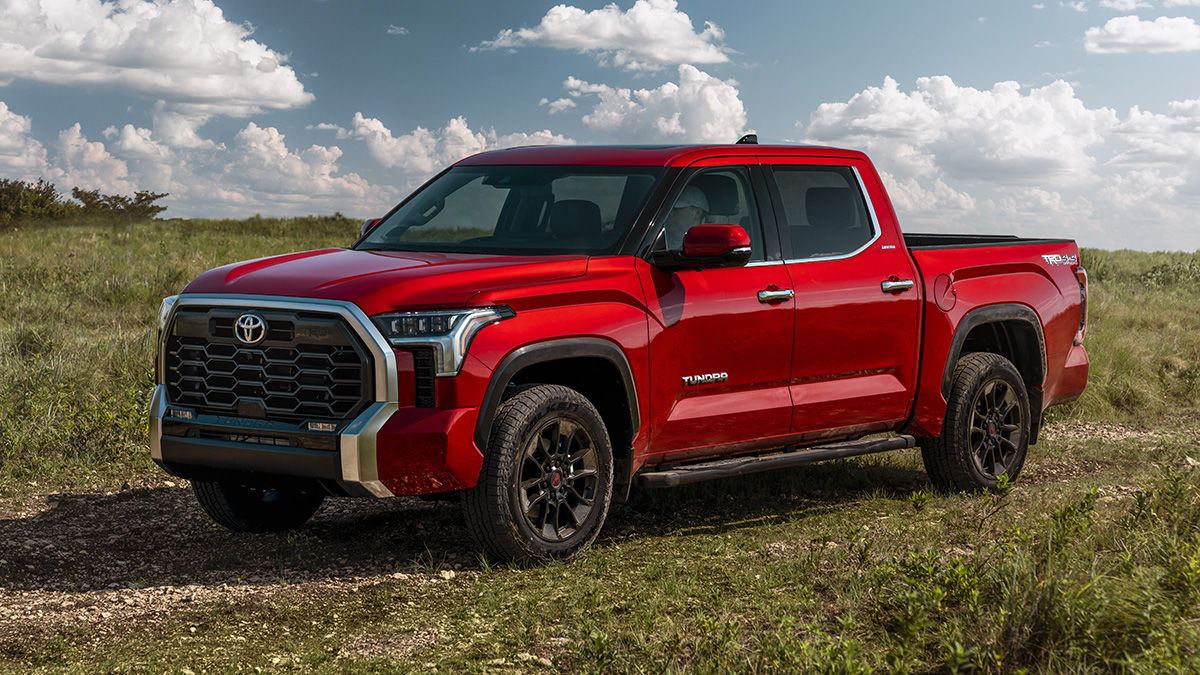
Toyota applied extensive anti-corrosion treatment to the Tundra’s steel bed walls and structural components. The inner bed walls are coated with a rubberized undercoating that resists moisture penetration effectively.
Drain plugs in the composite floor allow water to escape rather than pool and accelerate rust. This thoughtful design extends the Tundra bed’s service life significantly compared to fully steel beds on competitors.
The Tundra steel bed is well-suited for the truck’s strong towing and payload capabilities. Properly equipped Tundras can tow over 12,000 pounds and carry payloads exceeding 1,900 pounds.
The steel bed’s contribution to structural rigidity is essential for safe operation at these high capacities. Buyers who need genuine heavy-duty performance will find the Tundra’s steel bed a trustworthy foundation.
6. Nissan Titan
The Nissan Titan features a steel bed with the company’s proprietary Utili-Track channel system integrated into the rails and floor. This channel system allows owners to position tie-down cleats anywhere along the track length. The flexibility this provides for load management is genuinely impressive compared to fixed tie-down systems. The steel construction of the bed makes this rail system extremely robust under heavy load forces.
The Titan’s steel bed is coated with a factory bedliner on higher trim levels. This factory liner provides excellent scratch and abrasion resistance for everyday cargo use. The liner’s coverage extends up the sidewalls and over the rails to protect the most vulnerable corrosion points. Owners who purchase base trims without the factory liner should add an aftermarket liner promptly.
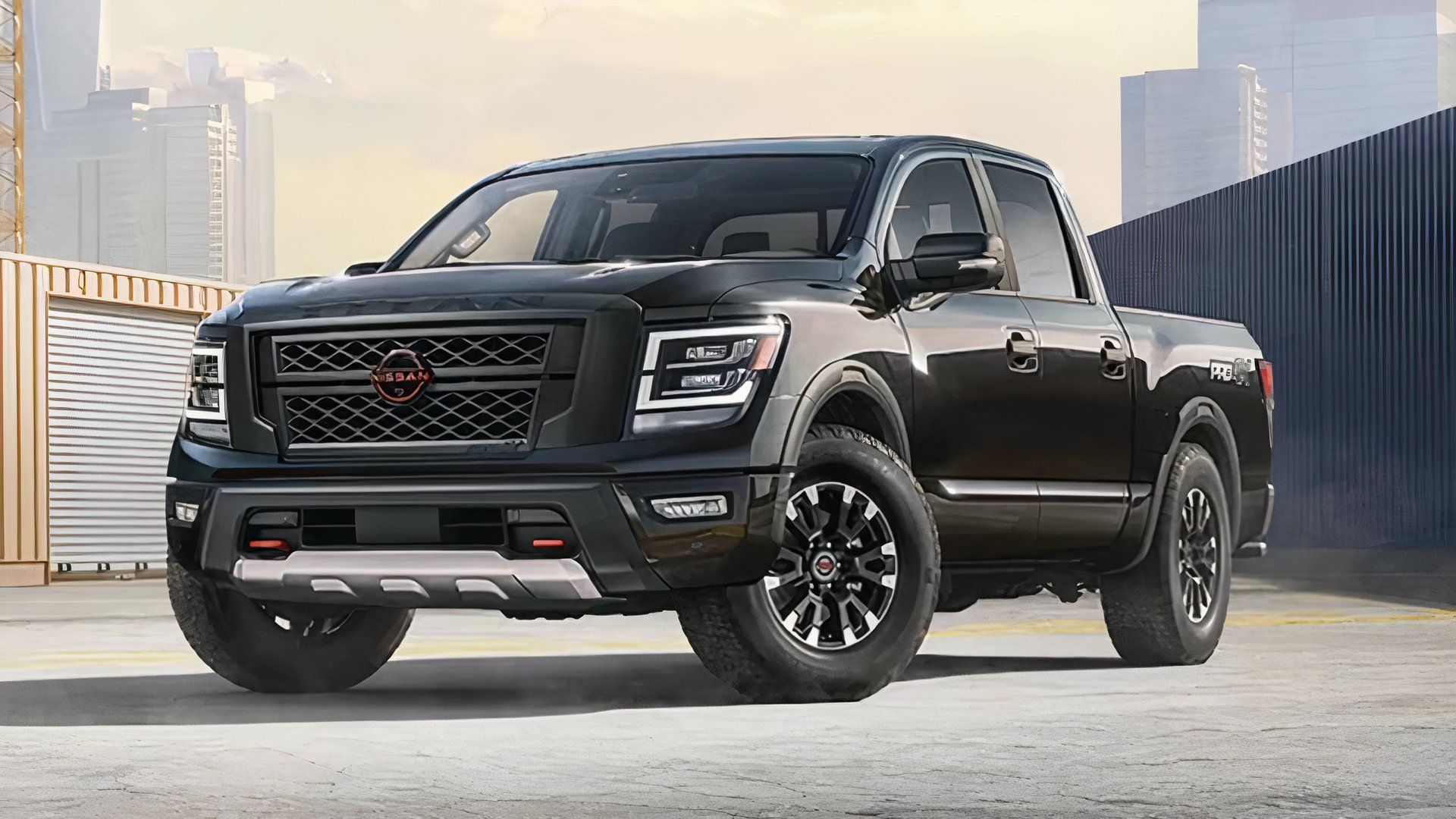
Nissan designs the Titan bed for compatibility with the full range of Nissan accessories. Toolboxes, bed extenders, and cargo dividers all fit the Titan bed’s dimensions precisely. The steel construction allows for direct bolt-on of heavy accessory systems without reinforcement concerns. This accessory ecosystem adds practical value for owners who configure their trucks for specific work applications.
The Nissan Titan offers solid value for buyers who want a reliable steel bed truck without the premium price of domestic competitors. Its Utili-Track system is one of the most user-friendly cargo management solutions in the midsize and full-size truck segment.
The steel bed’s repairability and accessory compatibility make it a practical choice for working truck buyers. Titan owners consistently report satisfaction with the bed’s real-world performance across a variety of work applications.
7. Ford F-250 Super Duty
The Ford F-250 Super Duty carries one of the most respected steel beds in the entire truck industry. Ford engineers designed this bed specifically for the extreme demands of Super Duty work applications. The steel is heavier gauge than what you find in any half-ton truck bed on the market. This extra material thickness provides resistance to the extreme loads and stresses that F-250 owners routinely apply.
The F-250 bed is available in multiple lengths and configurations to suit different work scenarios. Contractors can choose short beds for maneuverability or long beds for maximum cargo capacity.
The steel construction allows for easy installation of service bodies, flatbeds, and dump inserts. These work-specific modifications are the primary reason many commercial buyers choose the F-250 over any composite-bed alternative.
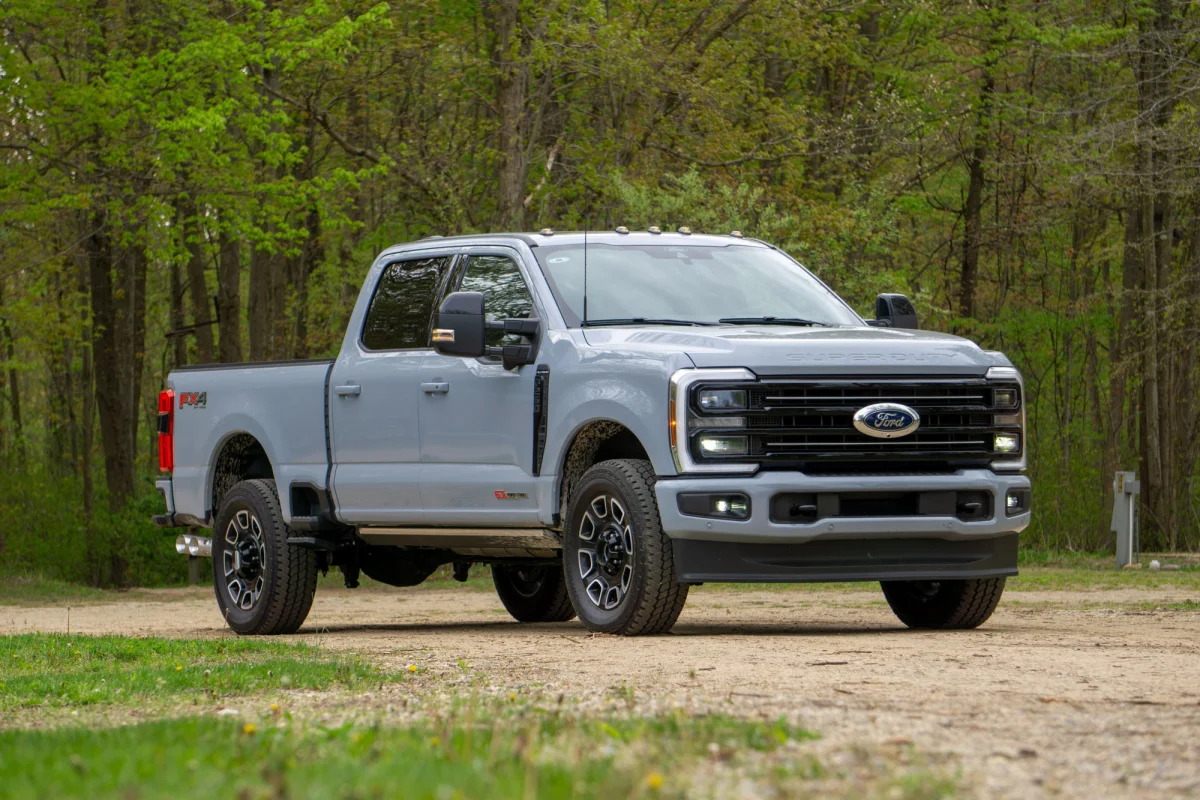
Ford reinforces the F-250 bed’s mounting points with heavy-duty steel brackets welded to the frame. This reinforced connection is essential for safe operation at the F-250’s extraordinary payload capacity of over 4,200 pounds.
The steel bed’s structural contribution to this capacity cannot be replaced by composite materials at this load level. Commercial operators who push their trucks to maximum capacity rely on this steel construction daily.
The F-250 Super Duty steel bed is the benchmark against which all other heavy-duty truck beds are measured. Its combination of capacity, repairability, and modification flexibility makes it irreplaceable in commercial applications.
No composite bed currently available can match its payload rating and welding compatibility simultaneously. The F-250 steel bed will remain the choice of serious working truck operators for years to come.
8. Ram 1500 Classic
The Ram 1500 Classic continues in production alongside the newer composite-bed Ram 1500 as a value-oriented option. It features a traditional steel bed that appeals to buyers who prefer conventional truck construction. This truck is particularly popular with first-time truck buyers, fleet operators, and budget-conscious working professionals. The steel bed delivers reliable performance without the premium pricing associated with composite or aluminum alternatives.
The Ram 1500 Classic steel bed is available in 5.7-foot and 6.4-foot configurations. These dimensions accommodate standard construction materials and cargo formats efficiently. The steel floor is ribbed for added stiffness and features drain plugs to clear water and debris. Stake pocket holes along the upper rails accept standard lumber stakes and aftermarket accessories easily.
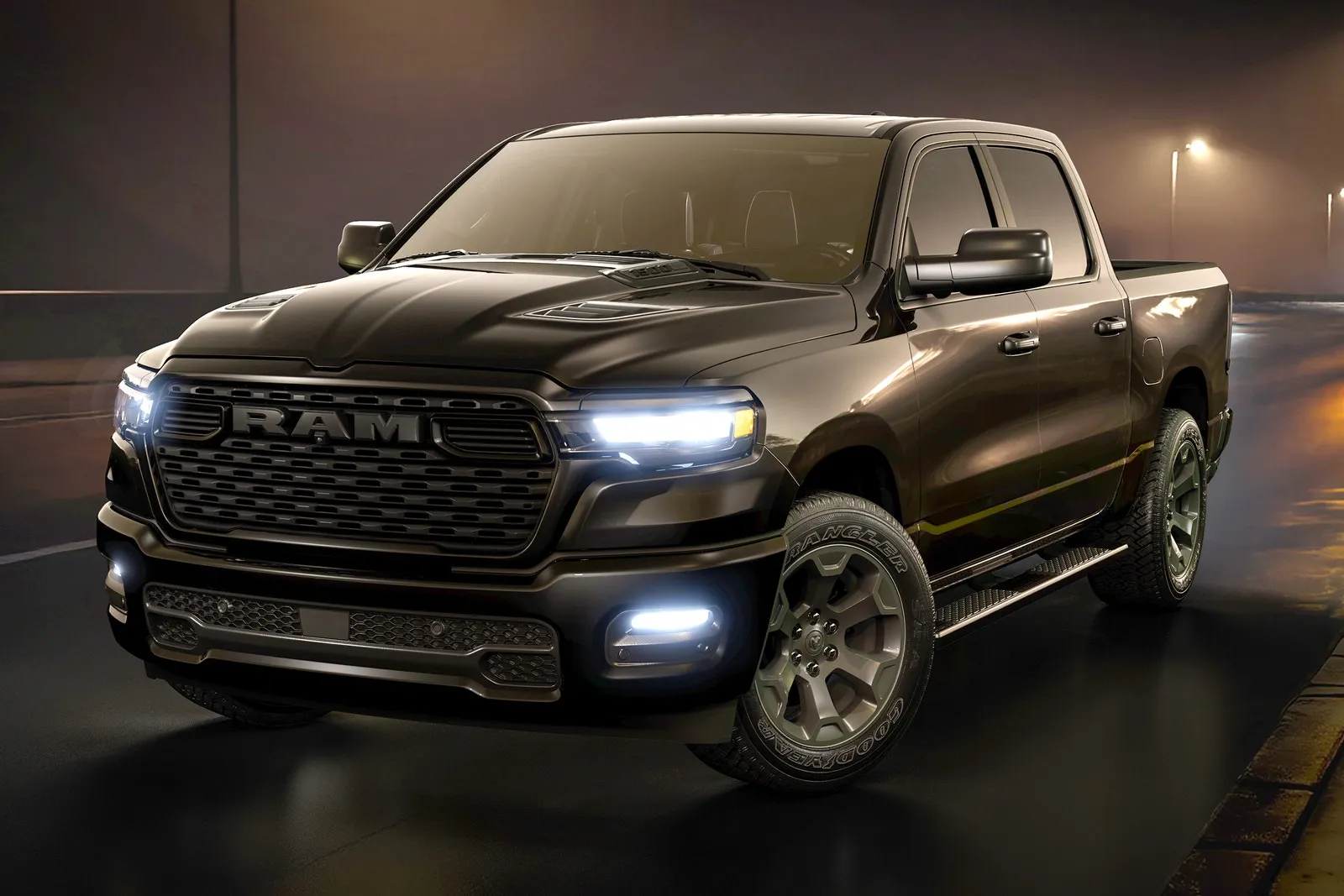
Ram applies basic corrosion protection to the Classic’s steel bed during manufacturing. This protection is adequate for average use in mild to moderate climates over the short term.
Buyers who intend to use their Classic for work should invest in a quality spray-in liner immediately. This additional protection significantly extends the bed’s useful life in demanding use conditions.
The Ram 1500 Classic steel bed represents the traditional American working truck at its most straightforward. It offers proven durability, universal repairability, and broad accessory compatibility at a competitive price point.
Rust management is its primary ongoing cost, but diligent maintenance keeps it performing reliably for many years. For buyers who want a no-nonsense work truck with a familiar, conventional bed, the Ram 1500 Classic delivers genuine value.
Also Read: 12 Best Ways to Keep Your Car Windshield Clear in High Humidity
