
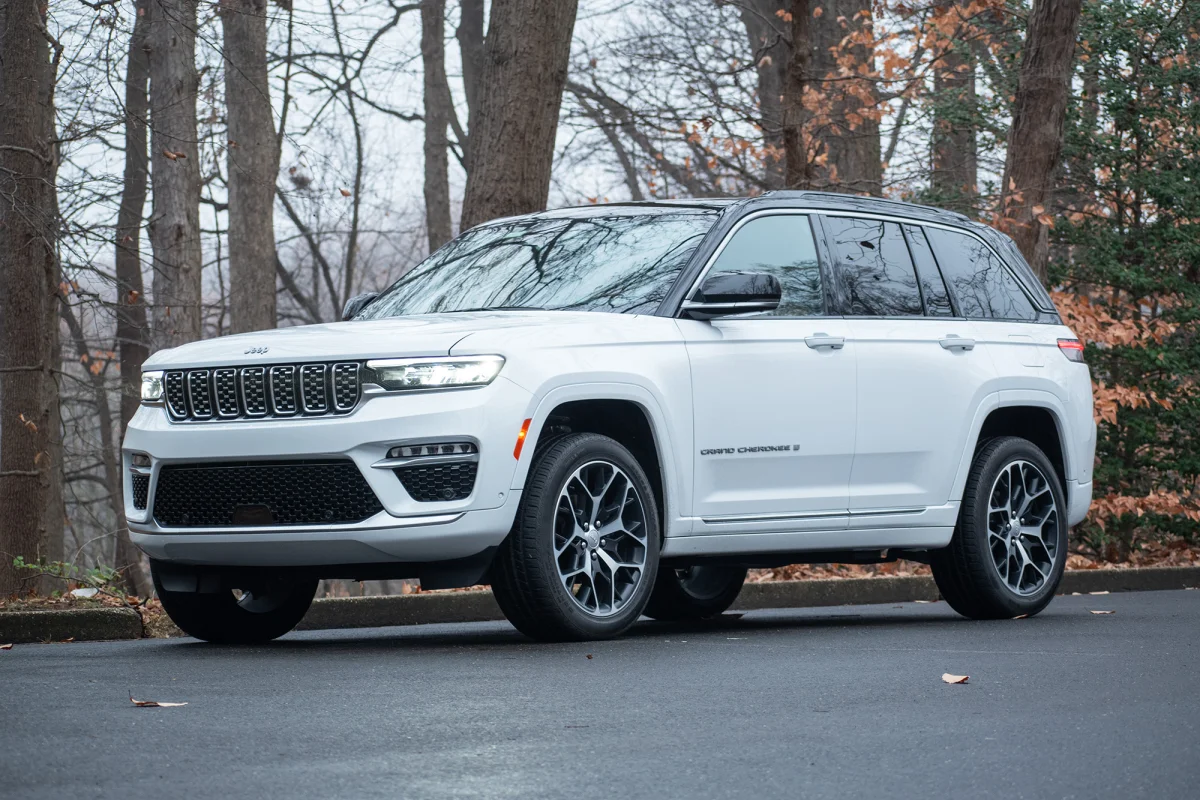
When families shop for a new car, back-seat safety rarely makes the headline checklist. People compare legroom, cargo space, infotainment screens, and fuel economy. They check the safety star rating and move on.
What they often miss is a quieter but deeply important fact: the back seat, where children and smaller adults typically ride, has been a systematic blind spot in automotive safety engineering for years.
The Insurance Institute for Highway Safety updated its moderate-overlap front crash test in 2022 to address this gap. To excel in the original test, automakers had strengthened vehicle structures, improved airbags, and developed advanced seat belts capable of absorbing crash forces, but many of those advancements were only applied in the front seat.
As a result, in newer vehicles, the risk of a fatal injury is higher for belted adults in the rear seat than in the front. The updated test incorporates a Hybrid III dummy representing a small woman or 12-year-old child positioned in the second row behind the driver, using specific metrics that focus on the injuries most frequently seen in rear-seat occupants.
The results across multiple rounds of testing have been alarming. Beloved family haulers, minivans, midsize SUVs, and compact sedans marketed to parents have repeatedly failed. What follows is a detailed, research-backed look at eight family cars that earned poor or marginal back-seat safety ratings, what the data actually says, and what it means for the people riding in them.
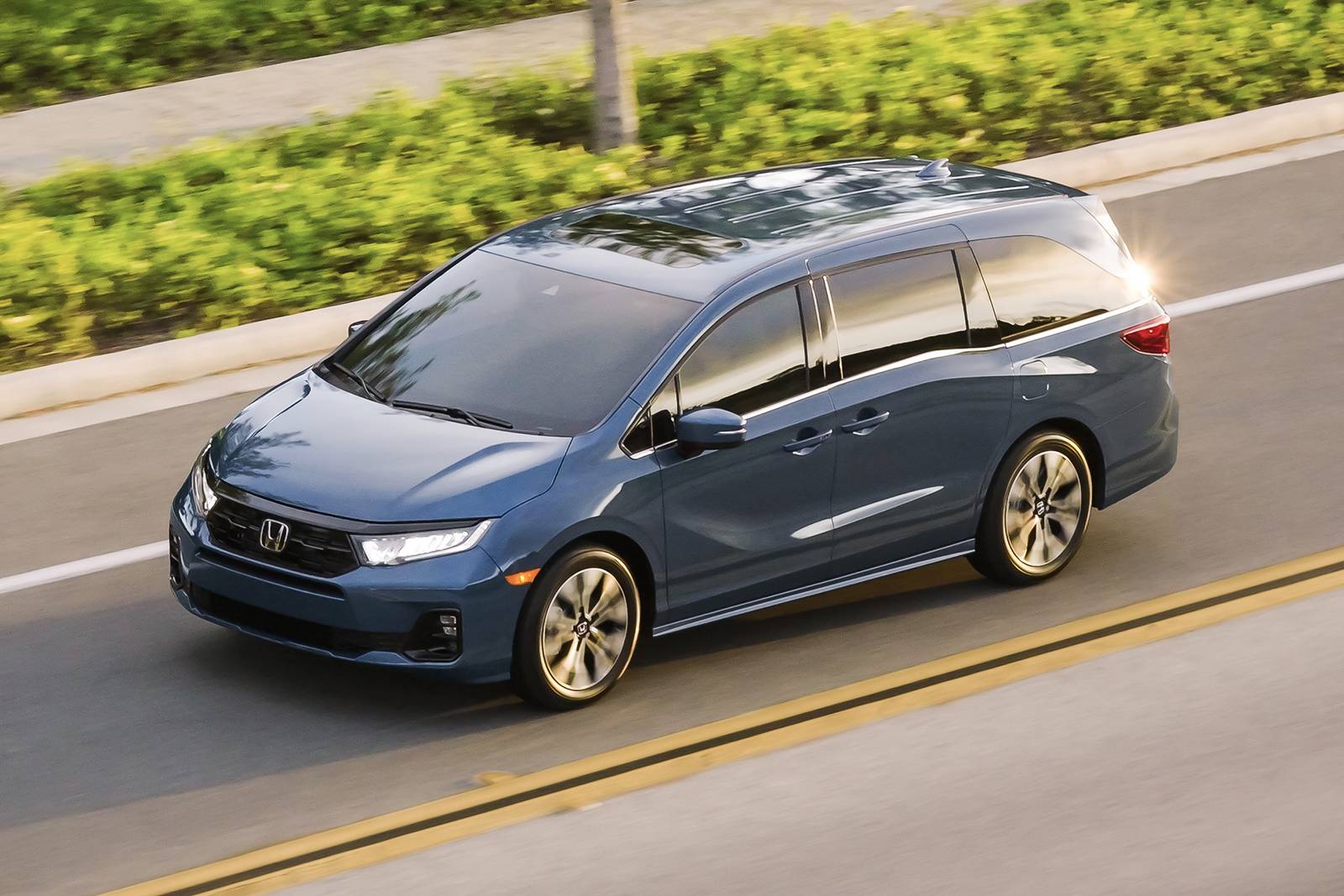
1. Honda Odyssey, IIHS Back-Seat Rating: Poor
The Honda Odyssey is one of the most trusted names in family transportation. It has long been praised for its reliability, roomy interior, and thoughtful ergonomics. Parents choose it by the hundreds of thousands. That is exactly why the IIHS results published in late 2023 landed with such force.
None of the four minivans tested by the Insurance Institute for Highway Safety earns an acceptable or good rating in the updated moderate overlap front crash test, which now emphasizes back seat safety. The Chrysler Pacifica, Kia Carnival, and Toyota Sienna are rated marginal, while the Honda Odyssey is rated poor the lowest possible score.
In the poor-rated Odyssey, the forces on the head and neck were higher still, and the crash video demonstrated that the rear seat belt allowed the dummy’s head to come too close to the front seatback, which also increases the risk of head injuries.
This is particularly disturbing because the Odyssey is the vehicle many parents choose specifically because it feels safe. The minivan’s cabin is designed around child passengers, yet those passengers in the second row are being exposed to preventable head and neck injury risk.
The test simulates a 40 mph moderate overlap frontal crash a very common real-world scenario. It is the type of collision that occurs when one vehicle drifts into oncoming traffic.
What the crash test reveals is that while the Odyssey’s driver is well-protected, the rear occupant is not given the same level of structural or restraint-based protection. The dummy’s seatbelt allowed excessive forward movement, bringing the crash test head dangerously close to the front seat structure in front of it.
The IIHS finds that none but the Sienna come equipped with rear seat-belt reminders, making the Odyssey one of three minivans without this basic safety feature.
Rear seatbelt reminders are a nudge that costs manufacturers almost nothing to implement. Their absence in a vehicle specifically marketed to families is a telling detail. Honda has since redesigned later model years and has been vocal about improving rear-occupant protection going forward. But for families shopping used minivans in this generation, the back seat issue is real and documented.
Specifications:
- Engine: 3.5L V6 SOHC i-VTEC
- Horsepower: 280 hp
- Torque: 262 lb-ft
- Length: 203.2 inches
- Width: 79.2 inches
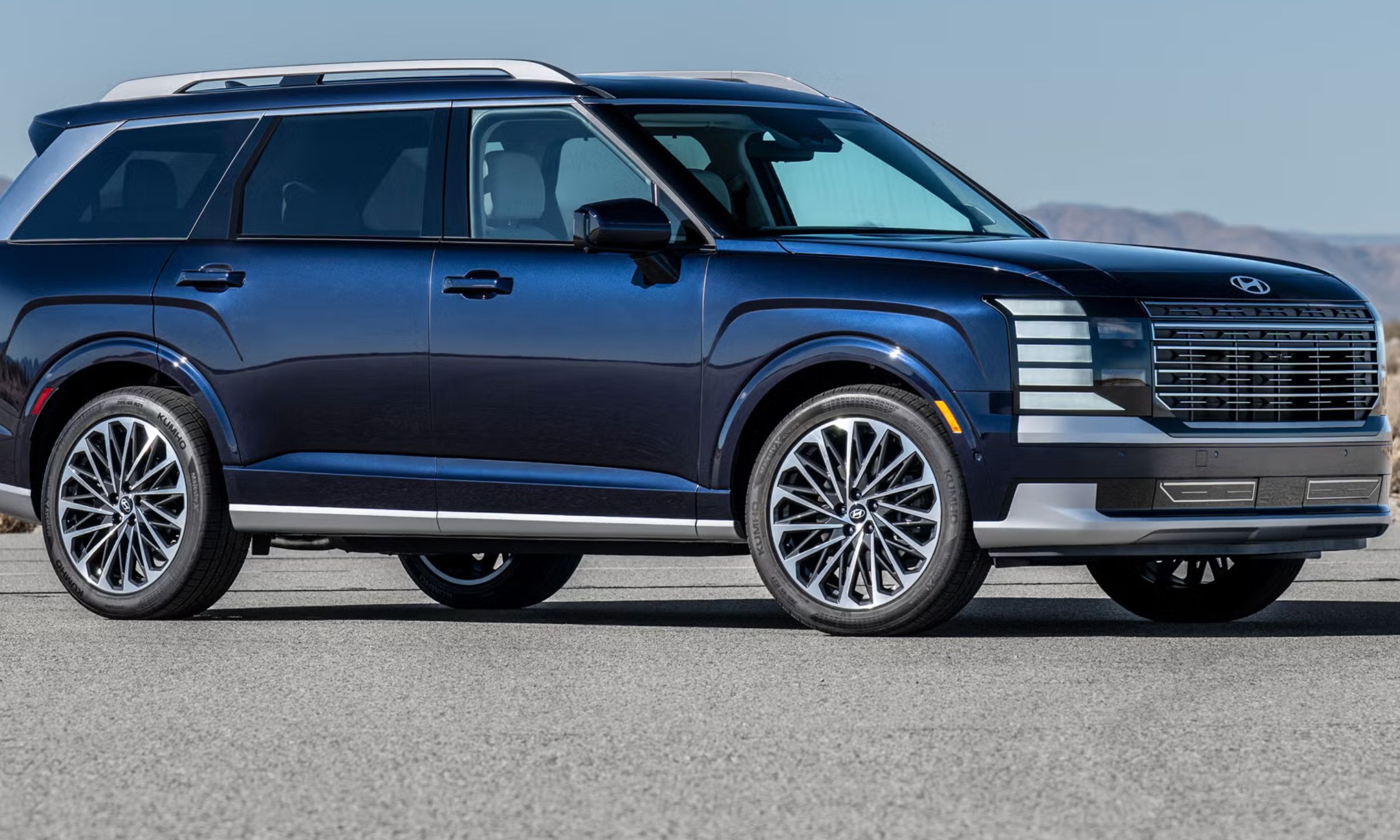
2. Hyundai Palisade, IIHS Back-Seat Rating: Poor
The Hyundai Palisade has been one of the standout success stories in the family SUV segment since its 2020 debut. It offers three rows, premium interior quality at a mainstream price, and a long list of standard safety features. It routinely earns praise from automotive media and parents alike. Its rear-seat safety performance, however, tells a different story.
In the poor-rated vehicles, measurements taken from the rear dummy indicated a high risk of head or neck injuries to the rear passenger in the CX-9, Grand Cherokee, Murano, Palisade, and Pilot.
The Palisade earned its poor rating specifically because the seatbelt forces on the rear dummy’s chest were dangerously high, and there was a significant risk of head and neck injury recorded during the crash event. These are the injury types most correlated with fatality and long-term disability in real crashes.
What makes the Palisade’s result particularly notable is the contrast between its front-seat and rear-seat performance. The driver’s side returned good marks. The rear seat essentially received none of that protection.
Nearly all of the vehicles that scored Poor for rear occupants had Good ratings for front occupants, confirming that safety advances for drivers and front passengers haven’t necessarily translated into better protection for rear occupants.
Hyundai responded to the results by acknowledging the shortfall. A Hyundai spokesperson told Consumer Reports that the automaker has an “aggressive plan to implement countermeasures to improve restraint technologies for rear occupant protection.”
That plan likely involves adding rear seatbelt pretensioners and load limiters technologies long standard in front seats but absent from many rear rows. The problem is that drivers who bought the Palisade in these model years based on its safety reputation may not have known they were buying into a significant back-seat gap.
For a three-row SUV routinely filled with children in the middle and rear rows, this is a meaningful finding. The vehicle’s verall architecture and brand reputation conveyed safety. The rear-seat crash test data contradicted that perception.
Specifications:
- Engine: 3.8L Lambda II V6
- Horsepower: 291 hp
- Torque: 262 lb-ft
- Length: 196.1 inches
- Width: 78.0 inches
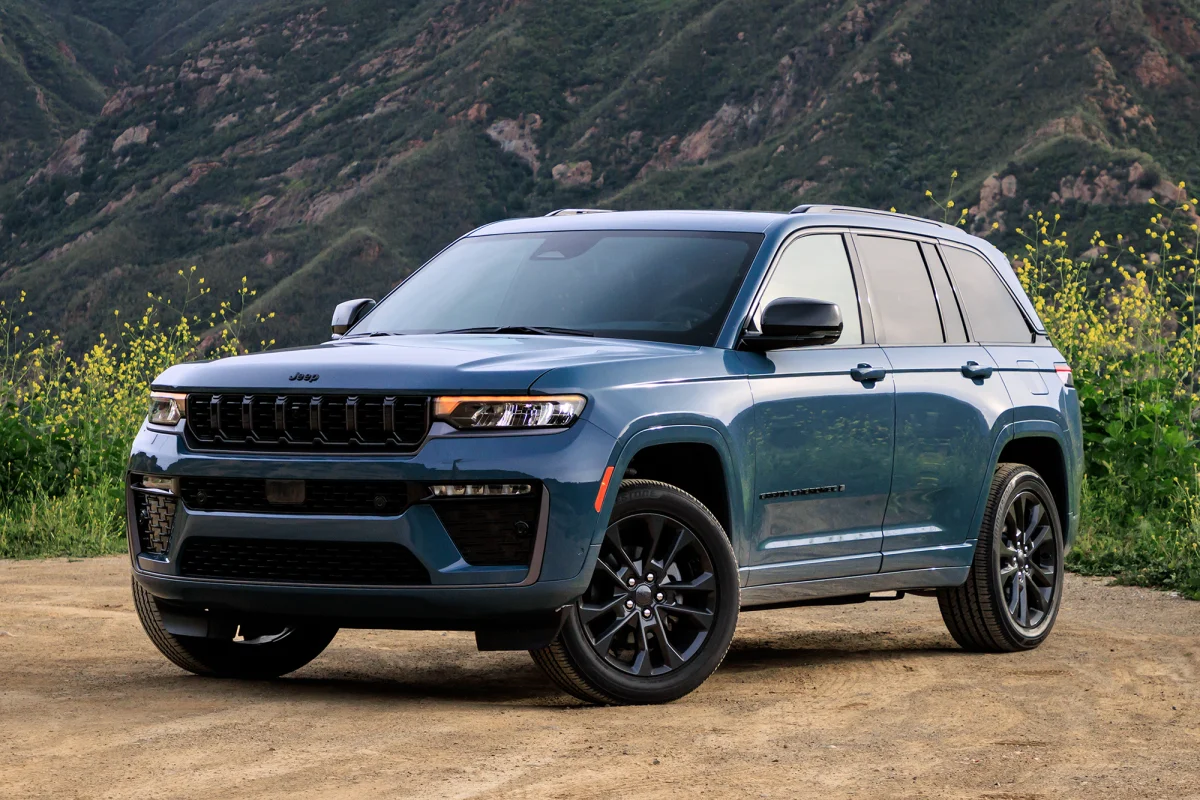
3. Jeep Grand Cherokee, IIHS Back-Seat Rating: Poor
The Jeep Grand Cherokee is an American institution. It has been one of the best-selling SUVs in the country for decades, blending off-road credibility with upscale interior options and a powerful presence on the road.
Families buy it for its toughness, style, and brand heritage. What they may not realize is that when the IIHS ran its updated back-seat crash test, the Grand Cherokee landed squarely in poor territory.
The IIHS deemed the 2022 and 2023 models of the Grand Cherokee as poor in the updated moderate overlap front crash test, focusing on the rear passenger’s safety.
This evaluation highlighted critical areas of concern, particularly pertaining to head, neck, and chest injuries sustained during a crash. The crash test dummy, positioned in the second row to represent a small woman or 12-year-old child, experienced excessive forces that indicated unacceptable injury risk in a real-world collision.
The Grand Cherokee’s situation was compounded by an additional finding during IIHS side impact testing. A fuel leak occurred during the crash test because the underbody adjacent to the fuel tank deformed, causing a sharp sheet metal edge to puncture the fuel tank. Stellantis identified the issue and implemented structural modifications beginning with 2023 models built after March 2023.
The fuel leak issue alone was alarming enough but combined with the poor rear-seat rating, early Grand Cherokee buyers of this generation were dealing with multiple safety red flags simultaneously.
The Grand Cherokee’s standard safety suite, including forward collision warning, blind-spot monitoring, and lane-departure warning, gives it a reasonable active-safety profile.
The passive safety shortfall in the back seat, however, is where the gap appears. Once a crash is occurring, those rear-row occupants are more vulnerable than the testing of previous years suggested. Stellantis has worked to address structural improvements, but the rear restraint system itself remains the core problem highlighted by IIHS.
For a vehicle that regularly carries children in its back seat and trades heavily on a family-and-adventure image, the poor rear-seat rating is a significant blemish on an otherwise respected nameplate.
Specifications:
- Engine: 3.6L Pentastar V6 (standard) / 5.7L HEMI V8 (optional)
- Horsepower: 293 hp (V6) / 357 hp (V8)
- Torque: 260 lb-ft (V6) / 390 lb-ft (V8)
- Length: 193.5 inches
- Width: 76.5 inches
4. Mazda CX-9, IIHS Back-Seat Rating: Poor
Mazda has built a reputation in recent years for producing exceptionally refined vehicles interiors that punch above their price class, driving dynamics that feel genuinely engaging, and an aesthetic sensibility that sets it apart from mainstream competitors.
The CX-9 was the brand’s flagship three-row family SUV. It was widely regarded as one of the best choices in its segment. Its rear-seat safety performance, however, was among the worst in the 2022–2023 IIHS round of testing.
The poor-rated vehicles showed measurements indicating a high risk of head or neck injuries to the rear passenger in the CX-9, Grand Cherokee, Murano, Palisade, and Pilot. The CX-9 also had an identified deficiency in its rear seat restraint system that amplified the risk.
Mazda’s manager for vehicle safety compliance told Consumer Reports that the current CX-9 lacks rear seat belt pretensioners and load limiters. These components are the workhorses of crash protection in the rear row. Pretensioners tighten the belt at the onset of a collision.
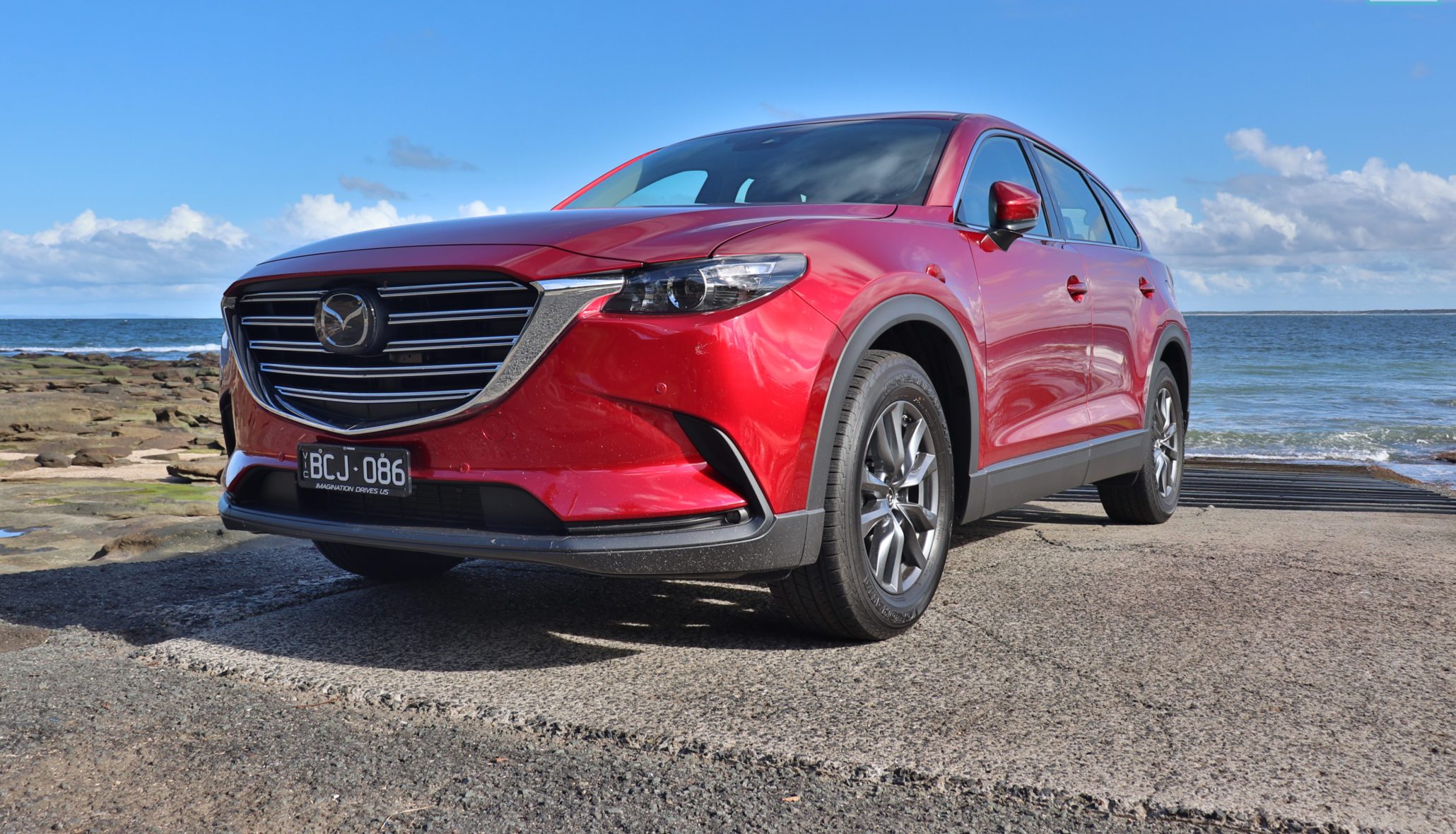
Load limiters then control how much force the belt exerts on the occupant’s chest. Without both working together, rear occupants are exposed to belt forces that their bodies particularly those of smaller adults or children are not equipped to absorb.
Mazda acknowledged the issue directly. The company confirmed that its replacement the 2024 Mazda CX-90 would come standard with both rear pretensioners and load limiters.
That transition from CX-9 to CX-90 was already underway, making the acknowledgment both honest and timely. The problem is that families who purchased a CX-9 in 2021, 2022, or 2023 believing they were in one of the most thoughtfully engineered vehicles in the segment had no way of knowing about this back-seat gap from standard marketing materials.
The CX-9’s turbocharged engine and premium interior make it a genuinely compelling vehicle in most ways. But rear-seat occupant protection is not one of them, and for a three-row family hauler, that matters enormously.
Specifications:
- Engine: 2.5L Skyactiv-G Turbo I-4
- Horsepower: 227 hp (regular fuel) / 250 hp (premium fuel)
- Torque: 310 lb-ft
- Length: 199.4 inches
- Width: 76.0 inches
Also Read: 8 Cars With Knee Airbags for Both Front Passengers
5. Nissan Murano, IIHS Back-Seat Rating: Poor
The Nissan Murano occupies an interesting position in the crossover market. It has always leaned harder into comfort and style than outright utility, offering a curvaceous design, a sumptuous cabin, and smooth road manners.
Families who want a premium feel without a premium price tag have gravitated toward it. Its IIHS rear-seat performance is one of the most stark examples of the gap between a vehicle’s front-occupant and rear-occupant safety.
In the poor-rated vehicles, measurements taken from the rear dummy indicated a high risk of head or neck injuries to the rear passenger in the Murano, alongside the CX-9, Grand Cherokee, Palisade, and Pilot.
The Murano’s result was especially notable because it earned a Good rating for front occupants in the same test perfectly protecting the driver while leaving the rear passenger significantly exposed. That kind of divergence illustrates exactly why IIHS updated the test in the first place. Automakers had been engineering very specifically for the front occupant, where the test had long focused.
The Murano also came under scrutiny for its aging platform at the time of testing. By the 2022–2023 model years, the Murano was running on architecture that had not been fundamentally updated in years. Rear-seat seatbelt technology and pretensioner systems reflected that older engineering baseline.
The V6 engine, continuously variable transmission, and exterior design were the selling points. Rear-occupant crash dynamics were simply not a design priority during that vehicle’s development cycle.
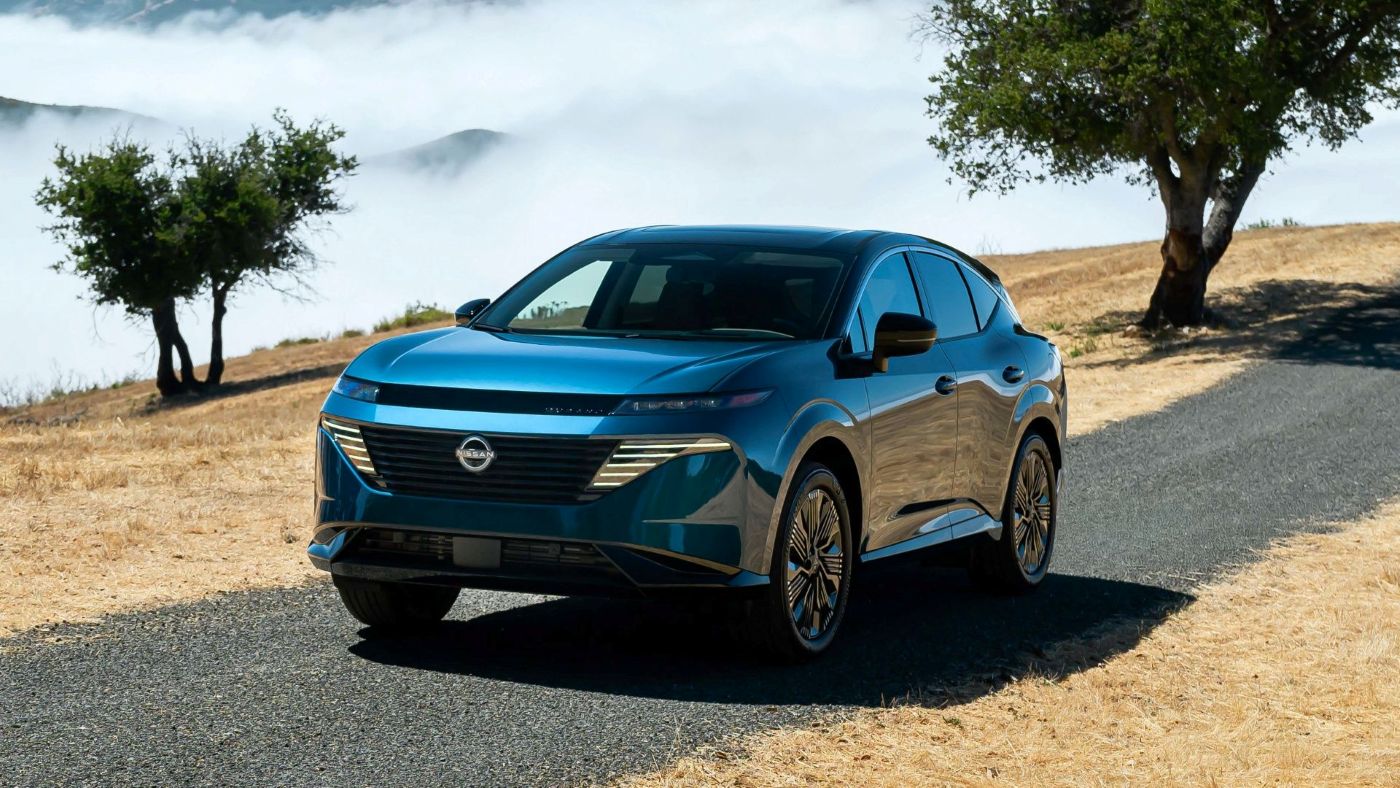
All 2023 Murano trim variations have 260 horsepower from their V6 engine, which contributes to a genuinely smooth and capable highway experience.
None of that performance, however, translates into protection for the people riding behind the driver when a frontal crash occurs. The Murano has since been completely redesigned for newer model years with this issue in mind, but the 2022–2023 generation remains a cautionary tale.
Specifications:
- Engine: 3.5L V6 DOHC
- Horsepower: 260 hp
- Torque: 240 lb-ft
- Length: 192.9 inches
- Width: 74.8 inches
6. Kia Forte, IIHS Back-Seat Rating: Poor
The Kia Forte is one of the best-value compact sedans on the market. It offers sharp styling, a well-designed interior, solid fuel economy, and strong warranty coverage.
For young families, first-time car buyers, or parents buying a car for a driving-age child, the Forte is a perennial recommendation. Its rear-seat performance in the IIHS updated test, however, resulted in the worst possible score.
The 2022–2023 Kia Forte was downgraded to the lowest “Poor” rating in the updated rear-seat crash test. The downgrade was primarily due to issues with the rear-seat dummy.
In all five of the vehicles tested in this round, the rear-seat dummy’s lap belt slid up into the abdomen, which can cause abdominal or spinal injuries in a real-world crash. In the vehicles that earned a Poor rating, the rear dummy also demonstrated an raised risk of injury to the head, neck, and chest.
The lap belt migration issue is a well-understood engineering problem. In a frontal collision, the body of a rear occupant is propelled forward. If the lap belt rides up from the pelvis onto the soft tissue of the abdomen, the belt acts like a cutting force against the internal organs rather than a restraining force across the bony pelvic structure.
Combined with excessive head and neck injury risk, the Forte’s rear seat presents a meaningful danger to its occupants in a crash. This is especially significant for a vehicle that young families often choose as a second car for school runs, youth sports, and daily commuting with children in the back.
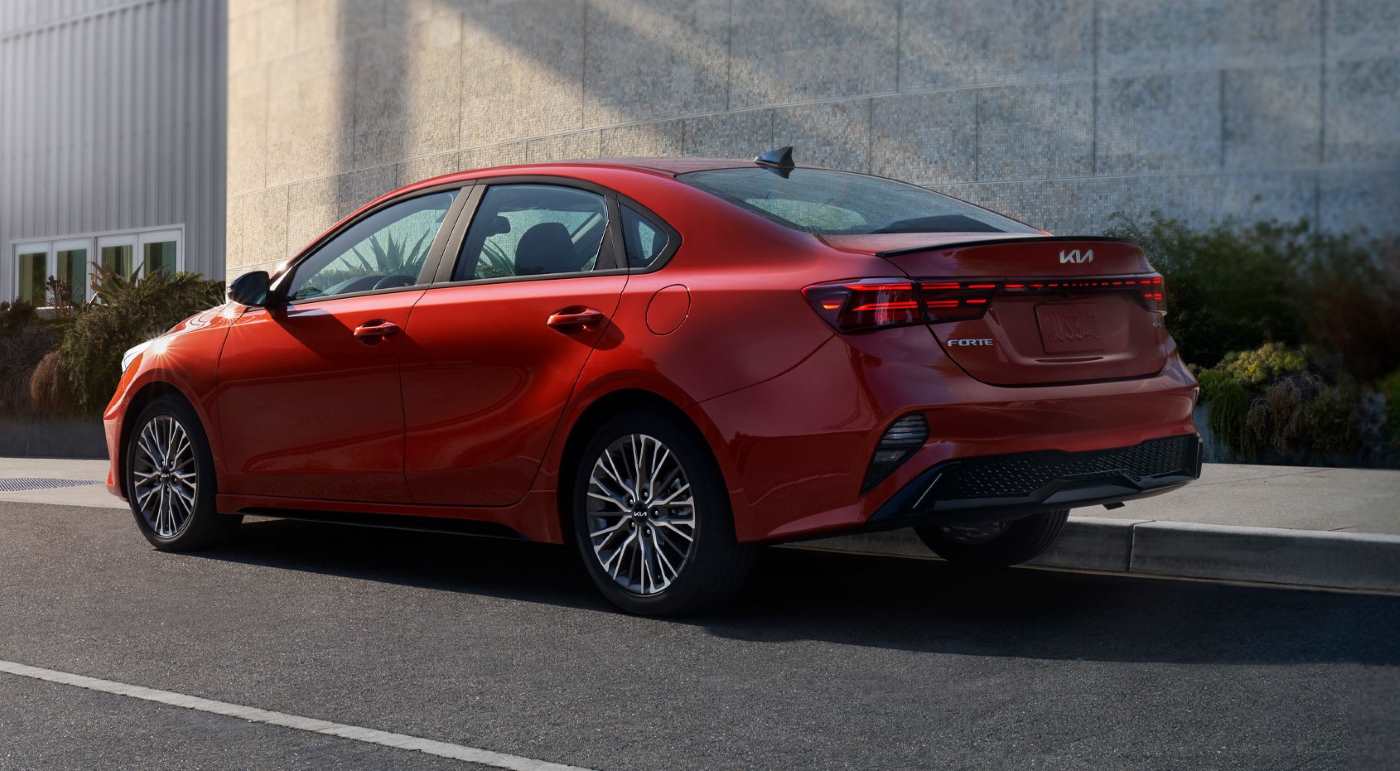
One way both IIHS and safety researchers say automakers could improve rear occupant safety is through better implementation of pretensioners, which tighten the belt at the onset of a crash, and load limiters, which let the belt spool out a bit to reduce any jerking force that might injure the occupant’s chest.
These features are standard in the front seats of most vehicles. They are not universally present in rear seats, and their absence is the direct engineering cause of these failures. For a Forte priced as a family-friendly value vehicle, the rear-seat finding is a meaningful asterisk that consumers deserve to know about.
Specifications:
- Engine: 2.0L Atkinson-cycle I-4 (standard) / 1.6L Turbo I-4 (GT)
- Horsepower: 147 hp (standard) / 201 hp (GT)
- Torque: 132 lb-ft (standard) / 195 lb-ft (GT)
- Length: 179.5 inches
- Width: 70.9 inches
7. Nissan Sentra, IIHS Back-Seat Rating: Poor
The Nissan Sentra has been a cornerstone of affordable family transportation for decades. It received a thorough redesign for the 2020 model year, which brought sharper styling, a more upscale interior feel, and improved standard safety technology.
Consumer reports praised the updated Sentra as a significant improvement. The rear-seat crash test results from IIHS, however, revealed that the upgrade did not extend to how well the second row protects its occupants.
The 2022–2023 Nissan Sentra was downgraded to the lowest “Poor” rating in the updated rear-seat crash evaluation. The rear passenger dummy’s lap belt moved from the ideal position on the pelvis onto the abdomen, increasing the risk of abdominal injuries.
The rear dummy also demonstrated an raised risk of injury to the head, neck, and chest. For a sedan regularly used as a family commuter vehicle, with children and smaller adults riding in the back seat daily, those injury categories are exactly what families need protection from.
The Sentra’s result is particularly revealing because it had earned strong marks in previous crash evaluations. The safety rating appeared solid on paper.
But the updated test, which introduced a rear-seat dummy for the first time, exposed a protection gap that earlier testing simply was not looking for. The Sentra’s restraint system was not engineered with rear-occupant crash dynamics at the forefront of its design.
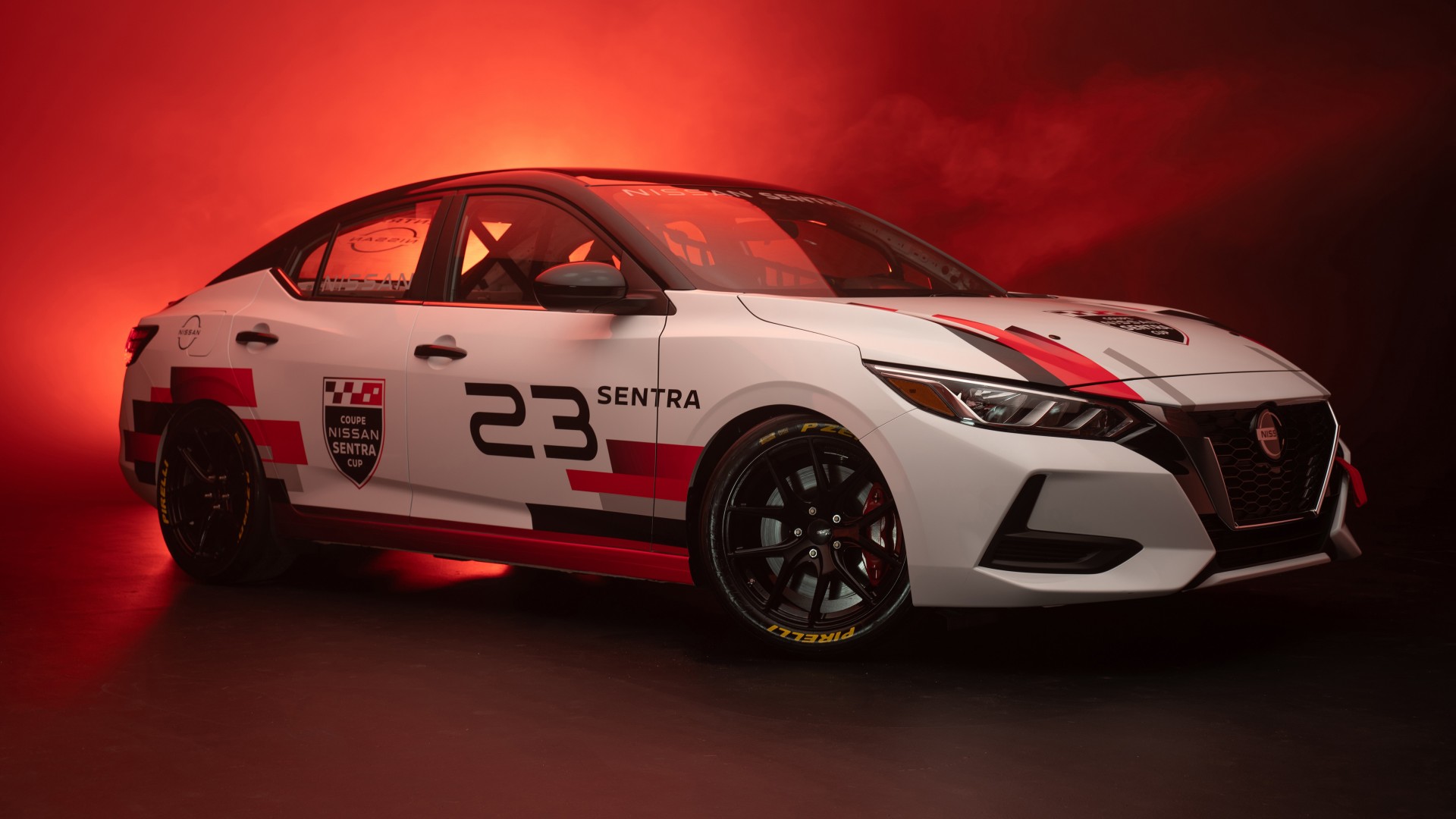
The vehicle also lacks the rear pretensioner and load limiter technology that would mitigate these forces. These are not exotic or expensive components.
They are engineering choices that prioritize front-seat occupant protection at the expense of those riding behind. For the Sentra’s core demographic budget-conscious families using the car for daily transportation this is an invisible risk they carry on every drive.
Specifications:
- Engine: 2.0L DOHC I-4
- Horsepower: 149 hp
- Torque: 146 lb-ft
- Length: 182.7 inches
- Width: 70.9 inches
8. Kia Carnival, IIHS Back-Seat Rating: Marginal
The Kia Carnival replaced the Sedona in 2022 and immediately became one of the most talked-about family vehicles in the market. It fuses minivan practicality with SUV styling cues, positions itself as a lounge-like hauler for busy families, and comes loaded with technology. Its marketing leans heavily into family life. That makes its IIHS rear-seat safety rating marginal, the second lowest score a finding that deserves serious attention.
In the two other marginal vehicles, including the Carnival, the seat belt exerted too much force on the dummy’s chest. The forces on the rear dummy’s neck were substantially higher in the Carnival, increasing the chances of a head or neck injury.
High belt tension against the chest is a compounding injury mechanism it can fracture ribs and damage internal organs at the same time that the belt is preventing the passenger from being thrown forward. In a vehicle whose entire value proposition is about carrying families comfortably and safely, that finding cuts to the heart of the product’s promise.
The IIHS also finds that the Carnival does not come equipped with rear seat-belt reminders, meaning the vehicle provides no active prompt to ensure rear passengers are buckled. Given that rear-seat belt usage rates are substantially lower than front-seat rates across the general driving population, the absence of this feature compounds the risk.
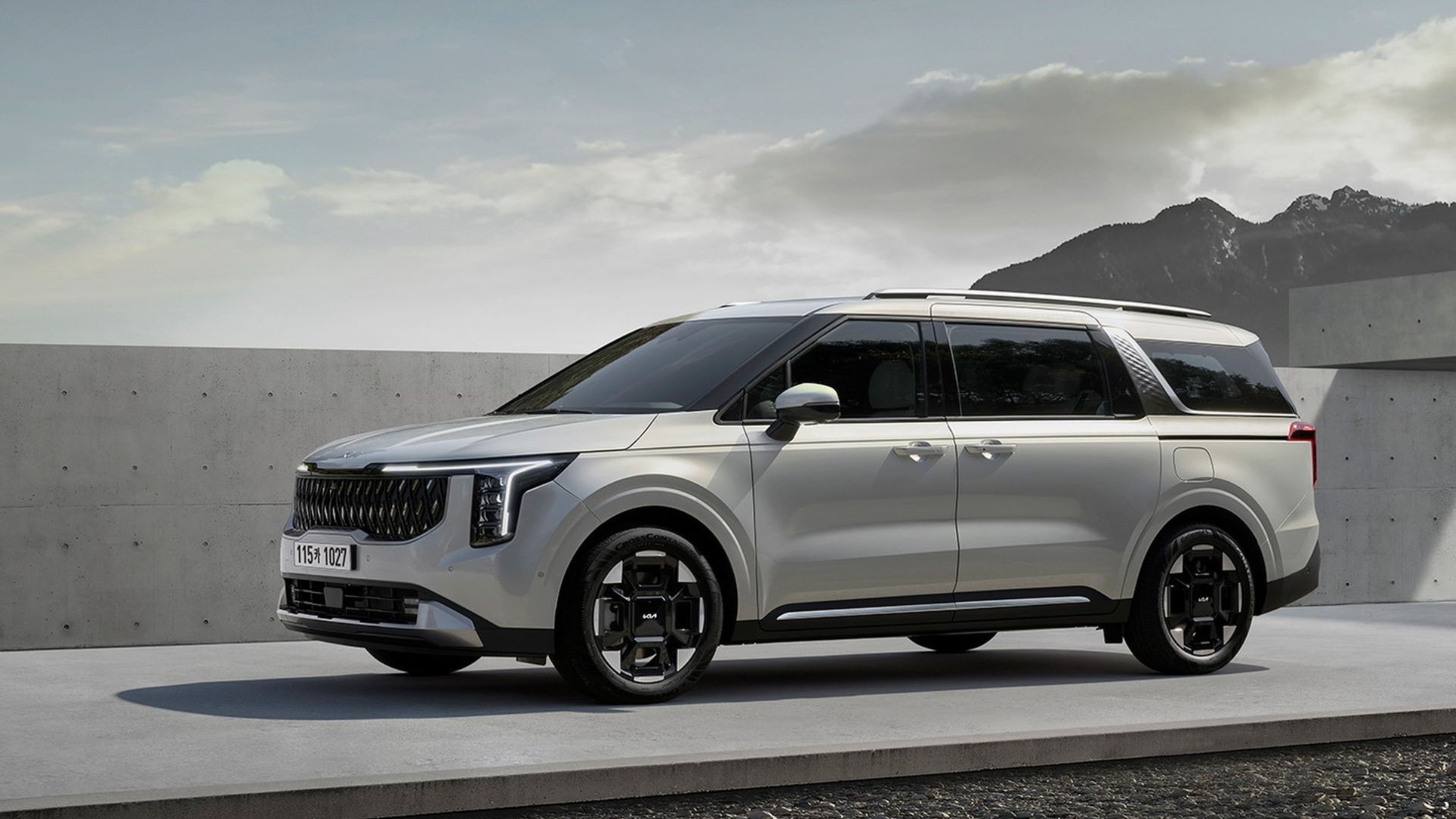
The Carnival does earn better marks in other IIHS categories, and its active safety suite is solid. But in the specific area of protecting rear-row occupants during a frontal crash which is the most common serious crash type the restraint system is not doing enough. For the Carnival’s intended audience of large, child-carrying families, that gap matters enormously.
As IIHS President David Harkey noted: “The new emphasis on back seat protection appears to have winnowed minivans and pickups from the winners’ ranks. That’s unfortunate, considering that minivans are marketed as family haulers.” The Carnival is perhaps the clearest illustration of that observation.
Specifications:
- Engine: 3.5L Lambda II V6
- Horsepower: 290 hp
- Torque: 262 lb-ft
- Length: 203.4 inches
- Width: 78.5 inches
Also Read: 8 Cars With Knee Airbags for Both Front Passengers
