
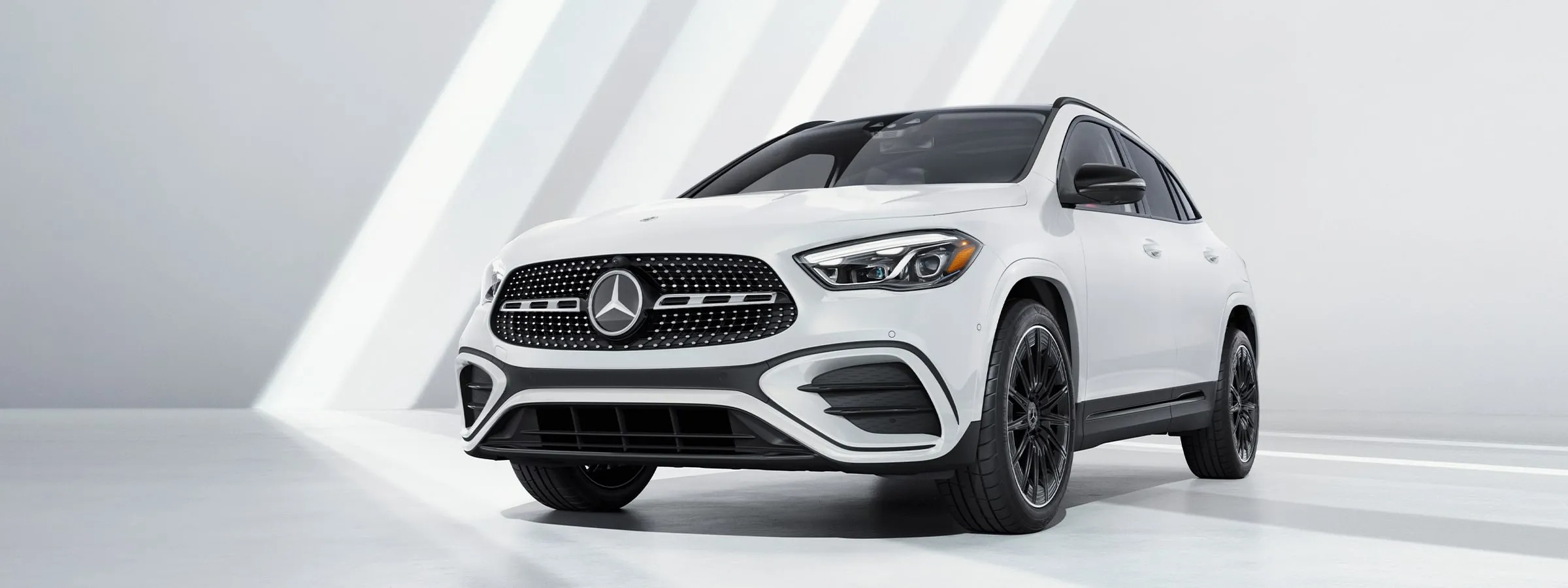
People who choose Mercedes-Benz often expect not just style but also lasting performance. Buyers in the United States and across different markets usually see Mercedes as a brand that gives them advanced technology, high-end interiors, and a smooth driving experience.
Yet, just like every car brand, some models tend to give drivers fewer problems, while others may need frequent attention in service centers. The experience one gets usually depends on the year of production, the kind of engine fitted, and how well the car is taken care of.
Mercedes cars are known for their engineering, but not every model comes with the same level of dependability. Certain cars from the brand are built with stronger components that last longer and make ownership less stressful, while some others come with electrical issues, transmission troubles, or engine problems that can frustrate their owners.
This is why many drivers take time to research before they buy, so that they will not be left with a car that spends too much time in repair shops. When drivers talk about service, it is not only about oil change or brake pad replacement.
It also includes major issues like transmission repair, engine rebuilding, or electrical faults. While one Mercedes model may go thousands of miles with only routine checks, another may constantly bring up error codes on the dashboard.
Our focus here will be on five Mercedes models that are known for lasting longer with fewer repair needs and five that are more likely to keep their owners visiting mechanics often. Each part will explain what makes the car reliable or unreliable, while also giving attention to the features and experiences that make people either enjoy their car or regret the purchase.
5 Mercedes Models That Rarely Need Service
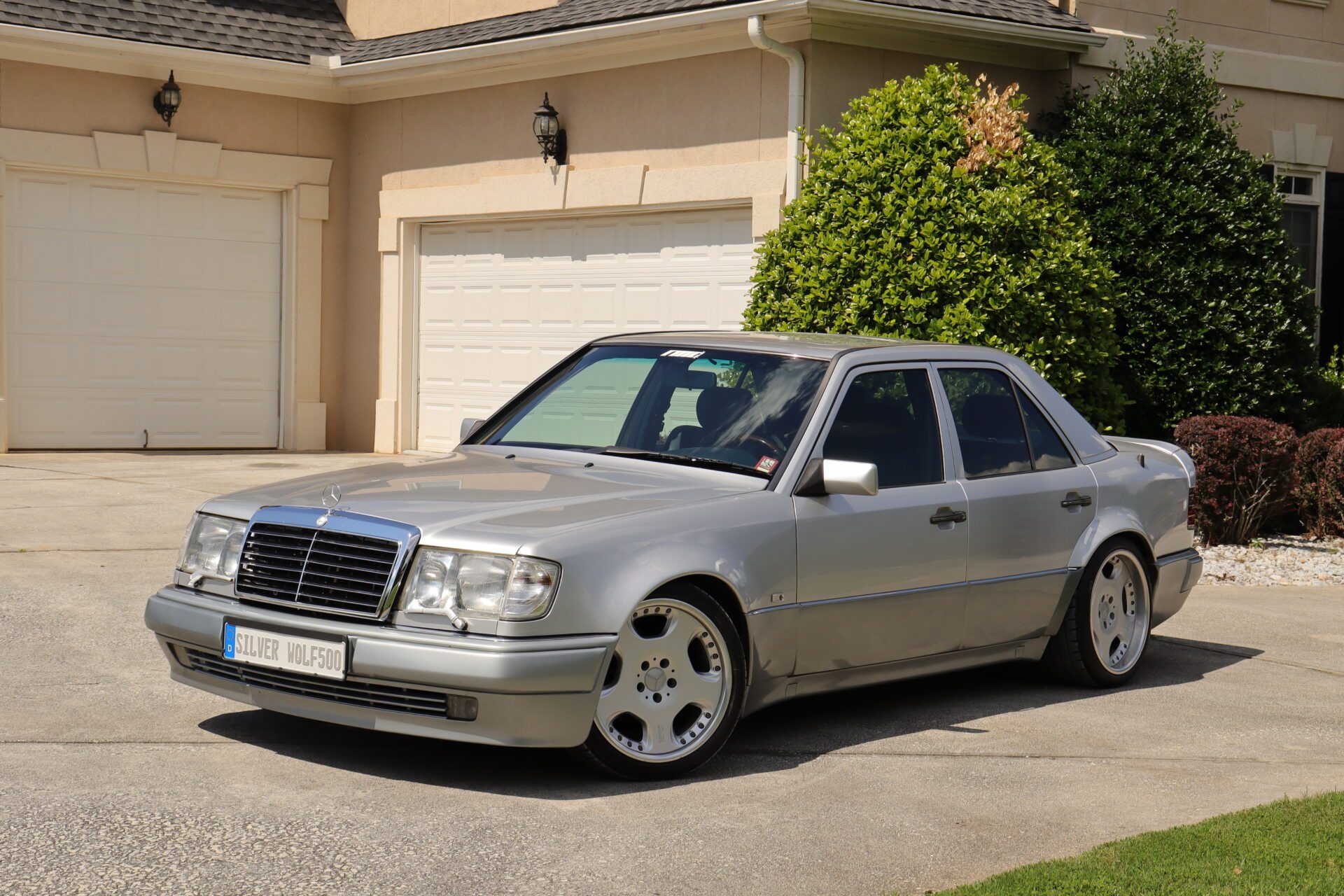
1. Mercedes-Benz E-Class (W124)
The Mercedes-Benz E-Class W124 is often mentioned as one of the most durable vehicles produced by the company. Introduced in the mid-1980s and lasting into the 1990s, it quickly became known as a car that could cover hundreds of thousands of miles without major issues when maintained properly.
Owners around the United States still praise the model for its strong body and reliable mechanical parts. The W124 used engines that were simple compared to modern designs, yet these engines delivered steady performance without frequent breakdowns.
One strong reason why the W124 requires less service is the design of its suspension and drivetrain. The suspension was made tough enough to handle daily driving without wearing out too quickly.
The transmission fitted into many of the models was also durable, and many drivers report that even after 200,000 miles, the gearbox still works smoothly with only regular oil changes. Electrical systems in this car were not overloaded with technology, which reduced the chances of sudden failures.
Maintenance on the W124 is straightforward and affordable compared to newer cars. Mechanics can easily access the parts, and spare parts are available without too much stress. Drivers who own this model often speak of it as a car that keeps running with only simple care, such as oil changes, coolant flush, brake checks, and tire rotation.
The W124 is also respected for its comfort and safety. It was one of the first Mercedes models to feature safety systems that later became standard in the industry. At the same time, it did not overload drivers with electronic gadgets that can fail quickly.
This balance between safety, comfort, and simplicity is what makes the W124 stand out as one of the cars from Mercedes that rarely requires heavy servicing. Even today, many of these cars are still on the road, a clear proof of the strength of their design.

2. Mercedes-Benz G-Class (G-Wagon W463)
The Mercedes G-Class, especially the long-running W463, is often admired for its strong military background and lasting quality. Originally built as a vehicle for off-road and military use, the G-Class quickly gained a reputation for being tough enough to survive in harsh environments.
This background has made the civilian version dependable, and many owners in the United States report fewer frequent visits to repair shops compared to some other models in the brand. The design of the G-Class is one of the reasons why it does not need constant service. Its body is built like a tank with a frame that resists damage from rough usage.
The engines, whether petrol or diesel, are designed to be strong and handle high mileage. Many drivers keep their G-Class for decades, and the car still runs well after long years of use. This is because Mercedes did not design the G-Class only for city driving but for tough terrains, which means the car parts are made to endure more stress.
Another factor is the relatively simple technology in earlier versions. Unlike some modern Mercedes sedans that rely heavily on complicated electronics, the G-Class stuck to practical systems that do not fail easily. Even when newer versions included luxury features, the core of the car remained rugged and dependable.
Owners who maintain their G-Class properly often find that it needs only routine service like oil changes, brake pad replacement, and fluid checks. Major repairs are not common unless the car is used in extreme conditions without care. Mechanics also agree that the G-Class, though expensive to buy, pays off by not demanding frequent repairs.
The G-Class has also become a status symbol, which means many owners take good care of it, ensuring it remains reliable. Combining durability, strong engineering, and less frequent breakdowns, the G-Class W463 stands as one of the Mercedes models that can be trusted to keep working without constant mechanical problems.
Also Read: 5 Mercedes-Benz C-Class Years That Last vs 5 That Don’t
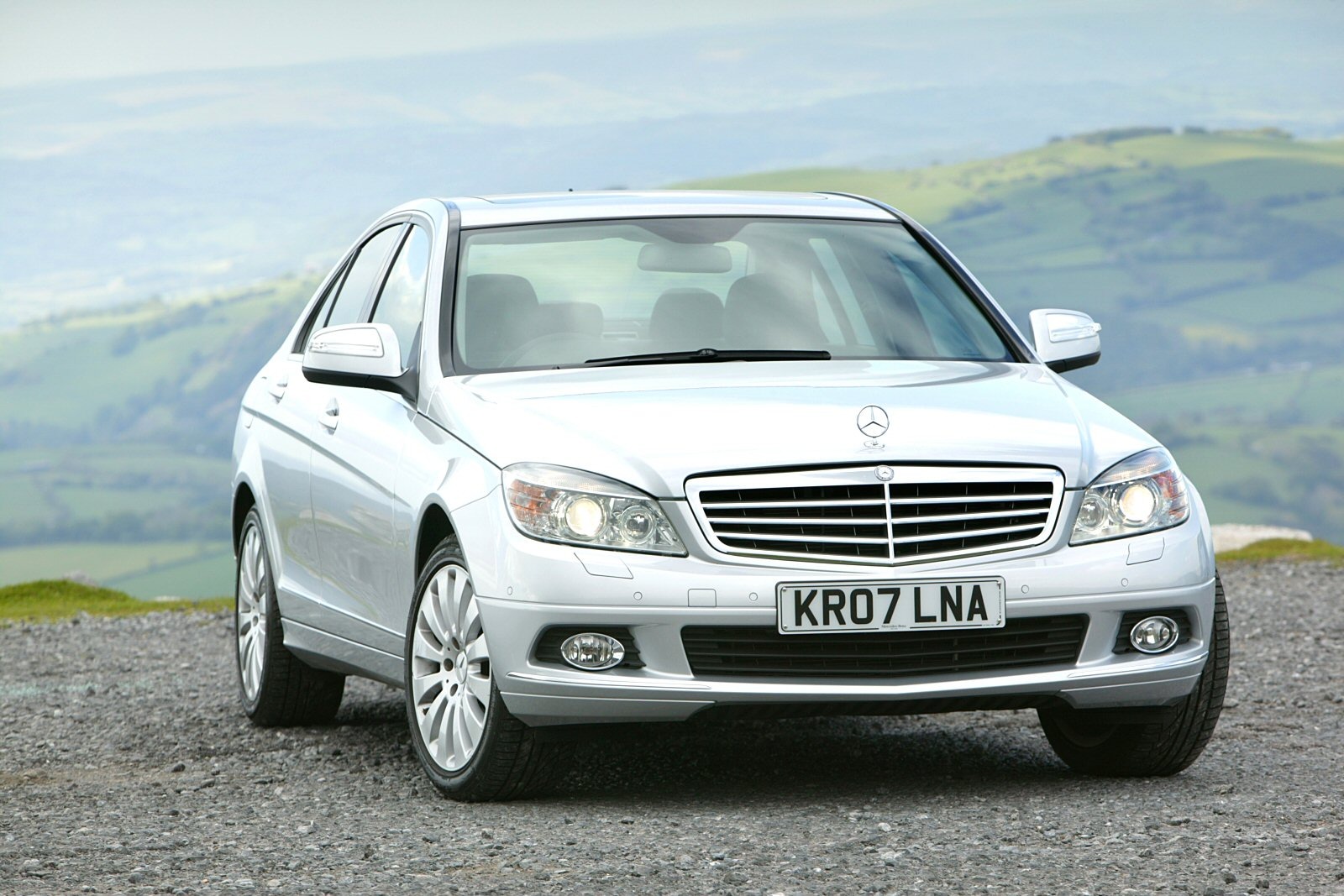
3. Mercedes-Benz C-Class (W204)
The C-Class W204, which came out around 2007 and lasted until 2014, has been praised by many drivers as one of the more reliable modern Mercedes cars. While some earlier and later C-Class generations have issues, the W204 struck a good balance between modern features and dependable engineering.
Owners often describe the W204 as a car that does not spend too much time in service centers when maintained well. The engines offered in this generation are known for being strong and lasting long when proper oil changes and maintenance are carried out. Transmission in this model also performs well, with fewer reports of early failure compared to other cars in the lineup.
One of the reasons the W204 requires fewer repairs is the quality of its build. Mercedes focused on making the interior and exterior durable, reducing the chances of small issues that can bother owners. Electrical systems in this car were also more stable compared to some newer models that introduced heavier digital controls.
Drivers appreciate the W204 because it gives a comfortable ride while remaining less demanding in terms of service. Basic maintenance like brake checks, oil changes, and air filter replacement usually keeps the car running without stress. The parts are also easier to find, making it convenient for owners to repair when needed.
The C-Class W204 represents one of those models where Mercedes balanced technology and dependability well. For anyone looking for a Mercedes that combines modern looks with fewer repair problems, this generation stands as one of the better choices. Many still use this car today with minimal service needs, which shows its strength in the long term.
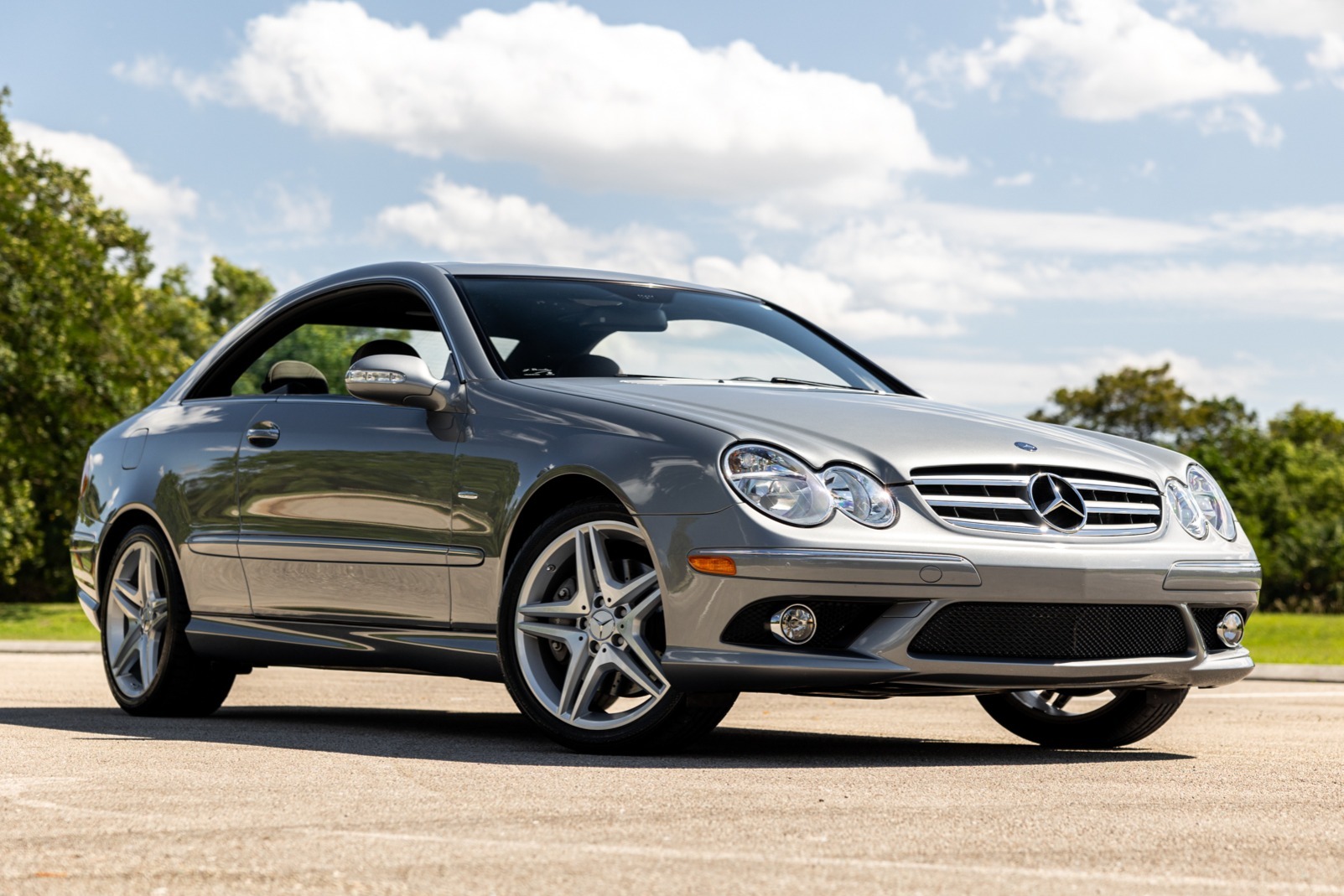
4. Mercedes-Benz CLK-Class (C209)
The CLK-Class C209, produced between 2002 and 2009, is another Mercedes model known for offering fewer repair problems compared to some others. Built as a stylish coupe with comfort in mind, the CLK also surprised many drivers with its lasting reliability.
The engines fitted in the CLK are known to be tough when properly serviced. V6 and V8 options both deliver strong performance without common breakdowns. Transmission problems are not widespread, and most owners say the gearbox stays reliable for years with routine servicing. Suspension parts are also strong, though, as with any car, they require replacement after long use.
One of the areas where the CLK does better than some other Mercedes models is its electrical system. Many Mercedes cars are known for electrical faults, but the CLK C209 has fewer reports of such troubles. This makes it less frustrating for owners, since electrical problems can often be expensive to fix.
Drivers also find the CLK easy to maintain compared to more advanced models. While it has luxury features, it does not overload owners with fragile electronics. Regular servicing, like oil changes, brake replacement, and tire care, usually keeps the car running smoothly.
Apart from being reliable, the CLK is admired for its stylish design and comfortable interior. Many who bought it during its production years still enjoy driving it today, showing that it was built to last. For buyers searching for a Mercedes that combines elegance with fewer service demands, the CLK C209 stands as one of the strongest choices in the brand’s history.
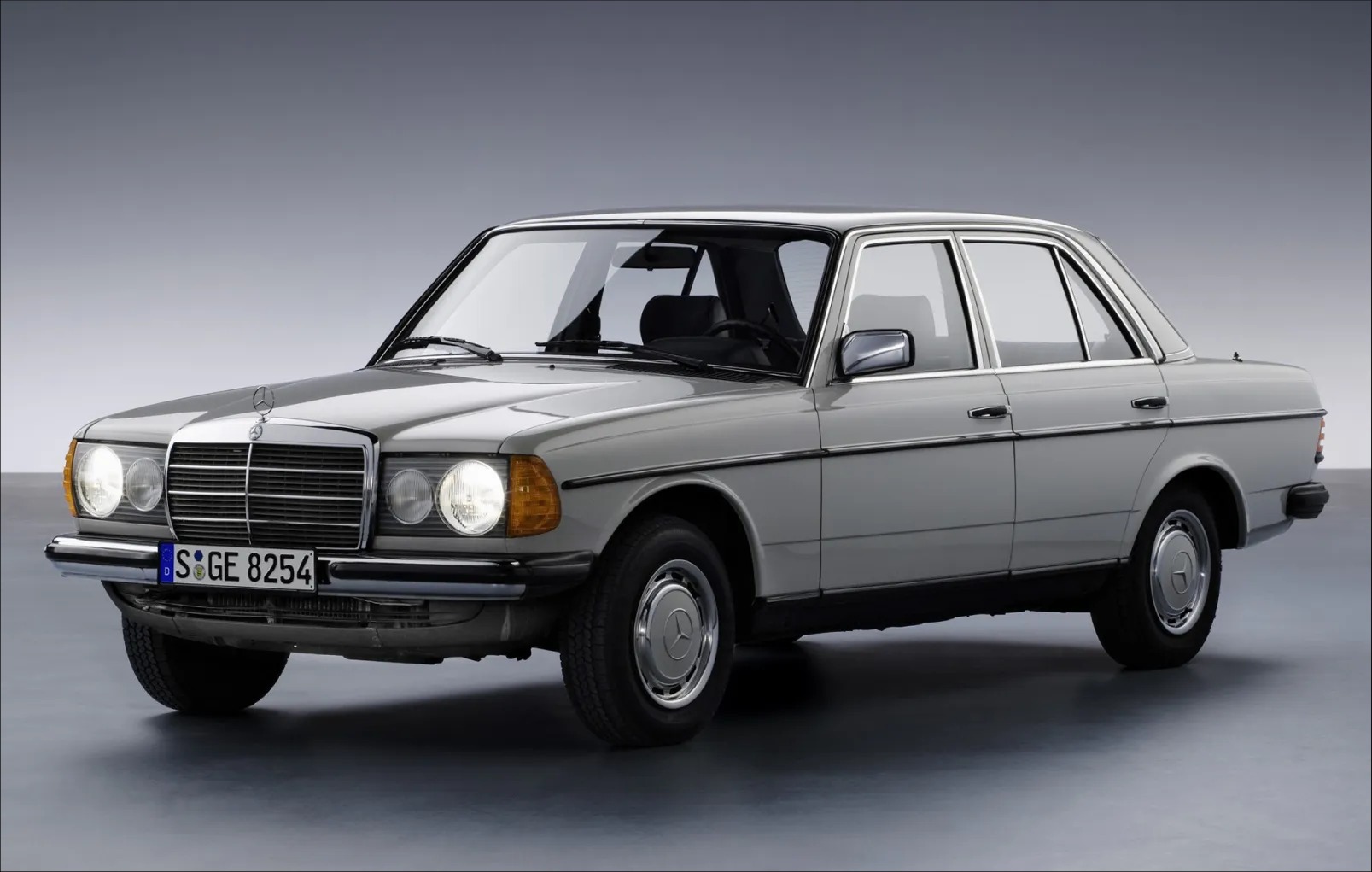
5. Mercedes Benz W123
The Mercedes W123, produced from 1976 to 1985, is widely respected as one of the strongest and most dependable Mercedes cars ever made. Owners often call it a car that can outlive its drivers if cared for properly. Across many countries, W123 models are still on the road, which shows how well they were built.
The W123 came with engines that were simple, reliable, and easy to maintain. Both petrol and diesel versions are known for lasting hundreds of thousands of miles without needing major repair. These engines were designed to keep running even under tough conditions.
Another reason the W123 needs less service is its strong body and suspension. The car was built with quality steel, making it resistant to damage. The suspension system is durable, and while parts eventually wear out, they last much longer than in many modern cars.
Electrical systems in the W123 are basic compared to modern cars, which reduces the chance of sudden faults. This makes ownership less stressful, as drivers do not have to deal with complicated electronics breaking down.
For many drivers, the W123 represents the traditional Mercedes strength. Routine maintenance, such as oil changes, brake service, and tire care, usually keeps the car running well. Spare parts are available worldwide, making it easier to keep the car in good condition.
The W123 is more than just a car; it is seen as a symbol of Mercedes engineering at its best. With fewer service demands and a long-lasting design, it continues to be remembered as one of the most reliable cars ever produced by the brand.
5 Mercedes Models That Often Require Service
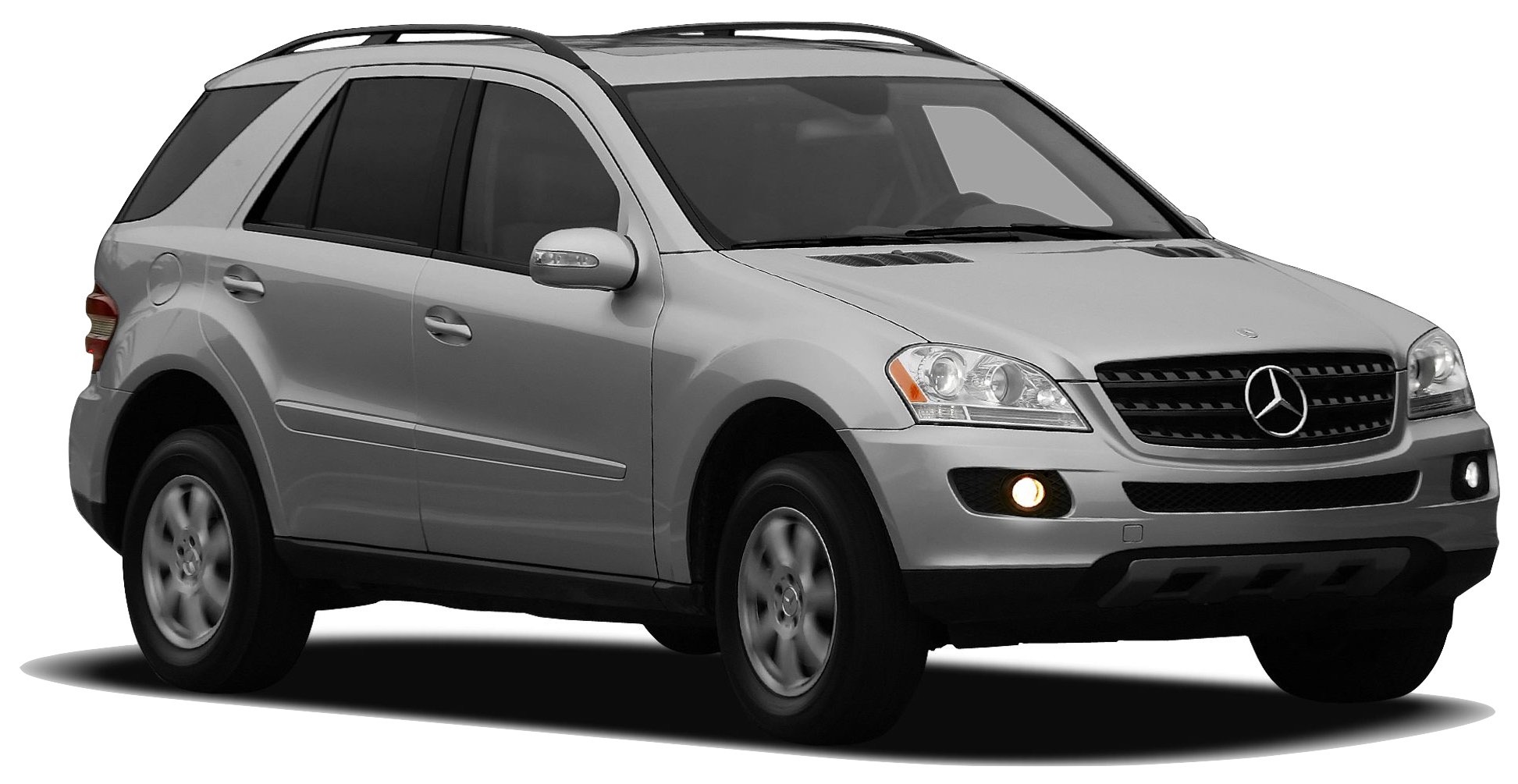
1. Mercedes-Benz ML-Class (W163)
The ML-Class W163, which arrived in the United States market in the late 1990s, was introduced as the first Mercedes-Benz SUV. At the time, it drew attention because it combined the comfort of a family vehicle with the prestige of the Mercedes badge.
Many drivers were excited to see the brand move into the SUV space, as it provided a larger, more versatile option for American buyers who wanted both luxury and space. However, while the vehicle gained popularity, it also developed a reputation for giving its owners many service-related headaches.
Reports from different users consistently pointed out that the car, though attractive in design, often demanded frequent mechanical and electrical repairs. One of the biggest issues with the W163 came from its transmission.
Drivers experienced failures much earlier than expected, sometimes before crossing 100,000 miles, which meant costly repairs or replacement. In a luxury car, this type of breakdown was disappointing, especially since Mercedes was known for producing long-lasting drivetrains.
Electrical faults were another major source of trouble. Owners complained about malfunctioning sensors, power windows that stopped working due to faulty regulators, and dashboard warning lights that would stay on even after problems had supposedly been fixed. These issues made daily driving stressful because the car often felt unreliable.
Apart from mechanical and electrical troubles, the build quality of the W163 was not up to the standard that many expected from Mercedes. Inside the cabin, plastic trim pieces cracked easily, buttons wore out faster than usual, and the general finish of the interior felt less premium compared to other models in the lineup. For a brand that usually prided itself on fine craftsmanship, this was a letdown.
Suspension problems added to the frustration. Many owners had to replace suspension parts regularly, especially as the car aged. This not only increased service costs but also affected ride comfort, as the SUV started making clunking noises or felt unstable on the road.
While the ML-Class W163 did succeed in introducing Mercedes into the SUV market and gave drivers a taste of luxury combined with utility, the constant need for repairs overshadowed its strengths. Many owners came to see it as a vehicle that spent too much time in service centers compared to other Mercedes models, making it one of the least dependable choices in the brand’s history.
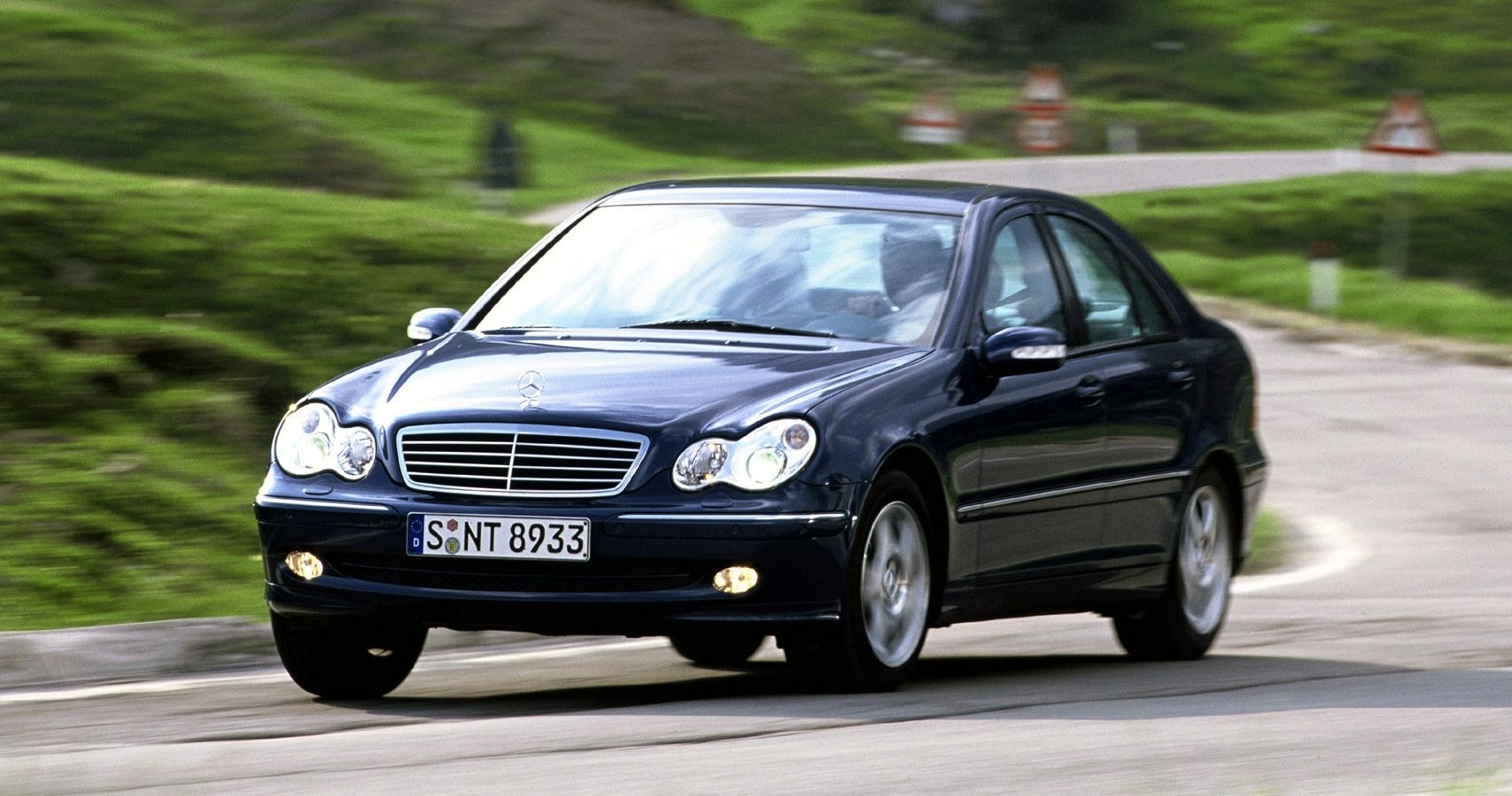
2. Mercedes-Benz C-Class (W203)
The C-Class W203, which was produced from 2000 until 2007, entered the market as a stylish compact luxury sedan that aimed to attract younger buyers with its modern looks and advanced features. At first glance, it seemed like a good step forward for Mercedes because it combined attractive design with updated technology.
However, over the years, it became clear that this model carried several reliability issues that reduced its appeal. Many drivers in the United States who bought the W203 found themselves returning to service centers far more often than they expected for a vehicle wearing the Mercedes badge.
Electrical problems stand out as one of the most frustrating aspects of the W203. The car’s onboard systems were sensitive, and many owners experienced constant trouble with sensors malfunctioning. Dashboard warning lights would stay on even after repairs, leaving drivers uncertain about the true condition of their vehicles.
Window regulators were another weak point, breaking repeatedly and leaving owners unable to operate their windows smoothly. These frequent faults made daily use more difficult and added to the general cost of ownership.
Transmission troubles also affected this generation of the C-Class. Some owners complained of rough gear changes, while others reported early failure of the automatic gearbox. A transmission replacement or major repair is costly, and this issue pushed the W203 into the category of cars that needed constant attention.
Suspension parts wore out faster than expected, too, creating noise when driving and reducing comfort on rough roads. This meant that owners often had to replace control arms, bushings, and other suspension parts earlier than they would in more reliable Mercedes models.
The W203 also faced problems with body durability. Rust became a major complaint, especially in areas with salty roads during winter. Rust appeared on wheel arches, door sills, and even under the paint, reducing the car’s lifespan and forcing many owners into expensive bodywork repairs.
The interior quality did not help matters either. While it looked stylish when new, many drivers reported that interior trim pieces wore out quickly, buttons became sticky, and plastics cracked earlier than expected. When the W203 was working well, it offered a comfortable and refined ride, which showed why many people were initially attracted to it.
Yet, because of its electrical faults, transmission failures, suspension issues, rust, and weak interior materials, it developed a reputation as one of the Mercedes models that required service too often. Compared to older generations like the W124 that were built with outstanding durability, the W203 disappointed many of its owners and became known as one of the less reliable cars in the Mercedes lineup.
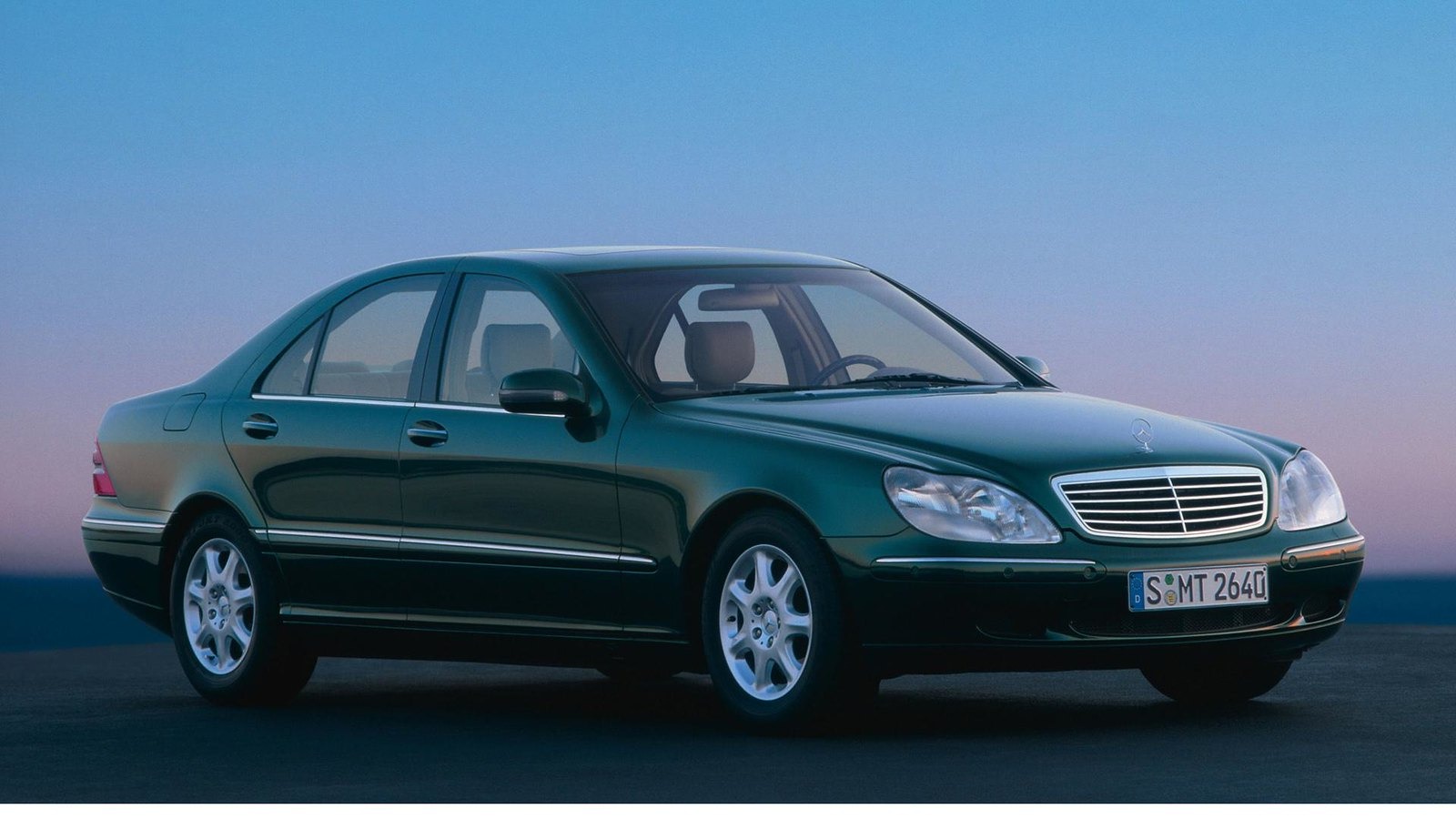
3. Mercedes-Benz S-Class (W220)
The S-Class W220, introduced in 1998, was designed to be one of the most advanced luxury sedans of its time. It introduced many new technologies, but those same technologies also became the reason why it required frequent service.
The biggest problem with the W220 was its air suspension system, known as AIRMATIC. While it gave a comfortable ride, the suspension parts often failed and were expensive to fix. Many owners had to replace air struts or compressors more than once, which made maintenance costly.
Electrical problems were another common complaint. With so many new electronic systems fitted into the car, it became vulnerable to failures. Owners experienced issues with the instrument cluster, navigation system, and various sensors. Rust was also a problem in the W220, especially in the early production years. Many cars developed rust on the body panels, which affected their long-term durability.
Even though the S-Class W220 gave drivers luxury and comfort, the cost of keeping it running well was high. Frequent service visits for suspension, electronics, and rust repairs made it one of the less dependable models in the Mercedes lineup.
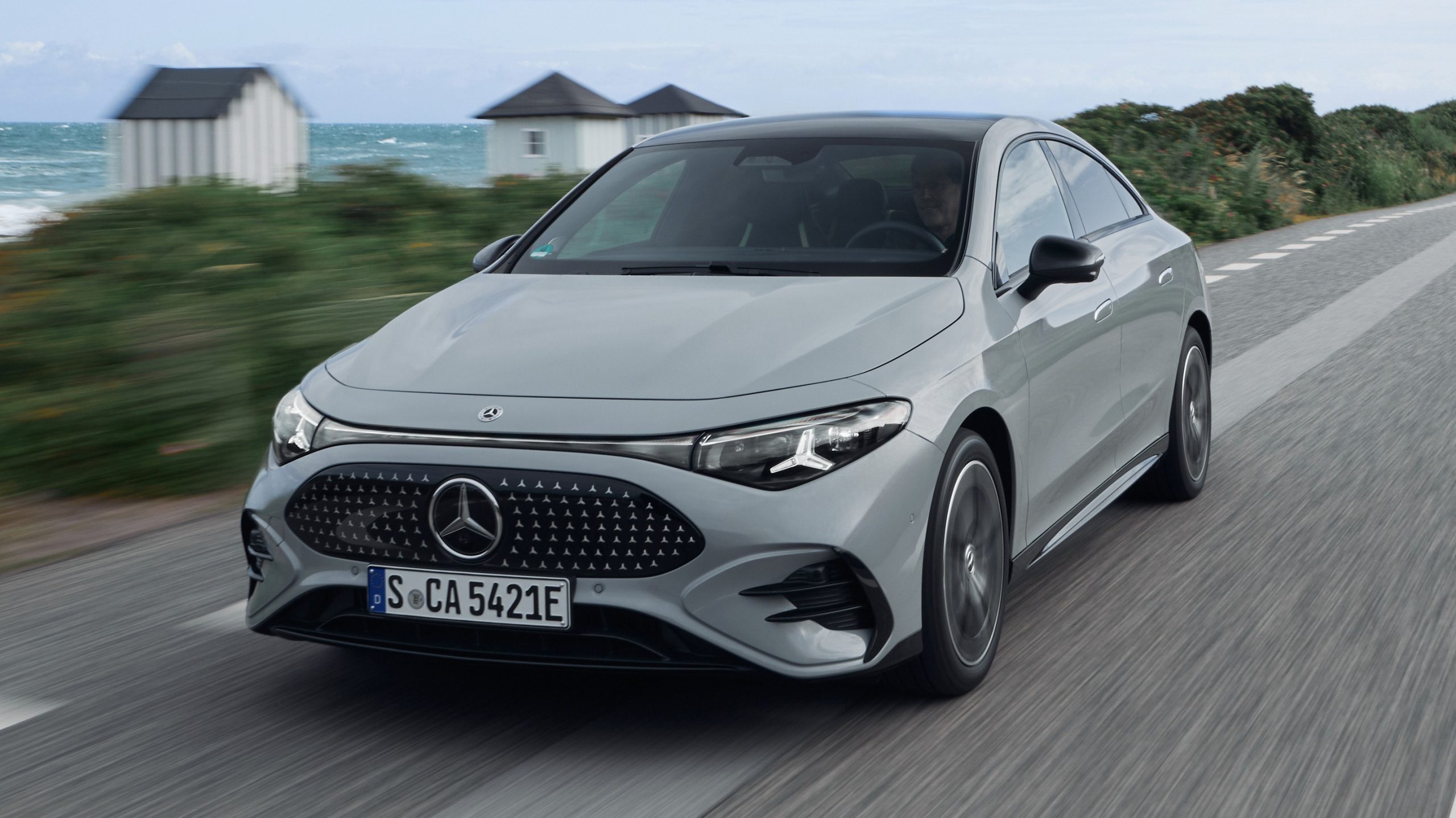
4. Mercedes-Benz CLA-Class (C117)
The CLA-Class C117, launched around 2013, attracted many younger buyers with its stylish design and lower price compared to larger Mercedes sedans. However, it also gained a reputation for service issues.
One of the main problems in the CLA is its dual-clutch transmission. Many drivers complained about rough shifting, jerking, and early failure of the gearbox. This issue required costly repairs and became a common reason for frequent service visits.
The CLA also faced problems with its engine. Some owners reported excessive oil consumption, which led to engine damage when not noticed early. Turbocharger issues were also reported, adding to the maintenance costs.
Interior quality was another weakness. While the design looked attractive, some materials wore out quickly, making the car feel less durable. Noise in the cabin also became an issue after some years of use. Electrical faults such as failing sensors and infotainment issues, added to the frustration. Many owners felt that the car did not meet the dependability standard expected from Mercedes.
Because of these problems, the CLA often requires more service compared to other models in the lineup. While it looks stylish and affordable, the high repair needs make it less appealing to those who want a trouble-free Mercedes experience.
Also Read: 5 Mercedes Models That Rarely Have Recalls vs 5 That Constantly Do
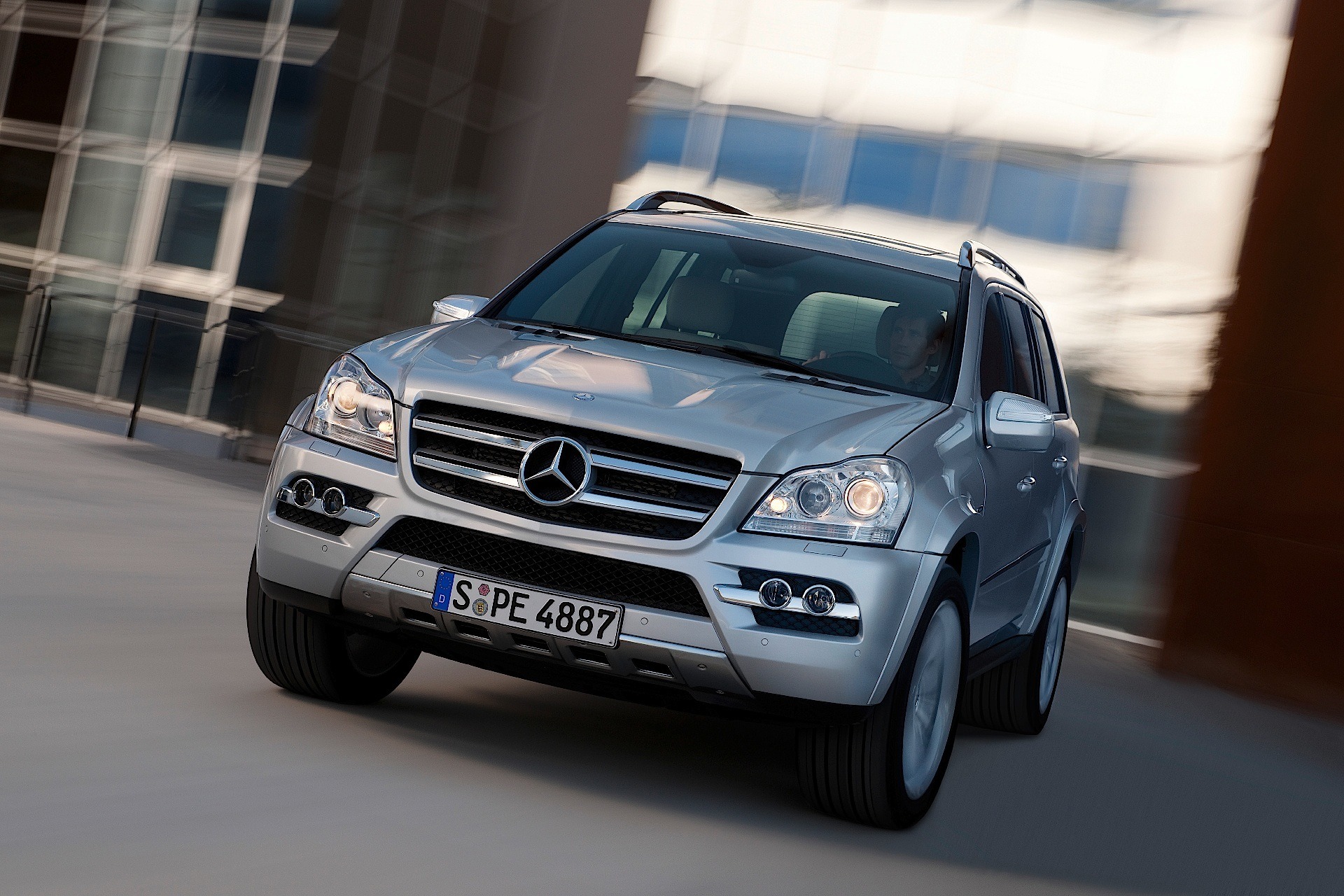
5. Mercedes-Benz GL-Class (X164)
The Mercedes-Benz GL-Class X164, introduced in 2006 and sold until 2012, was designed to be a full-size luxury SUV that could compete with large family vehicles in the United States market. At its launch, it impressed many buyers with its size, comfort, and powerful engine choices.
The SUV offered three rows of seating, making it attractive to families who wanted both luxury and space. On paper, it seemed like the perfect combination of practicality and prestige. Yet after some time, the GL-Class developed a reputation for being demanding in terms of service and repair, leaving many owners frustrated.
One of the main problems that gave owners stress was the air suspension system. This suspension, known as AIRMATIC, was designed to provide a smooth and adjustable ride. While it worked well when new, it often failed as the car aged.
Many drivers had to replace air struts, compressors, or height sensors multiple times during ownership. Each repair was expensive, sometimes costing thousands of dollars, and the problem could return after a few years. The failure of the suspension also made the car difficult to drive safely, as it could sit unevenly or lose stability on the road.
Electrical issues added to the long list of complaints. Owners reported frequent problems with the navigation system freezing or shutting down, faulty sensors triggering unnecessary warning lights, and electronic modules that controlled different features failing without warning.
These electrical troubles were especially frustrating because they were unpredictable and required professional repair, which was never cheap with a car like the GL-Class. The transmission also caused problems for some drivers. Rough shifting, hesitation when accelerating, or even complete gearbox failure were reported.
Repairing or replacing the transmission was another costly affair, adding to the already high ownership expenses. Apart from the air suspension, other suspension parts like control arms and bushings also wore out quickly.
The heavy weight of the GL-Class put extra pressure on these components, which meant they needed replacement more often than expected. While the GL-Class X164 provided comfort, space, and power, the frequent service requirements made it less enjoyable for many owners.
Drivers who bought the SUV expecting a smooth luxury experience often found themselves spending a lot of time and money in repair shops. This made the GL-Class one of the Mercedes models that struggled with dependability, despite its attractive features and strong presence on the road.
