
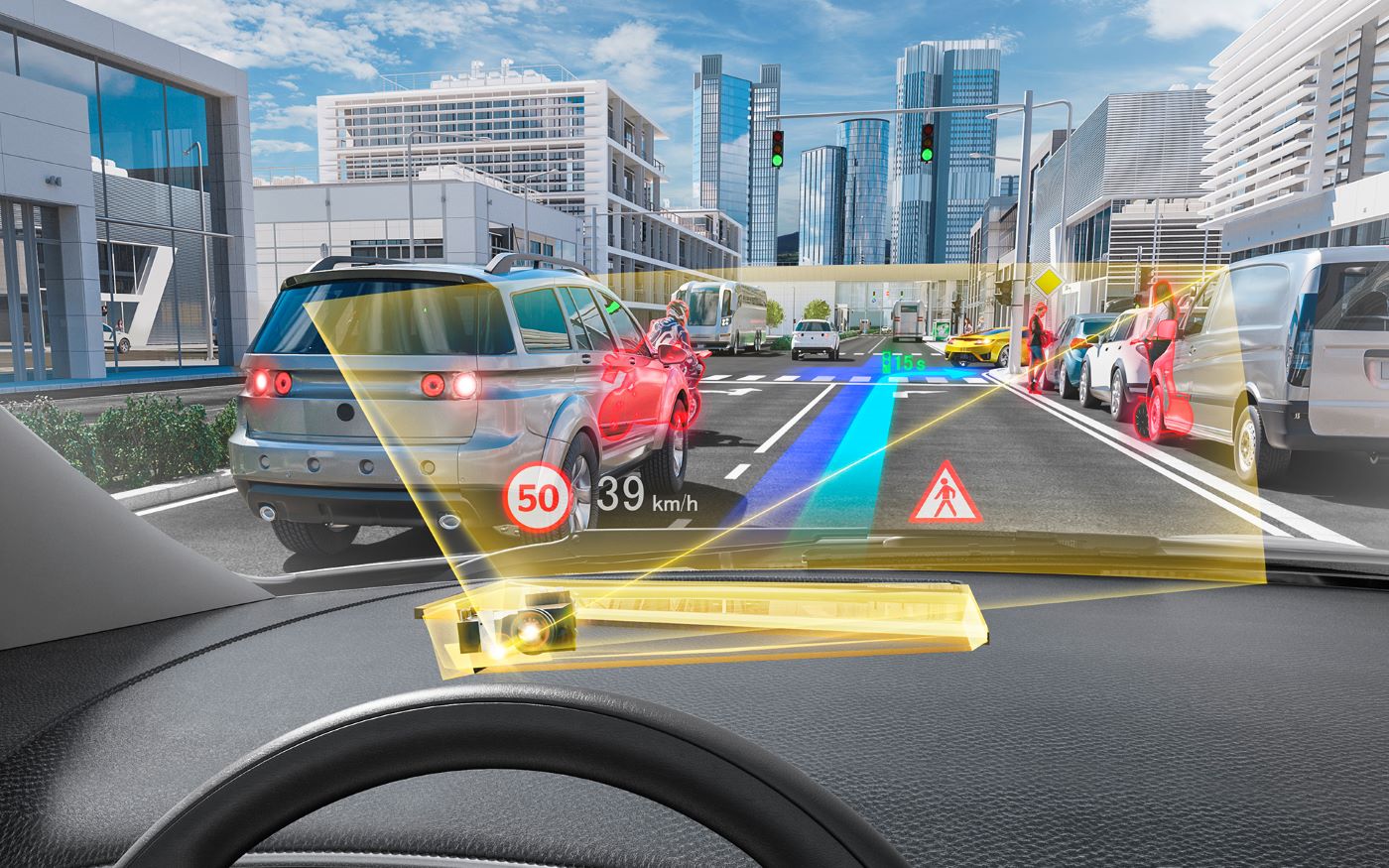
Ford is investigating the next stage of in-car display technology with a newly published patent for an adaptive head-up display (HUD), a system designed to intelligently adjust for each individual driver.
Unlike current HUDs, which project information at a fixed spot on the windshield, Ford’s concept is intended to adapt in real time based on the driver’s seating position, ensuring that the display always appears directly within their line of sight.
This development highlights Ford’s push toward smarter, more personalized cabin technology. As vehicles increasingly rely on digital interfaces, presenting information clearly and accessibly becomes not just a convenience but a safety necessity.
While the patent offers insight into Ford’s research direction, the company emphasizes that patent filings do not necessarily indicate plans for production.
According to the patent filed with the USPTO and discovered by Ford Authority, the adaptive HUD would use sensors to pinpoint the driver’s exact position and adjust the projection’s angle, size, or location accordingly.
Whether the driver is tall, short, reclined, or sitting upright, the HUD recalibrates automatically to maintain optimal visibility. It goes beyond today’s manually adjustable HUDs by providing automated, continuous optimization.
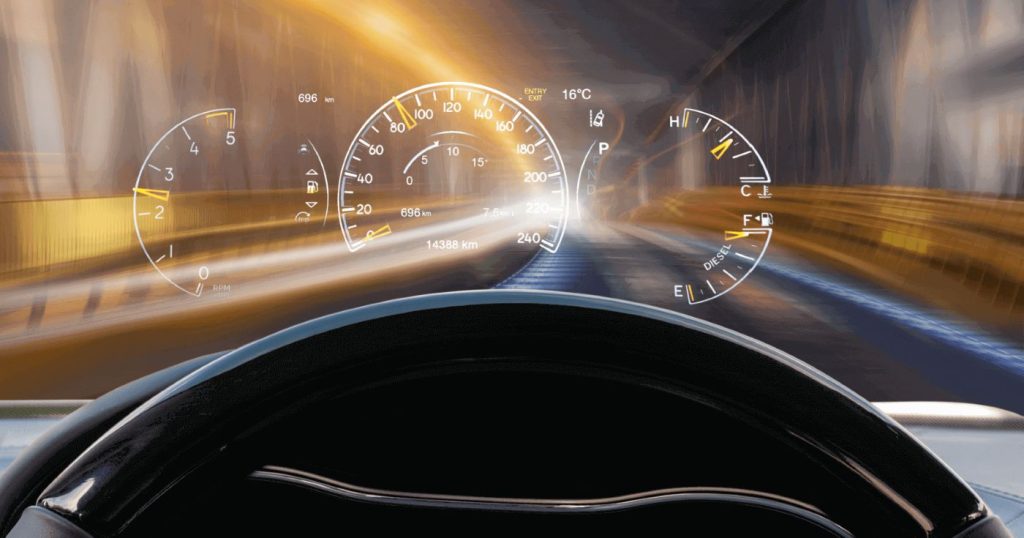
The system is also designed to mitigate issues such as glare, distortion, and misalignment by constantly fine-tuning the projected graphics. This ensures that critical information, including speed, navigation instructions, and safety alerts, remains sharp and easy to read.
In a statement about the patent filing, Ford told the publication: “Submitting patent applications is a normal part of any strong business as the process protects new ideas and helps us build a robust portfolio of intellectual property.
The ideas described within a patent application should not be viewed as an indication of our business or product plans.
No matter what the patent application outlines, we will always put the customer first in the decision-making behind the development and marketing of new products and services.”
If it reaches production, Ford’s adaptive HUD could give the automaker a notable edge in the growing field of smart cabin technologies. The innovation is designed to be virtually invisible, seamlessly adjusting so that drivers do not need to intervene.
More importantly, it reflects the industry-wide trend toward personalized, sensor-driven vehicle interiors.
While Ford remains cautious about interpreting patents as definitive product plans, this filing offers a glimpse into a future where HUDs dynamically shape themselves around individual drivers.
