
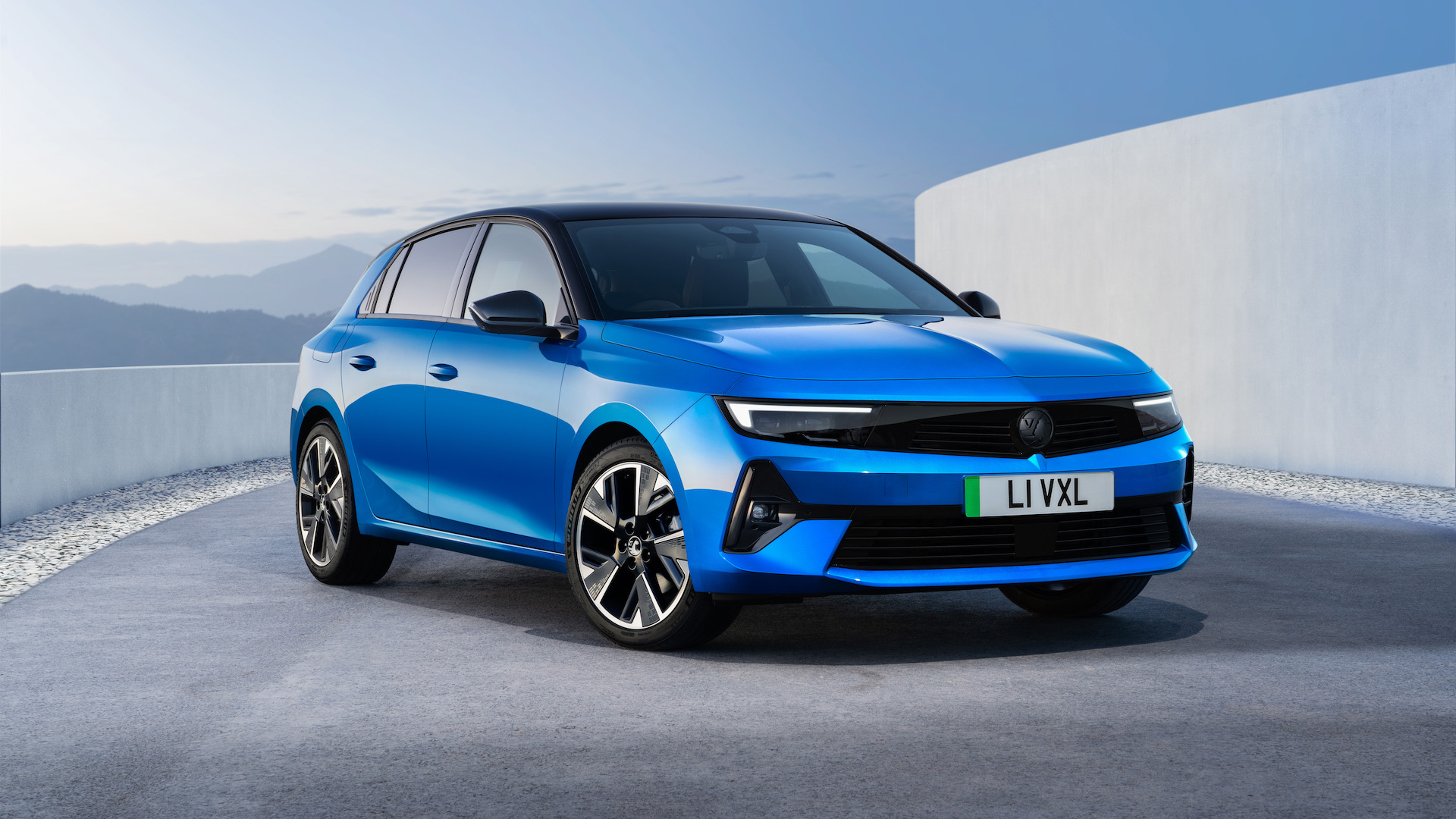
Vauxhall has updated the Astra with a refreshed design inspired by the brand’s 2023 Experimental concept, along with an increased range for the electric version.
The facelifted front end now highlights Vauxhall’s ‘Compass’ motif, previously a subtle feature of the Astra. A pronounced crease runs through the centre of the bonnet and is complemented by LED lighting to accentuate the front Vauxhall badge, which is now illuminated for the first time on the Astra.
Inside, the ‘Intelli-seats’, once reserved for higher trims, are now standard across the range. Featuring a channel in the seat bases inspired by bicycle saddles, these seats are designed to relieve pressure on the tailbone during longer journeys. The upholstery is now crafted entirely from recycled materials.
The Astra’s powertrain lineup largely carries over, starting with a 128-hp turbocharged four-cylinder petrol engine paired with a manual gearbox. Moving up, a 143-hp hybrid combines a six-speed dual-clutch automatic, while 192-hp and 222-hp plug-in hybrids round out the options.
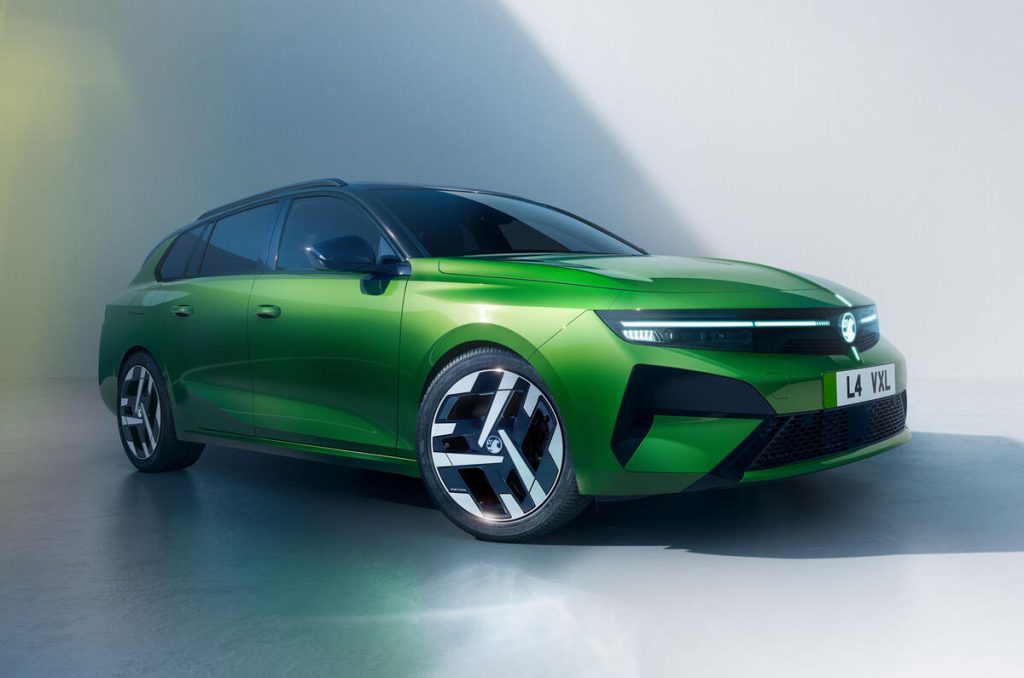
The Astra Electric has been upgraded with a new battery pack containing more energy-dense cells, raising its usable capacity from 51 kWh to 55.4 kWh. This boost extends its range by 22 miles to 282 miles on a full charge. Peak charging remains at 100 kW, but the charging port now supports vehicle-to-load (V2L) functionality, allowing the EV’s battery to power external devices via an adaptor.
Pricing for the internal combustion models is expected to remain similar to previous levels, starting at around £27,000. The EV, however, is likely to see a notable price reduction, following the example of the closely related Peugeot e-308, which recently dropped from just under £40,000 to £30,245 with support from the UK government’s £1,500 Electric Car Grant.
The updated Astra, available in both hatchback and estate forms, is set to debut at the Brussels Motor Show on 9 January.
Also Read: 9 Compact SUVs With Big, Useful Mirrors For Visibility
