
If you were counting on easing interest rates, richer incentives, or simple buyer fatigue to finally pull new-car prices back down, the latest data suggests that’s not happening anytime soon.
Fresh numbers paint a clear picture: the average transaction price for a new vehicle in the U.S. reached $49,814 in November, and there’s little indication that prices are heading lower.
That figure represents a 1.3 percent increase compared with the same time last year and is virtually unchanged from October, reinforcing the idea that the market has settled into a new reality where spending close to $50,000 on a new car is considered normal.
It was noted that prices typically crest in December, meaning the year-end buying season could push averages even higher as shoppers continue to gravitate toward heavily optioned trucks, upscale SUVs, and vehicles aimed squarely at buyers with six-figure incomes and minimal budget anxiety.
Incentives haven’t disappeared, but they’re no longer carrying the weight they once did. In November, incentives averaged 6.7 percent of transaction prices, down from nearly 8 percent a year earlier.
Manufacturers simply don’t need to lean hard on discounts when customers consistently choose pricier trims loaded with panoramic sunroofs, oversized infotainment screens, and premium wheels.
The data highlights an unmistakable trend: affordable cars are rapidly fading from the sales landscape. Vehicles with MSRPs below $30,000 accounted for just 7.5 percent of all new-car sales in November, a sharp decline from 10.3 percent a year earlier.
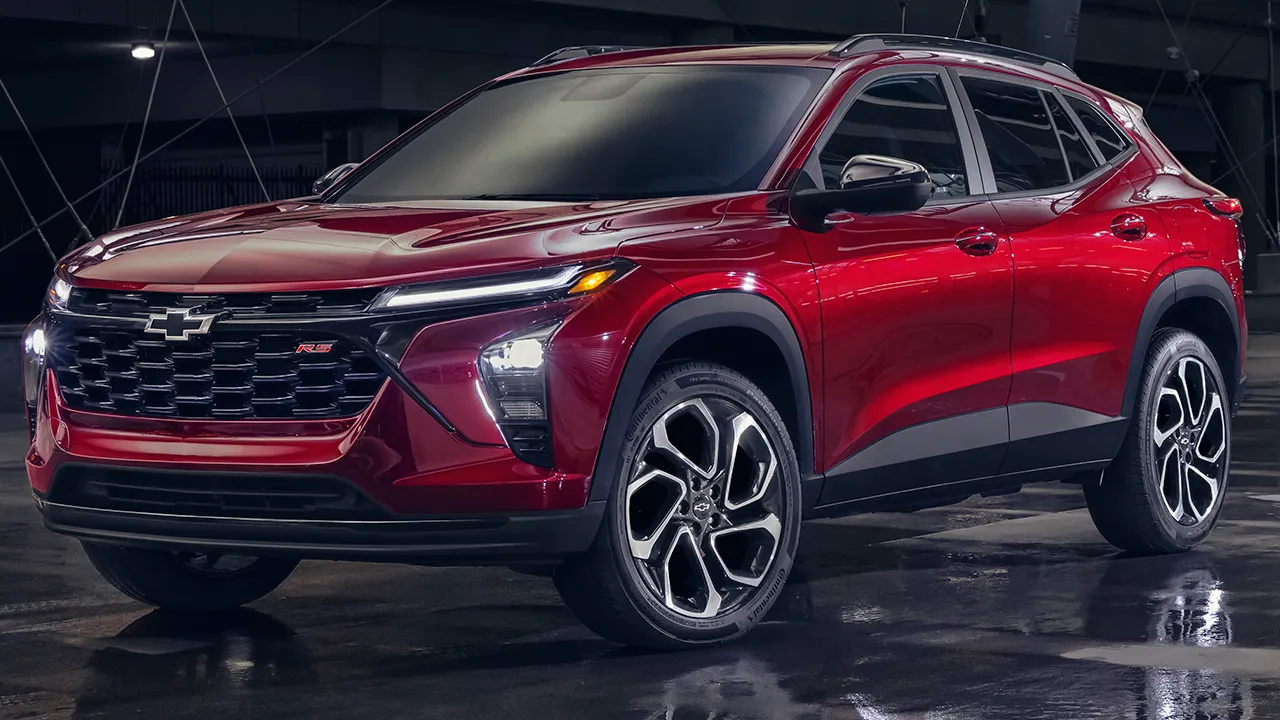
At the other end of the spectrum, more than 10 percent of vehicles sold carried price tags north of $75,000. The few sub-$30K holdouts, models like the Toyota Corolla, Chevrolet Trax, and Hyundai Elantra, are still hanging on, but increasingly look like endangered species.
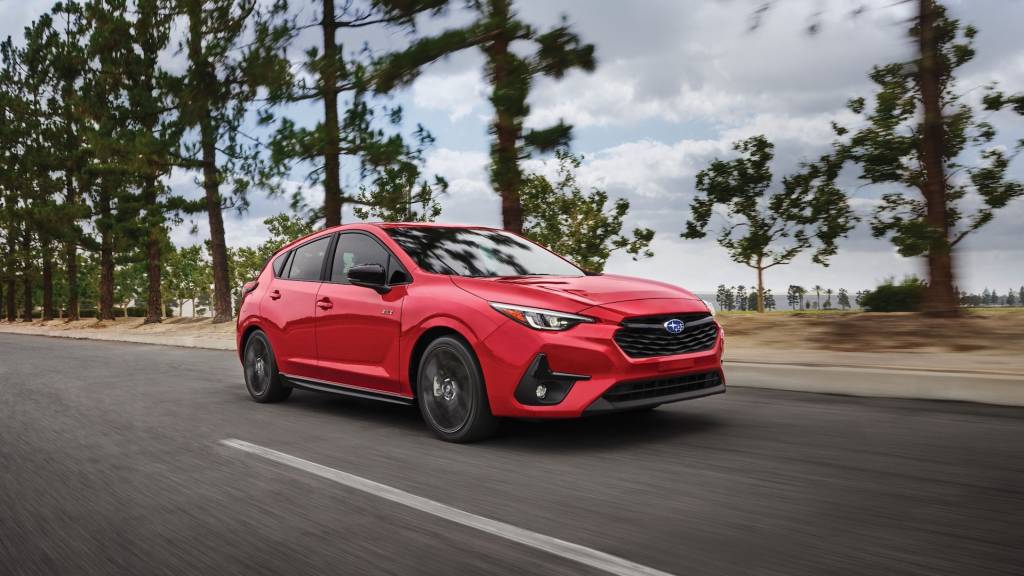
While transaction prices have largely plateaued for now, average MSRPs, often referred to as sticker prices, continue to climb. In November, the average MSRP reached $51,986, marking a 1.7 percent increase year over year.
Trucks remain a major driver of overall price inflation. Full-size pickups have averaged more than $70,000 for the third consecutive month and represented over 14 percent of total sales in November, with nearly 183,000 units sold. That alone helps explain why the industry-wide average keeps rising even as compact and midsize segments remain relatively steady.
Electric vehicles add another wrinkle to the picture. The average EV transaction price dipped slightly month over month to $58,638, but is still up 3.7 percent compared with last year. Incentives surged to more than 13 percent of EV prices as demand softened again, with sales falling over 40 percent year over year.
Tesla’s average transaction price climbed to $54,310 in November, despite sales dropping 22.7 percent compared with the same period last year, largely due to weakening demand for the Model 3.
Prices for the Model Y, the best-selling EV in the U.S., ticked up slightly. Meanwhile, Cybertruck sales fell to 1,194 units, its lowest monthly total of 2025, even as its average transaction price rose to $94,254.
The conclusion is hard to avoid: prices remain high because buyers continue to spend big. Until that changes, the average American driveway will keep getting more expensive.
The real concern is whether this trend discourages automakers from investing in genuinely affordable vehicles, models that many Americans still depend on, even as the market continues to move upmarket.
