
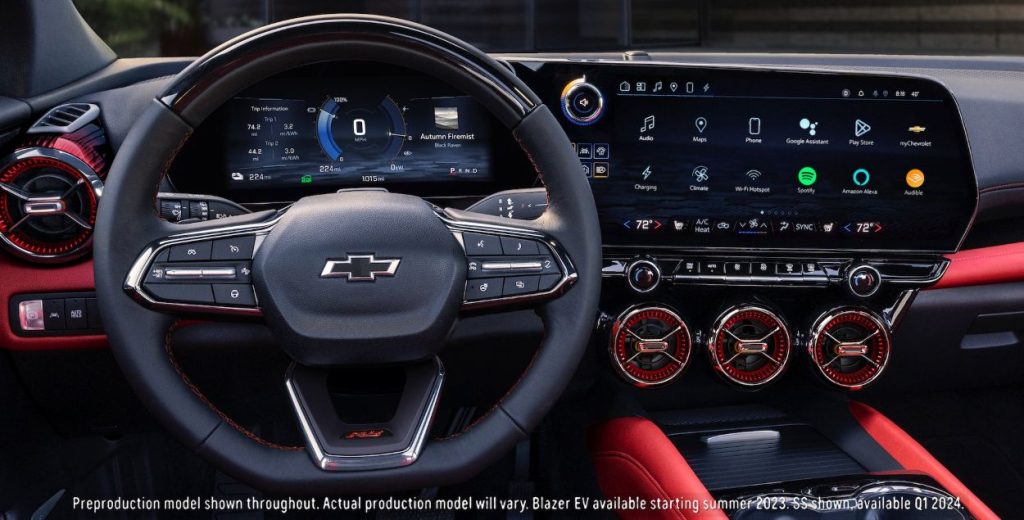
General Motors is making a calculated play that could have drivers questioning how much they really rely on Apple CarPlay. As of now, the automaker is rolling out native Apple Music integration across select 2025 and newer Chevrolet and Cadillac vehicles, allowing the streaming service to operate directly within the car’s infotainment system, no iPhone required.
This isn’t a mirrored version of Apple Music like you’d get through CarPlay. Instead, the app runs natively on GM’s in-house infotainment software. That distinction matters.
It means fewer dropped connections, no cable clutter, and none of the occasional wireless lag that frustrates plenty of drivers. For anyone who just wants to get in the car and hit play, this approach removes a lot of friction.
With this setup, eligible GM vehicles gain full access to Apple Music’s catalog and features straight from the dashboard. That includes ad-free listening to more than 100 million songs, curated playlists, exclusives, live global radio, and personalized recommendations, all without pairing or plugging in a phone.
GM says this audio streaming capability is baked into OnStar Basics, the company’s standard package of connected services for all 2025 and newer vehicles in the U.S. and Canada.
OnStar Basics already includes features like Automatic Crash Response, remote vehicle commands, Google Maps, Google Assistant, and built-in navigation. Adding Apple Music to that mix means owners can stream at no extra cost for up to eight years from the date of purchase.
“We are bringing the Apple Music app to GM vehicles in a way that takes full advantage of our industry-leading audio capabilities,” Tim Twerdahl, GM’s vice president of global product management, said in a statement. “It’s the latest example of how we’re expanding entertainment choices built directly into our vehicles.”
While the feature is useful across the board, Cadillac drivers stand to gain the most. In those vehicles, native Apple Music unlocks the service’s full Spatial Audio catalog with Dolby Atmos, effectively turning the cabin into what GM calls a “studio-grade acoustic space.”
GM points to models like the 2026 VISTIQ as a prime example. Equipped with a 23-speaker AKG sound system and Dolby Atmos-enabled speakers placed throughout the cabin, the vehicle is designed to deliver what the company describes as “an immersive, three-dimensional sound environment designed around the vehicle’s acoustics.”
According to GM, Apple Music’s spatial audio transforms the VISTIQ interior into a “soundstage where instruments occupy distinct physical spaces and vocals float precisely where the artist intended.”
The initial rollout focuses on Chevrolet and Cadillac, with Buick and GMC models slated to follow. On the Cadillac side, the list includes the 2025 and 2026 CT5, the 2025 Escalade IQ, and the 2026 VISTIQ, which gets the full Spatial Audio experience.
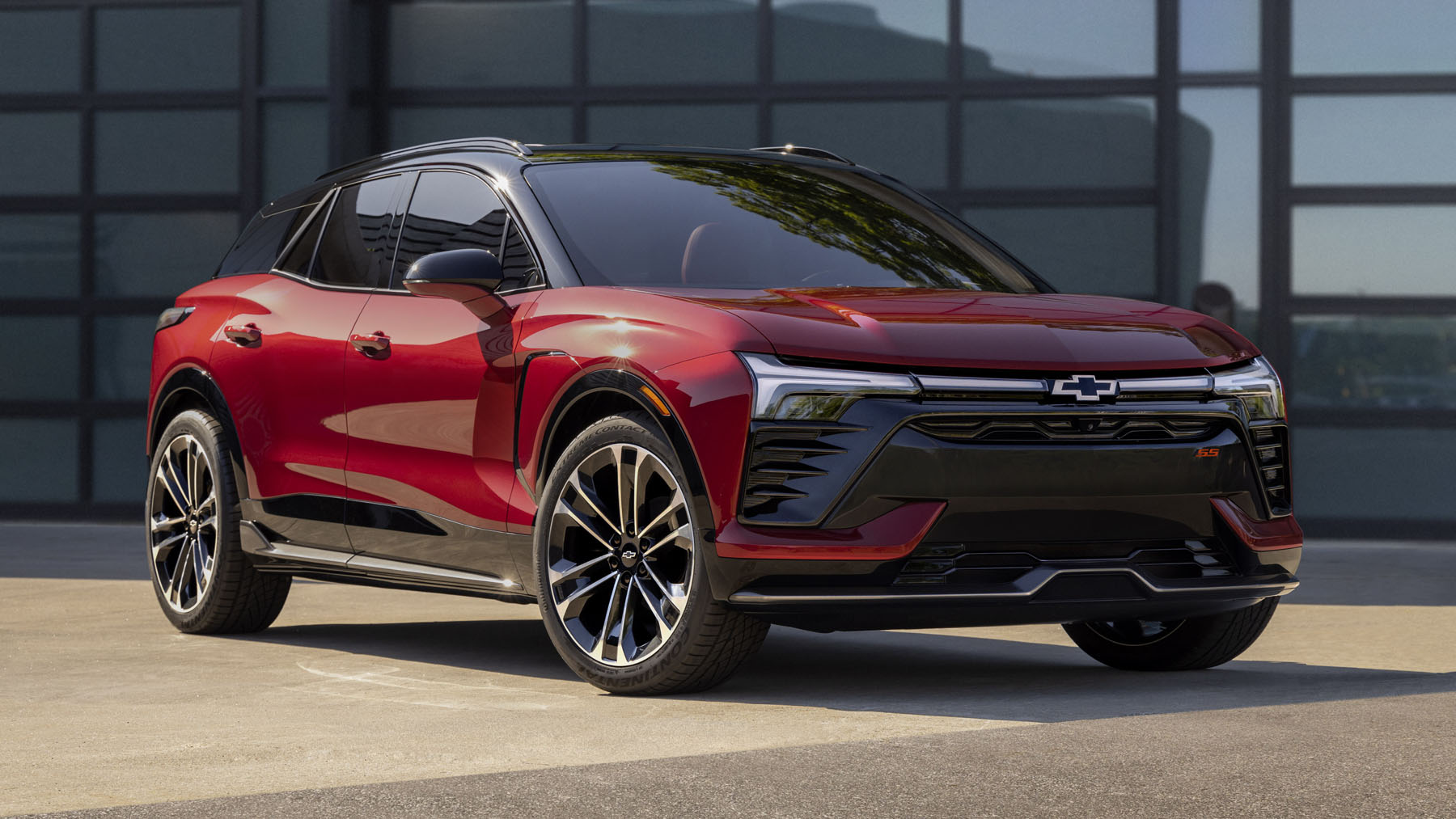
Chevrolet models gaining native Apple Music support include the 2025 and 2026 Blazer EV, Equinox EV, and Silverado EV, along with the 2026 Corvette, Suburban, and Tahoe. GM is also planning support for the upcoming 2027 Chevrolet Bolt.
For existing Apple Music subscribers, setup is simple: sign in using your current account through OnStar and start streaming. New users can sign up directly from the infotainment screen with just a few taps.
The app appears automatically in eligible vehicles following the latest software update, with no manual downloads required. Because the service runs through GM’s continuous delivery system, new features and improvements can be pushed over the air well after the vehicle leaves the dealership.
This move follows GM’s earlier clarification around its decision to phase out Apple CarPlay and Android Auto in its electric vehicles. After comments from CEO Mary Barra sparked confusion, the company told MacRumors that CarPlay and Android Auto will remain in gas-powered vehicles “for the foreseeable future.” EVs, however, are a different story.
GM plans to introduce a new centralized computing platform with a conversational AI assistant starting with the 2028 Cadillac Escalade IQ. At the time, the automaker said the AI would help handle everyday tasks by being “fine-tuned with your vehicle’s intelligence and your personal preferences, all connected by OnStar.”
GM isn’t alone in pushing toward deeply integrated infotainment systems that don’t rely on smartphone mirroring. Tesla and Rivian have taken this route for years, and luxury brands like Mercedes-Benz also favor built-in platforms that support services such as Spotify and Tidal.
Straight talk: this approach is often cleaner and less annoying than dealing with CarPlay or Android Auto. No cables. No Bluetooth weirdness. Just get in and listen. Using Spotify in a Rivian, for example, feels more like tuning into SiriusXM than managing a phone-based app.
The bigger question is what comes next. If GM expands this partnership to include services like Audible, Spotify, or Tidal, the value proposition gets even stronger, especially when lossless audio enters the picture. In a well-equipped Cadillac, that kind of sound quality could be downright impressive.
Also Read: Top Wild Car Collections Owned by Formula 1 Drivers in 2025
