
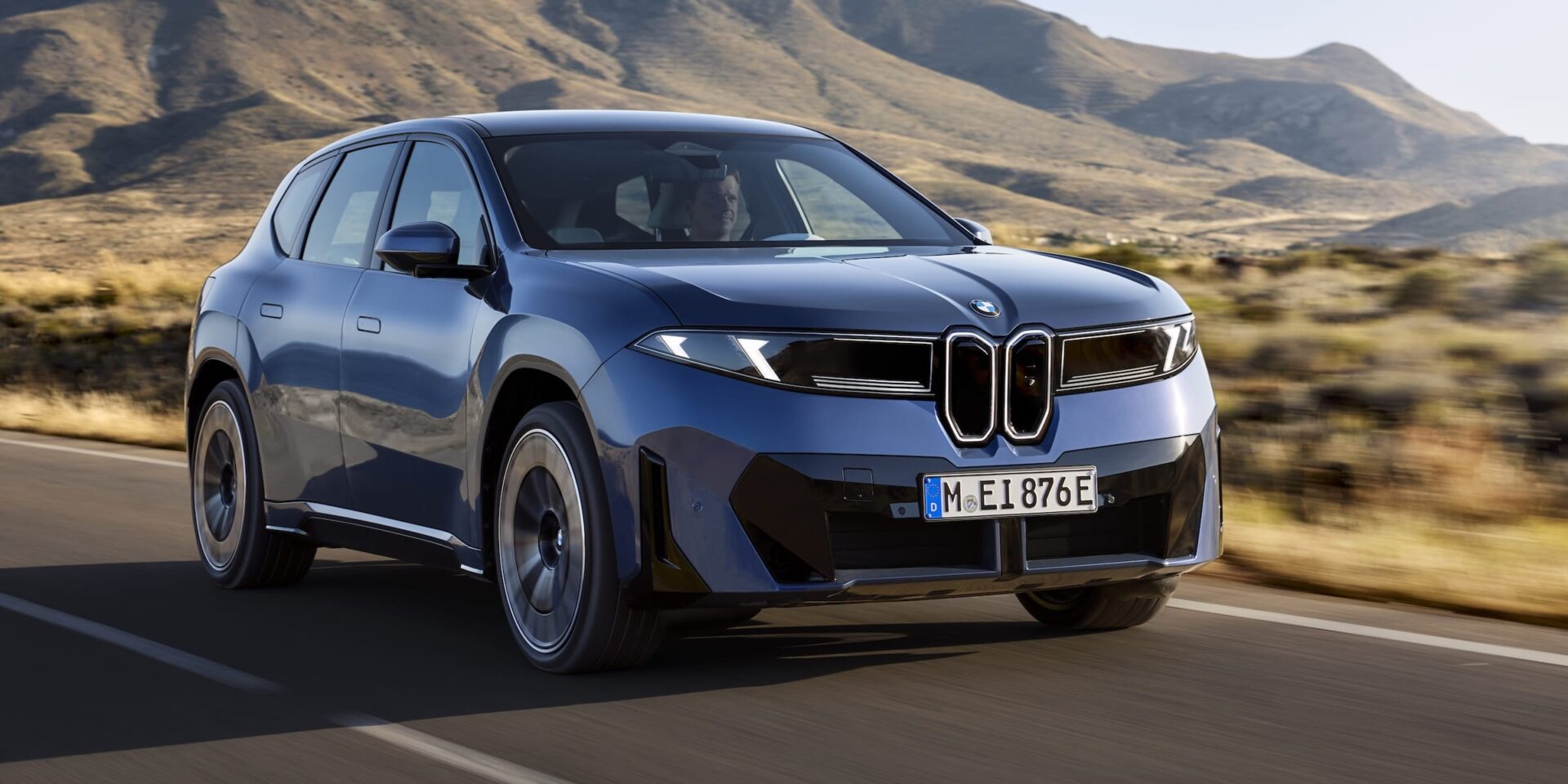
BMW’s iX3 represents more than just a new electric vehicle; it is the inaugural model built on the brand’s next-generation Neue Klasse platform.
Its launch in Europe has proven exceptionally successful, with demand already claiming nearly the entirety of the planned production for the 2026 model year, even before the vehicle becomes available in the United States.
Following its debut at the IAA Mobility Show in Munich in September, the electric iX3 has demonstrated strong market appeal. In Germany, it has already outsold the traditional gasoline-powered X3.
Initial production of the iX3 is centered at BMW’s new manufacturing facility in Debrecen, Hungary, which has an annual capacity of up to 150,000 vehicles. While it is uncertain if this volume will be immediately reached, BMW has additional production plans to meet global demand.
A long-wheelbase version of the iX3 will begin production in Shenyang, China, in 2026. Furthermore, standard-wheelbase models are scheduled to be built at the plant in San Luis Potosí, Mexico, starting in 2027.
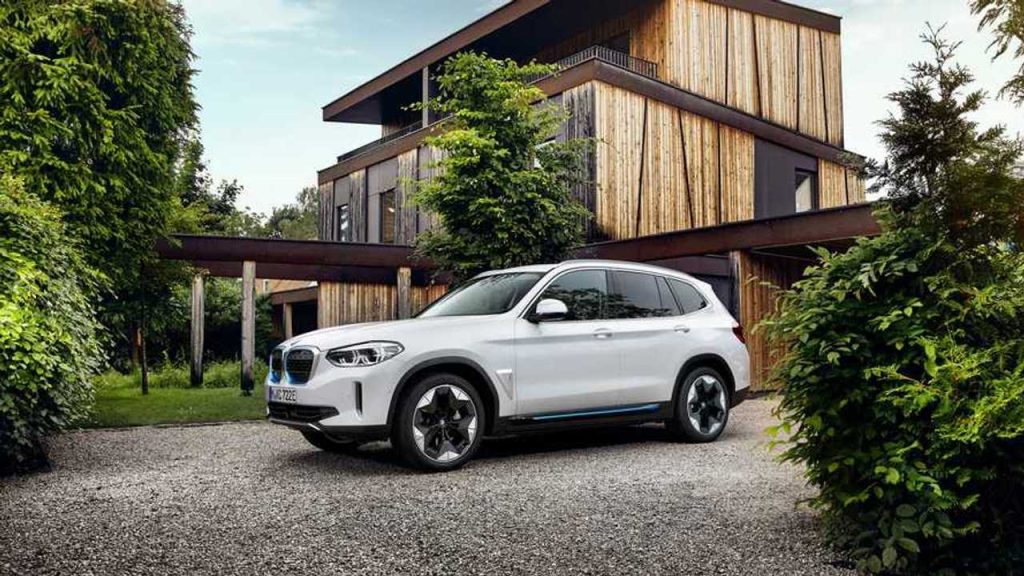
European customers will be the first to receive the iX3, with deliveries commencing in the spring of next year.
The United States market will follow, with an anticipated launch in the summer. The initial variant for the U.S. will be the iX3 50 xDrive, with more affordable rear-wheel-drive and smaller-battery options expected to join the lineup at a later date.
For American buyers, the iX3 50 xDrive is anticipated to have a starting price of approximately $60,000 upon arrival.
It will feature BMW’s latest Panoramic iDrive infotainment system and advanced fast-charging technology. Equipped with a dual-motor, all-wheel-drive setup, it produces around 463 horsepower and 476 lb-ft of torque.
Charging performance is a key highlight. Using a 400 kW DC fast charger, the iX3 can regain an estimated 175 to 230 miles of range in just 10 minutes. A charge from 10 to 80 percent battery capacity takes approximately 21 minutes when connected to a high-power charger.
The vehicle is powered by a 108.7-kWh usable battery pack built on BMW’s new 800-volt architecture. This system utilizes cylindrical cells for improved energy density.
BMW estimates an EPA-rated range of up to 400 miles on a full charge, a conservative figure compared to the brand’s own test in Germany, where a prototype reportedly traveled over 621 miles on a single charge.
