
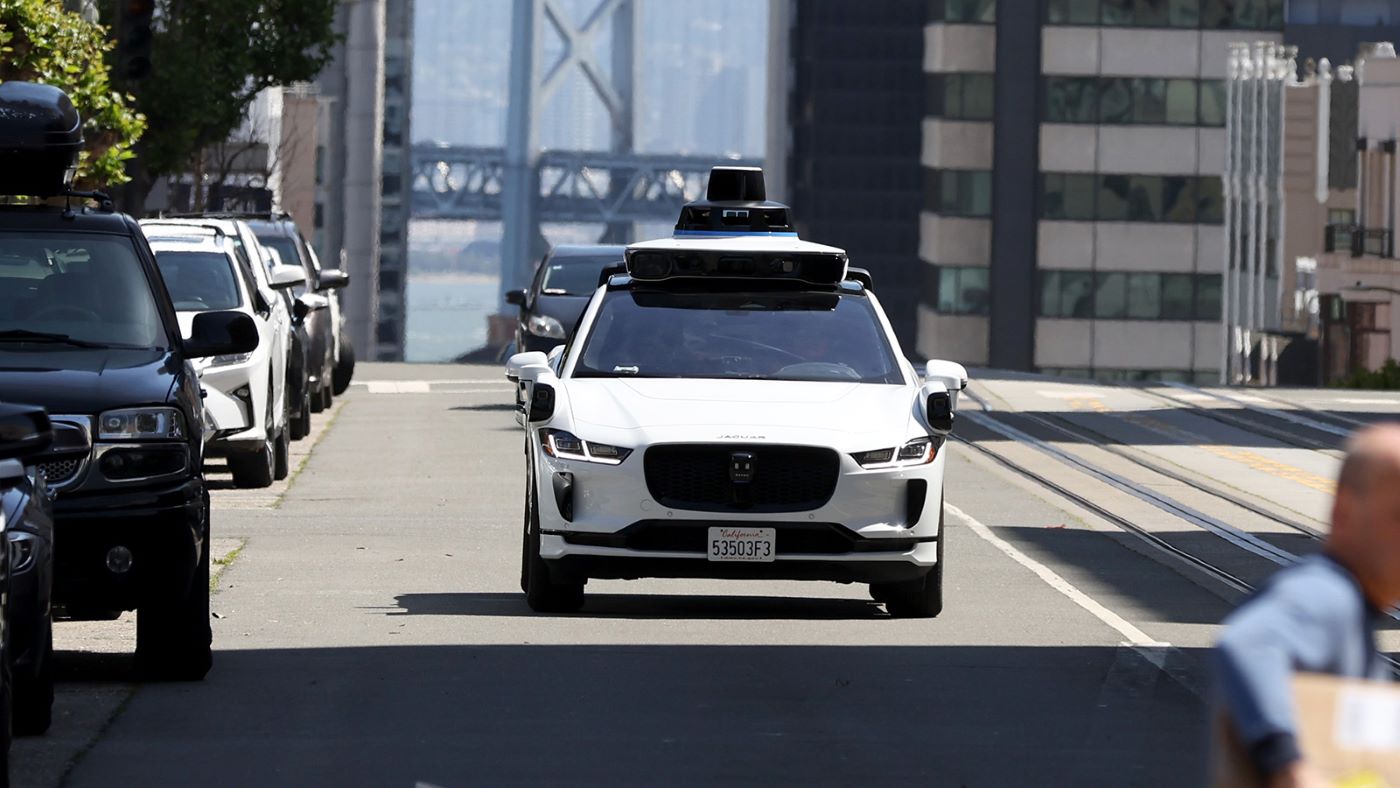
A major power outage in San Francisco turned Waymo’s autonomous fleet into temporary roadblocks, leaving vehicles immobilized at intersections and in live lanes.
While the cars did not suffer hardware failure or software crashes, their fail-safe protocols kicked in so conservatively that they effectively “bricked” themselves, forcing Waymo to pause operations while crews cleared the streets.
The incident began when a substation fire triggered a citywide power loss, knocking out traffic lights across large portions of San Francisco. Waymo’s autonomous cars are programmed to treat dark signals as four-way stops and, in certain cases, request confirmation from remote human supervisors before proceeding. Normally, this remote assistance acts as a safety backup.
During the blackout, thousands of intersections went dark simultaneously, causing a massive spike in requests for human review.
The support system could not keep up, leaving vehicles stuck waiting for approvals that were delayed or never arrived.
On the streets, clusters of driverless Jaguars sat motionless with hazard lights on, sometimes nose-to-tail, blocking buses, cross traffic, and turning lanes. Pedestrians and drivers described the scene as less a display of advanced AI than a fleet of stationary barriers.
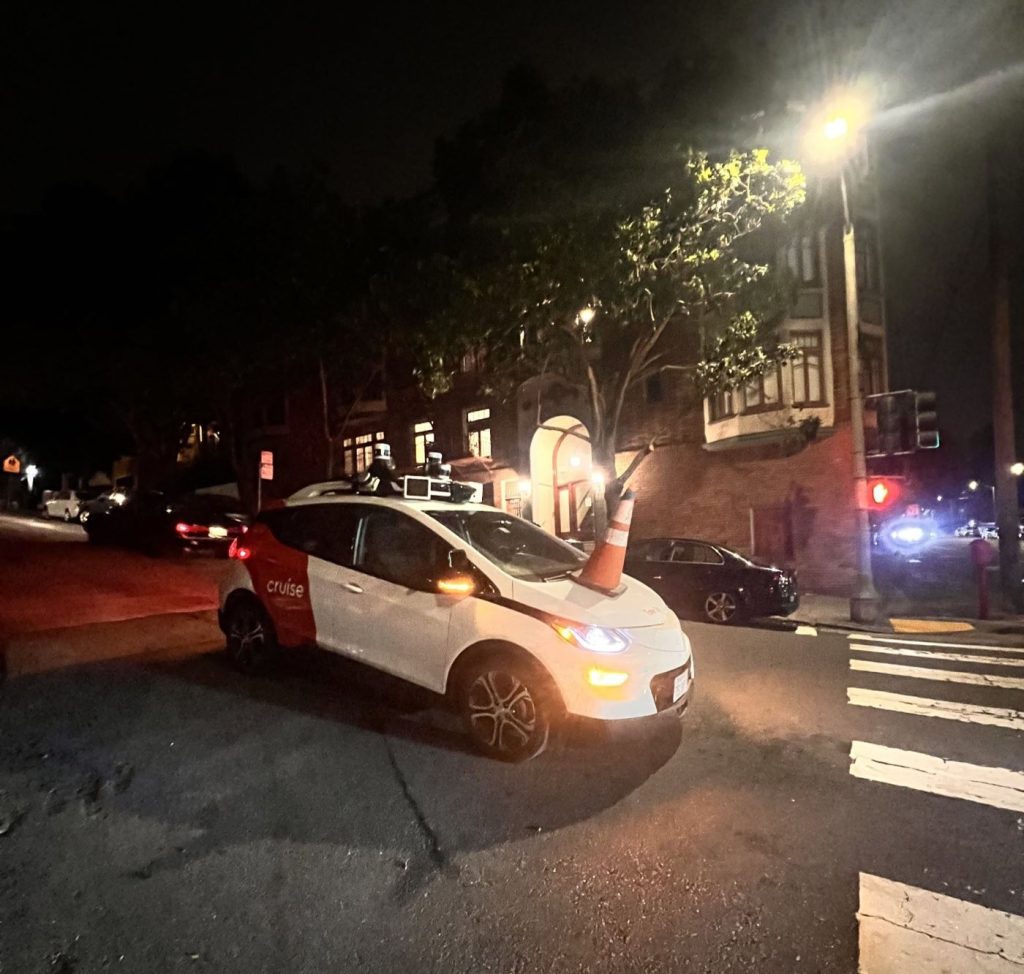
Waymo clarified that its cars successfully navigated thousands of blackout-affected junctions, emphasizing that the problem was not isolated software failure but rather an overload of edge cases.
The outage created more simultaneous requests than the system could handle, leaving vehicles trapped in conservative fail-safe logic. The company has pledged software and operational changes so its cars can better recognize large-scale outages and prioritize safely pulling over rather than stopping in intersections.
The blackout comes amid ongoing scrutiny of Waymo’s safety record. Earlier this year, the company issued a software recall after its robotaxis had issues around stopped school buses.
There have also been smaller incidents in San Francisco, including low-speed collisions and awkward interactions with cyclists, pets, and emergency vehicles.
The blackout served as an unplanned stress test for Waymo, which is actively expanding its robotaxi service to new markets. The incident raises questions about how resilient autonomous systems are when infrastructure fails at scale.
Waymo’s response, pausing service, promising software fixes, and collaborating with regulators, demonstrates awareness of the stakes. For city officials and riders, the blackout highlighted that autonomous fleets must navigate not only typical traffic but also rare, large-scale failures without becoming stranded hazards.
