
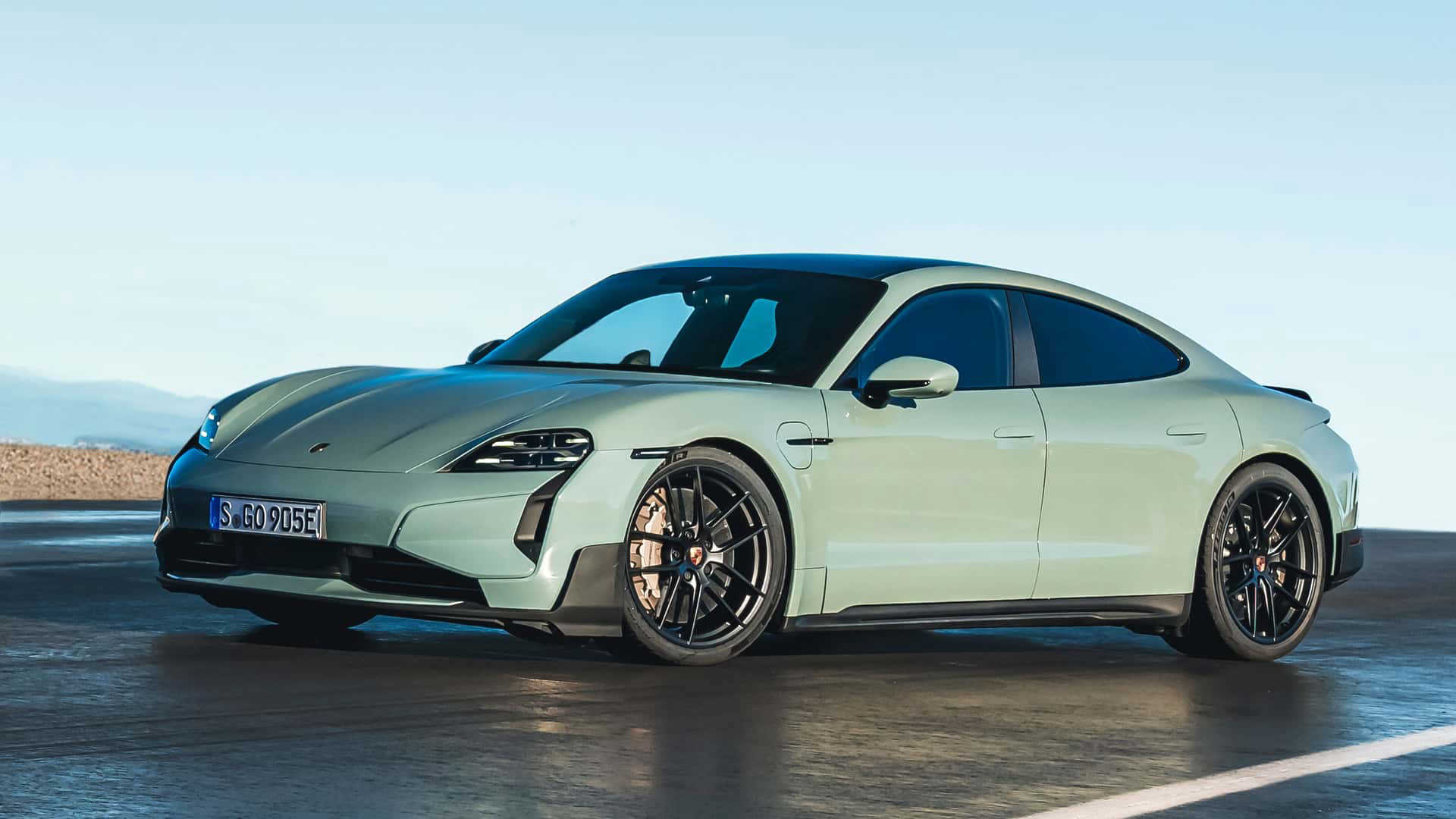
Outgoing Porsche CEO Oliver Blume has openly addressed the difficulties the brand is facing in China, acknowledging that the company misjudged the market as luxury car demand collapsed dramatically.
According to Blume, Porsche’s struggles in China stem from a combination of factors. Chief among them was an overly ambitious growth strategy that assumed demand would continue rising, even as market conditions shifted.
He also pointed to shortcomings in Porsche’s product planning, particularly the brand’s limited flexibility when it came to offering different powertrain options in a rapidly changing market.
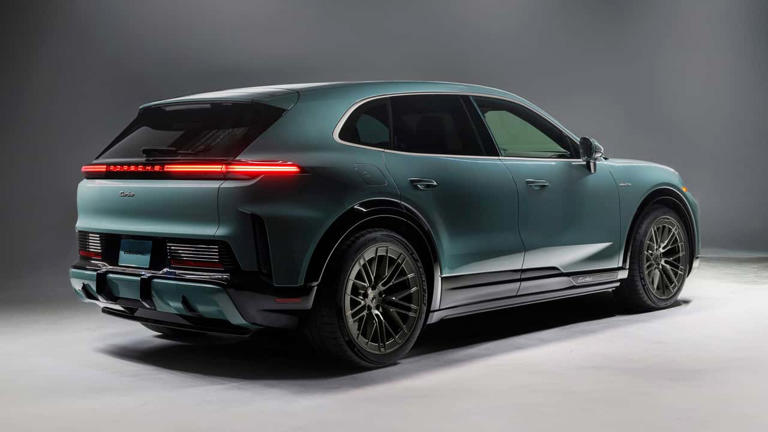
One of the clearest examples of this misstep was the Porsche Macan. The company decided to transition the next-generation Macan to a fully electric platform, eliminating combustion-engine and hybrid variants altogether. Blume conceded that Porsche “got it wrong” with this move, though he stressed that the decision was made based on the best information available at the time and appeared sound during planning.
Recent data suggests the broader market decline has been severe. A report noted a visible slowdown at Porsche dealerships across the country, with some locations seeing sharply reduced activity.
Deliveries reportedly dropped 26 percent year over year to approximately 32,200 vehicles during the first three quarters of 2025, a stark contrast to the brand’s 2021 peak of around 95,000 units.
Dong’an Holdings, which operates Porsche’s dealer network in China, confirmed that staff at affected dealerships have been placed on leave, with no definitive timeline for a return to normal operations.
Looking to the future, Blume said he remains confident that there will still be meaningful demand for combustion-powered vehicles, such as the Porsche 911, for at least the next decade to decade and a half. He added that conversations with Chinese policymakers reinforced his belief that internal combustion engines will continue to have a role in the market.
Blume also addressed the possibility of Porsche producing vehicles in China using Volkswagen Group factories, noting that the option is still on the table, though it would involve significant risk. At present, most Porsche models are built in Germany at Zuffenhausen and Leipzig, while the Cayenne is assembled in Slovakia.
Although Blume is stepping down from his role as Porsche CEO, he will continue to lead the Volkswagen Group. Michael Leiters, formerly CEO of McLaren, is set to take over as Porsche’s chief executive starting January 1, 2026.
Also Read: 10 Supercars to Consider When a Ferrari Isn’t in the Budget
