
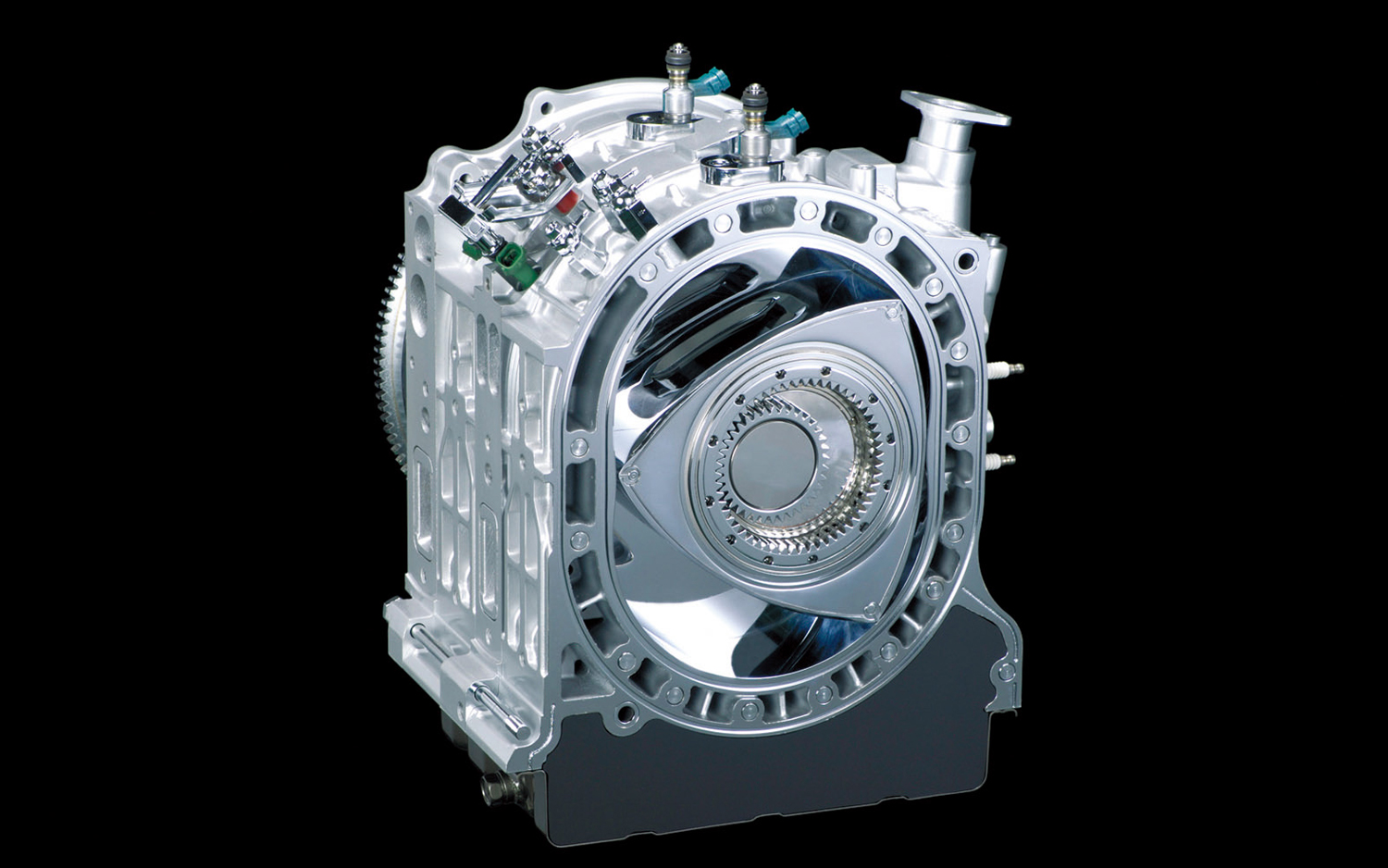
While Chinese automakers continue to reshape the global EV, one company is looking far beyond batteries and motors by reviving a technology many assumed was left for dead: the Wankel rotary engine.
Originally conceived by German engineer Felix Wankel and later championed by Mazda, the rotary is now being reengineered by a subsidiary of China’s Changan Automobile Group. This version isn’t destined for cars, it’s designed to fly.
The effort is being led by Harbin Dongan Auto Engine, which has developed a prototype single-rotor rotary engine intended for low-altitude aviation use. That includes applications such as drones and VTOL (vertical takeoff and landing) aircraft, a segment that’s gaining rapid traction as China pushes hard into next-generation aerial mobility.
What Dongan has produced so far is a purpose-built single-rotor prototype. It may not set power records, but that’s not the point. The engine revs to 6,500 rpm and delivers 53 kW, or roughly 71 horsepower, output that’s well matched to lightweight aerial platforms rather than road vehicles.
The engineering focus is clearly on efficiency and longevity rather than outright performance. The engine features a cast aluminum housing along with a nanodiamond composite non-friction coating, a detail that underscores its intended role in aviation, where durability and low internal losses matter far more than drama at the redline.
A twin-rotor version is already in the works and is expected to double output to 110 kW, or about 148 horsepower.
This is precisely the kind of application where the rotary engine shines. Its compact dimensions, excellent power-to-weight ratio, smooth operation, and low vibration levels make it far better suited to flight than to modern road cars burdened by emissions and fuel economy regulations.
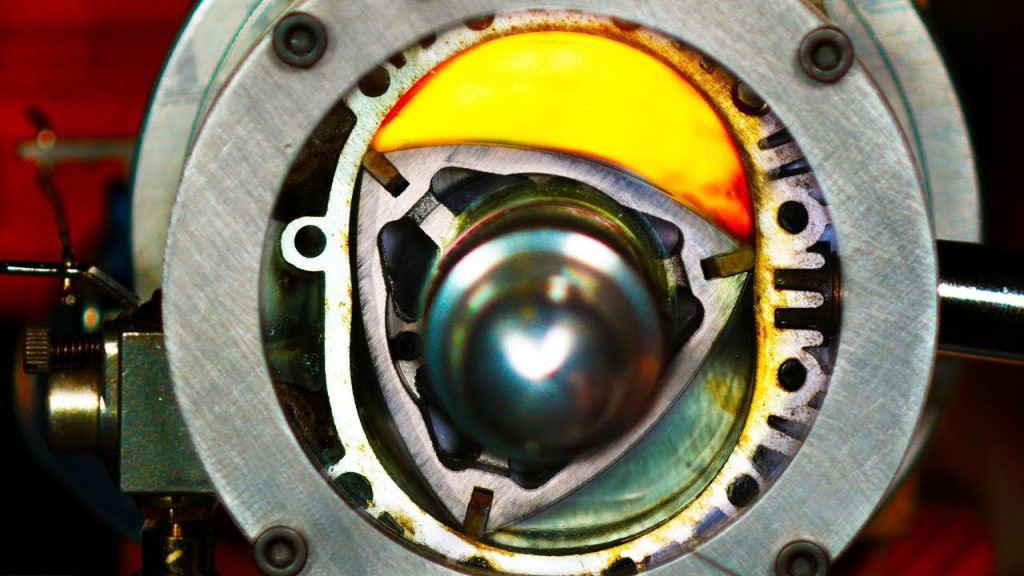
Dongan’s ambitions don’t stop with a single configuration. The company is also developing rotary engines for medium- and high-altitude UAVs, including naturally aspirated and turbocharged versions.
The project has attracted an impressive list of partners, including ARIDGE, the flying car arm of Xpeng, as well as major tech players like Huawei and DJI. Production of the single-rotor engine is currently scheduled to begin in 2027.
Mazda remains the brand most closely linked to the Wankel engine, even though it didn’t invent the concept. After decades of refining and defending the layout, Mazda ultimately pulled the plug in 2012 as increasingly strict Euro 5 emissions regulations made continued production impractical. That decision, however, didn’t mark the rotary’s permanent retirement.
In 2023, the engine made a quiet comeback in the MX-30 R-EV, this time serving as a range extender rather than a primary source of propulsion. In that application, the single-rotor unit produces 74 horsepower from an 830 cc displacement—hardly thrilling, but sufficient to recharge the battery pack.
There may still be more excitement ahead. Earlier this year, Mazda revealed the Vision-X Coupe concept, which pairs a turbocharged rotary engine with an electric motor and battery system to generate a combined 503 horsepower.
While the car remains a prototype, it sends a clear message: Mazda may have paused its rotary ambitions, but it hasn’t abandoned them. Meanwhile, China appears ready to carry the torch, just not on four wheels.
Also Read: Top 10 Cheapest Electric Cars You Can Buy in 2025
