
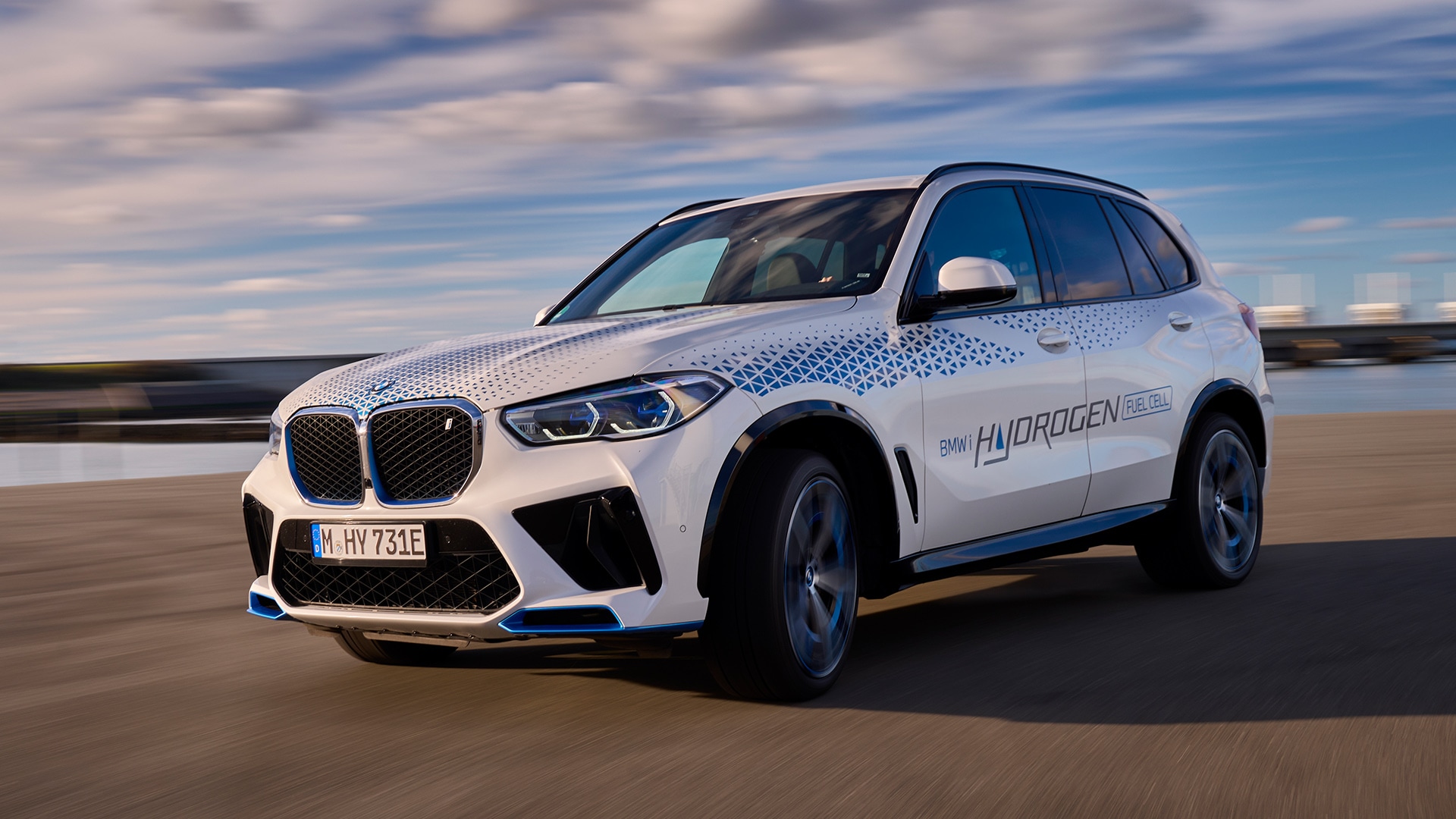
Hydrogen power may first become mainstream in commercial vehicles, but its arrival in everyday transportation is still on the horizon.
We often hear about new technologies making their way from motorsport to road cars. Yet if hydrogen fuel cells ever reach mainstream passenger vehicles, trucks, not racing, are likely to be the ones establishing the technology first.
Bosch views hydrogen as a major pillar of decarbonization for the future. Recently, the company put an articulated lorry powered by its Fuel Cell Power Module (FCPM) into operation at its Nuremberg, Germany plant.
The outlook is promising: Bosch anticipates global hydrogen energy capacity reaching between 100 and 170GW, with company revenues from hydrogen technologies potentially reaching billions by 2030.
Hydrogen fuel cells and electrolysers share a fascinating relationship. Fuel cells consume hydrogen and oxygen to generate electricity, producing only heat and water as by-products.
Electrolysers, in effect, run this process in reverse: electricity splits water into hydrogen and oxygen. It’s little wonder Bosch is developing both technologies in parallel with specialist partners.
The 40-tonne Iveco truck equipped with Bosch’s FCPM is intended as a showcase for Bavaria’s Hydrogen Strategy 2.0, though it is far from the only example, there are already several thousand trucks globally running Bosch fuel cell systems.
Large-scale production of the FCPM began in 2023 at Bosch’s Stuttgart-Feuerbach facility. The truck is expected to cover just under 7,500 miles annually, with a range of roughly 500 miles powered by 70kg of hydrogen stored across five tanks at 700 bar.
The fuel cell itself produces 200kW, supplemented by two high-voltage battery packs, bringing total power output to 400kW. Refueling is reportedly as fast as filling a conventional diesel truck.
Earlier in 2026, Bosch also demonstrated its Hybrion PEM (proton exchange membrane) electrolysis stacks, the core of a 2.5MW system supplied in partnership with electrolyser specialist Fest.
A proton exchange membrane is a polymer layer only a few microns thick. Within an electrolyser, it allows hydrogen protons from water to pass through, forming hydrogen gas while separating out oxygen.
Meanwhile, BMW is taking steps to integrate hydrogen into its production infrastructure. The company is planning a dedicated hydrogen pipeline connection to make its Leipzig plant the first in the world to receive piped hydrogen. The 1.2-mile line is expected to be operational in 2027.
Hydrogen is regarded as a sustainable energy source for heavy manufacturing processes, and BMW intends to use this supply for some of its most energy-intensive operations, such as curing ovens in paint shops.
Currently, BMW operates a fleet of 230 logistics vehicles refueled at nine hydrogen stations within the Leipzig plant. The new pipeline will tie the facility into Germany’s Core Hydrogen Network, which is projected to expand to more than 5,600 miles of hydrogen pipeline nationwide by 2032.
Also Read: 5 Family SUVs for Novi Suburban Commuting And 5 Dependable Ownership Picks
