
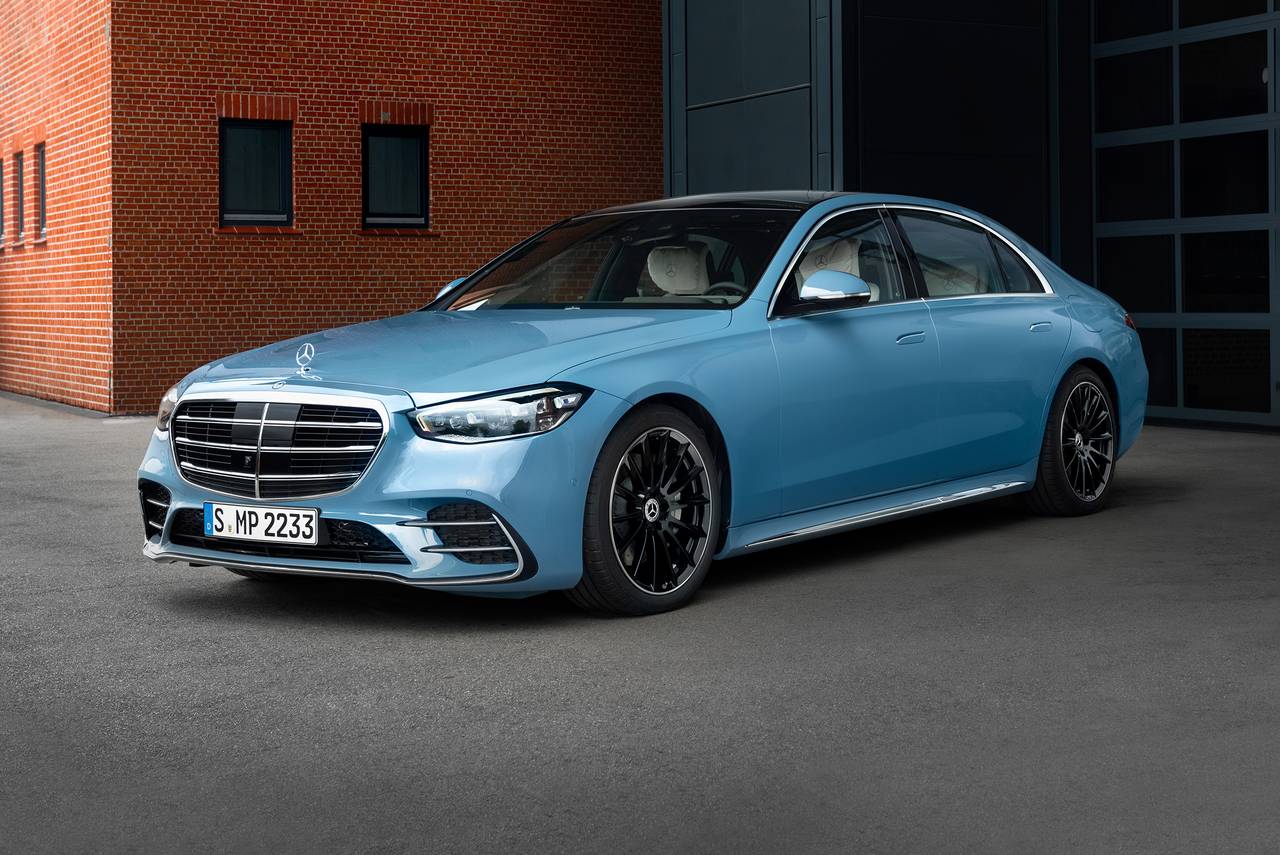
The next-generation Mercedes-Benz S-Class is poised to offer buyers a choice between combustion and electric power, an option not currently available.
While both will wear the S-Class badge, the electric and ICE versions will not share platforms. Mercedes is developing each variant on a completely separate architecture, marking a clear divergence in engineering paths for its flagship sedan.
By taking this approach, Mercedes is following a similar electric-vehicle rollout strategy to BMW. Instead of producing fully distinct EV nameplates, as it currently does with the S-Class and EQS, Mercedes is integrating electric variants into its existing model lines.
This strategy has already been applied to the new GLC EQ, the battery-electric version of the ICE model, which replaced the underperforming EQC.
Mercedes Is Killing The EQS And Building Its Replacement In Disguise
The refreshed Mercedes-Benz S-Class retains combustion power only.
For those eager to drive an all-electric S-Class, patience will be required. Mercedes is already preparing a mid-cycle update for the combustion-powered model, but the electric version is expected only with the next full model change, likely toward the end of the decade.
When it arrives, the electric S-Class will effectively take the place of the EQS, which never achieved the sales Mercedes had hoped for.
The EQS, widely criticized for its egg-shaped styling, was intended as a dedicated EV alongside Mercedes’ ICE lineup, but it ultimately underperformed in the market.
This strategy does not imply that Mercedes is simply swapping engines for batteries in its new models. Electric variants will continue to use distinct platforms.
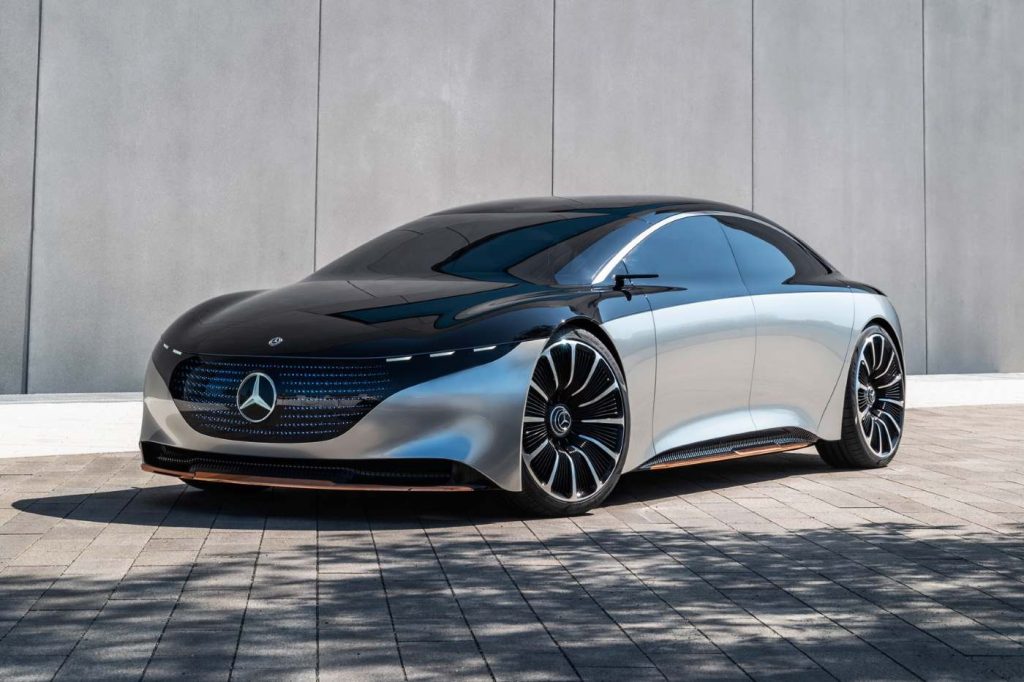
Despite these differences underneath, both the electric and ICE S-Class are expected to look nearly identical. Mercedes plans to maintain a more traditional sedan silhouette for the next S-Class, moving away from the wind-sculpted styling of the EQS.
Speaking on the next S-Class, Mercedes CEO Ola Källenius emphasized the importance of offering both electric and combustion options.
“If you don’t believe that when the next S-Class comes, the market is 100 per cent electric at that point in time, you have to have the choice for both,” he said.
“I think this is certainly one of the lessons learned from [our] first-generation electric vehicles in the whole market. You need to offer the electric and the hi-tech electrified ICE version without compromise.”
Technical specifications for the electric S-Class remain largely unknown. The model may be somewhat inelegantly named the S-Class with EQ Technology and will ride on Mercedes’ MB.EA platform, which is expected to underpin several future electric vehicles.
Since the electric S-Class is still a few years from launch, Mercedes has time to go beyond the components used in earlier EVs like the GLC EQ.
The new model will likely feature advanced battery and motor technology, including axial flux motors developed by Mercedes’ Yasa subsidiary. These compact, high-output units are expected to debut first in AMG-badged super sedans and SUVs.
Also Read: Top 12 Mercedes-Benz Models You Can Find for Under $20,000 That Are Surprisingly Fast
