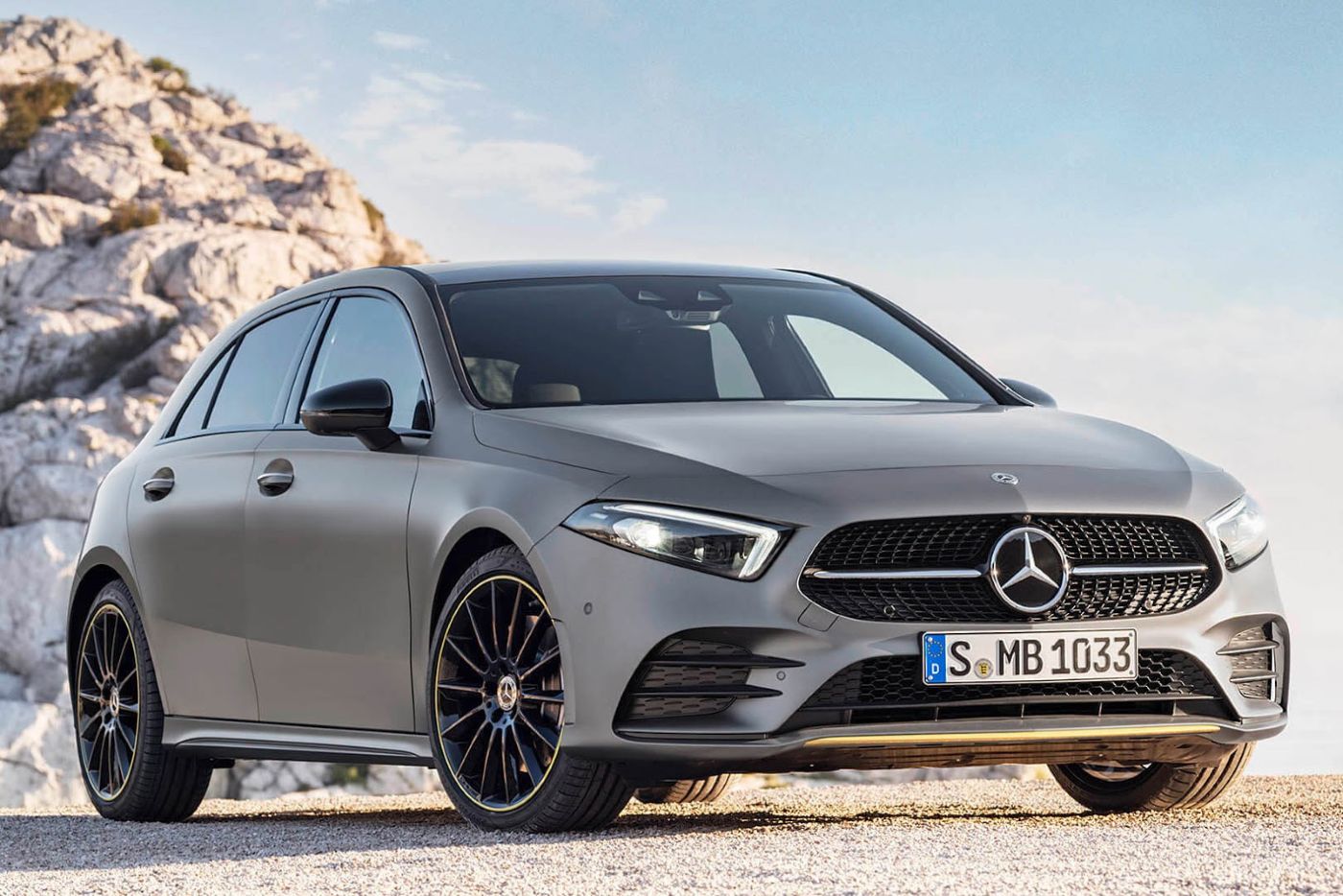
Mercedes-Benz isn’t ready to retire the A-Class just yet. Even as development of a next-generation model moves forward, the automaker has chosen to continue producing the current A-Class beyond 2025. That decision alone signals a shift in strategy, but it’s not the only change surrounding Mercedes’ smallest model.
Soon, the A-Class will no longer come off a German production line. Mercedes is relocating assembly from its Rastatt plant to Kecskemét, approximately 100 kilometers (62 miles) outside Budapest, Hungary, according to Auto News.
The move from western to eastern Europe is primarily financial. Lower labor and operational costs in Hungary make the region a more cost-efficient base for the A-Class, helping Mercedes protect margins on its most affordable offering.
Production at the Kecskemét facility is scheduled to begin in the second quarter of the year, with annual output expected to reach between 300,000 and 400,000 vehicles.
This transition is part of a broader cost-cutting initiative as Mercedes positions itself to compete more aggressively with rising Chinese brands. The automaker is targeting roughly €5 billion (around $5.9 billion) in savings by the end of 2027.
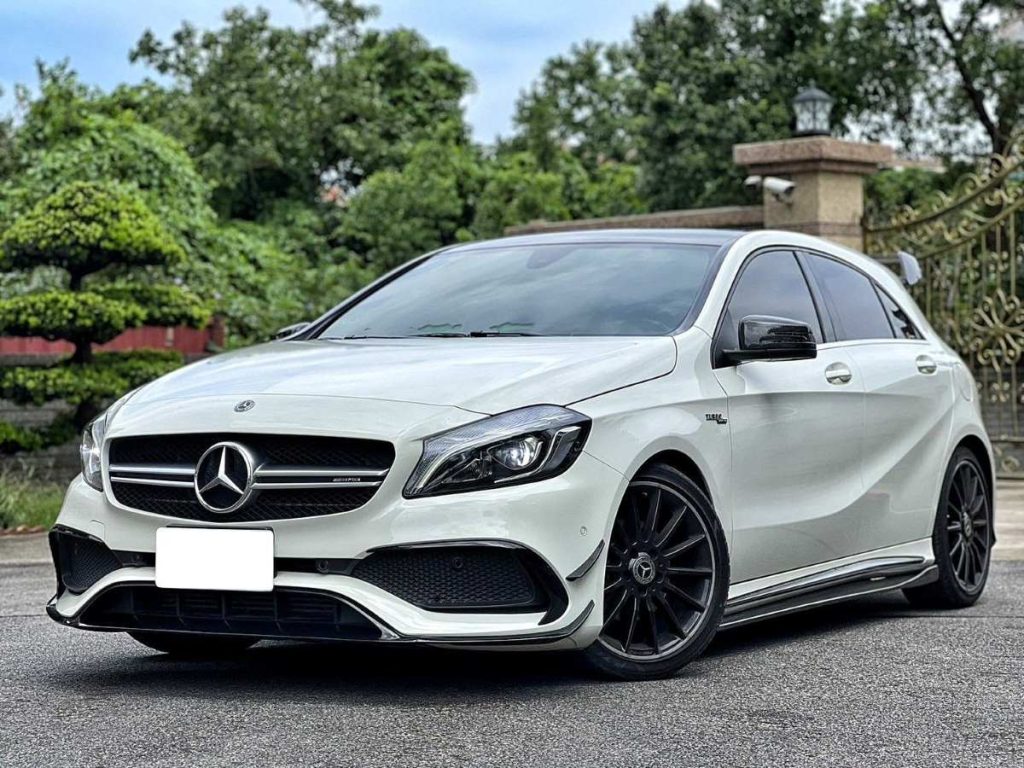
The current A-Class, launched in 2018, will now remain in production through 2028. A successor is already in development. The next generation is anticipated to use the MMA platform, which underpins the new CLA, allowing Mercedes to offer both combustion and electric variants for maximum market flexibility.
This decision comes after a period of uncertainty. In early 2025, Mercedes announced plans to discontinue the A-Class after the current generation as part of a small-car range streamlining effort.
By September, reports suggested the company was considering a compact SUV as its new entry-level model. Whether that plan is still on the table, or whether the A-Class will continue as a hatchback, remains unclear.
Relocating A-Class production to Hungary also frees up capacity at the Rastatt plant for upcoming MMA-based models, including the new CLA.
The Hungarian facility will expand significantly, with roughly 3,000 new employees joining the existing 4,500-strong workforce at Kecskemét, reinforcing Mercedes’ long-term investment in the region.
Also Read: 5 Vehicles That Rarely See Recall Issues vs 5 That Do