
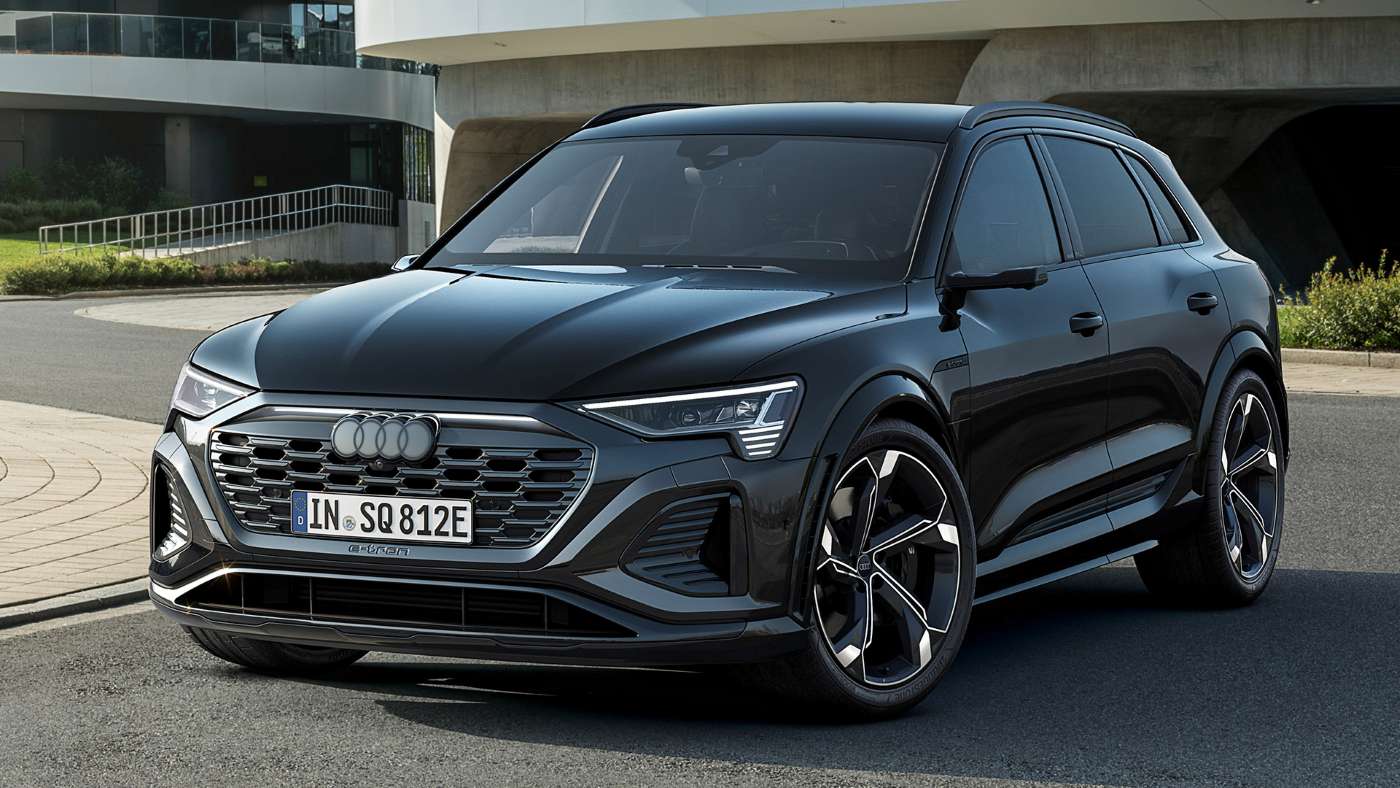
Audi has issued a large-scale recall affecting its higher-end models from 2019 through 2026 due to faulty rearview cameras. While the issue isn’t immediately dangerous and drivers can manage without the cameras temporarily, the scope is significant: 356,649 vehicles across 19 different models. Volkswagen Group of America filed the recall report with the National Highway Traffic Safety Administration (NHTSA) in late December.
This problem mirrors similar challenges faced by other luxury brands. More than 173,000 Porsche vehicles were affected by comparable rearview camera glitches in recent years, highlighting the potential pitfalls of shared software platforms.
According to the NHTSA, “in certain situations, a software issue may prevent the rearview camera image from displaying,” rendering the affected vehicles noncompliant with Federal Motor Vehicle Safety Standard 111 for rear visibility. Reduced camera functionality increases the risk of crashes due to impaired visibility behind the vehicle.
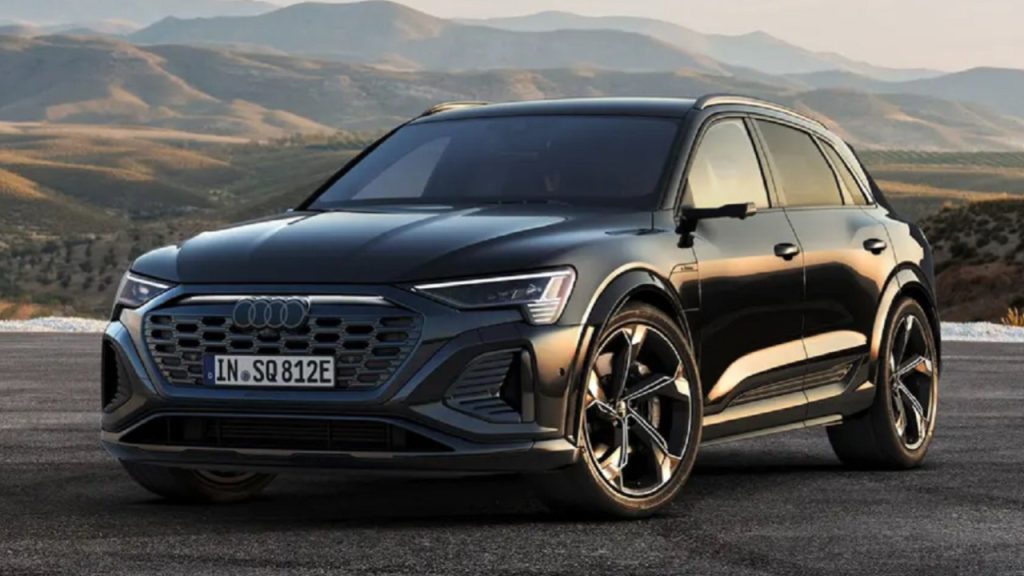
The recall spans eight model years and 19 vehicle types, including multiple production runs of the RS e-tron GT:
- 2025 Audi RS e-tron GT (344)
- 2022-2026 Audi RS e-tron GT (2,878)
- 2020-2026 Audi SQ8 (11,586)
- 2020-2026 Audi SQ7 (8,052)
- 2020-2026 Audi S8 (3,002)
- 2020-2025 Audi S7 (2,570)
- 2020-2025 Audi S6 (2,904)
- 2020-2026 Audi RS Q8 (7,681)
- 2021-2026 Audi RS 7 (4,403)
- 2021-2026 Audi RS 6 Avant (6,425)
- 2019-2026 Audi Q8 (60,712)
- 2020-2026 Audi Q7 (120,597)
- 2020-2024 Audi e-tron Sportback quattro (10,191)
- 2019-2024 Audi e-tron quattro (37,075)
- 2022-2026 Audi e-tron GT (3,859)
- 2019-2026 Audi A8 (12,220)
- 2019-2025 Audi A7 (11,449)
- 2019-2025 Audi A6 (45,175)
- 2020-2026 Audi A6 allroad (5,526)
Audi first began investigating reports of rearview camera malfunctions in December 2023. Over the following ten months, sporadic failures made it difficult to pinpoint the root cause.
By November 2024, engineers identified corrupted register entries, which testing confirmed could result from electrical noise between the control unit and cameras. This interference, combined with increased shielding resistance in coaxial cables and potential variations at crimp connections, can sporadically disrupt camera performance.
The Top View System, which manages surround-view functionality, explains why smaller, less expensive Audi models were not included in the recall.
Audi’s solution is a software update that initiates a “self-healing process of the cameras.” Vehicle owners will be notified beginning February 17, 2026. In the meantime, owners can check their VINs on the NHTSA website to see if their vehicles are included.
Also Read: 10 Audis That Can Go the Distance Without Costly Repairs
