
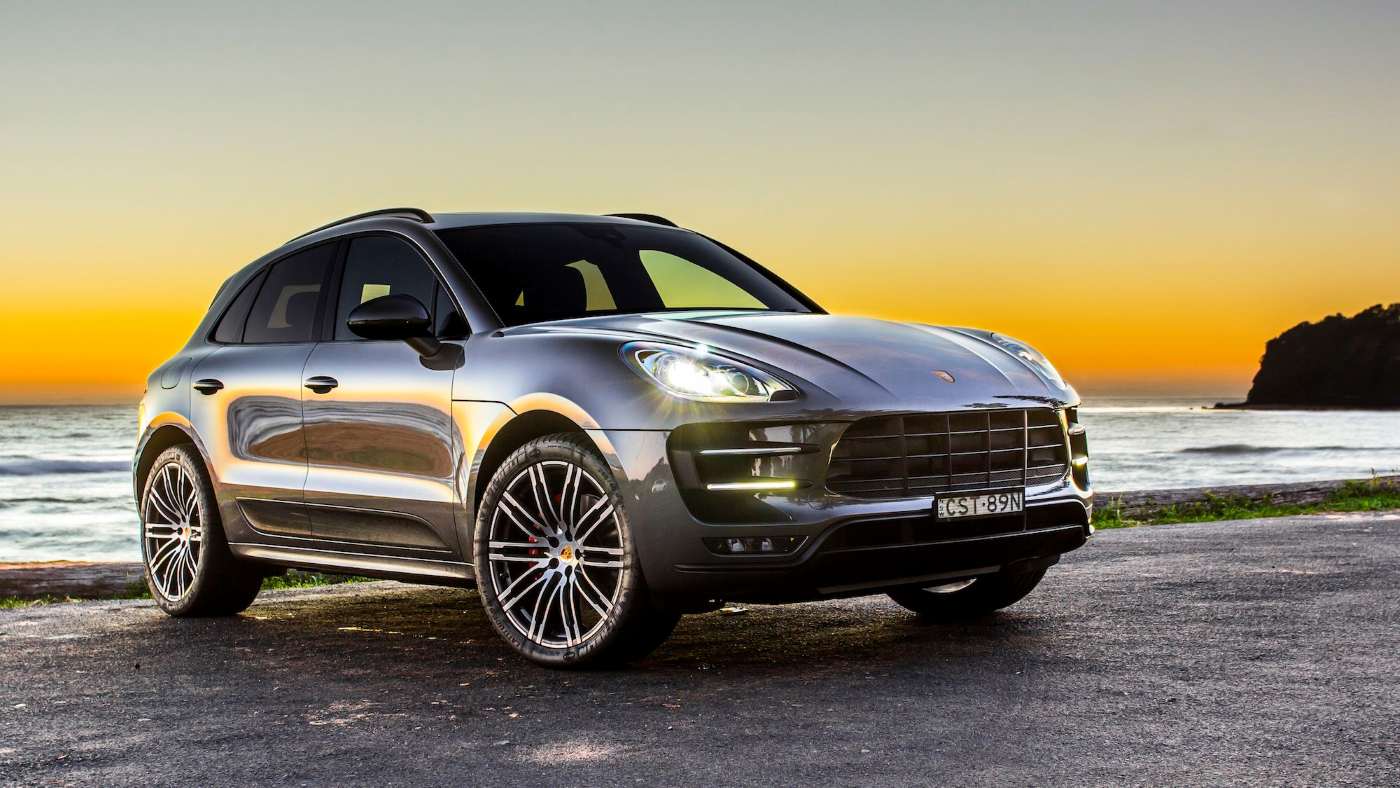
Former CEO Oliver Blume admits Porsche misstepped by making the Macan electric-only, promising a new gas-powered crossover by 2028.
Back in February 2019, Porsche announced that the next-generation Macan, a cornerstone of its lineup and one of its best-selling models, would be offered exclusively as an electric vehicle. The EV launched in early 2024, but by then, the adoption of all-electric mobility had not progressed as quickly as expected.
This acknowledgment follows a recent pattern, as Blume has openly admitted other misjudgments in Porsche’s strategy in recent weeks.
Blume explained that while the decision to eliminate the combustion Macan was justified at the time, the market has since shifted.
“Based on the data available at the time and our assessment of our markets, we would make the same decision again,” he said. Today, the situation is different. We have responded and are adding combustion engines and hybrids.
The move mirrors similar miscalculations from other automakers, like Stellantis with the Dodge Charger, where electric-first strategies proved problematic.
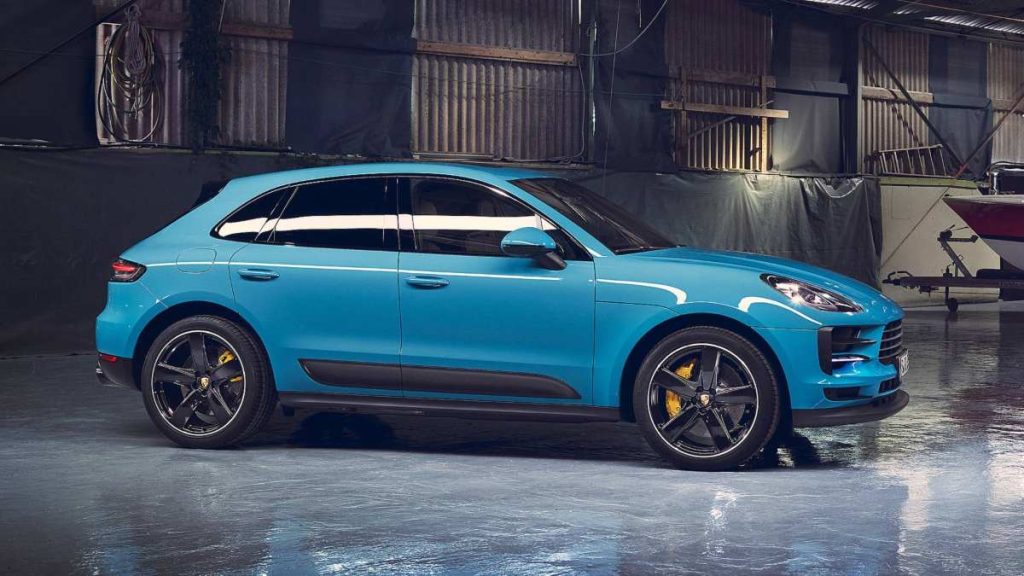
After weak sales of the all-electric Daytona, Porsche even added a twin-turbo Hurricane engine as a stopgap, but that solution had its own limitations. Instead of trying to revert the Macan EV to gas power, Porsche will launch an entirely new luxury compact crossover designed around a combustion platform.
Blume confirmed that the new crossover will debut no later than 2028. Since the Macan name is now strongly tied to an EV, Porsche plans to give the gas-powered return a completely new identity.
While the name hasn’t been revealed, the new model will be “very, very typical Porsche for this segment and also differentiated from the BEV Macan.”
The old Macan platform cannot meet current European cybersecurity standards, so the newcomer will likely use Porsche’s Premium Platform Combustion architecture, the same platform underpinning the Audi Q5.
Interestingly, Porsche is also revising its next-generation 718 sports car, initially planned as EV-only, to accept combustion engines, signaling a broader reevaluation of its electrification strategy.
With Dr. Michael Leiters now at the helm, Porsche’s future will rely on balancing EV growth with the continued appeal of combustion engines, especially in segments where customers still demand them. Blume’s tenure may have included missteps, but he also laid the groundwork for addressing them.
