
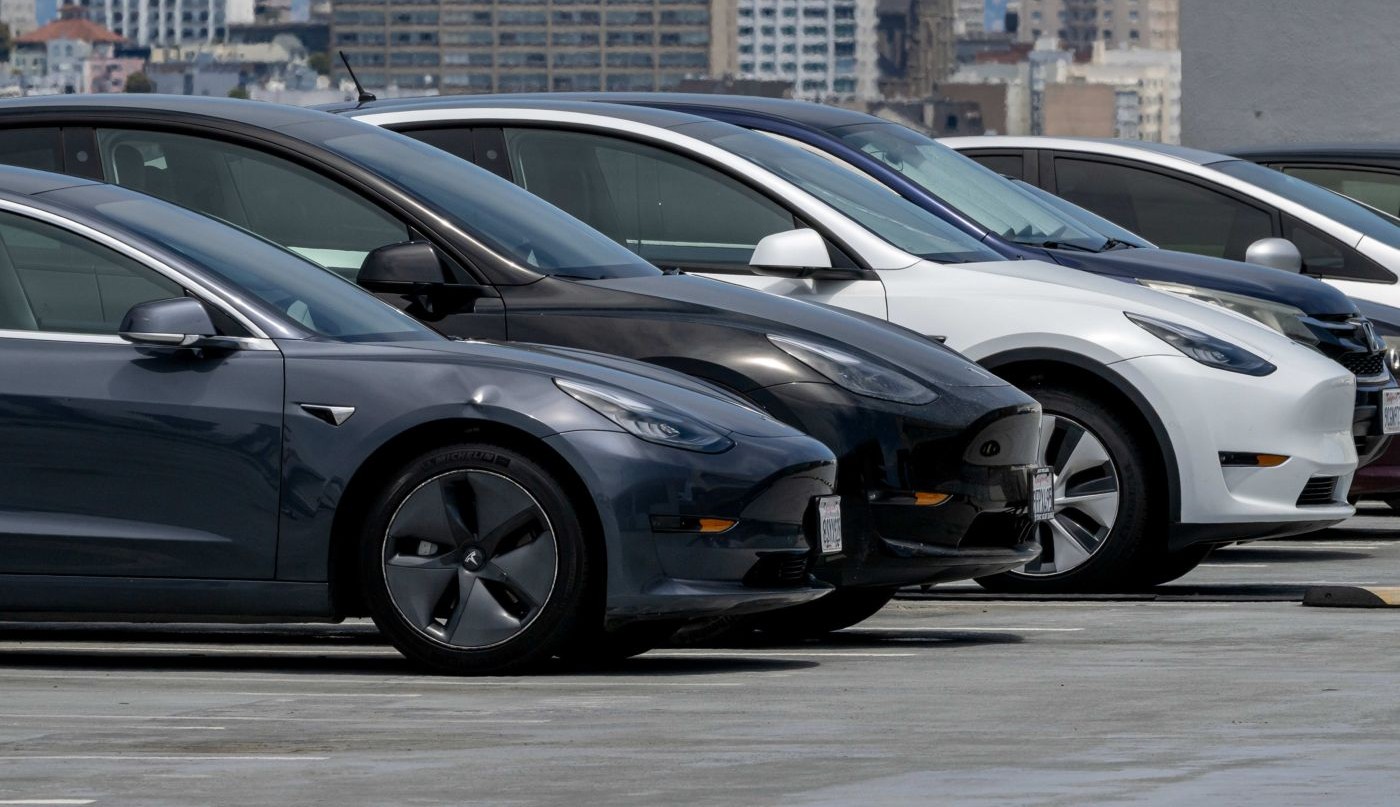
The Golden State is considering a new proposal designed to jump-start electric vehicle demand following the end of the $7,500 federal tax credit.
The end of electric vehicle incentives, most notably the $7,500 federal tax credit that expired on September 30, 2025, has had a noticeable impact on the EV market.
Automakers have adjusted their electrification plans, and the global competitive landscape has shifted, with Tesla recently surpassed by Chinese automaker BYD in overall EV sales.
California is moving to counter the slowdown by proposing a fresh $200 million incentive package aimed at reviving EV demand.
According to a Reuters report, California Governor Gavin Newsom is evaluating a plan to allocate hundreds of millions of dollars toward incentives designed to reenergize EV sales within the state.
California has historically led the nation in electric vehicle adoption and infrastructure, becoming the first U.S. state to feature more public EV charging stations than traditional gasoline pumps.
Specific details surrounding the proposed incentive program remain limited. The California Air Resources Board (CARB) has confirmed that it has yet to determine how much financial assistance each eligible vehicle would receive. Pricing continues to be one of the biggest hurdles for EV adoption, particularly as the market still lacks a wide range of truly budget-friendly electric models.
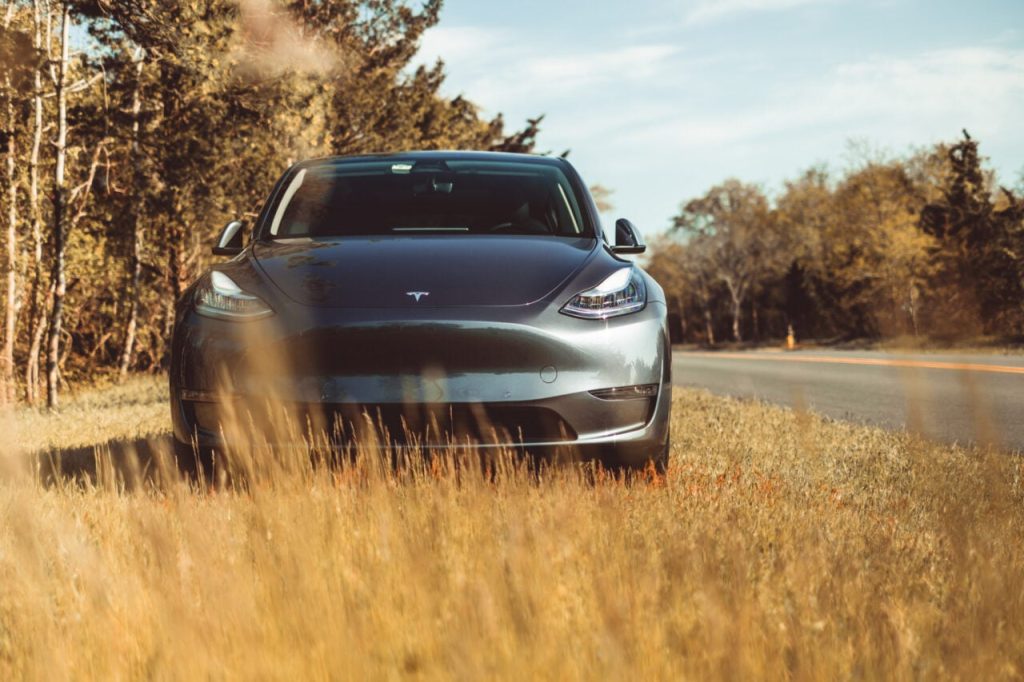
Most electric vehicles currently available, such as the Tesla Model 3 and Ford Mustang Mach-E, are priced well above $30,000. That said, more affordable options are on the horizon. Chevrolet is set to bring back the Bolt EV with a starting price around $28,995, potentially making it one of the more accessible EVs on the market.
Irvine-based Rivian is also preparing to broaden its portfolio with the upcoming R2, a smaller and less expensive alternative to its R1 lineup that will compete directly with the Tesla Model Y. Meanwhile, startup Slate Auto has announced plans to introduce electric pickup trucks priced in the mid-$20,000 range, further expanding the lower-cost EV segment.
Although California’s incentive proposal has not yet been finalized, the urgency is clear. U.S. EV sales declined noticeably in the fourth quarter of 2025, aligning closely with the expiration of the federal tax credit.
Rivian, for instance, delivered 9,745 vehicles during Q4 2025, a decrease of approximately 3,500 units compared to the prior quarter. At the same time, interest in internal combustion vehicles appears to be rebounding, underscored by Ram’s revival of the 1500 TRX, now packing 777 horsepower from its 6.2-liter supercharged Hemi V8.
Taken together, these trends highlight growing uncertainty around the future pace of electrification. How California’s aggressive goal of mandating 100 percent zero-emission vehicle sales by 2035 will unfold remains an open question, particularly as consumer demand, pricing pressures, and market dynamics continue to evolve.
Also Read: 10 Best Electric Vehicles With Realistic Urban Range
