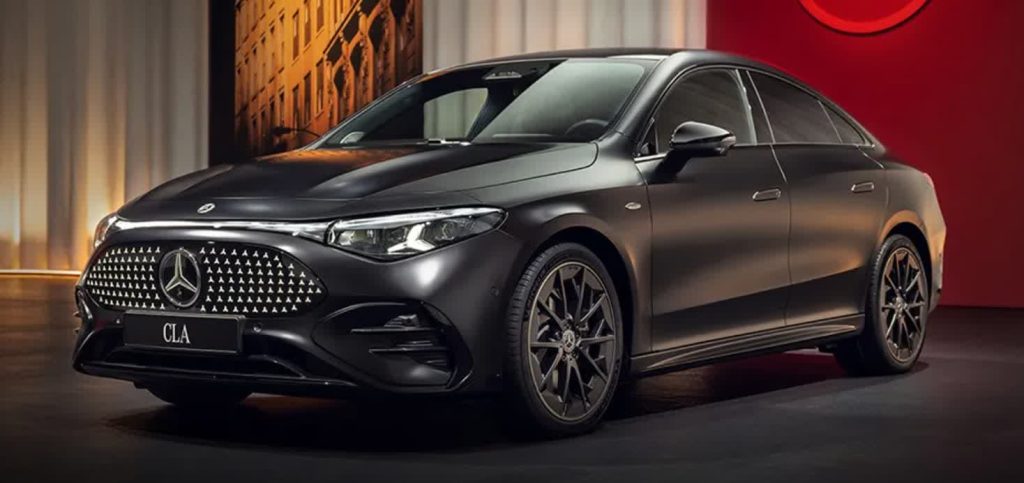
The Mercedes-Benz CLA has claimed the title of Car of the Year 2026, marking a significant milestone for the brand.
This is the first time a Mercedes has won Europe’s top new car award since the 450SE in 1974, and it’s the first Mercedes to reach the podium since the 1997 E-Class. The announcement came during the Brussels Motor Show, where the CLA triumphed over six other finalists.
The CLA amassed 320 points, securing victory over the Skoda Elroq, which finished second with 220 points. The Kia EV4 rounded out the podium with 208 points. Other contenders included the Citroën C5 Aircross (207 points), Fiat Grande Panda (200 points), Dacia Bigster (170 points), and the Renault 4 (150 points).
A jury of 59 members from 23 countries cast votes for the competition. Each juror had 25 points to allocate, with no more than 10 points per car and at least five cars required to receive votes. The CLA was the first choice of 22 jurors, followed by the C5 Aircross, which garnered 15 first-place votes.
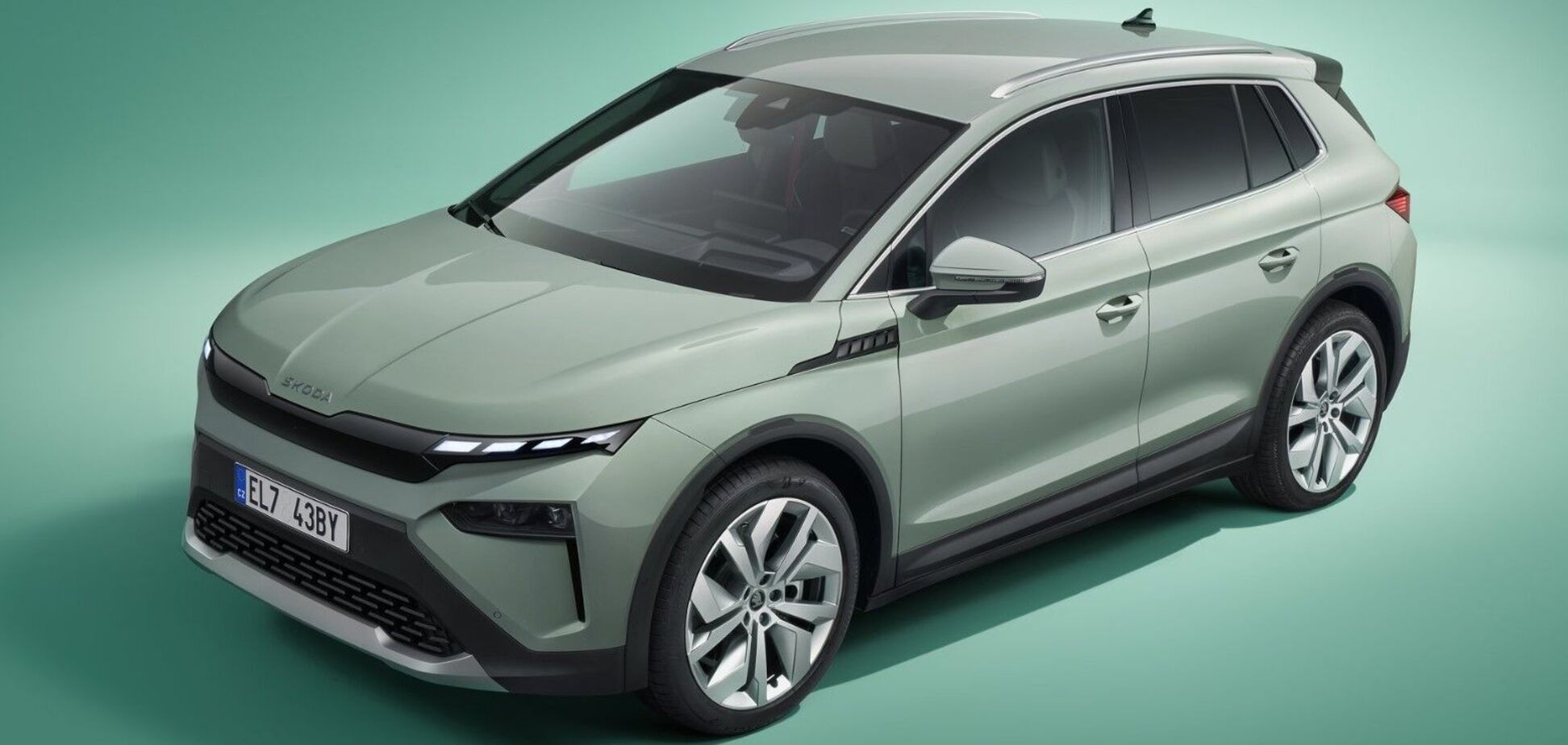
Skoda Elroq
Not only the best-driving but also the best mainstream electric car. An ideal compromise of size, practicality, range and value, delivered in a car that’s comfortable and easy to use and has reassuring solidity and sophistication. The kind of superior, European EV you would be happy to pay a European-typical price for – although it’s still a reasonable one. Better than all of its platform siblings.
Mercedes-Benz CLA
Impressive technically, with an appealing dynamic character. Doesn’t create quite the advantage in real-world range and efficiency testing as was promised and has some notable weaknesses and vulnerabilities (cabin space, perceived quality). But, in that it represents a blue-chip European brand pushing boundaries, it deserves recognition.
Fiat Grande Panda
A joyful little car that deserves credit for being so inspired in its attention to detail and feelgood factor. Brilliantly designed, cleverly packaged and great at delivering on the essentials, as a Panda should.
The hybrid version lacks a bit of the spirit you expect, though; the really simple, affordable petrol version isn’t available in the UK yet; and it isn’t as characterful to drive as it is to look at.
Renault 4
Perfectly competitive within the B-SUV class and competitively priced, thanks to the UK’s Electric Car Grant. That it doesn’t seem to offer enough over and above the Renault 5 could be said of so many cars in its class and shouldn’t stop it succeeding commercially, but it’s undeniably the case. Easy to like its design and character, though.
Dacia Bigster
So much car for the money that we can’t help rating it and liking what it stands for. But you can tell it’s an outlier for Dacia and a stretch of its capabilities; the Duster still feels like the centre of the brand and where it plays best. Background material substance and refinement levels just don’t stand up at the higher price level as well as Dacias normally do.
Kia EV4
Outstanding EV drivability really shows Kia’s experience. But chassis dynamism needed to be greater to give it a clear USP next to the SUV set and average efficiency blunts the edge of the range selling point. Kia really needs some better driving dynamics to go with its design flair and product execution. Alternative – but destined to fade into obscurity.
Citroën C5 Aircross
Underdamped and too soft dynamically, especially in EV form. Nice interior is a departure for Citroën: a real effort at a competitive, smart, modern family cabin.
It doesn’t really know what it wants to be, isn’t very well executed or tuned and doesn’t do anything well enough to cut through, save, perhaps, the EV on range, which is blunted by real-world efficiency anyway.
Also Read: 10 Best-Looking Superbikes From the 1990s