
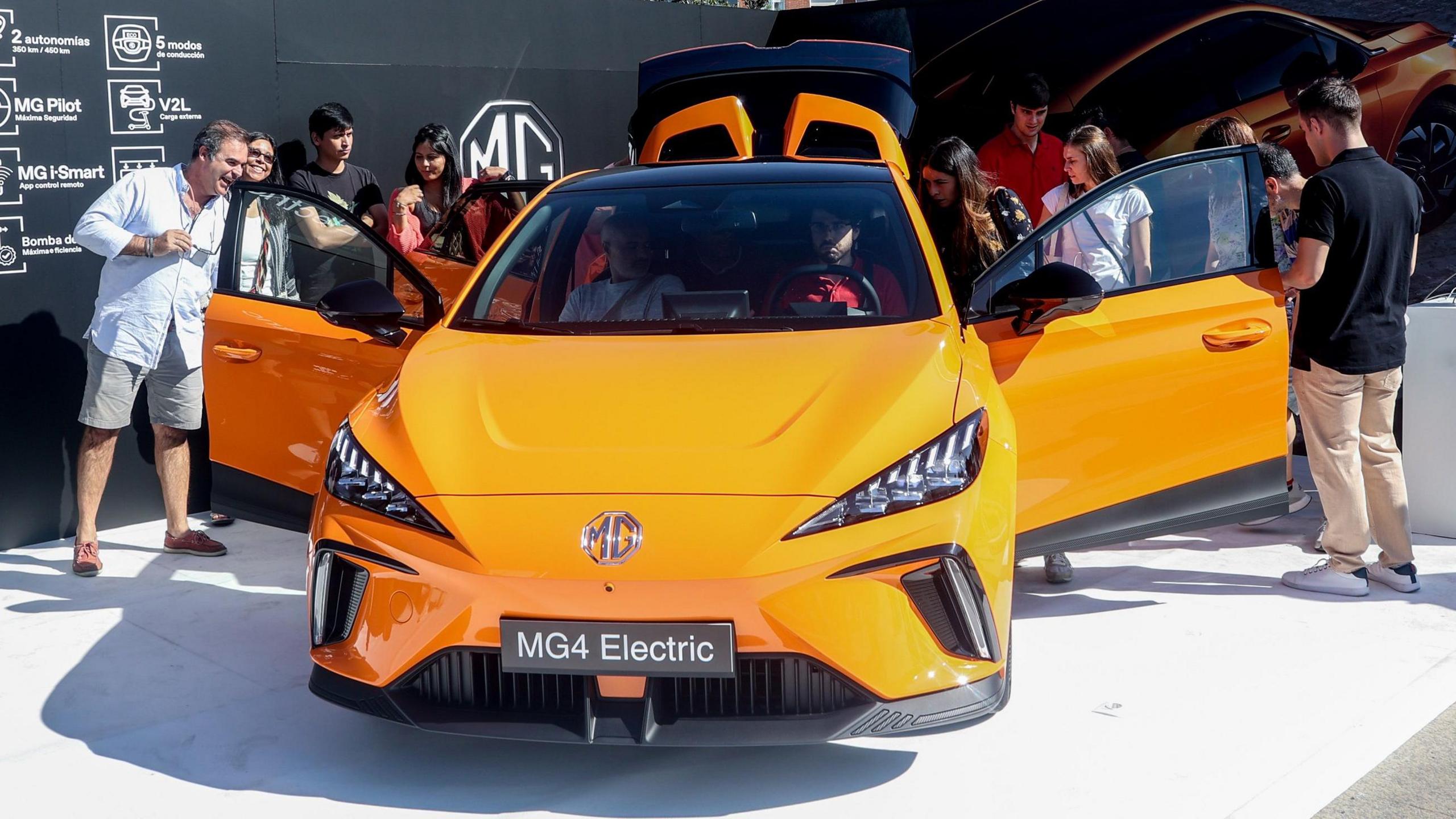
The European Union is reportedly considering a major change in its electric vehicle policy that could scrap existing tariffs on Chinese imports, but the solution may not be a simple win for consumers.
After months of trade disputes and shifting political considerations, the European Union is exploring a dramatic shift in its EV strategy.
Just 18 months after imposing steep tariffs to shield domestic automakers from a surge of Chinese electric vehicles, EU officials are now evaluating a plan to eliminate those levies entirely. That doesn’t mean Chinese automakers will get a free pass.
Rather than tariffs that reached up to 45 percent, with exact rates varying based on the EU’s assessment of each brand’s Chinese government support, Brussels is considering setting minimum prices for imported EVs from China.
According to a European Commission document obtained by the South China Morning Post, Chinese automakers would have to submit pricing proposals “adequate to eliminate the injurious effects of the subsidies and provide equivalent effect to duties.”
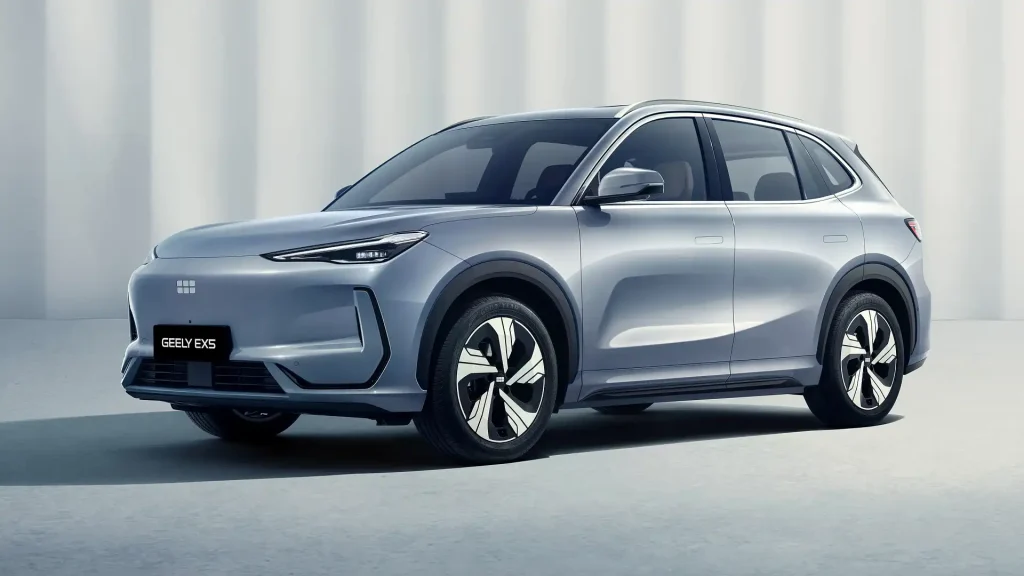
A minimum price system would allow Western automakers building vehicles in Europe to compete with brands like BYD and Chery. However, because Chinese companies wouldn’t need to pay tariffs directly and could keep their profits, the approach could help ease trade tensions between the EU and China.
After the EU introduced tariffs on Chinese EVs, China retaliated with levies on European goods including dairy, pork, and brandy.
Ironically, some Western brands were negatively affected by the EU tariffs themselves. Cars such as the BMW iX3, manufactured in China and sold in Europe, became subject to the same duties. Volvo responded by shifting Euro-market production of the EX30 electric SUV from China to Belgium to bypass the tariffs.
Even with tariffs in place, Chinese electric vehicles have steadily expanded their presence in Europe. Their EVs remain popular, and hybrid models, which are exempt from tariffs, continue to sell strongly.
In 2024, Chinese vehicles accounted for roughly 2.5 percent of European car sales. By the end of 2025, that share had grown to around 7 percent, and nearly one in every ten cars sold in the UK in 2025 carried a Chinese badge.
Also Read: EU Tariff Decision on Chinese EVs Imminent, Says Mercedes Chief
