
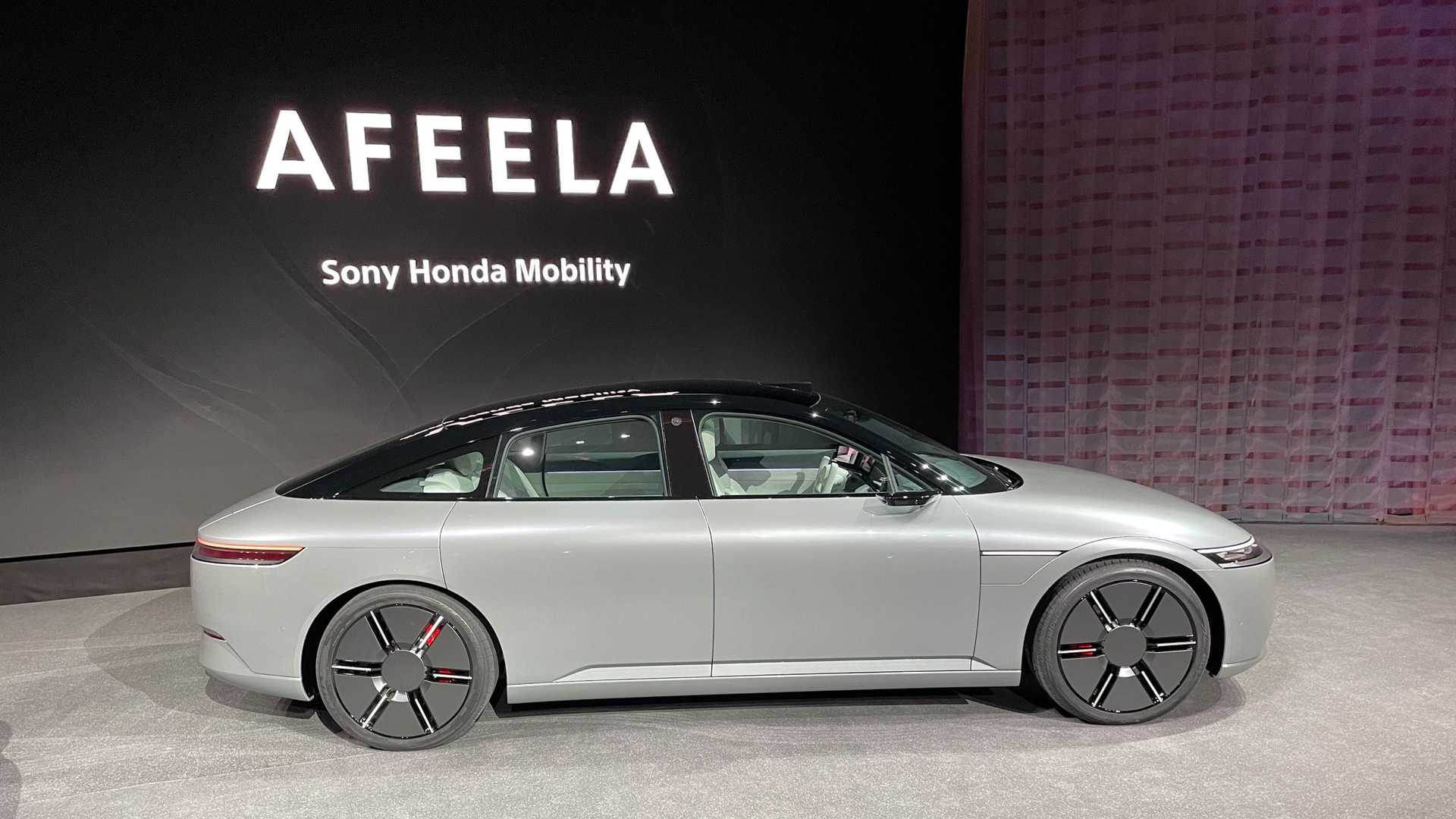
California dealers have filed a lawsuit against Sony Honda Mobility, alleging that the company’s direct-sales approach is illegal.
Honda and Sony will sell Afeela EVs exclusively through direct-to-consumer channels. Dealers claim Afeela diverts funding from core Honda models. The lawsuit alleges that Afeela’s sales model violates California law.
As Honda pushes forward with its electric vehicle ambitions, friction is building within its own dealer network.
Honda dealerships are openly challenging the company’s joint EV venture with Sony, arguing that it draws attention and resources away from established Honda and Acura models, particularly at a time when EV demand is cooling. Despite this, Honda appears unconcerned.
Sony Honda Mobility revealed its near production-ready Afeela 1 electric sedan at this year’s Consumer Electronics Show, targeting a limited launch in California in late 2026. The company also previewed a second model, a crossover still in development
Honda will handle all direct sales, deliveries, and servicing for the Afeela lineup, while also partnering with independent repair providers to support ownership beyond the showroom.
This strategy has frustrated many dealers. In August last year, the California New Car Dealers Association filed a lawsuit against Honda and Sony, claiming the direct-sales model violates the California Vehicle Code.
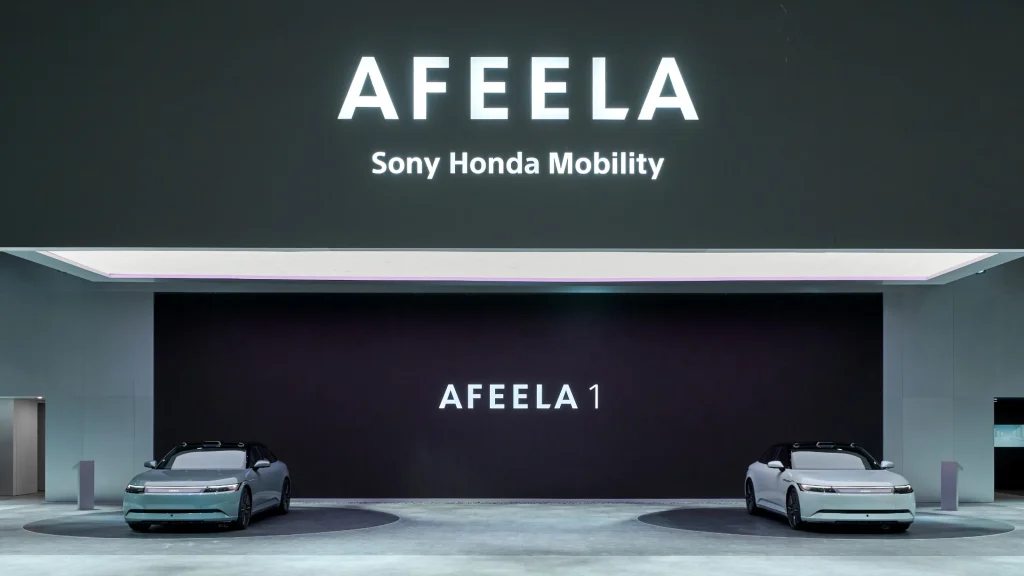
Sony Honda Mobility has defended its approach, noting that it operates as a separate business entity and therefore is not required to use Honda’s existing dealership network.
“While we understand the intent may be to target a different, tech-savvy customer segment, we see no compelling reason to bypass the established dealer network that has supported the brand for decades,” Bill Feinstein, chairman of the Honda Dealer Advisory Board told.
Honda insists it has been “clear and transparent” with dealers that they will not participate in the sale or distribution of Afeela models.
Feinstein did not hold back. “It’s really hard to understand how a premium electric vehicle priced at $90,000-plus makes sense with EV demand softening, high interest rates and intense price competition,” he said.
He also raised concerns about the broader impact on Honda’s business. “We’re deeply worried about the ongoing drain on financial and engineering resources. Every dollar spent in Afeela’s R&D, manufacturing and marketing is a dollar not spent on core Honda and Acura products, where we see greater potential for volume growth and profitability.”
Despite dealer resistance, Sony Honda Mobility appears undeterred. The joint venture revealed a prototype for its next model, an all-electric SUV that shares much of the sedan’s design language. The company says this new model could reach the U.S. market as early as 2028.
Also Read: Top 10 ’80s Cars With More Personality Than Anything New
