
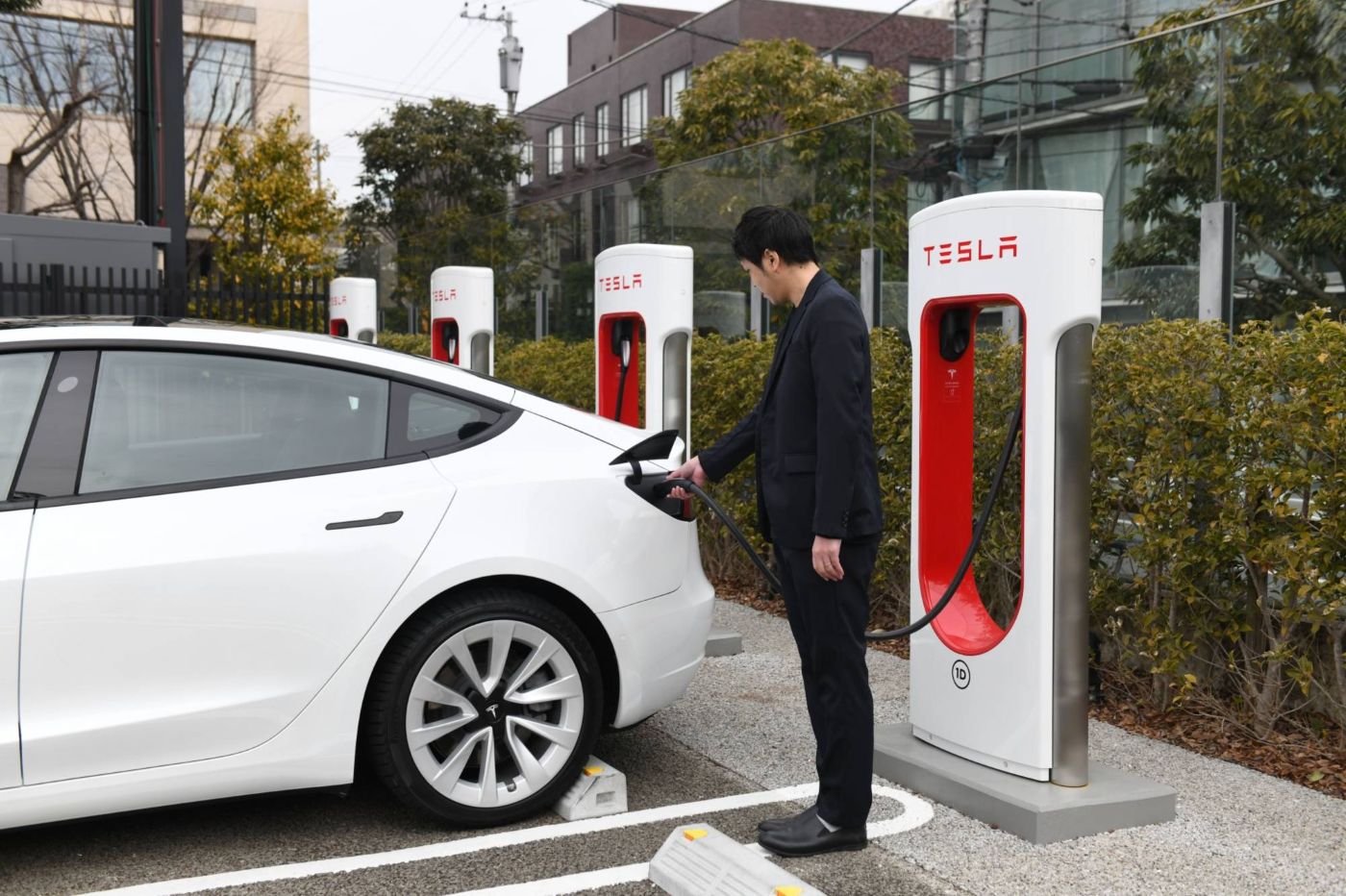
Tesla has built its identity around avoiding traditional dealerships, but Japan shows that face-to-face still matters. Sales surged, and the U.S. could take note.
Tesla grew its Japanese sales by shifting from an online-only model to physical showrooms and in-person customer support. Focusing on direct relationships and staff expertise lifted sales nearly 90% in 2025. Japan demonstrates the enduring value of trust and personal interaction over purely digital strategies.
Tesla has always positioned itself as the auto industry’s rule-breaker. From the design of its vehicles to its unconventional sales model, the company, under Elon Musk, built its reputation on doing things differently, especially by pushing buyers toward an online-only purchase experience. But “different” isn’t always better.
In Japan, under the guidance of Richi Hashimoto, Tesla flipped that approach. The results have been impossible to ignore.
After years of stagnant growth and being outsold by a fast-growing competitor, BYD, Tesla’s numbers finally surged once it leaned into a strategy the auto industry has relied on for decades: real people, real showrooms, and real customer service.
For years, Tesla’s presence in Japan barely registered. Annual sales lingered around 5,000 units despite the brand’s global profile. That changed in late 2024 when Tesla began opening physical showrooms inside busy shopping malls, expanding its retail footprint and putting itself directly in front of customers.
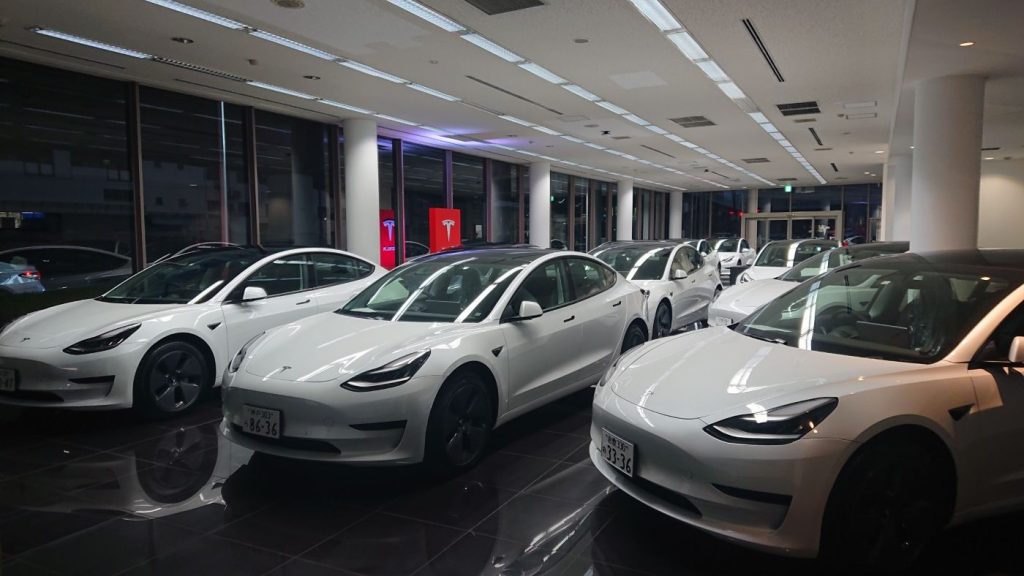
Rather than waiting for shoppers to discover Tesla online, the company adopted the same relationship-driven approach traditional automakers have relied on for decades.
Other brands are now revisiting similar tactics from the 1990s, emphasizing trust, familiarity, and long-term loyalty instead of quick, one-click transactions.
Opening physical locations was only part of the shift. Tesla also revamped staff training, turning showroom employees into product specialists who could confidently answer questions on charging, range anxiety, and ownership costs. That human connection had an immediate impact.
In 2025, Tesla’s sales in Japan jumped nearly 90%, surpassing 10,000 vehicles. Establishing trust and building relationships proved essential, particularly as Tesla’s reputation has faced challenges, from lawsuits over Model S door handle issues to other quality controversies.
Back in the United States, Tesla’s market share has softened as competition heats up, new entrants arrive, and rivals continue their global expansion. Online-only sales are effective in some cases, but without a physical presence, the company risks leaving potential customers behind.
Tesla’s success in Japan illustrates that innovation doesn’t always require reinventing the wheel. Sometimes, the smartest move is returning to fundamentals: building trust through conversation, not just clicks.
Also Read: Toyota’s GR GT3 Prototype Nears Production: Hybrid V-8 Successor to the Lexus LFA
