

Crossovers have become the default choice for city drivers, and it is easy to understand why. They sit higher than sedans, making visibility better in traffic. They usually offer more cargo room for shopping, luggage, or daily errands.
They feel safer to many drivers because of their driving position and road presence. And they often strike a balance between compact cars and full-size SUVs, giving people the “best of both worlds.” But here is the truth: not every crossover is truly city-friendly.
Some are brilliant in tight urban environments, while others feel awkward and clumsy the moment you start dealing with narrow streets, parking garages, and tight turns.
City roads test crossovers in unique ways. You are constantly dodging potholes, speed bumps, uneven road patches, and sudden lane changes. You have to make U-turns in narrow spaces. You squeeze into parking spots while other vehicles wait behind you.
You navigate through tight alleys and crowded market areas. A crossover that handles city roads well makes all of this feel natural. It is smooth over bumps, stable at low speed, easy to place in a lane, and quick to react. It feels like the crossover belongs in the city.
On the other side, some crossovers disappoint in urban use because of awkward turning circles. You may need extra space to make a simple turn. You may have to do three-point turns where other cars make it in one movement.
In parking garages, you may struggle to rotate into narrow corners. In dense areas, that awkward turning makes the vehicle feel bigger than it is. Drivers often blame themselves, but the reality is simple: some crossover designs sacrifice turning agility for styling, wheelbase length, or suspension setup.
This article compares both groups. First, five crossovers that handle city roads well because they are stable, comfortable, and genuinely maneuverable.
Then, five crossovers that often feel frustrating in urban conditions because their turning circles are awkward and their movement feels clumsy. The goal is to help buyers choose the right crossover for real city life.
Also Read: 5 Cars That Are Cheap to Maintain in Cities vs 5 With Frequent Repairs
5 Crossovers That Handle City Roads Well
A city-friendly crossover is not defined by luxury or horsepower. It is defined by how easy it feels in the daily chaos of urban driving. City roads demand smooth low-speed handling, quick steering response, and suspension tuning that can handle imperfect pavement without feeling rough.
Many crossovers look ideal on paper, but they reveal weaknesses when you actually use them downtown. Some feel too stiff. Some feel too wide. Some bounce harshly over potholes. Others are good on highways but feel heavy and slow inside a crowded city.
The crossovers in this section are here because they deliver what city drivers really need. They absorb bumps without drama, keep steering light and predictable, and remain stable when weaving through traffic.
Many city roads are full of surface changes, and good crossovers stay calm through those changes. They do not feel like they are constantly reacting. They feel in control. That matters because city driving is already stressful enough. Your vehicle should not add extra tension.
Maneuverability is also key. A crossover can be comfortable and still fail if it cannot handle tight turns. The best city crossovers have tighter turning circles, smart steering calibration, and a balanced footprint that fits narrow streets. That helps with U-turns, parking garages, and fast lane changes.
Visibility is another important factor. Many drivers choose crossovers because they want a higher seating position. But some designs still have thick blind spots that make city driving harder.
The best crossovers combine height with good sightlines, giving drivers confidence in busy environments full of pedestrians, cyclists, and unpredictable movement.
I am writing this section because crossovers are popular, but many buyers do not realize how different city performance is from highway performance.
A crossover can be comfortable on long drives and still be frustrating in daily city use. These five choices handle real city roads well, making daily driving smoother, safer, and less exhausting.
Now let us get into the five crossovers that truly fit city life.
1) Honda HR-V
Honda HR-V is one of the most naturally city-friendly crossovers because it feels compact, light, and easy to control. It does not behave like a heavy SUV. Instead, it feels like a smart hatchback with extra height and practicality.
That is exactly what many city drivers need. When roads are narrow and traffic is tight, HR-V stays easy to place in a lane, and the steering makes low-speed maneuvering comfortable.
Another reason HR-V handles city roads well is its suspension balance. City roads are full of uneven patches, potholes, speed bumps, and broken pavement.
HR-V absorbs these without feeling harsh. It does not bounce aggressively, and it does not feel fragile. This matters because city roads punish suspension parts. A crossover with stable suspension tuning reduces stress on both the vehicle and the driver.
Visibility is also strong. You sit high enough to see traffic clearly, but the vehicle still feels compact. The outward view helps with lane changes and tight turns. Parking is easier because the size remains manageable, especially compared to larger crossovers.
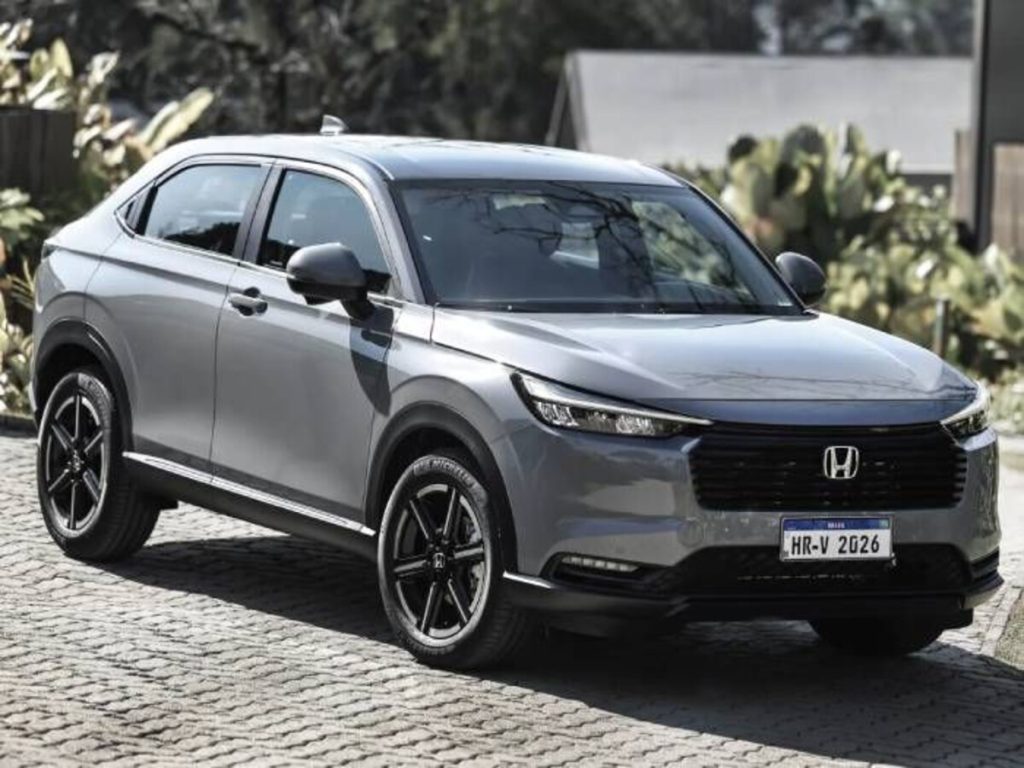
I am writing about HR-V because it is the type of crossover that feels designed for real urban life. It does not demand space. It fits into the city’s rhythm. It can handle tight turns, crowded lanes, and rough surfaces without making the driver feel like they are wrestling a big vehicle.
In many ways, HR-V represents what modern crossovers should be: compact enough for city comfort, but practical enough for daily living.
2) Toyota Corolla Cross
Toyota Corolla Cross is built around simplicity and daily usability, and that shows strongly in the city. It has crossover practicality without feeling oversized. The driving experience is calm, predictable, and easy to manage, which is what city drivers want.
You can creep through traffic smoothly, handle stop-and-go conditions comfortably, and navigate tight streets without constantly feeling like the vehicle is too large.
The suspension tuning fits city roads well. Corolla Cross absorbs bumps and surface imperfections without harshness. This makes daily drives less tiring, especially in cities where roads are not perfect. It also helps reduce cabin vibration, which can be a major source of stress in long-term urban driving.
Another big advantage is predictable steering. Many crossovers feel heavy at low speeds. Corolla Cross does not. It feels light enough for parking maneuvers while still being stable at moderate speeds. That balance is perfect for city driving, where you need both agility and confidence.
I included Corolla Cross because it is honest transportation. It does not try to impress with aggressive design or sporty behavior. It focuses on comfort, control, and practicality. That makes it extremely well suited to city roads.
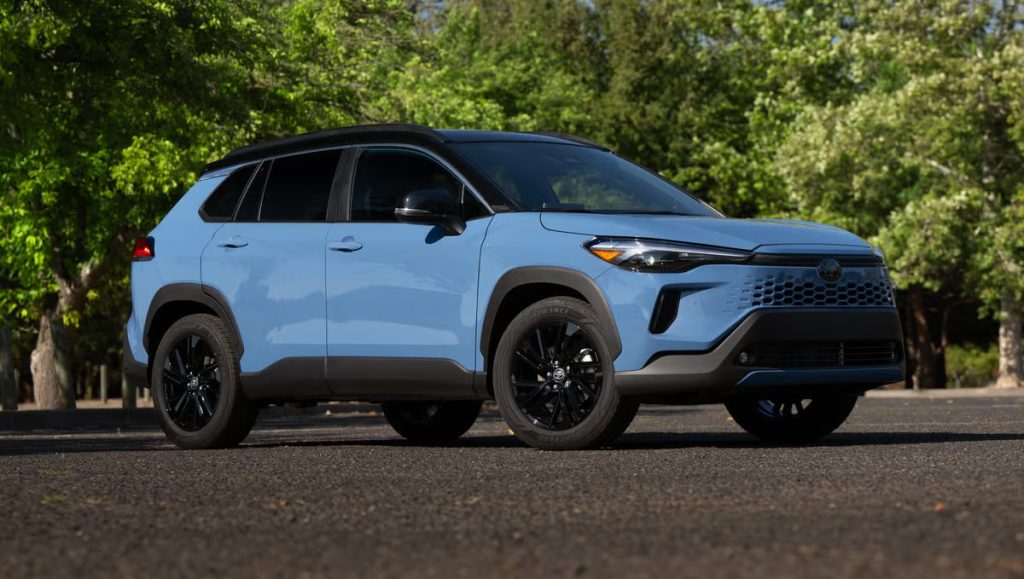
It also tends to stay reliable, which matters because city driving involves frequent wear and tear. Corolla Cross is not just easy to drive. It is easy to live with, and that is why it belongs on a list of crossovers that handle city roads well.
3) Mazda CX-30
Mazda CX-30 is an excellent city crossover because it feels refined and agile at the same time. Many crossovers sacrifice driving feel in exchange for height and space. CX-30 avoids that problem. It drives more like a sporty compact car than a tall SUV, and that makes it ideal for tight streets and quick lane changes.
The steering response is one of the biggest strengths. In city traffic, you constantly adjust your position, avoid potholes, and react to sudden openings. CX-30 responds quickly and predictably, so the driver feels confident.
It also feels stable over rough patches. Some sporty vehicles become stiff and uncomfortable. CX-30 usually finds a good balance, giving comfort while still maintaining control.
Size is another reason it fits urban life. It is not huge, so parking is easier. It fits into tight spaces without drama. In crowded downtown areas, that matters more than people realize. A crossover that is slightly too wide or too long becomes annoying fast. CX-30 stays compact.
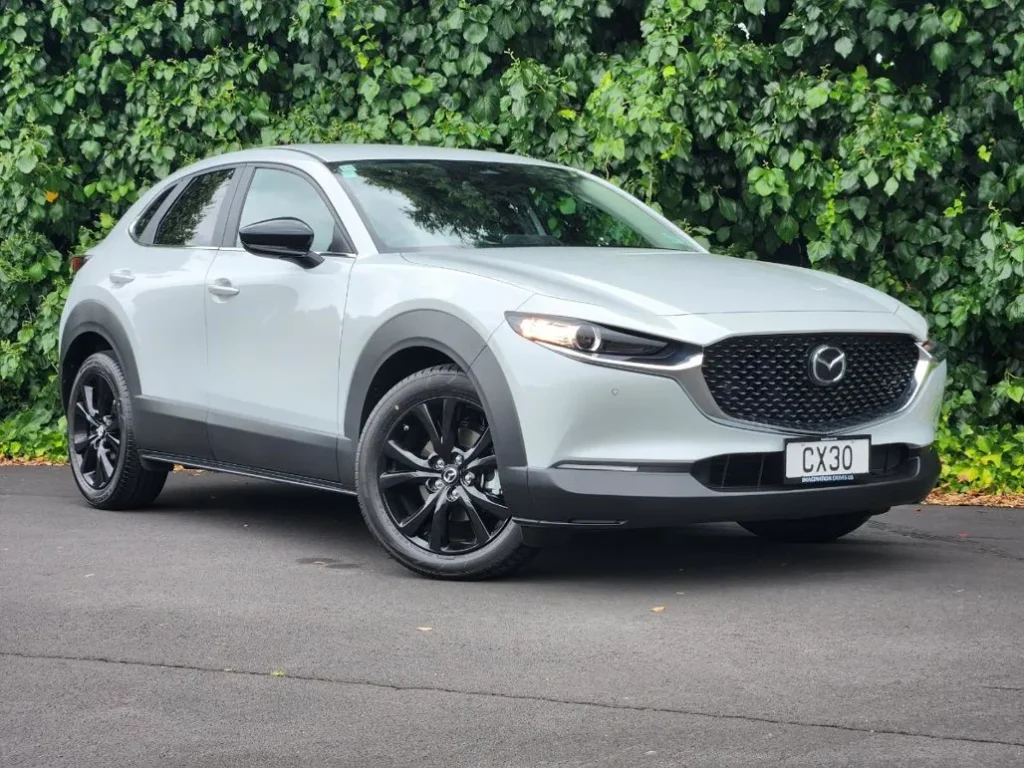
I am writing about CX-30 because it represents a crossover that does not compromise city driving enjoyment. It feels premium, smooth, and controlled.
It handles the city like a smaller vehicle while giving the height and practicality people want. For drivers who want a crossover that feels agile rather than clumsy, CX-30 is one of the smartest city choices.
4) Hyundai Kona
Hyundai Kona is a city-friendly crossover because it is built with a compact footprint and an easy driving personality. In cities, smaller crossovers often win because they blend SUV practicality with hatchback maneuverability. Kona fits that formula well. It is easy to park, easy to turn, and easy to control in tight lanes.
Kona’s suspension is tuned for daily comfort. It handles uneven roads, speed bumps, and broken pavement without feeling unstable. City roads are unpredictable, and Kona feels like it can take rough patches without shocking the driver. That comfort matters for people who drive daily through crowded routes.
The steering is also light enough for low-speed work. Parking garages and downtown areas demand constant steering adjustments. Kona does not feel heavy or slow to respond. It feels like it belongs in tight environments. Many city drivers value that more than pure highway comfort.
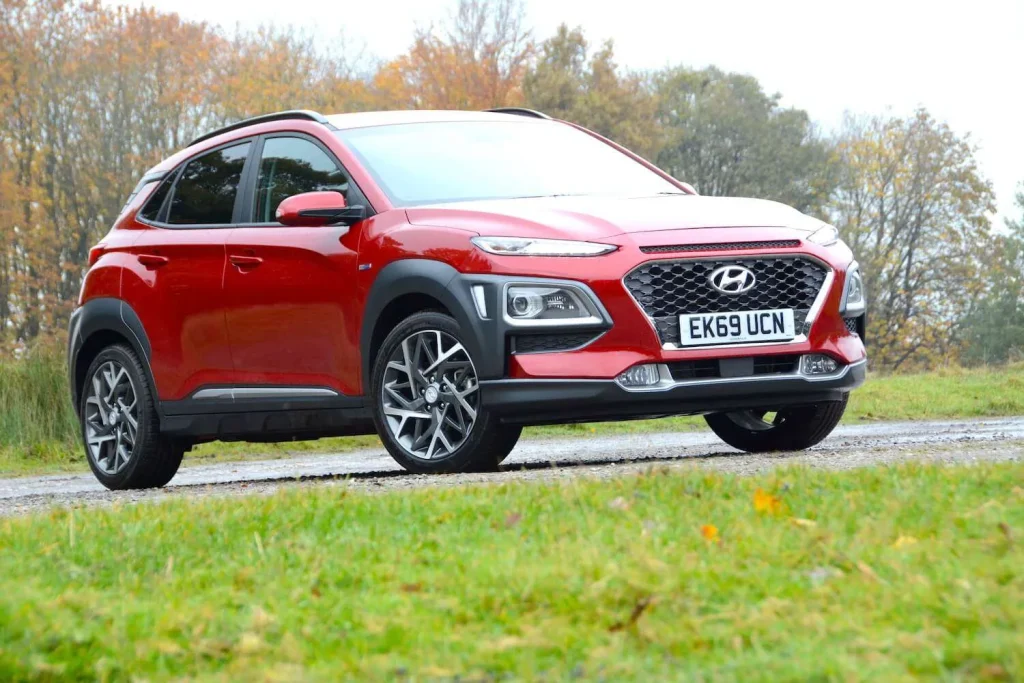
I included Kona because it is a realistic urban crossover. It is not oversized, it does not demand extra parking space, and it does not feel tiring in stop-and-go traffic.
It is practical, efficient, and easy to drive, which is exactly why crossovers became popular in the first place. Kona handles city roads like it was designed specifically for them.
5) Subaru Crosstrek
Subaru Crosstrek is a strong city crossover because it blends compact size with excellent stability and grip. Many city roads include slippery patches, uneven surfaces, and sudden weather changes.
Crosstrek’s traction confidence makes it feel secure in those conditions. Even if you are not driving on snow, that stability still matters in rain and on dusty or broken roads.
The suspension is also well suited for rough urban surfaces. Cities are full of potholes and uneven pavement. Crosstrek handles them with a controlled ride. It feels durable, and that durability matters when you drive daily. A vehicle that feels tough reduces long-term stress.
Another advantage is how manageable it feels. Some AWD crossovers become heavy and clumsy. Crosstrek stays compact, making it easier in traffic and parking. It does not feel like it needs extra space to operate.
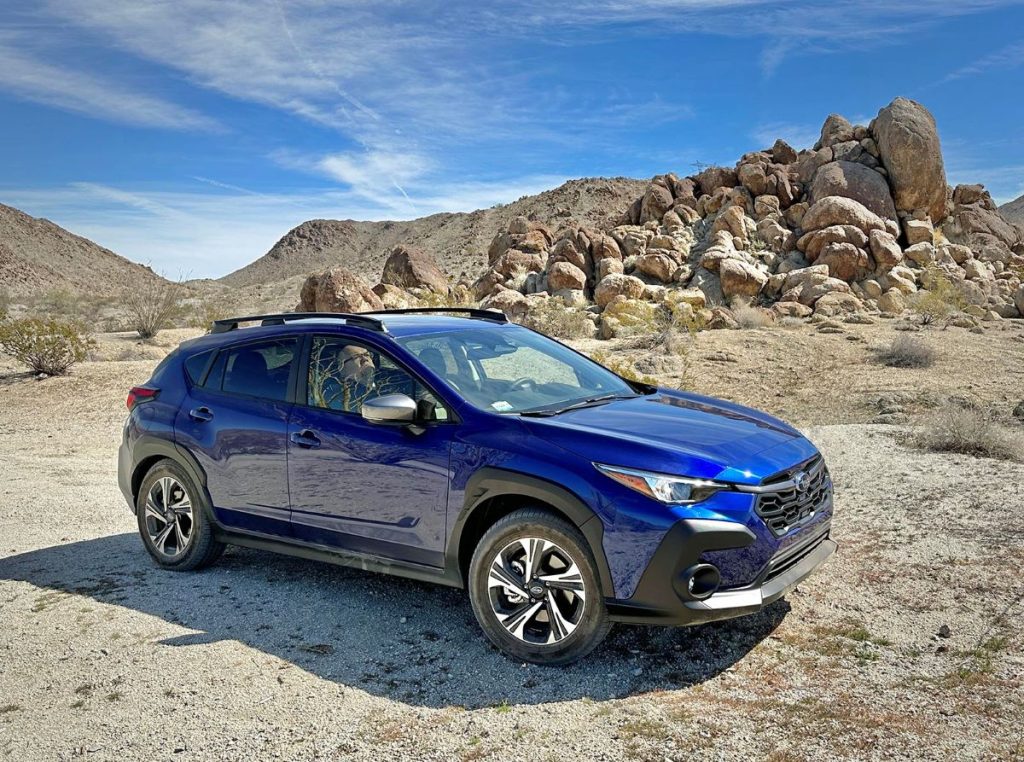
I am writing about Crosstrek because it is one of the best “all-around” crossovers for urban life. It is stable, comfortable, and confident on imperfect roads.
It handles city conditions without feeling delicate. For drivers who want a crossover that feels safe and controlled in every urban season, Crosstrek deserves a place in the top five.
5 Crossovers With Awkward Turning Circles
A crossover can feel perfect in most situations and still become annoying in the city for one simple reason: turning radius. Many drivers do not think about turning circles when buying a vehicle because it rarely matters on highways or open roads. But inside a city, especially in dense downtown areas, a wide or awkward turning circle becomes a daily irritation.
You feel it in parking garages, tight U-turns, cramped residential streets, and places where you need to quickly rotate the vehicle without taking too much space. When a crossover has a large turning radius, simple maneuvers turn into multi-step events.
This frustration becomes more obvious because crossovers are often chosen as “city-friendly SUVs.” People expect them to be practical, easy to park, and smooth for daily errands. But some crossovers are built on platforms that prioritize highway stability or interior space.
That means longer wheelbases and wider stances, which can increase turning circle. Others use styling that adds width and bulky bodywork, making the vehicle feel larger than it is. Even if the crossover is not huge, the steering geometry may still limit how sharply it can turn.
A crossover with an awkward turning circle often forces drivers into repeated three-point turns. In tight streets, you end up reversing, moving forward, reversing again, and blocking traffic for longer than necessary.
Parking becomes harder because you cannot angle into spaces smoothly. In garages, you may have to slow down and adjust constantly, which increases stress and increases the chance of scraping wheels or bumping corners.
I am writing this section because turning circle is one of the most overlooked city-driving factors. People focus on screens, features, power, and mileage. But in daily city life, maneuverability matters more than almost anything else.
These five crossovers are included because they commonly feel awkward when turning in tight spaces. They may still be excellent vehicles in many ways, but for urban drivers who face tight streets daily, their turning behavior can feel like a constant inconvenience.
1) Toyota Highlander
Toyota Highlander is a popular family crossover because it offers space, comfort, and smooth highway behavior. But in the city, its turning circle can feel awkward, especially in downtown areas and tight neighborhoods. The Highlander’s size is the main reason.
It is longer than most compact crossovers and has a larger footprint designed to support three-row seating. That extra length helps families, but it makes tight maneuvering more difficult.
In daily urban use, this shows up in U-turns and tight corners. A compact crossover can often rotate cleanly with one smooth movement. Highlander may require additional space or a multi-step turn.
That becomes frustrating in narrow streets where parked cars reduce lane width. Drivers may feel like they have to plan their turns more carefully, especially in residential areas with tight intersections.
Parking garages highlight the issue. Many downtown garages have sharp corners and narrow ramps. A crossover with a wider turning circle forces you to slow down more than others and often requires extra steering correction.
It becomes tiring in busy garages where you want quick clean movement. Even in parking lots, the Highlander can feel less nimble when you try to swing into narrow spaces.
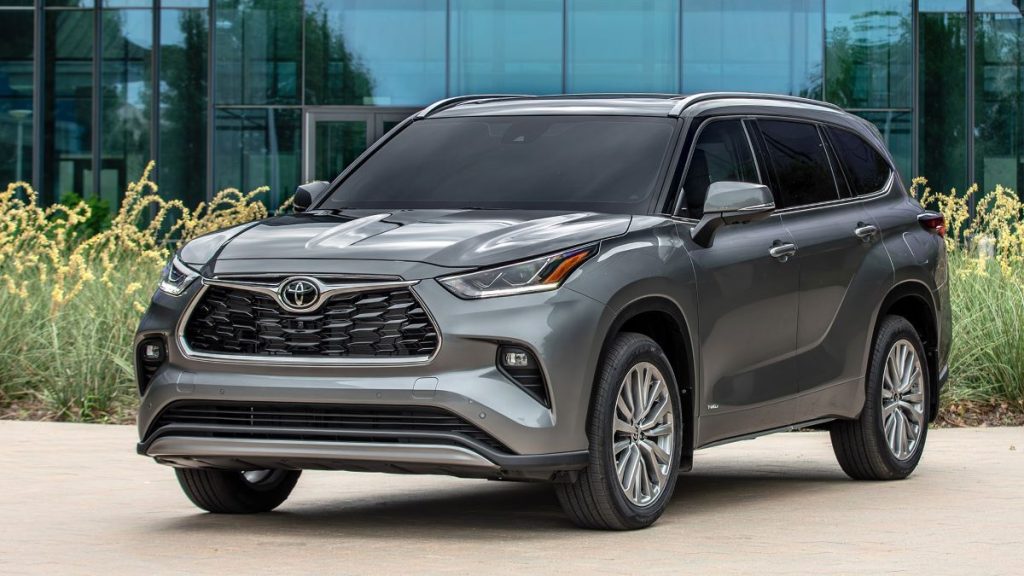
I am including Toyota Highlander because it represents the common trade-off: family space vs city agility. It is a strong crossover in many ways, but when drivers use it daily in tight city environments, the turning circle becomes a repeated annoyance.
For suburban families it is excellent. For daily downtown maneuvering, it can feel clumsy compared to smaller, sharper-turning crossovers.
2) Ford Edge
Ford Edge is a comfortable and confident crossover on open roads, but in city environments its turning behavior can feel less agile than expected. The Edge is not a full-size SUV, but it is wide and carries a stance that gives highway stability. That same stance can work against it when you need tight turning response.
The issue becomes clear when you attempt U-turns in narrow city streets. A crossover with a tighter turning circle can swing around quickly. Edge may require more road width, pushing the driver to slow down, adjust, and sometimes even reposition.
In downtown settings where space is limited and other cars are close, this can feel stressful. It is not only about the number itself. It is about the way the vehicle feels. Edge can feel like it needs extra room to complete maneuvers that smaller crossovers handle easily.
Parking garages and tight ramps also make the turning circle feel bigger. In garages, you often need to rotate sharply while climbing or descending ramps.
A crossover that feels long and wide forces extra correction, increasing risk of scraping wheels or bumping corners. Drivers end up creeping slowly, which adds frustration when traffic behind them is impatient.
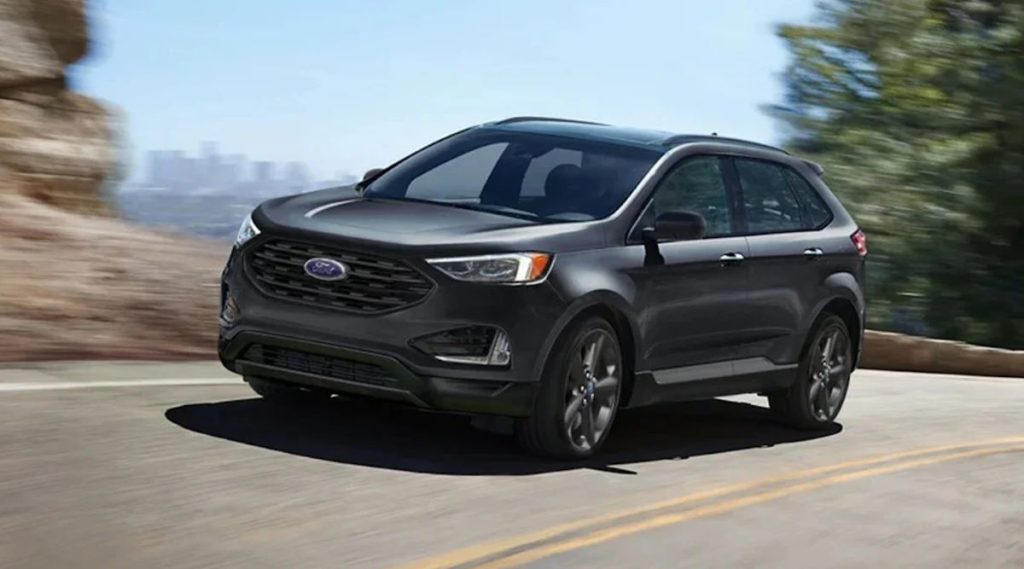
I am writing about Ford Edge because many buyers assume it will feel like a smaller crossover in the city. But its size and turning behavior make it closer to a “big city crossover” than a nimble one.
It is comfortable and practical, but for tight daily city maneuvering, its turning circle can become one of those small issues that keeps repeating until it feels like a permanent inconvenience.
3) Mitsubishi Outlander
Mitsubishi Outlander offers good space for the money, and it is often chosen as a practical family crossover. However, in city environments, the Outlander can feel less nimble than its shape suggests. Its turning circle often feels larger than expected, especially when compared to other crossovers in similar categories.
This becomes obvious in tight street turns and parking lot maneuvers. Drivers may feel like they need extra room to swing the vehicle around. In narrow residential streets where cars are parked on both sides, the Outlander can require slow careful movement.
It may not rotate as tightly as some competitors, which leads to repeated adjustments. These adjustments do not seem like a big problem at first, but over time they become annoying because city driving is full of these small maneuvers.
In parking garages, the Outlander can feel awkward when navigating sharp corners. Many city garages were built decades ago, with narrow spaces and tight ramps.
When a crossover does not turn sharply, the driver is forced to make slow wide turns, often taking up more space than intended. This increases stress, especially when other drivers are waiting.
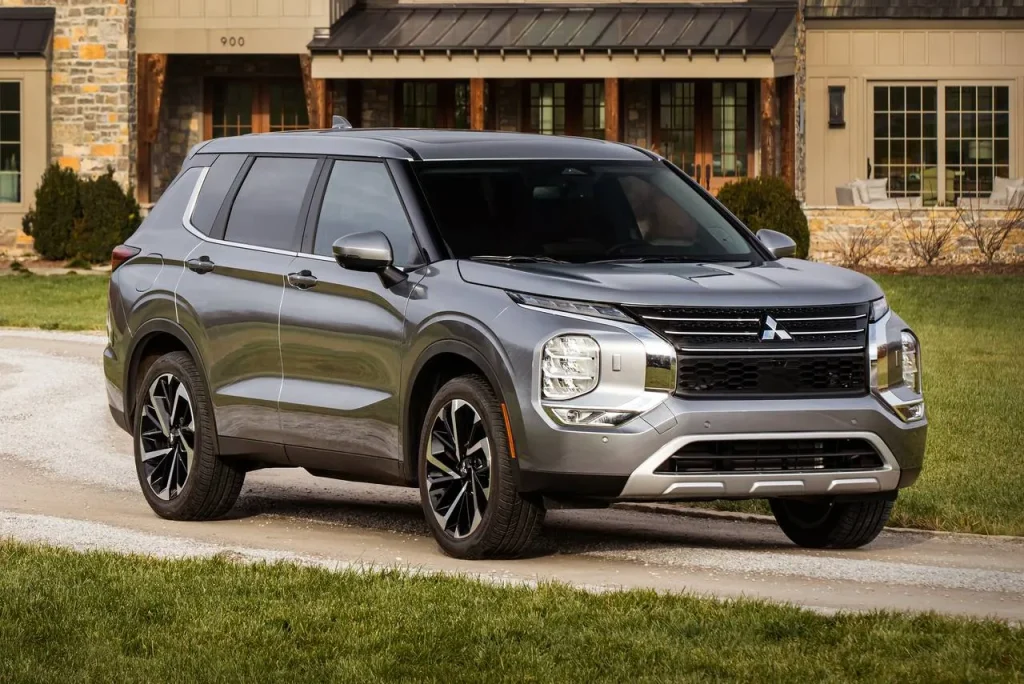
I included Mitsubishi Outlander because it represents a crossover that can be a good value but still feel urban-unfriendly in maneuverability.
Many buyers focus on interior space and price, then later realize that the daily convenience of turning matters more than expected. Outlander’s turning circle can make it feel clumsier in city life, which is exactly why it belongs in this list.
4) Chevrolet Traverse
Chevrolet Traverse is large, comfortable, and designed for families who need space. But in city driving, it often feels like too much vehicle. Its turning circle is one of the main reasons. Traverse is built as a three-row crossover with a long body and wide stance.
That makes it stable on highways and roomy inside, but it also makes turning in tight spaces difficult.
This becomes a daily headache in dense urban environments. U-turns that other cars handle easily may become multi-step events. In neighborhoods with narrow streets, you may need to slow down dramatically or avoid certain turns altogether. The vehicle feels like it needs room to breathe, and downtown does not provide that breathing room.
Parking is also more complex. Traverse’s size already makes it harder to fit into small spaces. Add an awkward turning radius, and it becomes even harder to angle into spots. In garages with sharp corners, you may struggle to navigate ramps without repeated steering corrections.
I am writing about Traverse here because it demonstrates the clear difference between a city crossover and a family highway crossover. Traverse is a great road trip vehicle. It is also excellent for large families.
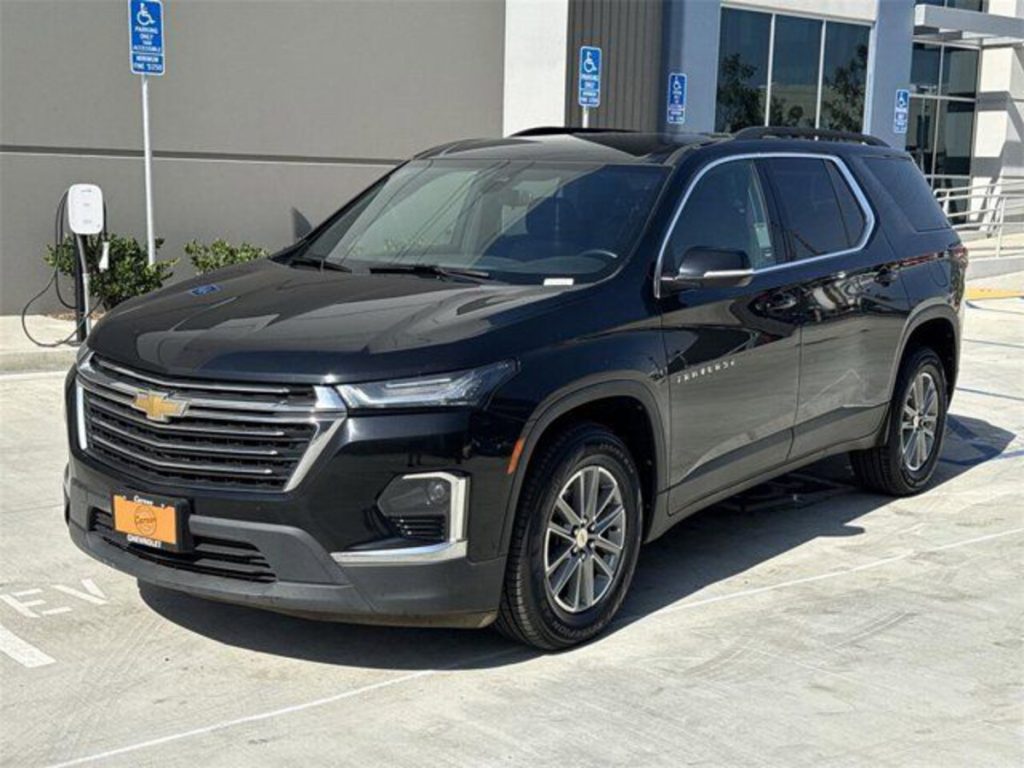
But in urban daily use, its turning circle makes it feel clumsy, and clumsy is the opposite of what city drivers want. For people who drive downtown often, Traverse can feel like a vehicle that constantly demands extra effort just to complete normal maneuvers.
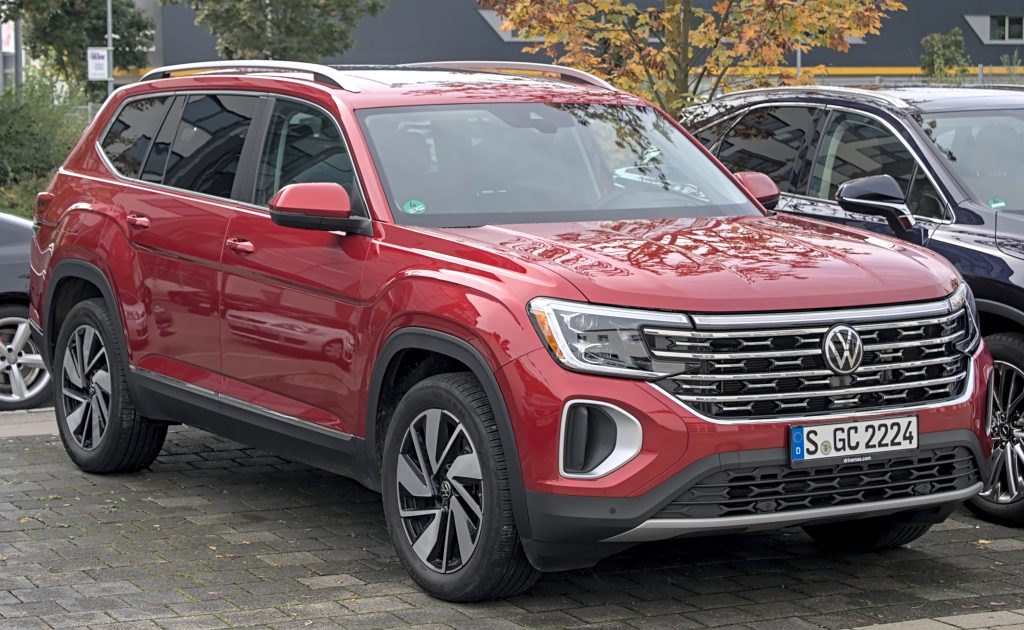
5) Volkswagen Atlas
Volkswagen Atlas is a big crossover built for space and comfort. It feels premium, offers strong cabin room, and works beautifully for families. But in city settings, Atlas can feel like it is simply too large, and its turning circle contributes heavily to that feeling.
Even basic maneuvers like U-turns and tight intersection turns can feel awkward. Atlas may require wider roads to rotate smoothly, and in crowded streets that leads to slow cautious turning.
Drivers often end up doing multi-step turns that block traffic. That creates stress, because city driving already comes with pressure from impatient drivers behind you.
Parking garages make the turning issue more painful. Downtown garages often have narrow lanes and sharp corners. Atlas drivers may find themselves creeping forward, adjusting repeatedly, and fighting the vehicle’s size.
Even with sensors and cameras, the physical turning radius remains the main limitation. Cameras help you avoid obstacles, but they do not help you rotate in smaller space.
I included Volkswagen Atlas because it is one of the most common examples of a crossover that feels excellent in suburban life but awkward in tight urban zones. It offers interior comfort, but the daily maneuverability cost is high. In cities, the turning circle becomes a repeated frustration, and that frustration grows over time.
City roads reward control, comfort, and agility. The first group of crossovers works well in urban life because they feel stable over rough pavement, easy to steer, and simple to place in tight traffic.
Honda HR-V, Toyota Corolla Cross, Mazda CX-30, Hyundai Kona, and Subaru Crosstrek show how crossovers can deliver height and practicality without becoming clumsy. They handle bumps well, remain predictable in stop-and-go traffic, and offer the kind of maneuverability that makes city life easier.
The second group highlights a different reality. Toyota Highlander, Ford Edge, Mitsubishi Outlander, Chevrolet Traverse, and Volkswagen Atlas can be excellent crossovers for families, highway comfort, and long trips, but their turning circles often feel awkward in dense urban spaces.
They demand extra room, extra steering correction, and extra patience. Over time, this can make drivers feel tired because everyday maneuvers require unnecessary effort.
In the end, the best crossover for city life is not always the biggest or most feature-packed. It is the one that fits the streets you actually drive every day. When maneuverability is right, city driving becomes smoother, parking becomes easier, and daily ownership feels far less exhausting.
Also Read: 5 Vehicles That Stay Smooth With Frequent Idling vs 5 That Develop Issues
