
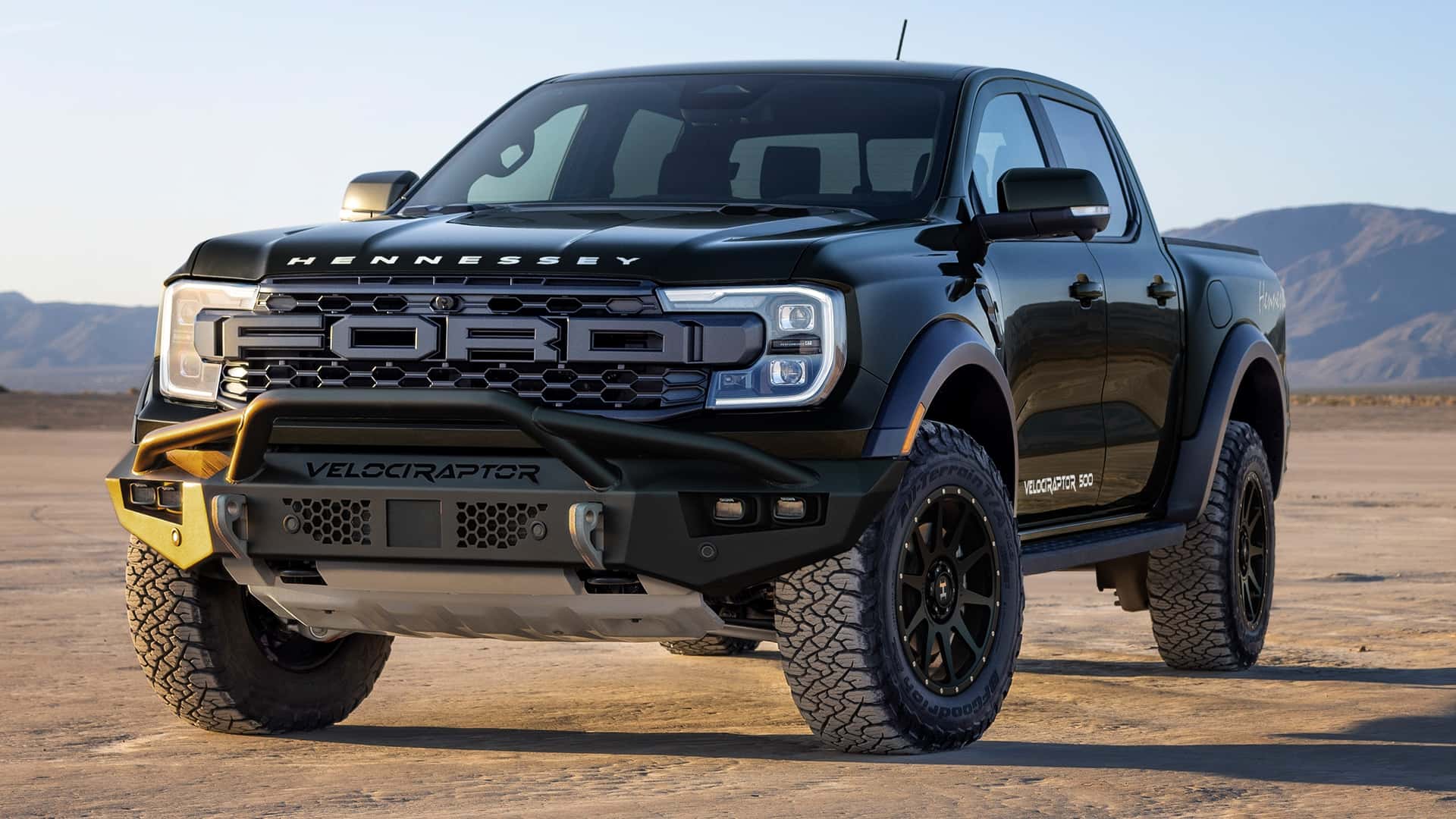
Ford appears to be reconsidering how it approaches electrification. While the automaker has scaled back some of its electric vehicle ambitions, it is not abandoning the transition altogether. Instead, Ford may be recalibrating, and that adjustment could involve a surprising overseas partner.
Reports suggest the company is in early-stage discussions with BYD, the Chinese automaker that recently surpassed Tesla as the world’s largest EV producer, about supplying batteries for upcoming hybrid vehicles.
The talks are still preliminary and there is no certainty a deal will be reached. One option being explored would see Ford importing batteries manufactured by BYD for use in production facilities located outside the United States.
Ford declined to either confirm or reject the possibility of a partnership. “We talk to lots of companies about many things,” the company told the publication. While carefully worded, the response leaves the door open to speculation.
BYD has traditionally centered its battery manufacturing operations in China, but that is rapidly changing. The company has been expanding its global manufacturing presence, adding capacity in regions including Brazil, Europe, and Southeast Asia as it pushes further into international markets.
The reported discussions come at a moment of significant strategic change for Ford. The automaker recently recorded a $19.5 billion write-down after walking back several electric vehicle projects, including prominent battery joint ventures with South Korea’s SK On and LG Energy Solution.
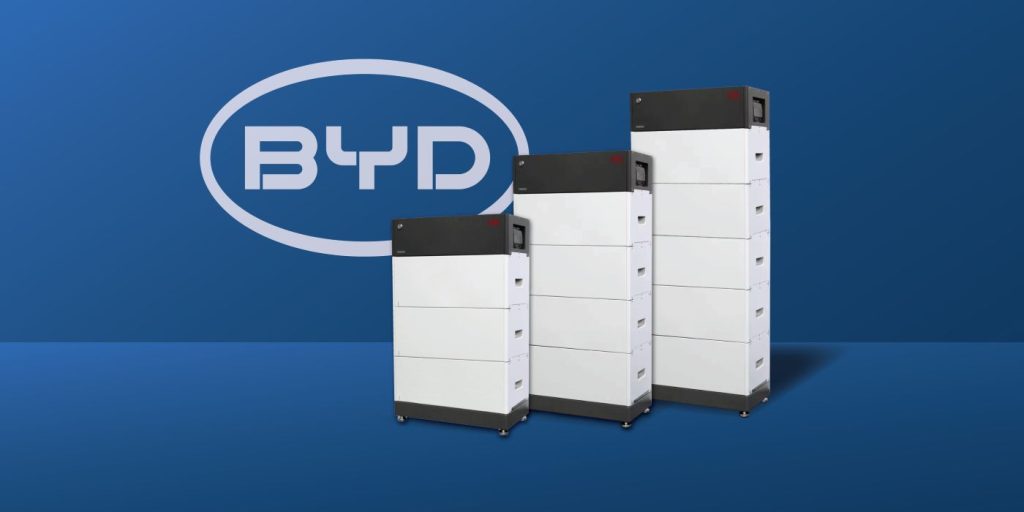
While Ford is reinforcing its commitment to internal combustion vehicles, it is also doubling down on hybrids, an area where BYD already has deep experience.
BYD ranks among the world’s largest producers of hybrid vehicles and automotive battery systems. Rather than restarting paused partnerships or investing heavily in new battery plants, Ford could opt to purchase batteries directly from BYD.
Such a move would simplify its supply chain while still supporting Ford’s broader objective of having hybrids, plug-in hybrids, and fully electric vehicles account for half of its global sales by 2030.
Any potential agreement between Ford and BYD is unlikely to be universally welcomed in Washington. After reports emerged about the discussions, Trump administration trade advisor Peter Navarro publicly criticized the idea.
President Donald Trump offered a more measured response. Speaking with reporters in Detroit, he said he supported foreign companies, including those based in China and Japan, establishing operations in the United States, provided they employed American workers.
“You know, those tariffs are keeping the foreign autoworkers. Now, if they want to come in and build the plant and hire you and hire your friends and your neighbors, that’s great. I love that,” said Trump. ” Let China come in. Let Japan come in. They are. And they’ll be building plants, but they’re using our labor.
Also Read: 5 Vehicles That Adapt Well to Urban Routines vs 5 That Don’t
