
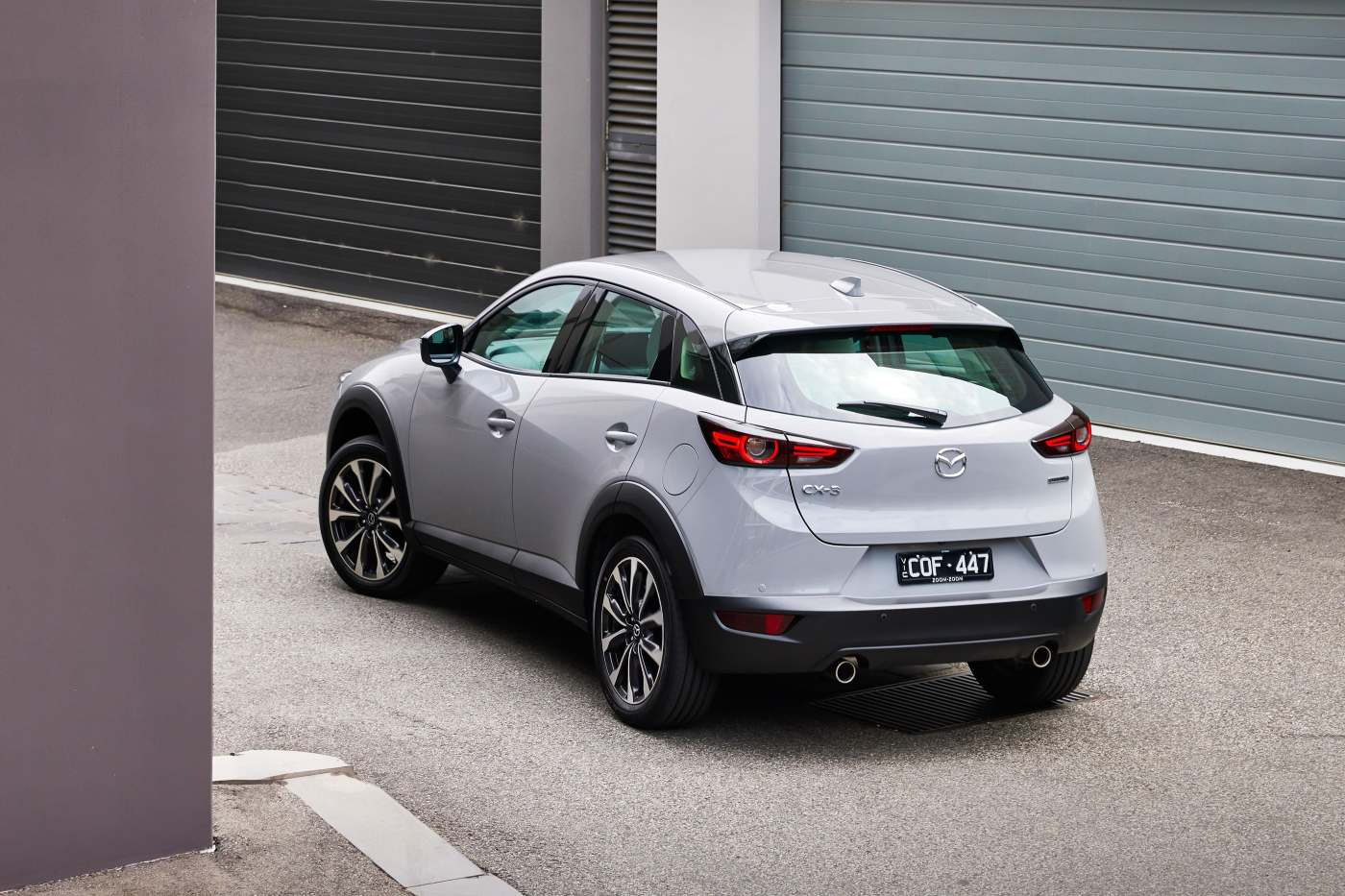
After more than ten years on the market, Mazda’s two longest-running models appear to be nearing the end of the line. Dealer documentation indicates that both the Mazda2 and the CX-3 are expected to exit production in 2026, bringing a close to unusually long lifespans in fast-moving segments.
The Mazda2 and CX-3 have been on sale since 2014, surviving far longer than most competitors through a steady cycle of facelifts, minor updates, and annual revisions that kept them serviceable, if no longer cutting-edge. Like endurance runners who refuse to stop, both models managed to stay relevant just long enough to justify their continued presence.
But even the most persistent nameplates eventually reach the end of their road, and Mazda’s smallest offerings now appear to be approaching that moment.
According to a report from Japanese publication, citing internal dealer materials, Mazda plans to phase out production of both models during 2026. From a product-cycle standpoint, the timing is logical.
These vehicles are currently the oldest in Mazda’s lineup, and in segments where design, technology, and efficiency evolve rapidly, such longevity becomes increasingly difficult to sustain.
More specifically, CX-3 production is expected to conclude in March, followed by the Mazda2 in June. Mazda will continue to accept domestic orders until each model reaches its final production allocation. Once those quotas are met, remaining stock will be sold until inventories are depleted.
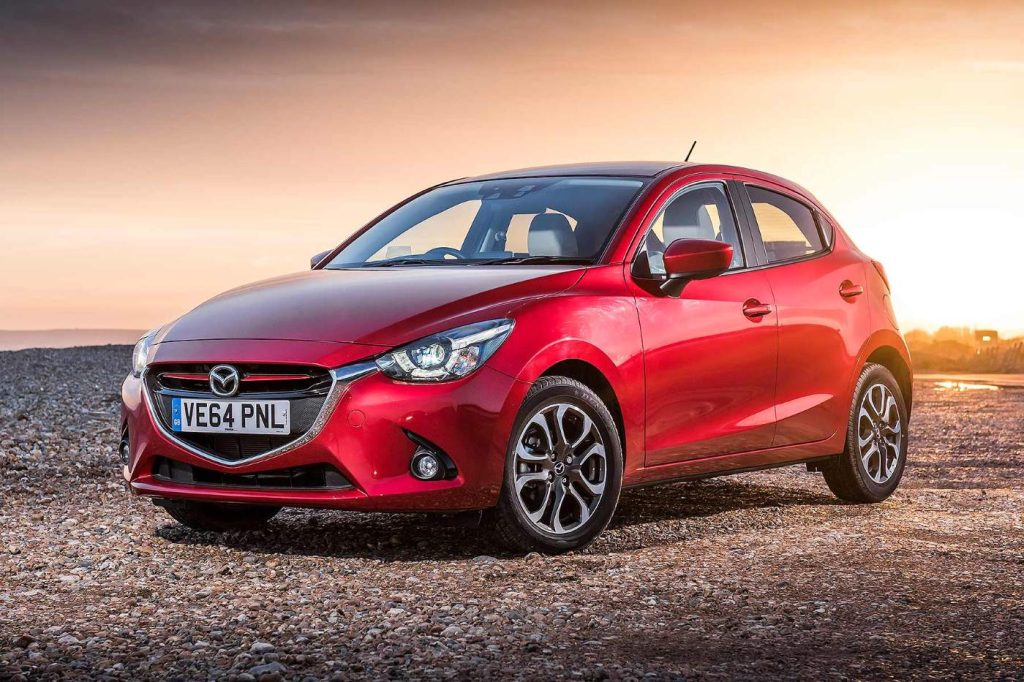
Earlier speculation suggested Mazda might abandon the subcompact segment altogether, but recent developments point in a different direction. Rather than retreating, the company appears to be preparing replacements, albeit with a revised strategy.
The clearest signal of a Mazda2 successor comes from the Vision X-Compact Concept, unveiled at the 2025 Japan Mobility Show. The concept adopts a hatchback form with contemporary styling and a cabin centered around AI-driven technology.
Notably, the Vision X-Compact is approximately 10 inches (255 mm) shorter than the current Mazda2. If those dimensions translate to a production model, Mazda’s next entry-level vehicle could shift into the city-car category rather than remaining a traditional supermini.
Should that happen, the model could debut as early as 2027 and serve as Mazda’s new global entry point. However, its reduced size would almost certainly exclude it from the U.S. market.
The CX-3, meanwhile, has performed well enough globally to justify a follow-up. Mazda hinted at a potential successor earlier this year during an official presentation in Thailand, where it revealed design sketches of a compact SUV with a broader stance and more assertive proportions.
The design appeared to draw inspiration from the latest CX-5, suggesting a move toward a tougher, more SUV-focused aesthetic. Industry speculation points to the name CX-20, though Mazda has yet to confirm branding or production details.
A global launch remains uncertain, but if the project moves forward, the new model would likely compete directly with vehicles such as the Toyota Yaris Cross and an increasingly crowded field of small SUVs from rival manufacturers.
Also Read: 5 EVs That Make Sense in New York City and 5 That Don’t
