
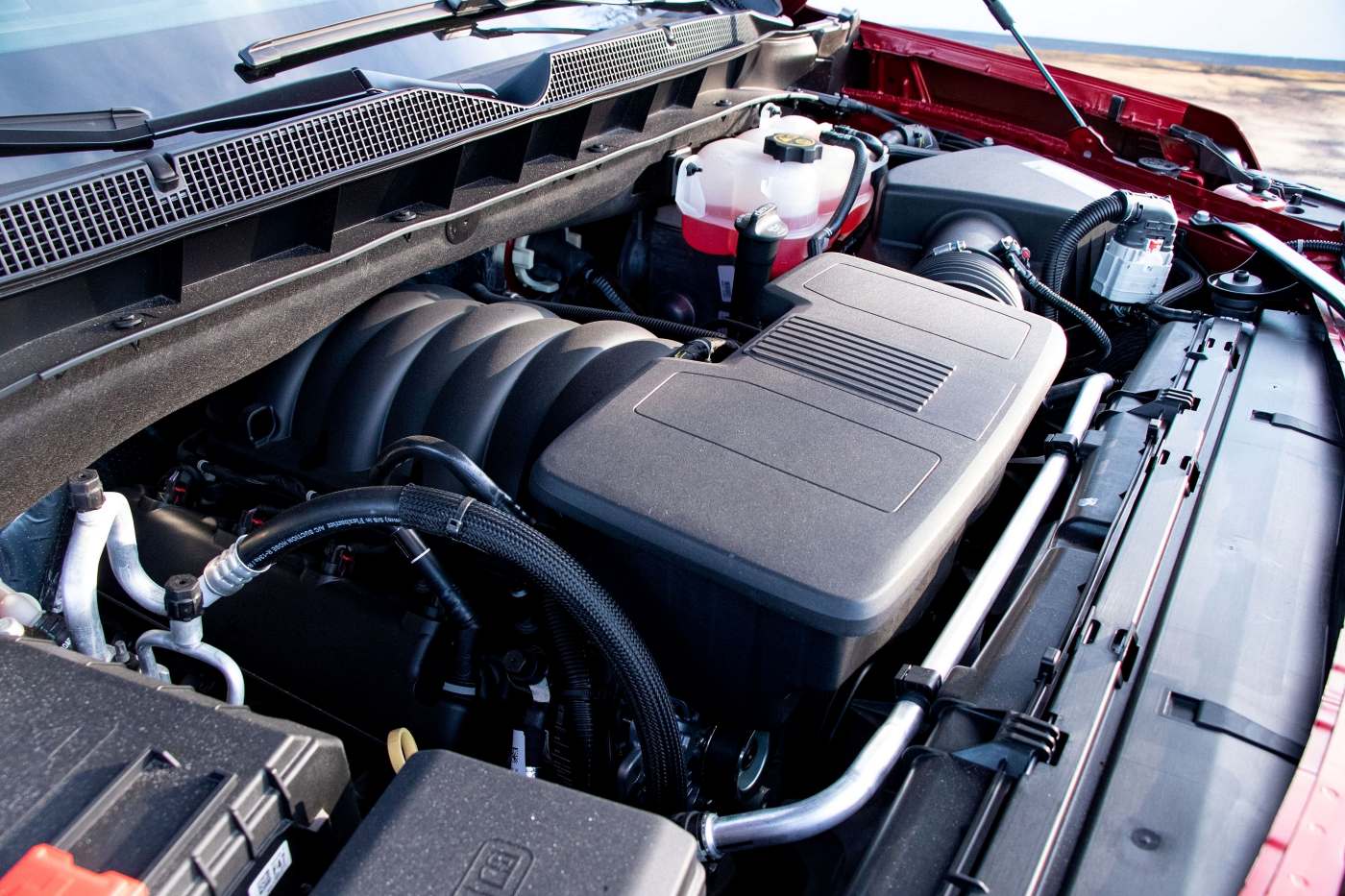
GM’s proposed solution for its 6.2-liter V8 has not resolved the ongoing problems, prompting the National Highway Traffic Safety Administration (NHTSA) to get involved.
The 6.2L L87 V8 has faced recalls, lawsuits, and engine failure complaints since 2025. NHTSA is now investigating GM’s recall remedies following continued engine failures and safety concerns. Despite GM’s recommendation to use thicker oil and replace engines, failures have continued.
GM’s 6.2-liter V8, internally known as the L87, made headlines in 2025 for all the wrong reasons. Since April of that year, the engine has been linked to multiple recalls and lawsuits due to manufacturing defects affecting connecting rods and crankshafts. These defects can cause sudden engine failure, and in some cases, engines have failed with very low mileage.
With over 1,000 complaints filed, GM now faces multiple class-action lawsuits over the L87. The company suggested using higher-viscosity oil, but engines continued to fail. Federal authorities have now intervened, and the investigation is underway, according to documents from NHTSA’s Office of Defects Investigation (ODI).
NHTSA has officially opened a probe into the matter. At the time of writing, GM has recalled 721,000 vehicles worldwide, with 597,571 in the U.S. alone. The agency is also examining post-recall engines, including those that followed GM’s advice to use thicker oil. In its latest filing, NHTSA notes “failures of both remedies.”
The involvement of a federal safety agency is significant. NHTSA monitors all U.S. recalls, and the potential for sudden loss of power at highway speeds raises serious safety concerns. The agency is scrutinizing GM’s solutions and seeking to determine the root cause of the ongoing failures.
GM’s recall, first issued in April 2025, recommended switching from 0W-20 to 0W-40 oil. Theoretically, the thicker oil would provide more wear protection by better coating the cylinders. However, the higher fuel consumption was only a minor drawback compared with the unresolved engine failures.
Despite this proposed solution, reports of failures continued. Replacement engines have also encountered problems, indicating that the issue goes beyond oil viscosity.
NHTSA has received 36 Vehicle Owner Questionnaires describing continued engine failures even after switching to thicker oil. One lawsuit claims, “owners are presented with two bad options: do nothing and risk catastrophic engine failure or get the recall and pay hundreds of dollars more for gasoline.”
Owners of GM full-sized pickups or SUVs with the 5.3-liter V8 need not worry. However, vehicles with the 6.2-liter L87 may still be at risk if built before June 1, 2024, as GM states engines produced after that date are not affected.
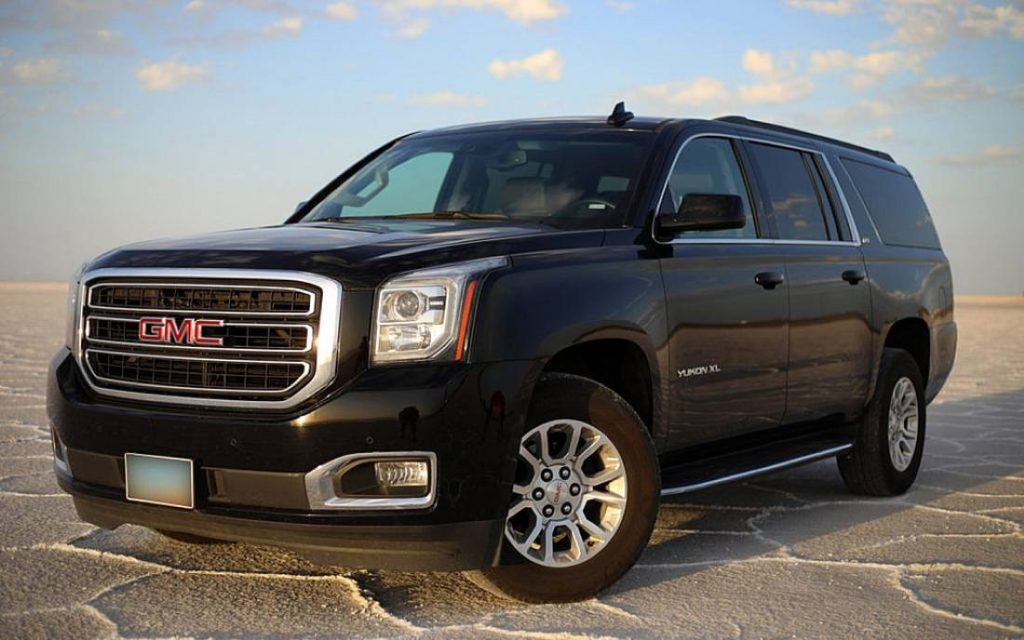
The L87 is optional on several trims of the Chevrolet Silverado, Suburban, and Tahoe, as well as on GMC Sierras, Yukons, and Yukon XLs. It is standard on High Country versions of the Silverado, Suburban, and Tahoe, Denali trims of GMC’s full-size lineup (excluding HD trucks), and the Cadillac Escalade.
Also Read: 10 Most Powerful Chevy Big Block Engines Ever Produced
