
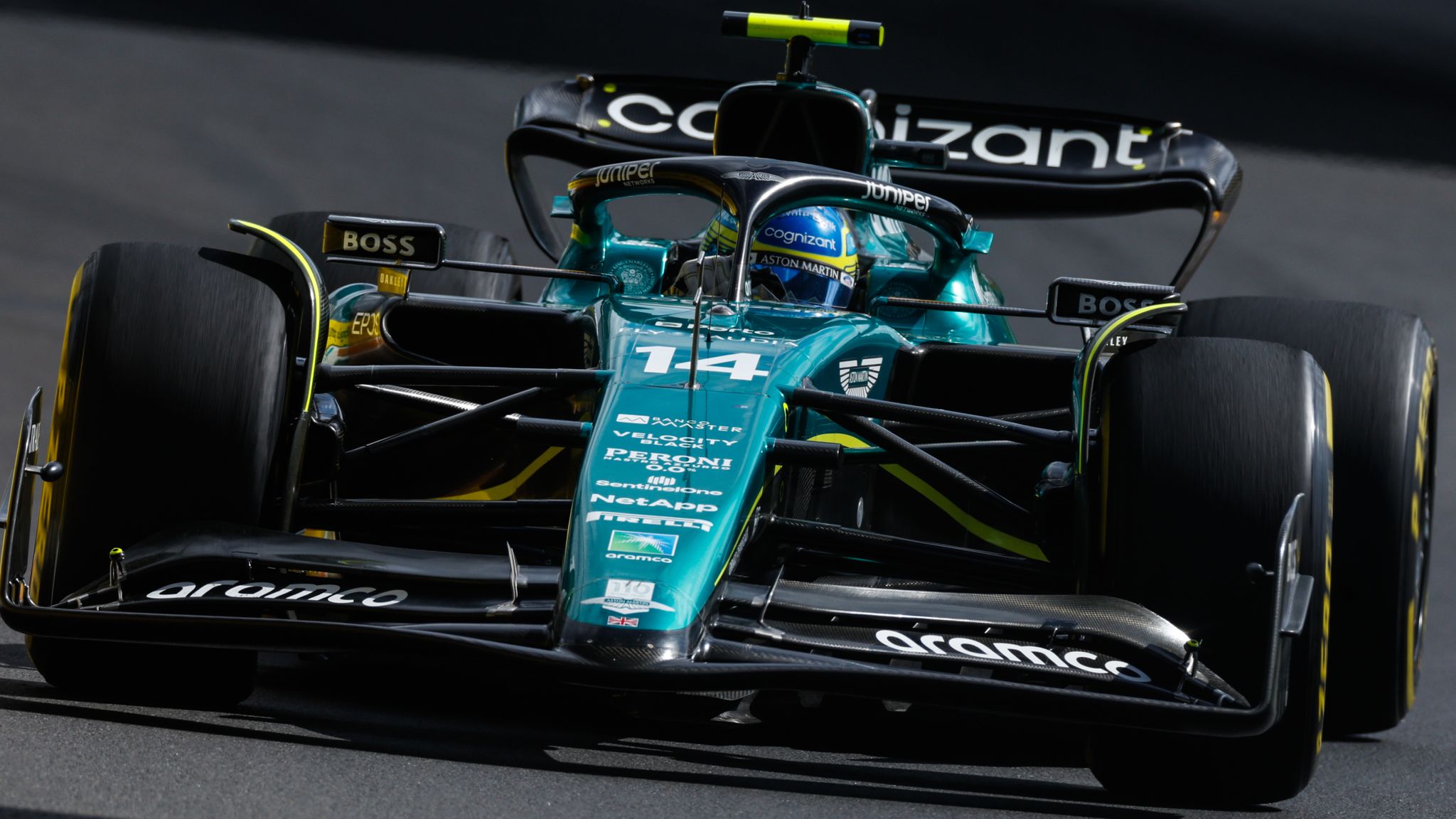
Executives at Aston Martin and Honda are receptive to collaborating on a supercar or hypercar. Formula 1 remains the immediate priority, though on-track success could shape future road cars. A Japanese-influenced Aston Martin may sound odd, but precedent exists in the form of the Cygnet.
The 2026 Formula One season is shaping up to be a watershed moment, bringing sweeping new regulations, fresh entrants such as Ford, Cadillac, and Audi, and a newly crowned World Drivers’ Champion in McLaren’s Lando Norris defending his title. It also marks the first year Aston Martin will run a Honda-built power unit instead of a Mercedes one, and that partnership could extend beyond the grid.
The collaboration may eventually result in a jointly developed road-going model. Aston Martin executive chairman Lawrence Stroll explained that while there are no current plans to co-develop a production car with Honda, he is “very open” to the concept. Honda president Toshihiro Mibe echoed that openness, stating that such a project was “entirely possible.”
For the moment and into the near future, both companies remain singularly focused on achieving success in Formula 1. Still, Mibe noted that “there will be value” in transferring lessons learned from a successful works F1 effort “to production cars.”
Aston Martin has already demonstrated a willingness to pursue otherworldly yet technically road-relevant performance with the Valkyrie, while Honda would likely welcome a new flagship model after discontinuing the second-generation NSX.
Together, those remarks suggest genuine enthusiasm on Honda’s side for a hypercar shaped by Formula 1-derived technology. Considering that the original NSX benefited from input by legendary F1 champion Ayrton Senna, a motorsport-driven collaboration feels especially fitting. Stroll, for his part, appears equally intrigued by the idea.
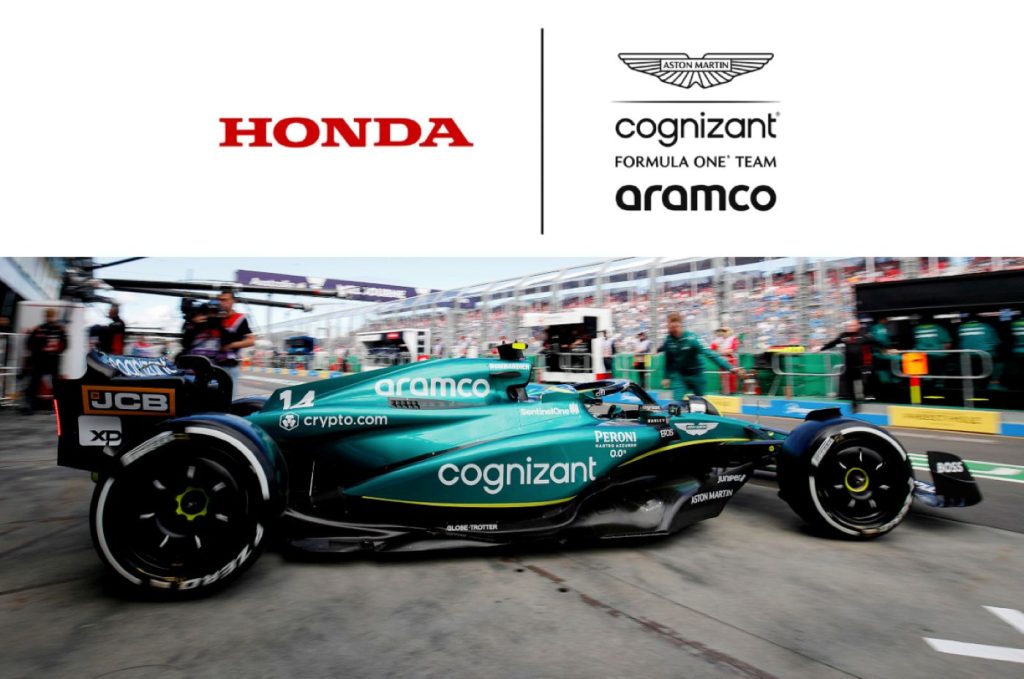
“These are two great companies getting together in Aston Martin and Honda,” said Stroll, adding, “It’s safe to say that [our F1 works team project] is the beginning of our relationship. We actually at this point have not discussed a production car or hypercar or a supercar together, [but] there is absolutely no reason why we can’t do so going forward.”
Should the two brands eventually decide to collaborate on a street-legal model, it’s easy to imagine a car that blends Aston Martin’s signature elegance with Honda’s deep engineering expertise, resulting in something both refined and forward-thinking. However, this would not be Aston Martin’s first partnership with a Japanese automaker, and the previous effort was anything but aspirational.
In 2011, the company launched the Cygnet, an urban commuter based on the Toyota iQ, with an annual sales goal of 4,000 units. Initially limited to existing Aston Martin customers, the Cygnet carried a price roughly three times higher than the iQ, despite identical paper specifications and potentially slower real-world performance due to the added weight of upscale leather and aluminum trim.
Demand fell far short of expectations, with fewer than 600 units sold across Europe, and production ended after just two years. It’s unlikely Aston Martin would repeat that misstep.
A supercar or hypercar would serve as a far stronger halo product, though much will depend on how successful the Honda partnership proves to be in Formula 1. Still, it’s an intriguing possibility. After all, few would have predicted an Aston Martin wearing Toyota underpinnings before it happened, yet it did.
