
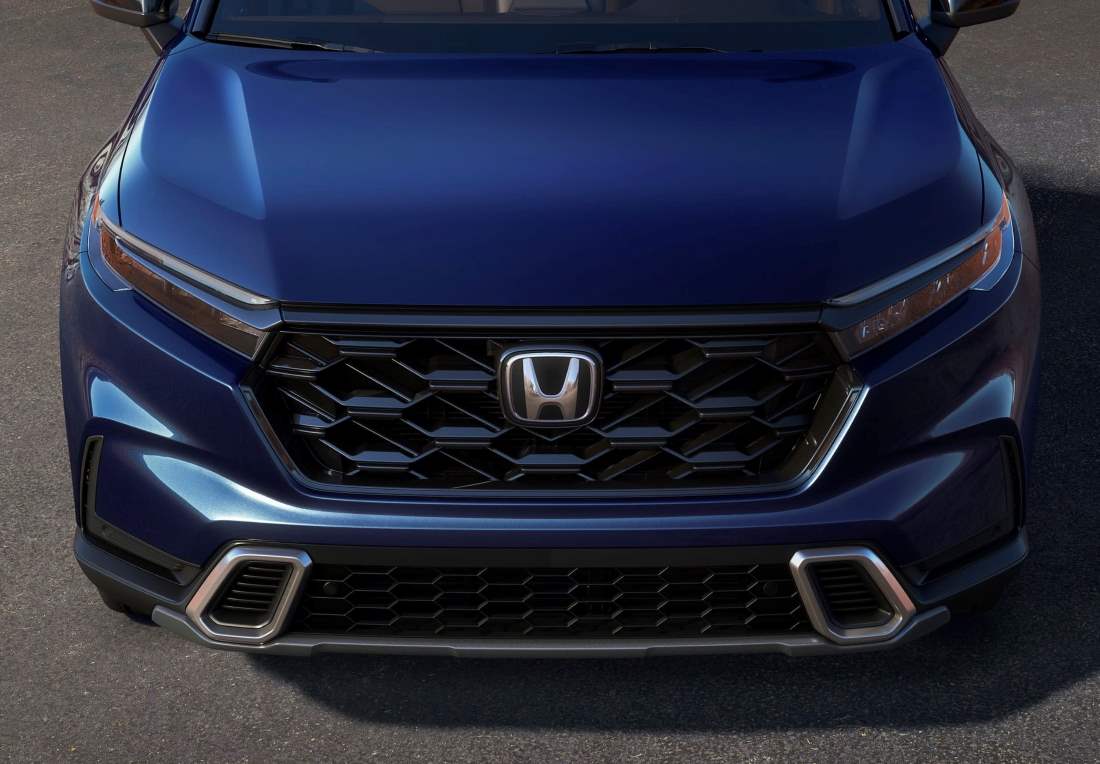
Honda has confirmed it will halt production of its current fuel cell system at the US Fuel Cell System Manufacturing LLC facility before the end of 2026, marking a significant reset of its hydrogen plans in the United States.
Honda says production of its existing fuel cell system will end at the Brownstown, Michigan plant ahead of 2027.
The facility operates as a joint venture with General Motors, and the decision signals a shift in how Honda intends to develop and scale hydrogen technology going forward.
Fuel Cell System Manufacturing LLC was established to produce a shared Honda–GM fuel cell system. Honda has now confirmed that manufacturing of the current unit will stop after both companies agreed to wind down production at the site.
Looking ahead, Honda plans to move forward with a next-generation fuel cell system developed entirely in-house.
The automaker has previously stated that this new system will focus on reducing costs and improving durability, with mass production targeted for 2027, timing that closely aligns with the shutdown of the current U.S.-built system.
The move is notable because the Brownstown facility stood as one of the clearest examples of large-scale collaboration between major automakers in hydrogen production.
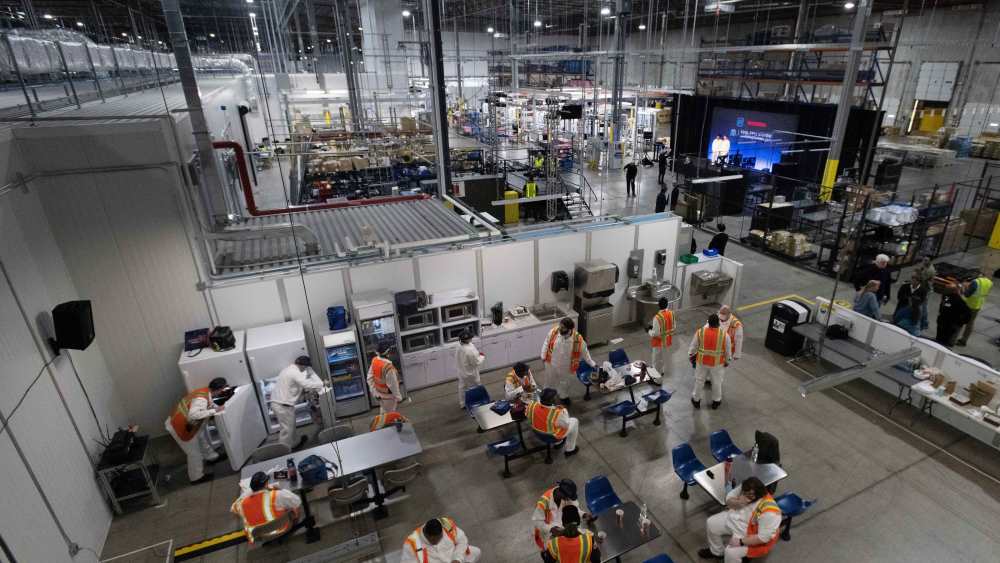
While ending output there does not indicate Honda is walking away from fuel cells altogether, it does suggest the near-term market has not grown quickly enough to support continued joint-venture production.
At the same time, the decision places added pressure on Honda to ensure its next-generation system is significantly cheaper and easier to deploy across a wider range of applications.
Without that improvement, hydrogen risks remaining a niche solution in both passenger vehicles and commercial equipment.
Honda is navigating the tension between long-term technology investments and present-day market realities.
Consumers are increasingly focused on monthly payments, and automakers face growing pressure to justify expensive new powertrains as price sensitivity rises, an issue Honda itself has acknowledged in recent messaging.
Meanwhile, Honda’s core business continues to rely on high-volume family vehicles, where incentives and leasing programs can have a more immediate impact than emerging technologies.
This is why deals such as the Odyssey and Pilot lease offers draw close attention, as they reflect what Honda is prioritizing on dealership lots today.
Shutting down production at the U.S. joint venture plant represents a reset point for Honda’s hydrogen roadmap.
If the next-generation fuel cell system launches on schedule and delivers meaningful cost reductions, Honda could re-enter the market with a clearer narrative and a stronger business case.
If delays occur, however, fuel cell technology risks falling even further behind battery-electric and hybrid powertrains, which are already scaling more quickly and gaining broader consumer acceptance.
Also Read: 5 Cars for Elk Grove Commuters and 5 Fuel-Saving Daily Drivers
