
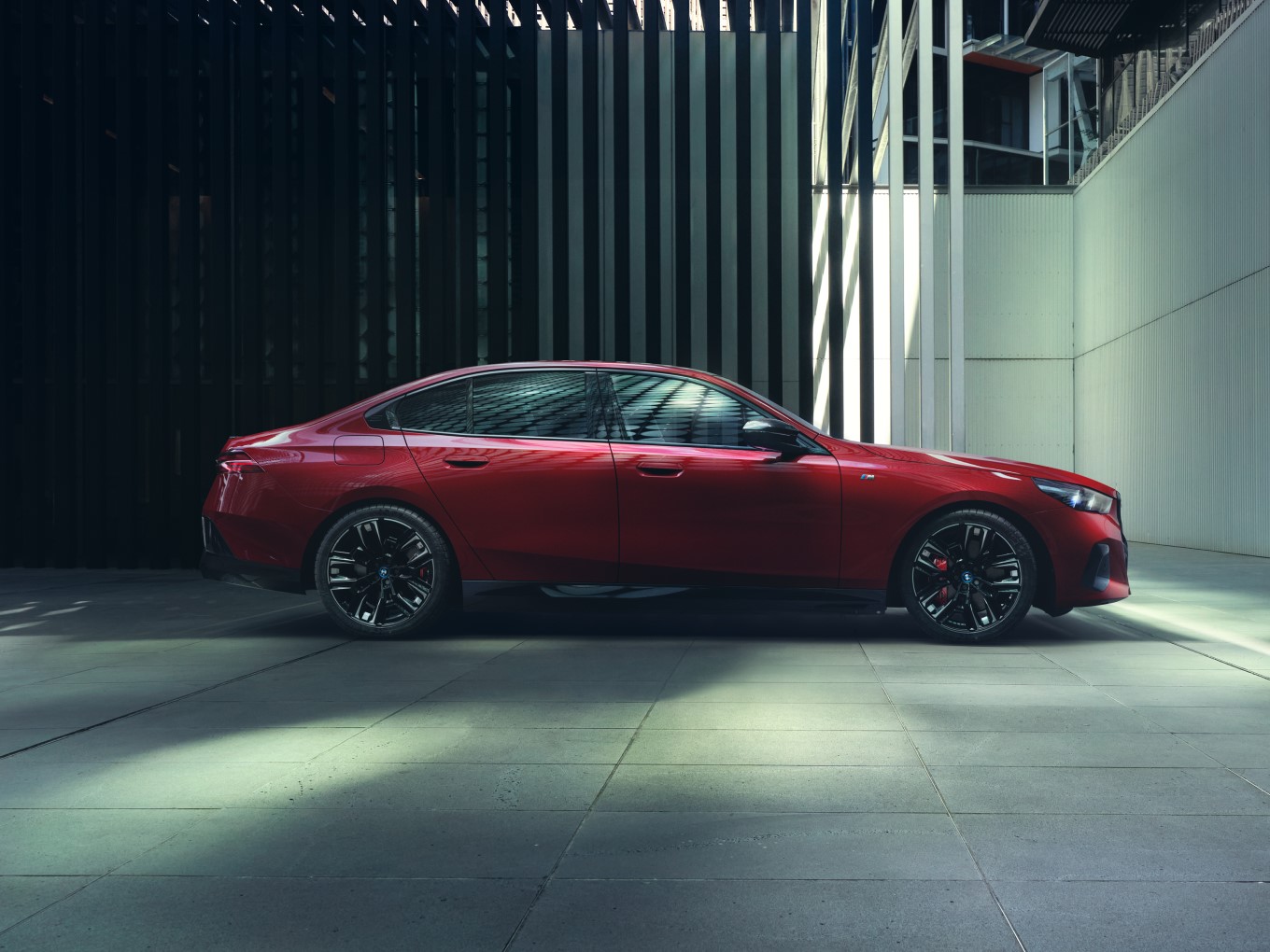
The S85 remains BMW M’s only roadgoing V10 engine, and it’s about to return in an unexpected form. Before turbocharging became the default path for BMW performance engines, the brand created something truly special.
In the mid-2000s, BMW developed the S85, a 5.0-liter naturally aspirated V10 that powered the E60 M5 sedan along with the E63 and E64 M6 coupe and convertible. With an 8,250-rpm redline, it delivered a spine-tingling sound that has never been replicated by any other M car. That distinctive wail is poised to make a comeback, but not in the way enthusiasts might expect.
BMW’s first all-electric M car is drawing closer to production, and while the very idea is sure to irritate traditionalists, engineers in Munich are determined to ensure it delivers an emotionally engaging driving experience.
To that end, BMW M is developing a bespoke sound environment that will incorporate pre-recorded audio from iconic V8, V10, and turbocharged straight-six engines.
In a recently released video from BMW M, the company showcases a prototype of the upcoming electric BMW M3, known internally as ZA0. The footage also reveals several historic M models placed inside an anechoic chamber, where their engines were recorded in isolation.
The trio includes the E92 M3 GTS, powered by a 4.4-liter iteration of the S65 V8; an E64 M6 fitted with the celebrated S85 V10; and the F82 M4 GTS, which used the S55 3.0-liter twin-turbocharged inline-six. These cars were selected specifically for their auditory character and performance pedigree.
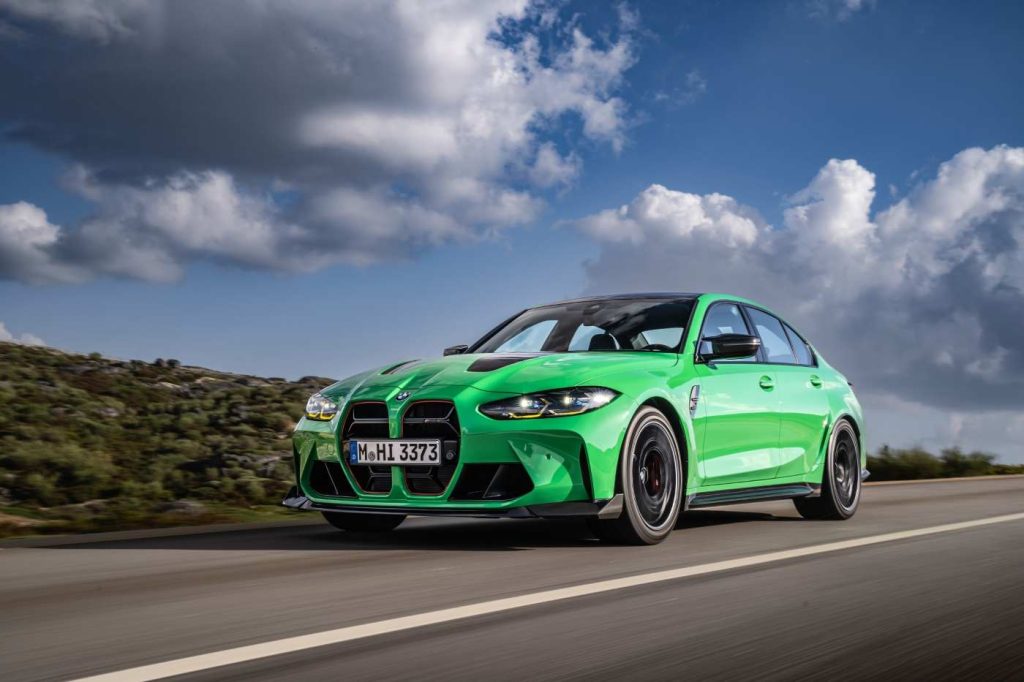
Each vehicle was equipped with microphones to capture the unique sound of its engine, and BMW plans to integrate those recordings into the electric M3’s driving experience.
The goal is to merge these classic engine notes with the natural sounds of the electric motors, creating what BMW describes as a layered, retrofuturistic soundscape. It’s expected that the same approach will be applied to the recently confirmed G84 M4 as well. Sound, however, is only one part of the equation.
An electric M3 is bound to rub some enthusiasts the wrong way, particularly those nostalgic for an era defined by soaring redlines, naturally aspirated engines, and simpler emissions standards. But progress is unavoidable, and as electric vehicles gain traction worldwide, BMW M has little choice but to evolve alongside the industry.
To maintain driver engagement, the electric M3 will pair its synthesized sound profile with simulated gear shifts. Additionally, BMW will allow the front pair of motors to be decoupled from the rear, preserving the ability to perform aggressive, rear-biased drifts. BMW notes that many of its past innovations were initially met with skepticism before becoming widely accepted.
History supports that claim. The E92 M3 was once criticized for being too refined, while the turbocharged F80 M3 faced backlash for sacrificing throttle linearity. Neither controversy hurt sales, and throughout its various transformations, the M3 has continued to define the sports sedan segment.
For those still unconvinced, there’s reassurance at the end of the road. BMW has already confirmed that future M3 and M4 models will continue to offer combustion-powered alternatives alongside their electric counterparts.
Also Read: 5 Vehicles That Adapt to Changing City Routines vs 5 That Don’t
