
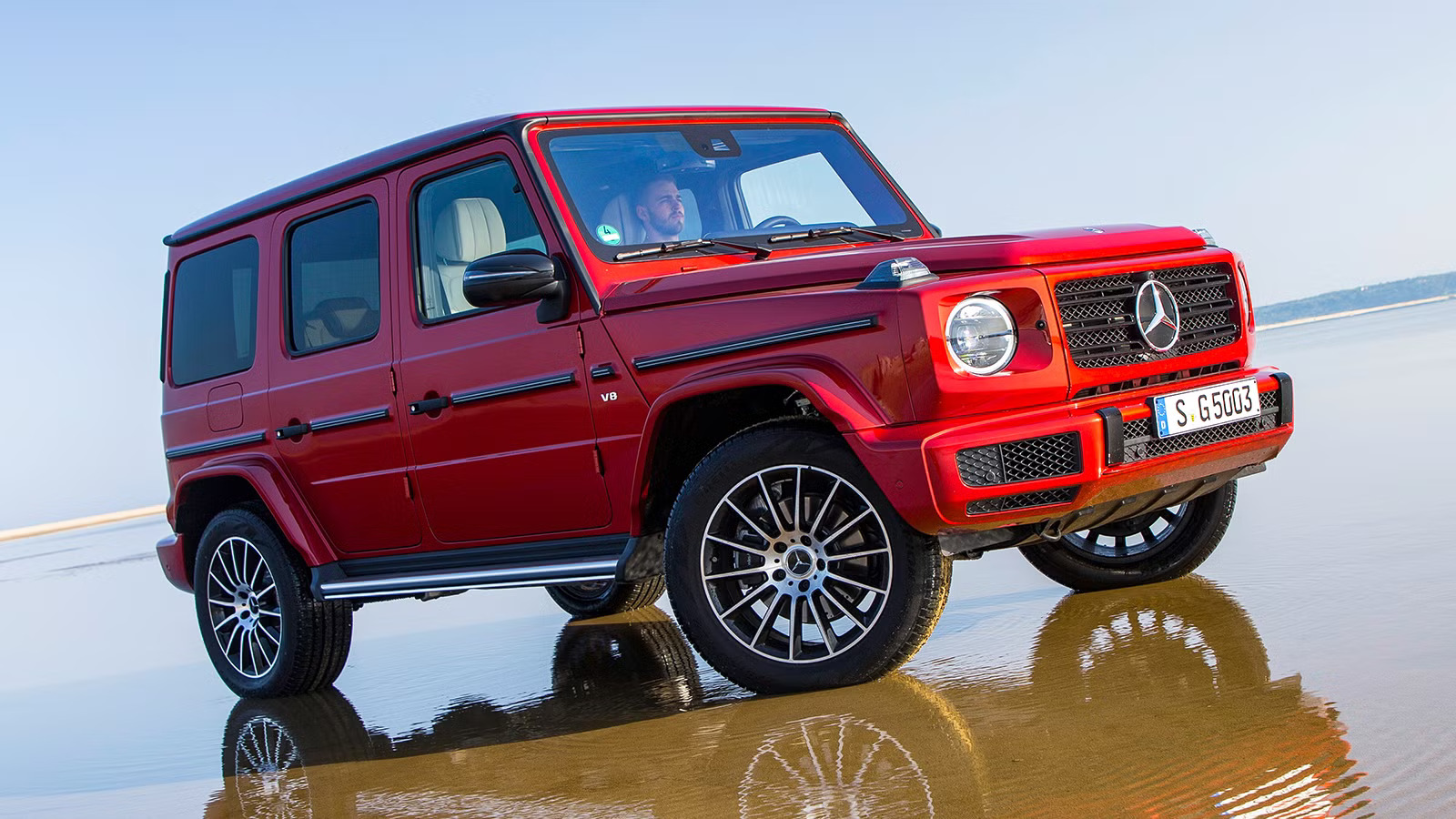
Mercedes Benz has long been associated with engineering excellence, durability, and a commitment to building vehicles that can stand the test of time.
While many modern cars are designed with rapid technological change in mind, classic Mercedes models from past decades were often engineered with a different philosophy. They were built to last, with robust mechanical components, high quality materials, and a focus on long term reliability.
These cars earned reputations not just for comfort and prestige, but for their ability to cover huge distances with proper care. Many have survived for decades as daily drivers, taxis, and family cars, often with hundreds of thousands of miles on the odometer.
Their longevity was not an accident. It was the result of conservative engineering, overbuilt components, and attention to detail.
Classic Mercedes vehicles also benefited from simple, durable designs. Engines were made to be serviced rather than replaced, and interiors were crafted with materials that resisted wear. Even in harsh climates and demanding conditions, these cars often continued to operate reliably long after others had worn out.
Another key factor was the brand’s approach to safety and structural strength. Strong bodies and carefully engineered suspension systems helped these cars maintain their integrity over time. This durability extended beyond mechanical parts to the overall feel of solidity that owners came to trust.
The following ten classic Mercedes Benz models stand out for their exceptional longevity and reputation for lasting decades.
Each one reflects a period when the company placed durability and engineering strength at the forefront of its design philosophy. Let’s begin with two vehicles that became global symbols of long lasting reliability.
Also Read: Top 10 Electric Cars That Completely Miss the Point
1. Mercedes Benz W123
The Mercedes Benz W123 is widely regarded as one of the most durable passenger cars ever built. Produced in the late 1970s and early 1980s, it became a global symbol of reliability and long term dependability. Even today, many examples remain on the road, often with very high mileage.
One of the main reasons for the W123’s legendary status is its robust mechanical engineering. Engines were designed with longevity in mind, using strong internal components and conservative tuning. Diesel versions in particular became famous for covering enormous distances with basic maintenance.
The car’s build quality also set a high standard. The body structure was solid, with thick steel panels and a strong chassis that resisted wear and fatigue. Doors closed with a reassuring weight, and the overall construction gave the impression of a vehicle built for decades of use.
Suspension components were designed for durability as well as comfort. The W123 offered a smooth ride while using parts that could withstand rough roads and heavy use. This combination made it popular in regions with challenging driving conditions.
Interior materials were chosen for longevity rather than flashiness. Seats, switches, and trim pieces often held up remarkably well over time. Even well used examples frequently retained a sense of solidity that many newer cars struggle to match.
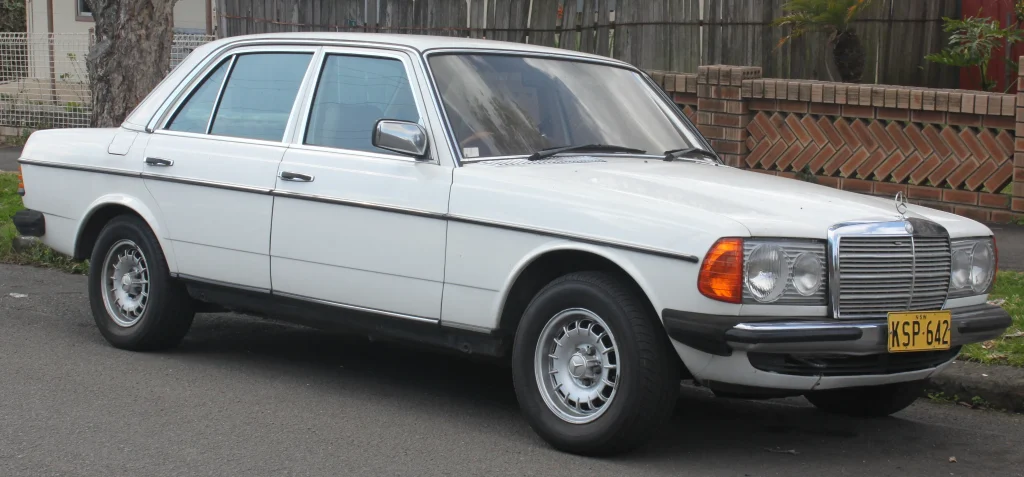
The W123 also gained a reputation in professional use. It became a favorite as a taxi in many countries, where vehicles are expected to run almost continuously. Its ability to handle such demanding service further reinforced its image as an almost indestructible car.
The Mercedes Benz W123 became a legend because it was engineered with durability as a core goal. Its blend of strong construction, reliable engines, and lasting comfort allowed it to remain useful long after most cars of its era had disappeared.
2. Mercedes Benz W124
The Mercedes Benz W124 carried forward the durability tradition established by its predecessor while adding modern engineering and improved refinement. Produced from the mid 1980s into the 1990s, it is often praised as one of the last Mercedes models built with a strong focus on long term robustness.
One of the W124’s key strengths was its engineering depth. Many of its components were designed with significant safety margins, which helped them withstand years of use. Engines and transmissions in these cars often proved capable of covering very high mileage with regular maintenance.
Aerodynamics and structural design were also advanced for their time. The W124 featured a strong body shell that provided both safety and durability. This solid construction contributed to the car’s reputation for lasting performance and long service life.
Suspension and steering systems were designed to balance comfort and resilience. Even after many years, well maintained W124s often continue to deliver stable handling and a composed ride. This durability helped owners keep their cars for longer periods.
Interior quality was another highlight. Materials were carefully selected to resist wear, and many examples still have cabins that feel solid decades later. Controls and switches were built to operate reliably over long periods.
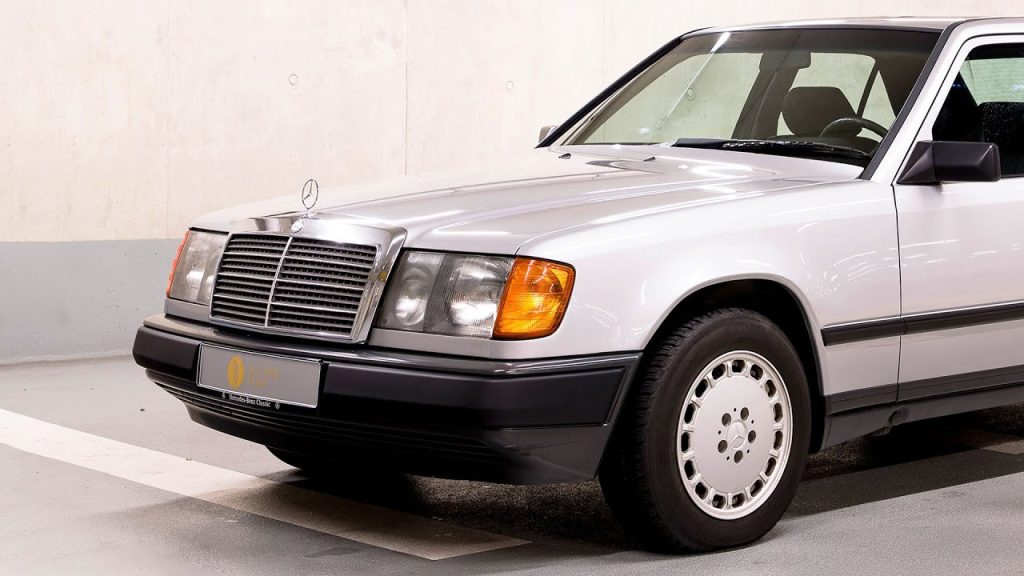
Like the W123, the W124 became popular in professional roles such as taxis. Its ability to handle heavy daily use without frequent major failures made it a trusted workhorse in many markets.
The Mercedes Benz W124 stands as a symbol of a time when the brand prioritized longevity and engineering strength. Its blend of modern features and classic durability helped it earn a place among the most long lasting cars Mercedes ever produced.
3. Mercedes Benz W201 190E
The Mercedes Benz W201, better known as the 190E, was a compact executive sedan that carried the brand’s durability standards into a smaller package. Introduced in the early 1980s, it proved that Mercedes could build a more affordable model without sacrificing the engineering strength the company was known for.
One of the defining qualities of the 190E was its solid construction. Despite being smaller than traditional Mercedes sedans, it was built with the same attention to structural integrity. The body shell was strong and resistant to flex, helping the car maintain its shape and safety over many years of use.
Engines in the 190E were designed for longevity rather than extreme performance. Both gasoline and diesel variants were known for their ability to run reliably for high mileages when maintained properly. These powertrains were often used in demanding daily driving without frequent major failures.
Suspension design also contributed to the car’s long lasting character. The 190E introduced advanced multi link rear suspension technology that improved both handling and durability. This setup allowed for a comfortable ride while maintaining stability over rough surfaces.
Interior quality reflected Mercedes’ focus on long term use. Materials were selected to resist wear, and controls were built to function reliably over time. Many surviving examples still have cabins that feel solid decades after production.
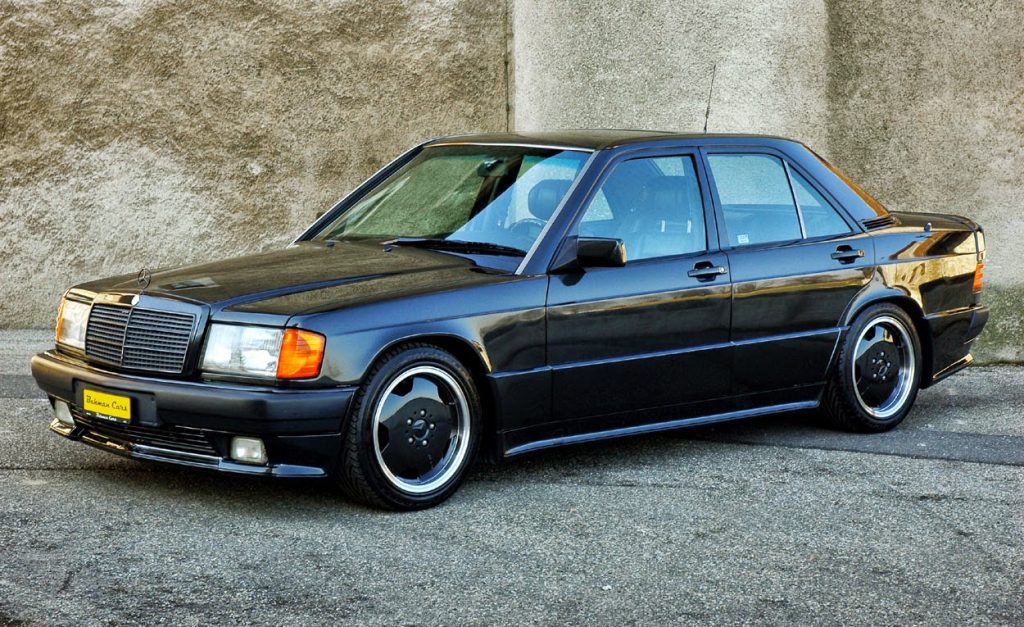
The 190E also benefited from widespread global use. It was popular as a family car, company vehicle, and in some regions as a taxi. This broad use helped demonstrate its reliability in a wide range of conditions.
The Mercedes Benz W201 190E became a symbol of compact durability. It showed that smaller size did not mean lower standards, and it helped extend the brand’s reputation for long lasting engineering to a wider audience.
4. Mercedes Benz W126 S Class
The Mercedes Benz W126 S Class is often considered one of the finest luxury sedans ever built, not only for its comfort and innovation but also for its remarkable durability. Produced from the late 1970s into the early 1990s, it set new standards for both safety and long term reliability in the luxury segment.
One of the key reasons for the W126’s longevity is its overengineered construction. Mercedes invested heavily in research and development, resulting in a body structure that was both strong and resistant to long term fatigue. This solid foundation allowed the car to age gracefully.
Engines offered in the W126 were built for smoothness and durability. Whether equipped with inline six or V8 power, these engines were designed to operate reliably over long periods with proper care. Many examples have covered very high mileages while still running smoothly.
The car’s suspension and ride systems were engineered for comfort without compromising durability. Components were built to handle the weight and demands of a large luxury sedan, helping the vehicle remain stable and comfortable even after years of use.
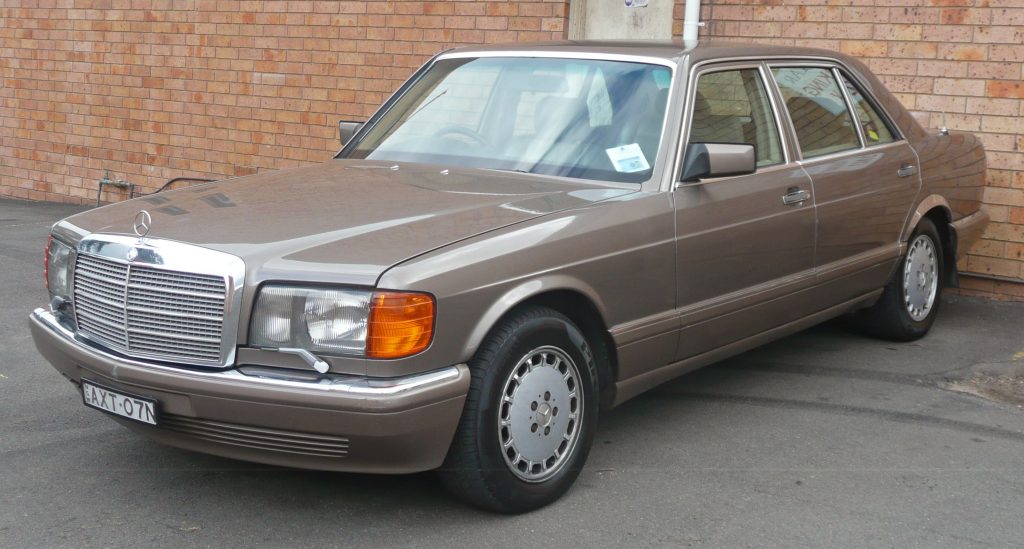
Interior craftsmanship was another highlight. High quality materials, solid switchgear, and careful assembly meant that cabins often held up well over decades. The sense of quality was not just about appearance but about long term resilience.
The W126 also became a favorite in executive fleets and diplomatic service, where reliability and longevity were essential. Its ability to perform consistently under demanding conditions reinforced its reputation as a durable luxury car.
The Mercedes Benz W126 S Class combined luxury with engineering strength in a way few cars have matched. Its ability to deliver comfort, safety, and durability over decades has secured its place as one of the most long lasting and respected Mercedes models ever built.
5. Mercedes Benz W116 S Class
The Mercedes Benz W116 S Class was the first model officially to carry the S Class name, and it set a high standard for both safety and durability. Introduced in the 1970s, it combined advanced engineering with the robust construction that defined Mercedes vehicles of that era.
One of the key strengths of the W116 was its solid body structure. Designed with a strong safety cell and reinforced construction, it provided both crash protection and long term durability. This solid engineering helped many examples remain structurally sound decades later.
Engines offered in the W116 ranged from smooth inline six units to powerful V8 options. These powerplants were built with longevity in mind, using durable materials and conservative tuning. With regular maintenance, many of these engines proved capable of running reliably for very high mileages.
The car’s suspension was engineered to provide a comfortable ride while handling the weight of a large luxury sedan. Components were designed for resilience, helping the W116 maintain its composure and ride quality even after years of use.
Interior quality was another hallmark. High grade materials and solid switchgear gave the cabin a durable feel that lasted over time. Many surviving examples still retain their original trim and controls in working condition.
The W116 also gained a reputation for reliability in demanding environments. It was used by government officials, business leaders, and professionals who required a dependable vehicle that could handle regular long distance travel.
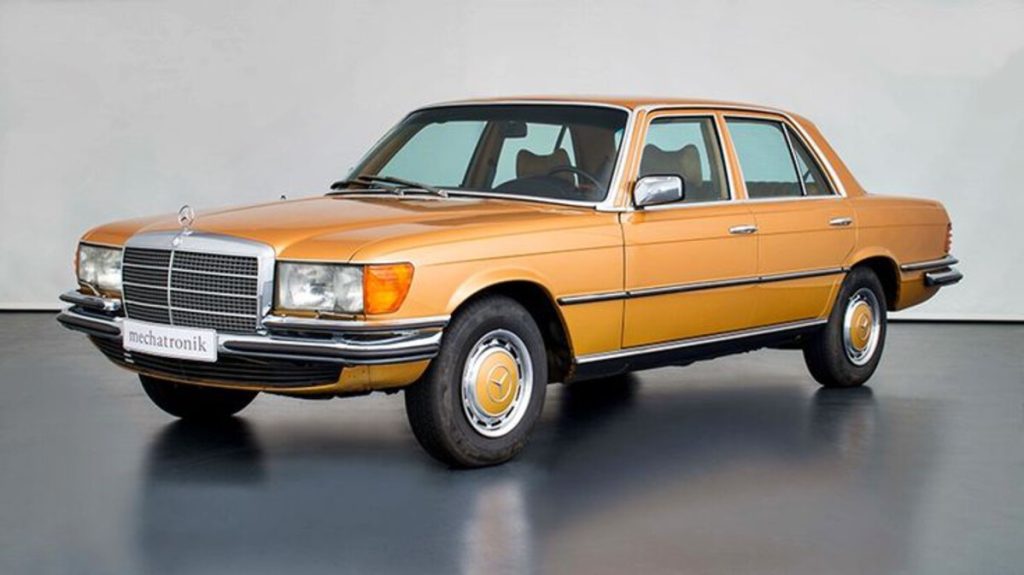
The Mercedes Benz W116 S Class laid the groundwork for future generations by combining luxury with strength and engineering depth. Its ability to remain reliable and comfortable over decades helped cement Mercedes’ reputation for building cars that truly last.
6. Mercedes-Benz G-Class Early Models
The early Mercedes Benz G Class models were built with a clear focus on toughness and durability. Originally designed for military and utility use, these vehicles were engineered to operate in some of the harshest environments on earth, which naturally gave them exceptional longevity.
One of the most important aspects of the early G Class was its body on frame construction. This rugged design provided a strong foundation that could handle rough terrain and heavy loads. The solid structure helped these vehicles withstand years of demanding use.
Engines and drivetrains were chosen for reliability rather than outright performance. Many versions featured durable diesel or gasoline engines that could operate for long periods with basic maintenance. These powertrains were known for their ability to keep running in difficult conditions.
The four wheel drive system was built to handle extreme terrain. Locking differentials and robust components allowed the G Class to maintain traction in mud, snow, and rocky environments. This mechanical strength contributed to its reputation as a vehicle that could survive where others would fail.
Interior design was initially simple and functional, with materials chosen for durability rather than luxury. Even as later versions became more refined, the early models remained focused on practicality and resilience.
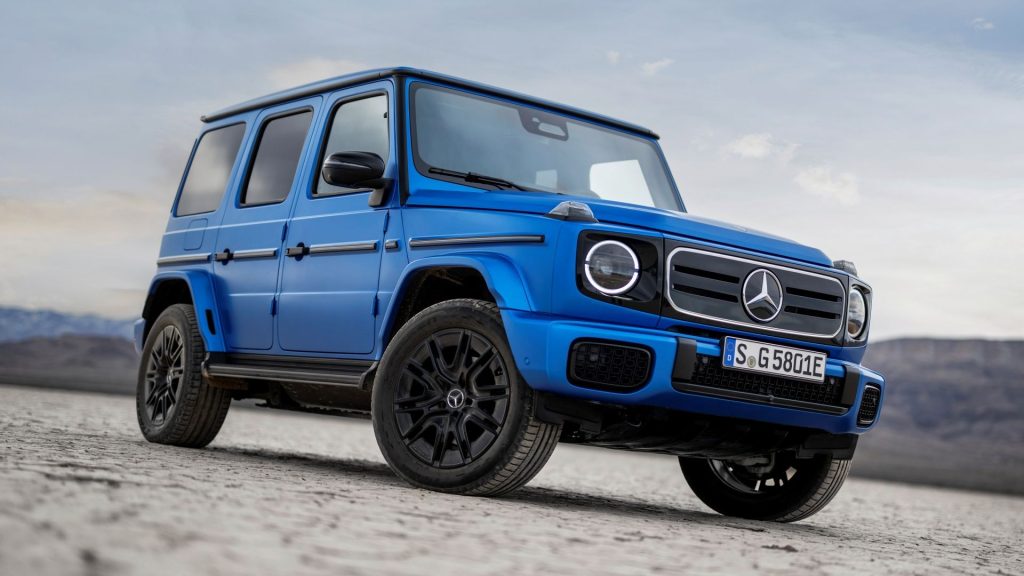
The G Class earned trust in military service, expeditions, and remote area work. Its ability to operate reliably far from repair facilities demonstrated just how durable its engineering was.
The early Mercedes Benz G Class became a legend because it was built to endure. Its combination of strong construction, reliable mechanical systems, and off road capability allowed it to remain in service for decades, often in some of the most challenging conditions imaginable.
7. Mercedes Benz W140 S Class
The Mercedes Benz W140 S Class is often remembered for its size and luxury, but it also earned a reputation for exceptional durability. Introduced in the early 1990s, it was developed during a time when Mercedes invested heavily in engineering without strict cost limits, resulting in a vehicle built with remarkable strength and longevity in mind.
One of the defining characteristics of the W140 is its overbuilt construction. The body structure was extremely rigid and used thick materials designed to last. Doors, panels, and chassis components were engineered with generous safety margins, which helped the car maintain its structural integrity over many years.
Engines offered in the W140 ranged from smooth inline six units to powerful V8 and V12 options. These powerplants were designed to deliver refined performance while also being capable of covering very high mileages when properly maintained. Many examples have continued running reliably decades after production ended.
The suspension system was designed to provide both comfort and durability. Despite the car’s heavy weight, the components were built to handle long term stress. When maintained, these systems often continue to deliver a composed ride even after many years of use.
Interior craftsmanship was another highlight. The W140 featured high quality materials, solid controls, and careful assembly. Many surviving cars still have cabins that feel solid and functional, showing how well the interior components were designed to last.
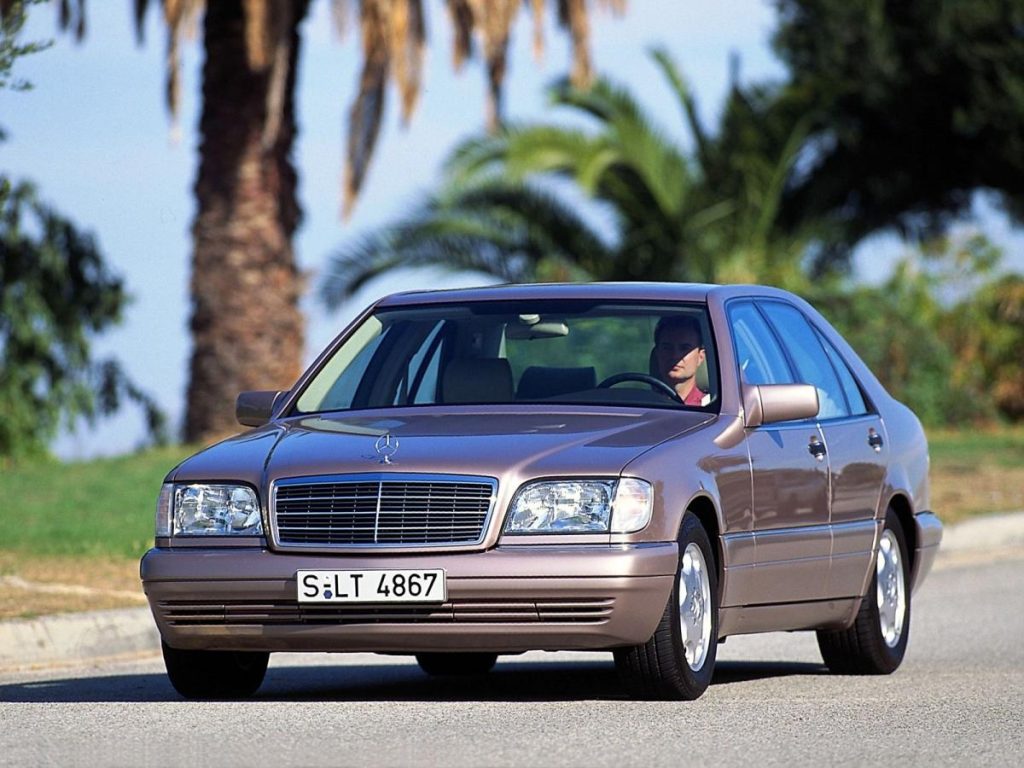
The W140 also introduced advanced technology for its time, yet much of it was engineered with reliability in mind. While complex, these systems often proved durable when maintained properly, reinforcing the car’s reputation as a long lasting luxury sedan.
The Mercedes Benz W140 S Class became a symbol of an era when the company prioritized engineering strength above cost savings. Its combination of luxury, safety, and durability has helped many examples remain on the road long after most cars of its generation have disappeared.
8. Mercedes Benz W460 G Wagen
The Mercedes Benz W460 G Wagen represents the earliest civilian versions of the G Class and is a prime example of long lasting automotive engineering. Built with a focus on utility and durability, it was designed to handle harsh environments while remaining dependable over decades of use.
The W460 used a body on frame construction that emphasized strength and resilience. This rugged design allowed it to cope with rough terrain, heavy loads, and challenging climates. The solid frame and durable body panels helped it withstand years of demanding service.
Engines in the W460 were selected for reliability rather than speed. Diesel and gasoline options were known for their ability to operate consistently over long periods with proper maintenance. These powertrains often proved capable of extremely high mileages in tough conditions.
The four wheel drive system was a core part of the vehicle’s identity. With low range gearing and robust drivetrain components, the W460 could tackle off road terrain that would defeat many other vehicles. This mechanical toughness contributed to its long service life.
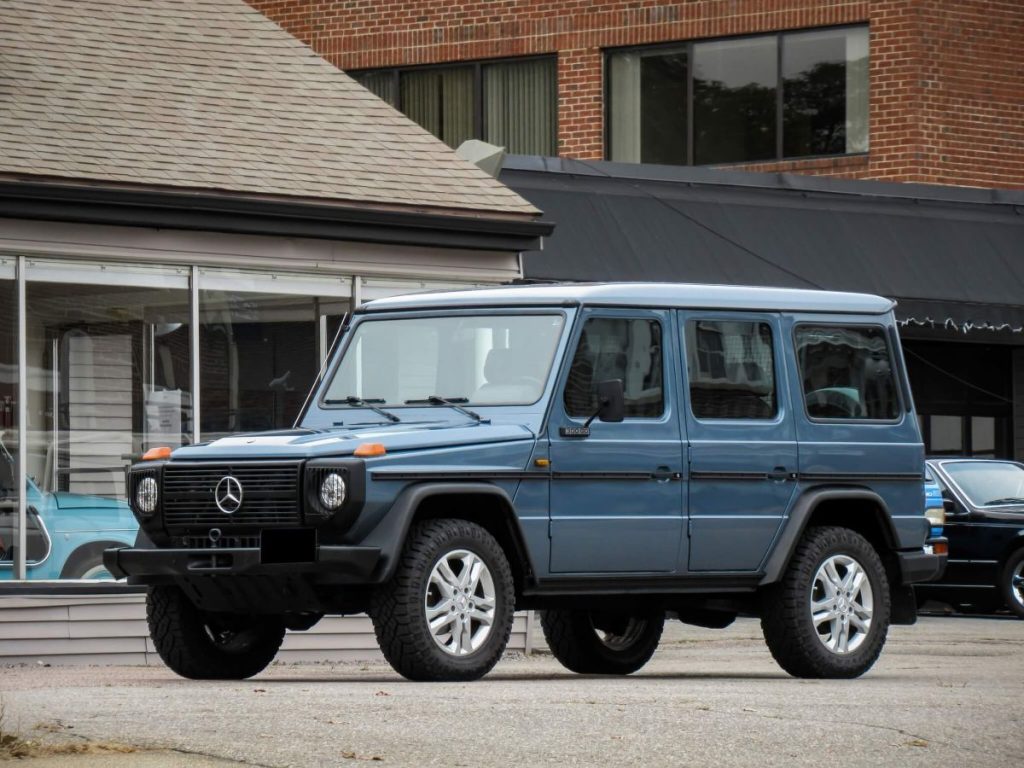
Interior design in the W460 was simple and functional. Materials were chosen for durability, and controls were designed to work reliably rather than impress with luxury. This straightforward approach helped many examples remain usable decades later.
The W460 found roles in agriculture, exploration, and utility work around the world. Its ability to operate reliably in remote areas built a strong reputation for endurance and toughness.
The Mercedes Benz W460 G Wagen became a legend because it was engineered with longevity as a primary goal. Its rugged construction, reliable mechanical systems, and off road capability allowed it to remain in service for decades, often in the most demanding environments imaginable.
9. Mercedes Benz W111 Fintail
The Mercedes Benz W111, often called the Fintail because of its subtle rear styling, represents an era when the brand focused heavily on structural strength and mechanical durability. Produced during the 1960s, this model became known for its ability to remain reliable and solid decades after it first left the factory.
One of the key reasons for the W111’s long life is its strong body construction. Mercedes invested in safety cell engineering and reinforced structures that not only improved crash protection but also contributed to long term rigidity. This solid foundation helped the car resist wear and maintain its shape over time.
Engines in the W111 were designed with longevity in mind. Inline six and four cylinder units were tuned conservatively and built with durable materials. With regular maintenance, these engines often ran smoothly for very high mileages, even under demanding conditions.
The suspension system was also built for resilience. Designed to deliver comfort while handling rough roads, it used sturdy components that could withstand years of use. This made the W111 popular in regions where road conditions were less than ideal.
Interior quality reflected Mercedes’ traditional focus on durability. Seats, trim, and controls were built to last, and many surviving examples still feature original materials that remain functional. This long lasting interior quality adds to the car’s enduring appeal.
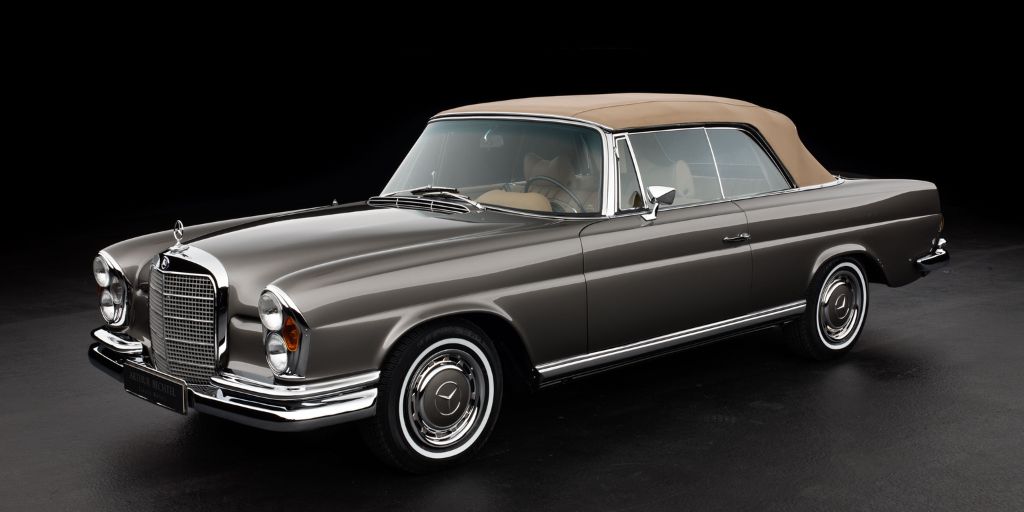
The W111 also earned a strong reputation in professional use. It was used as a taxi and chauffeur driven car in many countries, where reliability and longevity were essential. Its ability to perform consistently under heavy use reinforced its image as a durable machine.
The Mercedes Benz W111 Fintail stands as a reminder of a time when vehicles were built with decades of service in mind. Its combination of structural strength, reliable mechanical systems, and enduring design helped it earn a place among the most long lasting classic Mercedes models.
10. Mercedes-Benz R107 SL
The Mercedes Benz R107 SL is one of the longest produced roadsters in automotive history, and its durability is a big part of that legacy. Built from the early 1970s through the late 1980s, it combined open top style with the solid engineering that defined Mercedes during that period.
One of the reasons the R107 has lasted so well is its strong underlying structure. Despite being a convertible, it was built with a reinforced body that provided both safety and long term rigidity. This helped the car maintain its integrity over decades of use.
Engines offered in the R107 were known for their durability. Inline six and V8 options were engineered for smooth, reliable operation rather than extreme performance. With proper maintenance, many of these engines have covered high mileages while continuing to run dependably.
The suspension and drivetrain were also built with longevity in mind. Components were robust and designed to handle regular use without frequent major failures. This made the R107 not just a weekend toy but a car that could be driven regularly.
Interior materials were chosen for durability as well as comfort. High quality trim and solid controls helped the cabin age gracefully. Many examples still have interiors that feel well constructed decades after production.
The R107 also benefited from its global popularity. It was sold in many markets and maintained by owners who appreciated its blend of style and engineering quality. This widespread use helped build a large community dedicated to keeping these cars on the road.
The Mercedes Benz R107 SL became a classic not only for its design but also for its ability to endure. Its combination of strong construction, reliable mechanical systems, and timeless appeal has allowed it to remain a usable and respected car long after many of its contemporaries have disappeared.
Classic Mercedes Benz models earned their reputation by being engineered for longevity rather than short term trends.
Cars like the W123 and W124 became global symbols of durability, known for engines that could cover enormous mileages and body structures that resisted wear for decades. These vehicles were often used as taxis and daily transport, proving their reliability under constant, demanding use.
Smaller models such as the W201 190E carried the same engineering philosophy into a compact package, showing that durability was not limited to large luxury cars.
Meanwhile, S Class generations like the W116, W126, and W140 combined comfort, safety, and overbuilt construction, allowing them to remain solid and dependable long after many rivals had faded away.
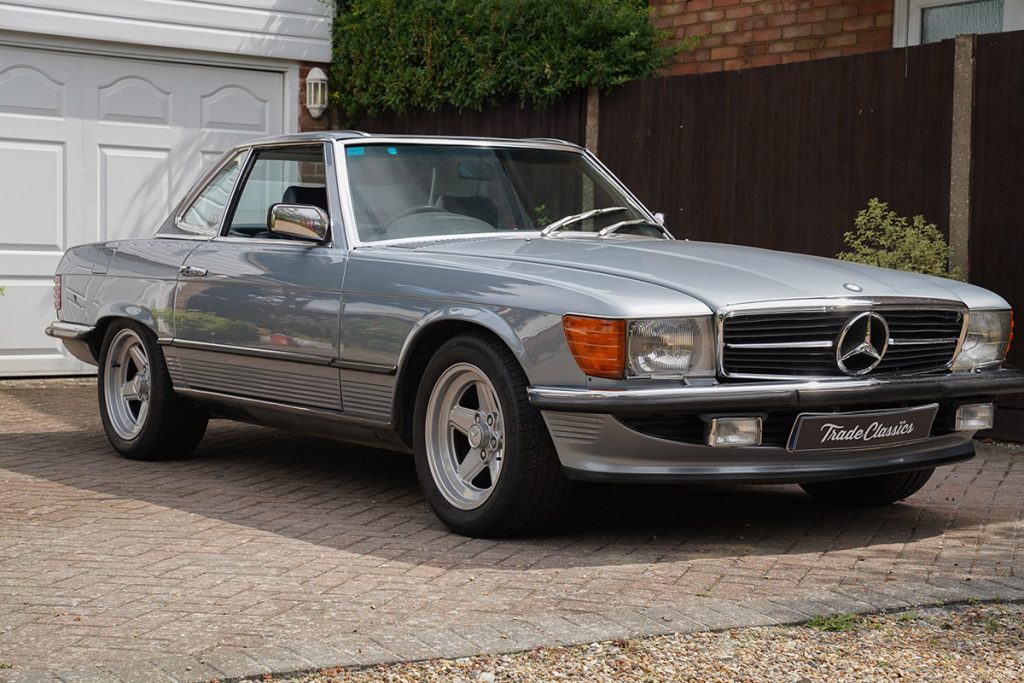
Mercedes also built long lasting machines in other segments. Early G Class models and the W460 G Wagen demonstrated extreme toughness in harsh environments, while the R107 SL proved that even a stylish roadster could be engineered to endure decades of use.
Older classics like the W111 Fintail further highlighted the brand’s commitment to structural strength and mechanical resilience.
Across these models, common themes stand out: conservative engine tuning, strong chassis design, high quality materials, and a focus on serviceability. These choices helped create cars that owners could maintain and rely on for many years.
Together, these ten Mercedes Benz classics represent a golden era of engineering depth and durability. Their ability to remain functional, comfortable, and respected decades after production is a testament to a time when the brand built cars with the clear intention that they would truly last.
Also Read: Top 10 European Sports Cars That Deliver Thrills on a Budget
