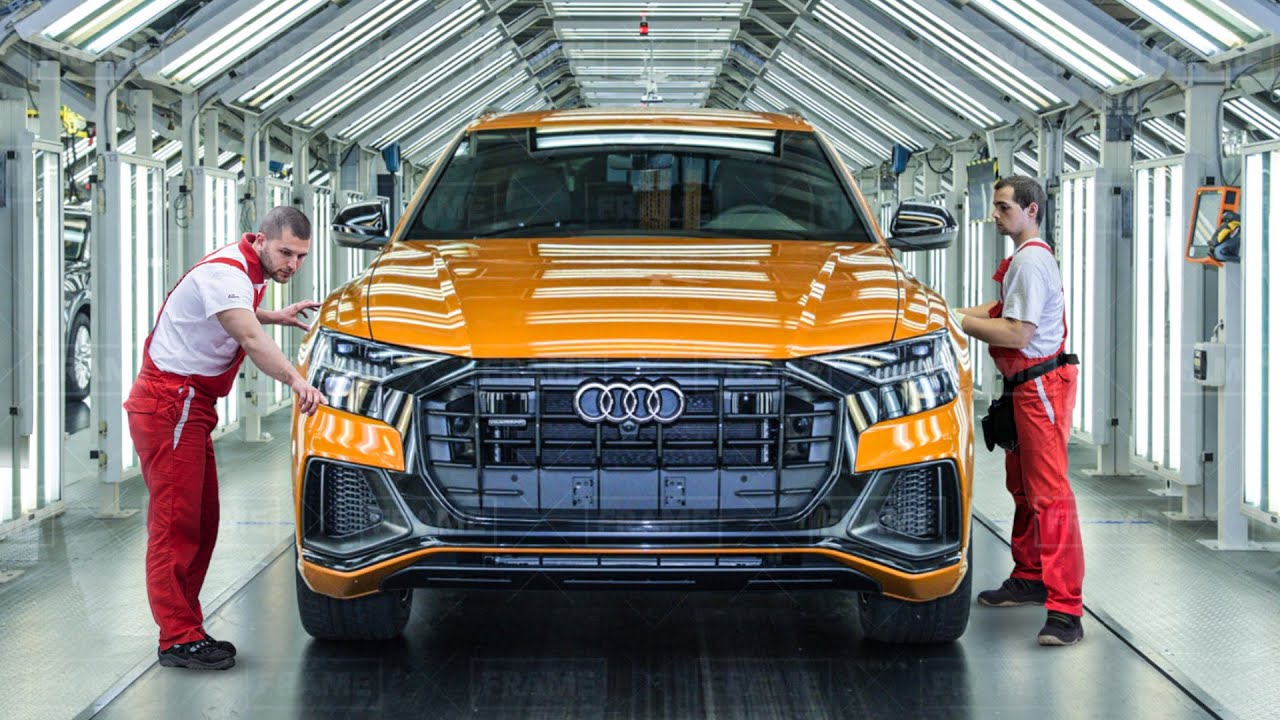
Tariffs, tight budgets, and union negotiations mean Audi is no closer to finalizing a U.S. production site. Tennessee and South Carolina are both interested, but costs and labor issues complicate the decision. Without domestic production, Audi continues to absorb tariffs on imported SUVs, impacting profits.
Audi is eager to surpass its premium rivals in the U.S., yet the company is currently at a standstill. That’s according to VW Group CEO Oliver Blume, who says plans to produce Audis in America for the first time are not moving forward.
Tariffs implemented under former President Trump are hitting import-heavy automakers hard, and Audi is particularly vulnerable. Unlike BMW, which produces its popular SUVs in Spartanburg, Audi relies on Mexico and Europe for much of its U.S. lineup.
These vehicles now face significant duties, which Audi has mostly absorbed rather than passing on to customers. A U.S. factory could offer substantial financial relief.
However, Blume told Germany’s Handelsblatt that a U.S.-built Audi is still some distance away, in part because tariffs are draining Audi’s financial resources. “With unchanged tariff burdens, a large additional investment is not financially feasible,” Blume said.
Audi has explored multiple options in the U.S., where sister brand VW already has a plant in Tennessee and newly-formed Scout Motors is constructing one in South Carolina.
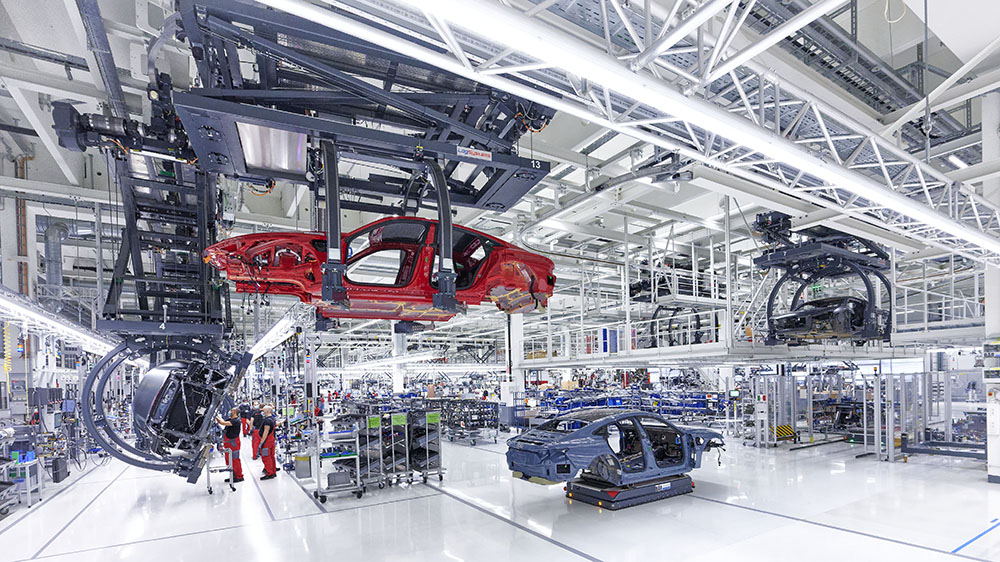
Chattanooga, Tennessee, is pitching an expansion of VW’s current facility, which produces the ID.4 and Atlas. This could be faster and less expensive than building a new plant from scratch. South Carolina is also offering incentives, helped by the group’s ongoing Scout plant construction.
Audi, however, wants federal subsidies to support the investment, arguing that job creation warrants government assistance, a proposal that Trump’s team has not embraced.
“The president is aware of our investment plans and our strategy,” Blume told. “However, our discussions with the Commerce Secretary and the president have not yet yielded the results we need for a further decision.”
It’s not just about location or incentives. Labor costs are rising. VW’s Chattanooga workforce recently unionized, and ongoing talks with the UAW could further increase expansion costs. Meanwhile, back in Germany, gaining worker approval for a multibillion-dollar U.S. investment while cutting domestic costs remains a challenge.
For now, Audi is trapped in a classic catch-22. U.S. production is needed to escape tariffs and revive American sales, including the goal of doubling registrations. Yet those same tariffs are depleting the funds Audi would need to build the plant. Until Washington or the company makes a move, America will remain a vital market that Audi cannot fully capitalize on under its own terms.
Also Read: 5 Electric Vehicles That Cope With Houston Gridlock vs 5 That Overheat Early