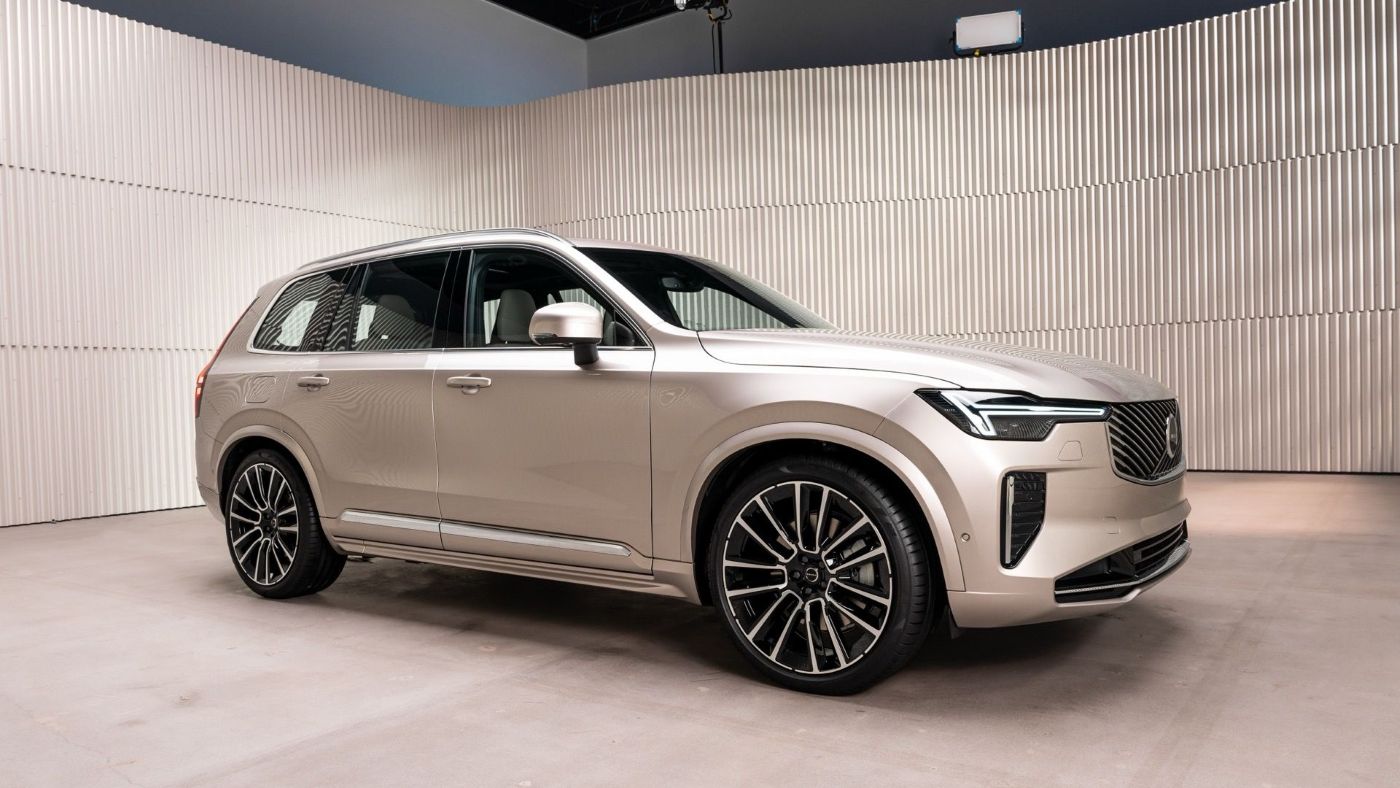
The Swedish automaker is exploring the idea of a larger, full-size SUV, though scaling up comes with certain challenges. Volvo is evaluating the launch of a full-size, three-row SUV to address rising demand in the U.S. and China.
A new plug-in hybrid SUV could be produced in South Carolina and may revive the XC100 name. Dealers say families are outgrowing the XC90, with 11% of owners switching to competing models.
Volvo has long been known for its strong focus on safety, a reputation that has made the brand particularly appealing to families. However, as many of those families grow, the mid-size XC90 has begun to feel limiting.
As a result, buyers needing more space have often turned to rival brands offering larger SUVs, such as BMW’s X7 and Mercedes-Benz’s GLS. That situation could soon change.
Volvo CEO Håkan Samuelsson told that demand for full-size, three-row SUVs is increasing in both the United States and China, prompting the automaker to once again consider entering the segment.
“Bigger SUVs, that is something we’re looking into,” Samuelsson said, while noting that the project has not yet received final approval. That decision, however, could arrive in the near future.
Last year, Volvo revealed plans to manufacture an all-new plug-in hybrid vehicle at its South Carolina plant. While Samuelsson stopped short of confirming whether this PHEV will be a three-row SUV, he described it as being “very attractive for U.S. customers,” adding that the hybrid is “maybe a bigger one.”
Details remain limited, particularly because the upcoming PHEV is also intended for the European market, where demand for large full-size SUVs is not as strong. Even so, the vehicle is expected to begin production in South Carolina in October 2028 and is rumored to feature an extended-range hybrid setup capable of delivering roughly 100 miles of electric-only driving.
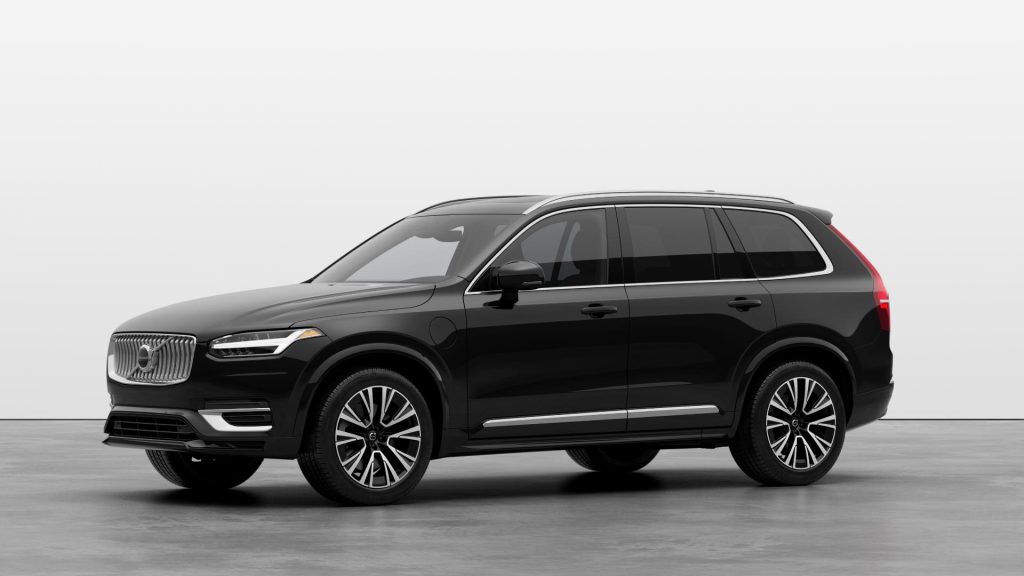
The platform underpinning the model has yet to be confirmed, but Volvo’s connection to parent company Geely opens up several possibilities.
Geely also owns the premium EV brand Zeekr, which introduced the impressive Zeekr 9X full-size three-row SUV last year. That vehicle could potentially share technology or components with Volvo’s future offering. Additionally, reports from 2020 suggested Volvo was planning a model called the XC100, a name that could resurface for a new SUV positioned above the XC90.
Should Volvo decide to move forward with a larger SUV, it would likely be well received by dealers, many of whom still want the XC90 to remain part of the lineup.
One anonymous dealer told, “The XC90 doesn’t allow a family to grow. We’re trying to be a family-oriented brand, and we don’t have a move-up vehicle.” Another dealer executive echoed the sentiment, saying that as families expand, “they need something bigger than the XC90.”
Market data backs up those claims. It is reported that 11 percent of customers who traded in an XC90 over the past two years moved to full-size luxury or mainstream SUVs.
This marks the highest defection rate to those segments in the model’s more than 20-year history. By adding a full-size SUV to its lineup, Volvo could improve customer retention while also drawing in new buyers, with a larger flagship model serving as a halo vehicle for the brand.
Also Read: Top 10 Renault Models That Defined the Brand’s Legacy