
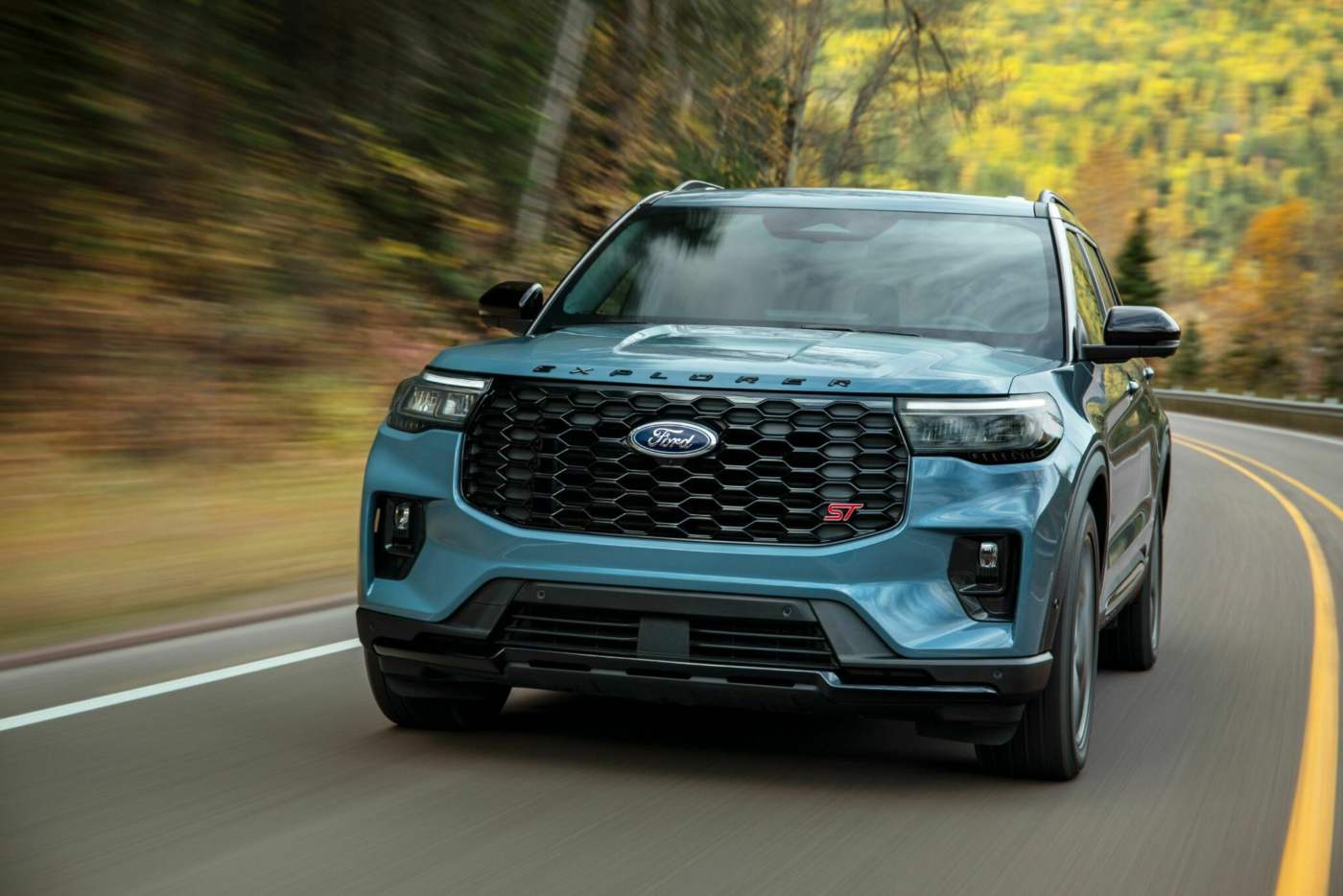
America’s top-selling three-row SUV is facing a potentially serious safety concern, though Ford’s swift response has limited the number of affected vehicles.
Thanks to early detection and strict quality checks, only eight vehicles are impacted. Ford says its enhanced quality controls are producing results, with a long-term goal of matching Toyota’s durability and reducing recall frequency.
The Ford Explorer claimed the title of America’s best-selling three-row crossover last year, posting sales of 222,706 units. Known for its strong performance and comfortable ride, the Explorer has long been a popular choice among families.
However, the 2026 model year is experiencing some early turbulence, having already been subject to four separate recalls. The latest recall raises particular concern, as it involves the possibility of a windshield becoming detached during a crash. Fortunately, Ford appears to have identified the problem early, preventing it from affecting a large number of vehicles.
According to a recall notice issued by the National Highway Traffic Safety Administration (NHTSA), certain 2026 Explorer models were found to have windshields with improperly applied urethane between the glass and the vehicle frame. The issue was first discovered in October 2025 during end-of-line testing at Ford’s Chicago Assembly Plant, where it was ultimately traced back to an equipment malfunction.
A windshield that detaches during a collision can significantly increase the risk of serious injury or death. Such a failure may compromise the vehicle’s structural integrity, interfere with proper airbag deployment, or raise the likelihood of an unrestrained occupant being ejected from the vehicle.
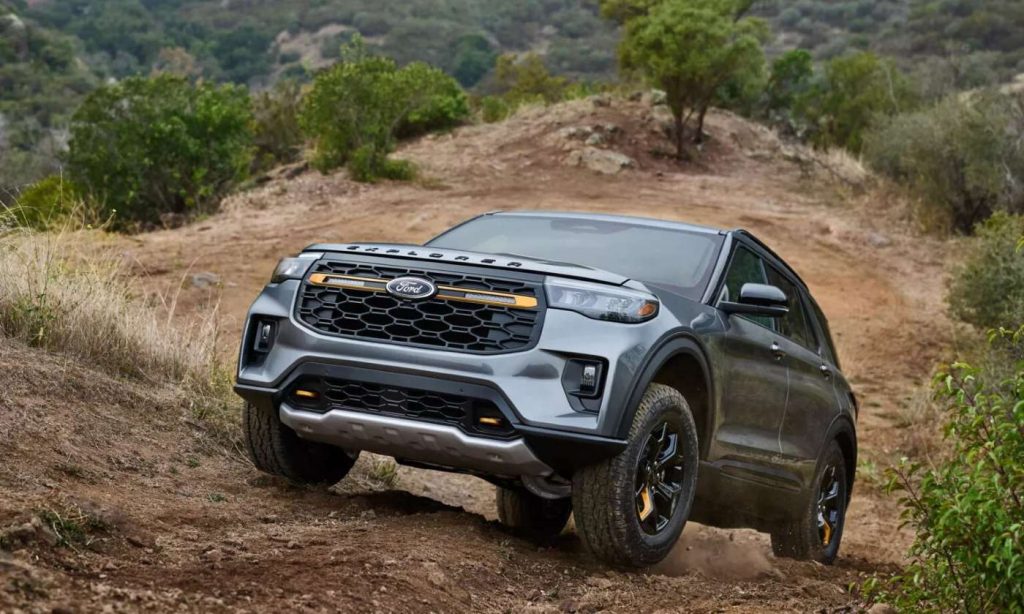
Ford’s rapid response allowed the company to isolate the bonding defect to just eight Explorer units. All affected vehicles will receive windshield replacements free of charge. Owner notification letters were expected to be sent out earlier this week, on January 26, 2026.
This recall marks the fourth one affecting the 2026 Explorer. Previous recalls addressed issues including a trail hitch assembly that could detach, windshield air bubbles that may impair visibility, and an engine oil leak that posed a potential fire hazard.
While Ford has issued more recalls than average in recent years, the automaker has emphasized its commitment to transparency and improved quality control measures. The increased recall activity is part of Ford’s broader strategy to identify and resolve defects as early as possible, even if it means halting production.
Last year, Ford stated it was adopting practices similar to Toyota’s, including immediately stopping production when defects are detected. The Explorer windshield issue appears to be a direct example of this approach, as early intervention prevented the problem from impacting potentially thousands of vehicles.
“We are seeing clear results on our initial quality, all the internal data, as well as from third-party data,” said Kumar Galhotra, Ford’s chief operating officer, in an interview last year. “The early indicators of Ford’s changes to fix quality are very good.”
Ford CEO Jim Farley also said last year that the company’s powertrain durability is now competitive with Toyota’s, a bold statement given the Japanese brand’s long-standing reputation for reliability. While those claims remain to be fully proven, the hope is that Ford’s renewed focus on quality control will soon translate into fewer non-mechanical issues as well.
Also Read: 10 Affordable Family Cars That Feel More Premium Than They Should
