
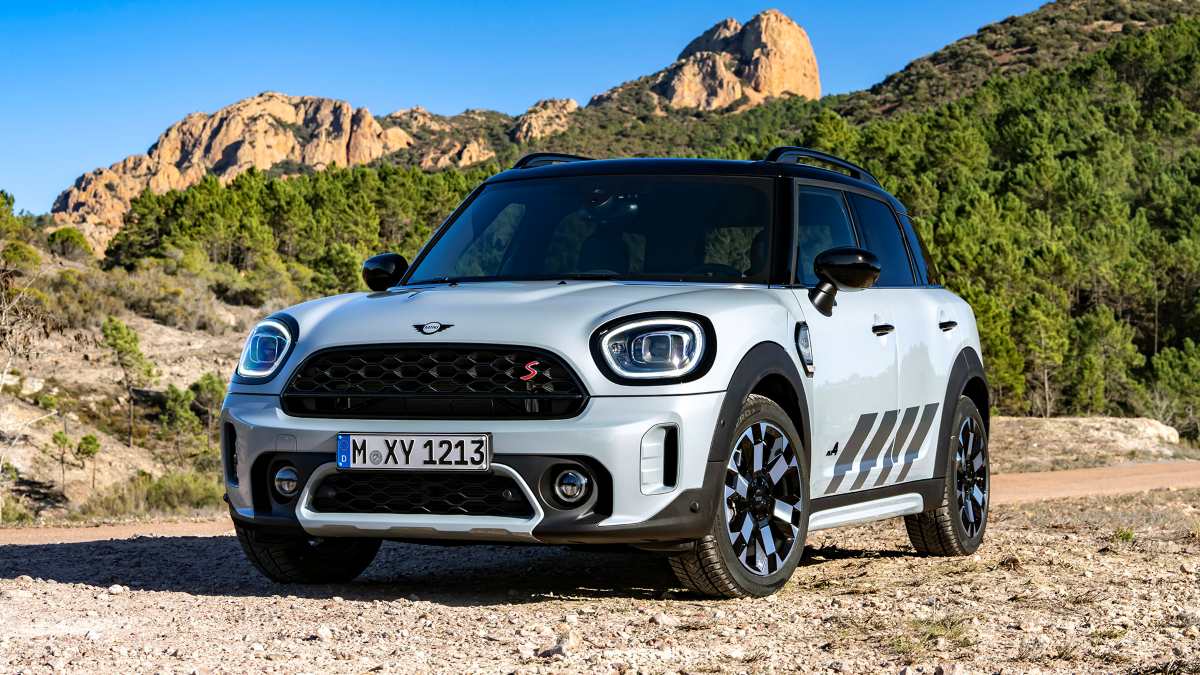
The refreshed Mini Countryman E now delivers a WLTP range of up to 311 miles, made possible by a revised battery and additional efficiency improvements.
The model now features a larger battery along with a new silicon carbide inverter. These updates allow the crossover to gain as much as 24 miles of additional driving range.
Electric vehicle technology continues to evolve at a rapid pace, and as a result, models can feel outdated sooner than expected. To stay competitive, many automakers are now introducing substantial updates just a few years after a vehicle’s initial launch.
Mini now joins that group, having revealed an upgraded Countryman E. Although the electric crossover debuted less than three years ago, the latest version offers a noticeably improved driving range. This improvement comes courtesy of a larger 65.2 kWh battery pack paired with a new silicon carbide inverter designed to reduce energy losses.
Additional efficiency gains come from newly developed front axle wheel bearings, which lower rolling resistance and contribute to improved overall performance.
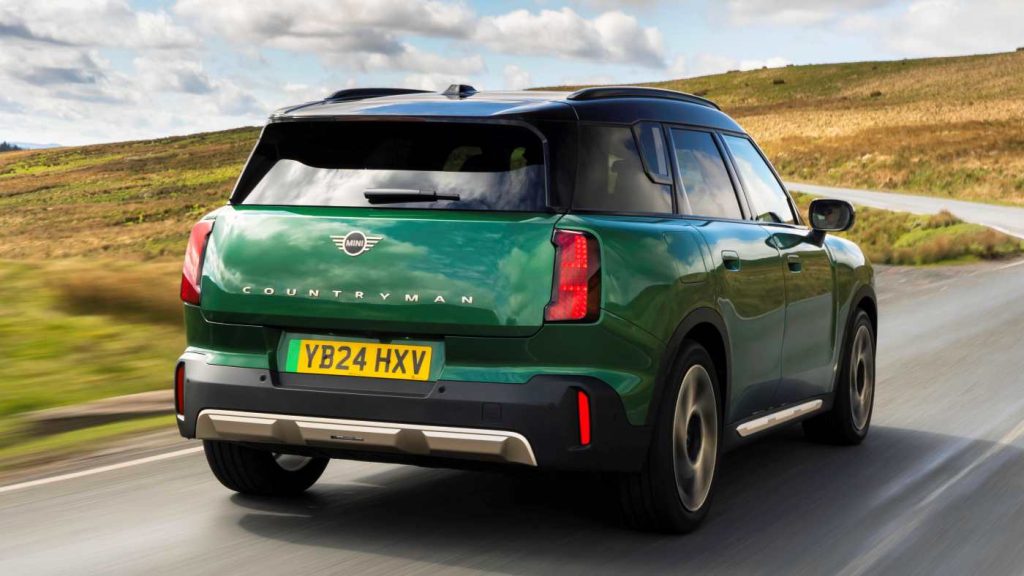
Thanks to these combined updates, the Countryman E now delivers a WLTP-rated range of up to 311 miles (501 km). By comparison, the outgoing model featured a slightly smaller 64.6 kWh battery and offered a range of up to 287 miles (462 km). While the difference may appear modest at first glance, it represents an increase of 8.4 percent.
The Countryman SE ALL4 also benefits from the same enhancements, resulting in a WLTP range of up to 290 miles (467 km). That figure represents an improvement of 21.7 miles (35 km) over the previous version.
The refreshed Countryman lineup will go on sale in Europe starting this March and is expected to reach the U.S. market sometime afterward. While timing for North America has not been confirmed, the U.S.-spec Countryman SE ALL4 currently carries a starting price of $45,200 and features a dual-motor all-wheel-drive setup producing 308 hp (230 kW / 312 PS) and 364 lb-ft (493 Nm) of torque.
That output allows the electric crossover to sprint from 0–60 mph (0–96 km/h) in 5.4 seconds and reach a top speed of 112 mph (180 km/h). However, buyers in the United States can expect a more conservative EPA-estimated driving range of up to 212 miles (341 km).
Also Read: 10 Cars That Are Awkward in Drive-Thrus and Tight Lots
