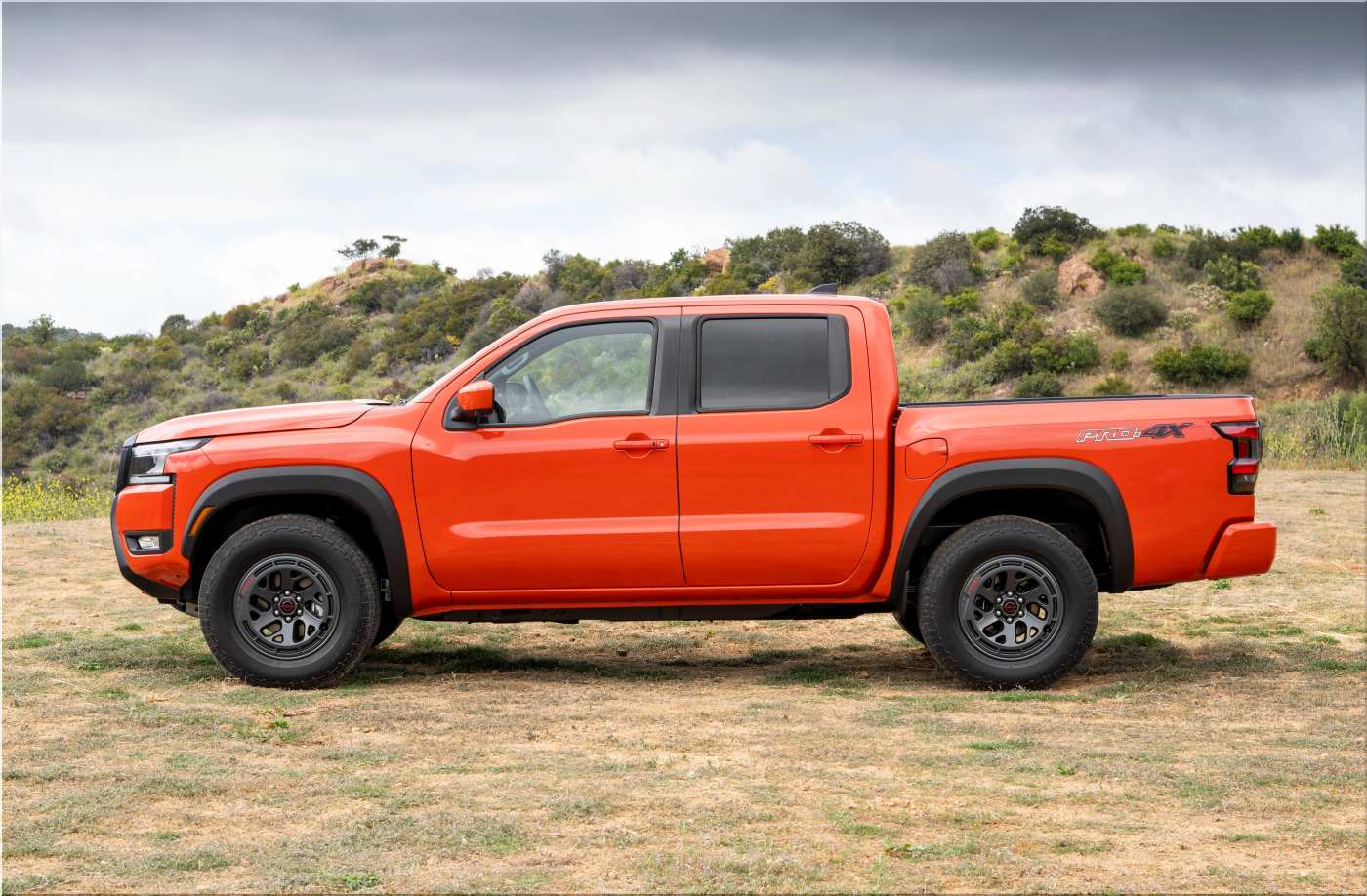
Nissan subjects the Frontier’s V6 engine to punishing temperatures and heavy loads to replicate roughly 130,000 miles of driving, establishing a high durability standard for midsize pickup trucks. After testing, engines undergo detailed inspections and X-ray scans to verify long-term durability.
Nissan has been doubling down on its image as a maker of dependable vehicles, even as it navigates recent setbacks such as recalls involving doors opening unexpectedly and reports of rear windshields shattering.
A new press release offers a rare behind-the-scenes look at how the 2026 Nissan Frontier’s V6 engine is tested, shedding light on where the company continues to invest significant effort. According to Nissan, the objective is straightforward: identify and address potential problems well before customers ever start the engine.
At Nissan’s Decherd Powertrain Assembly Plant in Tennessee, quality teams routinely select engines at random directly from the production line for validation testing. These engines are then installed on dynamometers, which allow engineers to operate them in tightly controlled environments that mimic extreme usage.
Engine loads, RPMs, and operating scenarios are pushed far beyond what most owners are ever likely to encounter. Quality assurance manager Brandon McClain says that once testing is complete, each engine is completely disassembled and examined piece by piece.
If any irregularities are found, Nissan can trace the issue back to a specific point in the manufacturing process and correct it before it spreads.
Some of the harshest test cycles last up to 300 hours. Dyno engineer Tyler Banks explains that these sessions are designed to mirror the stress an engine would endure over approximately 130,000 miles of real-world driving. Throughout the test, oil and coolant temperatures are repeatedly driven beyond normal operating ranges while the engine runs under heavy load and close to redline.
This creates conditions far more severe than everyday driving, even when hauling heavy trailers in extreme heat. Nissan says that if the Frontier’s 3.8-liter V6 can withstand this level of punishment, it should easily meet the expectations of midsize truck buyers.
Testing this rigorous helps set the Frontier apart from competitors like the Toyota Tacoma, Chevrolet Colorado, and Ford Ranger, brands that, Ford in particular, have also faced their own recall challenges.
Aside from occasional electronic issues, Nissan appears to be setting the pace in pickup durability right now. Once dyno testing is complete, engines are either cleared for use or flagged for more in-depth analysis. The company also uses advanced X-ray technology to scan engine blocks for defects as small as 1.2 millimeters without damaging the components.
Banks offers simple advice for owners who want to see similar longevity from their trucks: stick to the maintenance schedule and change the oil. That’s it. While U.S. buyers are still waiting for a plug-in hybrid version of the Nissan Frontier, the extensive testing of its V6 engine suggests the brand remains deeply committed to long-term reliability where it matters most.
Also Read: Top 10 Quick Electric Cars That Won’t Drain Your Wallet on Maintenance