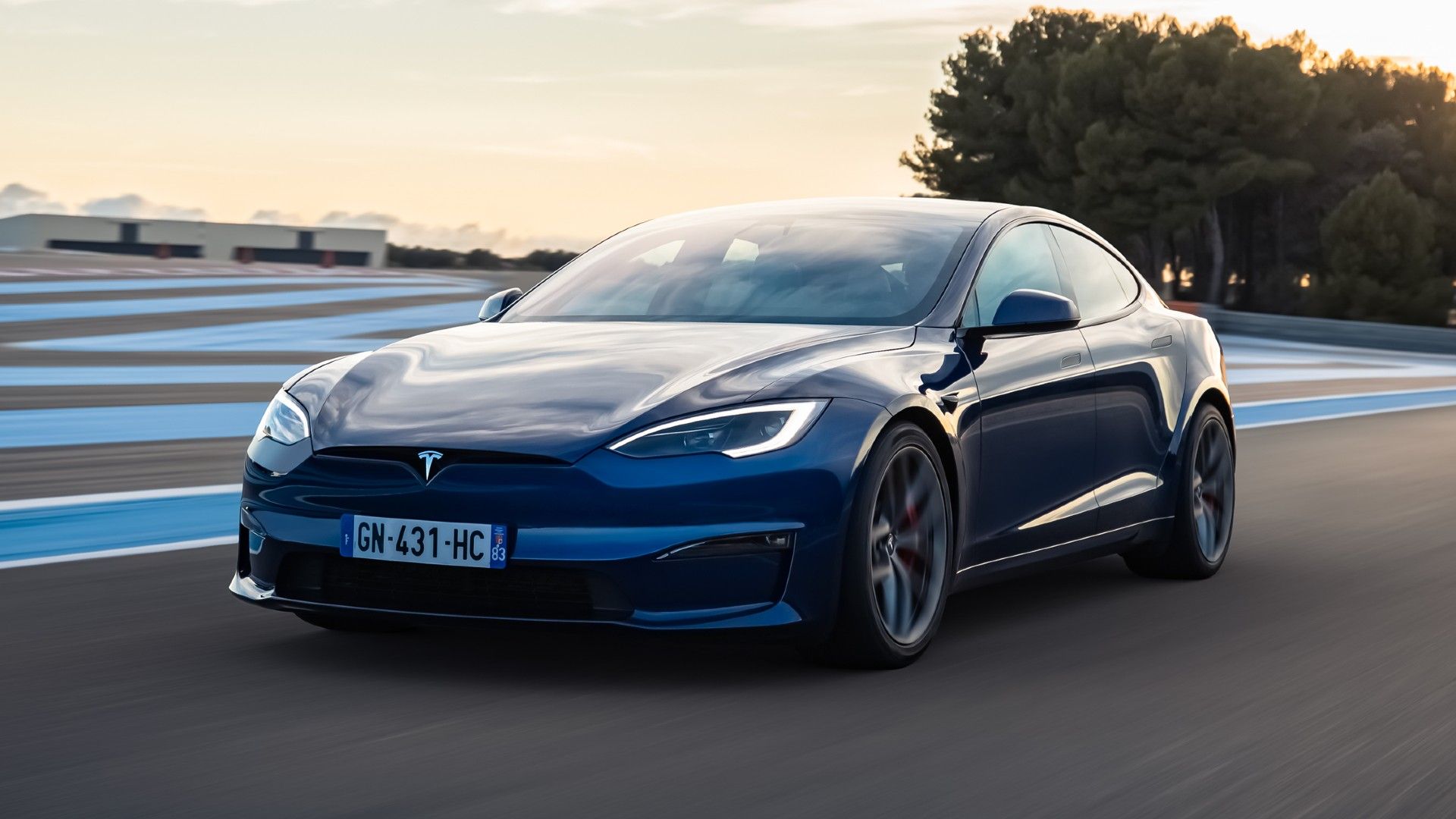
Tesla is dropping its premium Model S and Model X vehicles to clear the way for a bold and still untested push into humanoid robotics.
Tesla said it plans to more than double its capital expenditure to a record US$20bn in 2026, with Chief Executive Elon Musk indicating that the vast majority of that spending will go toward future-focused ventures such as autonomous vehicles and humanoid robots, rather than its traditional electric vehicle business.
The announcement was made during the company’s January 28 earnings call, during which Musk said, “this is going to be a very big capex year,” calling the investment essential for “an epic future.”
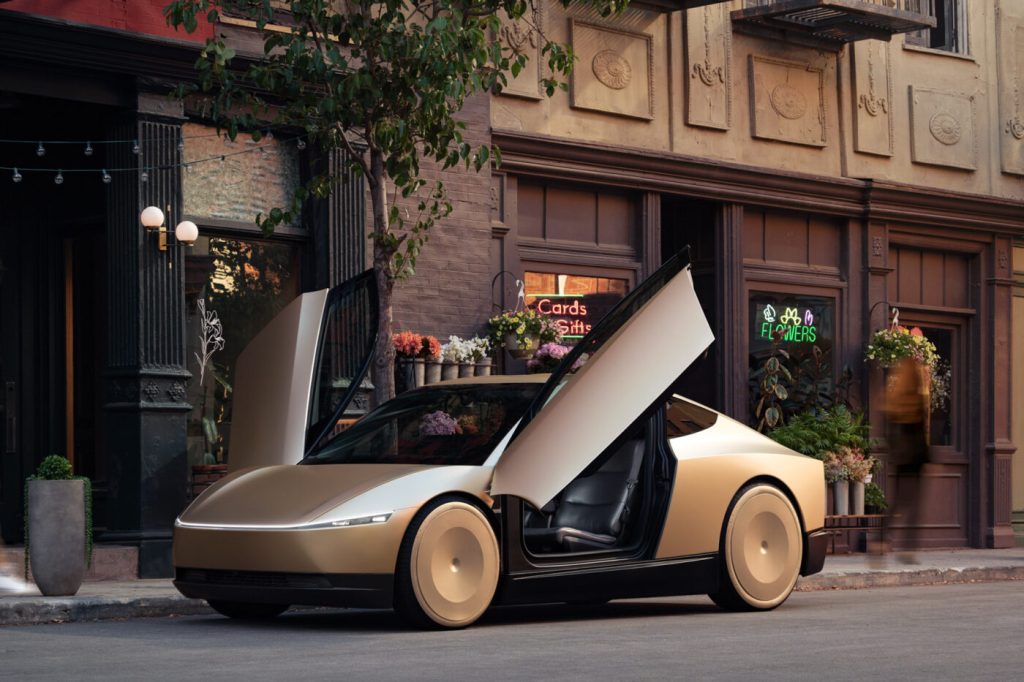
During the same call, Chief Financial Officer Vaibhav Taneja explained that most of the spending for the year will be directed toward production lines for the upcoming Cybercab autonomous vehicle, the Tesla Semi truck, and Optimus humanoid robots.
All three products are slated to begin series production in 2026. Additional capital will also be allocated to battery manufacturing and lithium production facilities.
That shift toward Optimus comes with a significant sacrifice. Musk announced that Tesla’s Fremont factory will stop producing the Model S sedan and Model X SUV, its original flagship premium vehicles, with the production lines instead being repurposed for humanoid robot manufacturing.
First introduced in 2012 and 2015, respectively, the two models are estimated to have accounted for just 3–5% of Tesla’s total deliveries in 2025 and have seen relatively few updates compared to high-volume models like the Model 3 and Model Y.
The US$20bn capital commitment represents a dramatic increase from the US$8.5bn Tesla spent on capex in 2025 and far exceeds the previous record of US$11.3bn set in 2024.
Taneja said the company currently holds more than US$44bn in cash and investments to support the spending, and suggested that 2026 may mark the beginning of a longer-term rise in capital investment rather than a one-off peak.
Tesla also separately disclosed plans to invest roughly US$2bn into xAI, Musk’s artificial intelligence startup behind the Grok model, despite shareholders rejecting a similar proposal in a vote held last November.
With this capital allocation, Musk is backing up long-standing claims about Tesla’s future direction. He has repeatedly encouraged investors to stop viewing Tesla as an electric vehicle manufacturer and instead see it as an “AI and robotics” company.
Even so, Tesla’s progress on robotaxi services has been uneven. A limited pilot program is currently operating in Austin, despite Musk previously promising that Tesla would reach half of the US market by the end of 2025.
Tesla has also said it operates robotaxi services in the San Francisco Bay Area, but California regulations prohibit the company from running fully autonomous vehicles without additional permits.
As a result, the service operates under a chauffeuring license and requires human drivers to supervise the system at all times. During the earnings call, Tesla announced plans to expand robotaxi operations to Dallas, Houston, Phoenix, Miami, Orlando, Tampa, and Las Vegas in the first half of 2026, though whether those timelines will be met remains uncertain.
The rollout of Tesla Cybercab is expected to face similar regulatory and practical challenges, particularly because the vehicle lacks traditional manual controls such as a steering wheel and pedals. Musk acknowledged last week that early Cybercab production will be limited and warned that scaling up to higher volumes would be “agonisingly slow.”
Also Read: Top 10 Ford Mustang Models That Became Automotive Icons