
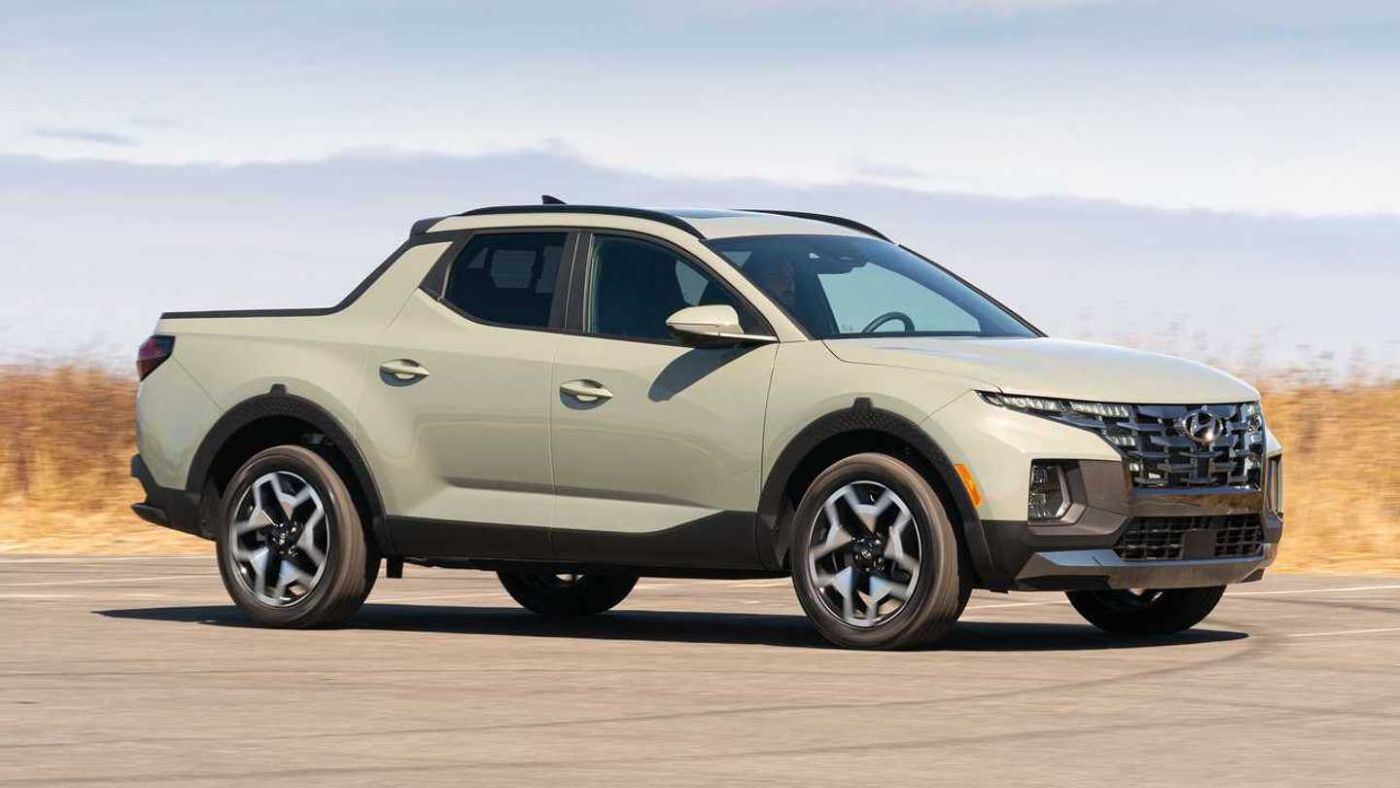
Santa Cruz production is reportedly ending ahead of schedule after disappointing sales led to excess inventory. The Ford Maverick dominated the segment, attracting most value-oriented pickup buyers.
Hyundai is now focusing on developing a larger, body-on-frame pickup aimed at American truck customers. A company spokesperson said that “Santa Cruz’s production plans for 2026 remain unchanged,” but declined to provide any additional details.
Hyundai’s foray into the compact pickup segment appears to be nearing its conclusion. After just a single generation, the Santa Cruz is reportedly being phased out earlier than expected, as many shoppers passed it over in favor of competing models.
On paper, the concept made sense. Take the comfort and road manners of a crossover, add a small pickup bed, and market it to active, lifestyle-focused buyers who haul bikes and kayaks more often than lumber or tools. In practice, however, the idea failed to gain meaningful traction.
The Santa Cruz struggled to carve out a clear niche, landing awkwardly between lifestyle vehicle and proper pickup without fully appealing to either audience. Even the addition of the tougher-looking XRT trim for the 2024 model year failed to significantly move the needle.
While Hyundai searched for footing, the Ford Maverick surged ahead. Thanks in part to offering a hybrid powertrain, something the Santa Cruz lacks, the Maverick steadily captured the attention of budget-conscious buyers. The result was lopsided: Ford logged 155,000 Maverick registrations last year, an 18 percent increase over 2024. Over the same period, Santa Cruz sales dropped 20 percent, sliding to just 25,500 units.
According to reports, Hyundai dealers were left sitting on months’ worth of unsold Santa Cruz inventory, a clear warning sign. Auto News reports that Hyundai responded by cutting Santa Cruz production “by roughly half this quarter” and is now preparing to shut it down completely ahead of the original second-quarter 2027 timeline. No firm end date has yet been announced.
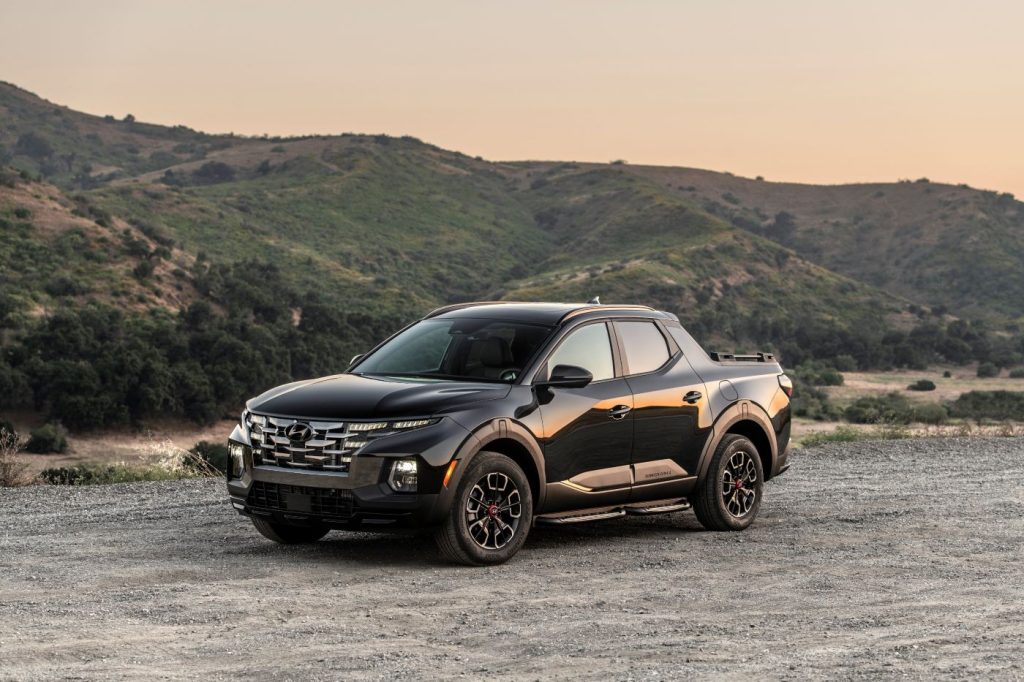
The report cites sources familiar with the situation, including suppliers and individuals briefed on internal company discussions.
That reduction in Santa Cruz output will reportedly free up production capacity at Hyundai’s Alabama plant, allowing it to build more Tucsons, a model that continues to see strong demand. Tucson sales rose nearly 14 percent last year, reaching about 234,000 units.
Despite the Santa Cruz’s struggles, Hyundai is not walking away from the pickup market altogether. Instead, it appears to be acknowledging that US buyers prefer trucks that are larger, tougher, and more traditional in design.
Hyundai has already confirmed development of a new midsize pickup, with a US launch planned for 2029. Unlike the crossover-based Santa Cruz, this future truck will feature body-on-frame construction and is intended to compete directly with established players such as the Toyota Tacoma and Ford Ranger. Hyundai has also made clear that it will not be related to Kia’s Tasman.
Hyundai CEO José Muñoz has even suggested that a rugged off-road SUV could follow, built on the same platform as the new pickup to take on vehicles like the Toyota 4Runner and Ford Bronco.
The move upmarket is a logical one. Traditional trucks continue to dominate US sales charts, and buyers often prioritize towing capability, payload capacity, and a rugged image over clever styling or crossover comfort. Larger trucks also tend to deliver higher profit margins. Whether Hyundai’s second attempt at cracking the pickup market will succeed remains the big unanswered question.
Also Read: 5 Hyundai Santa Fe Years That Last vs 5 That Constantly Break
