
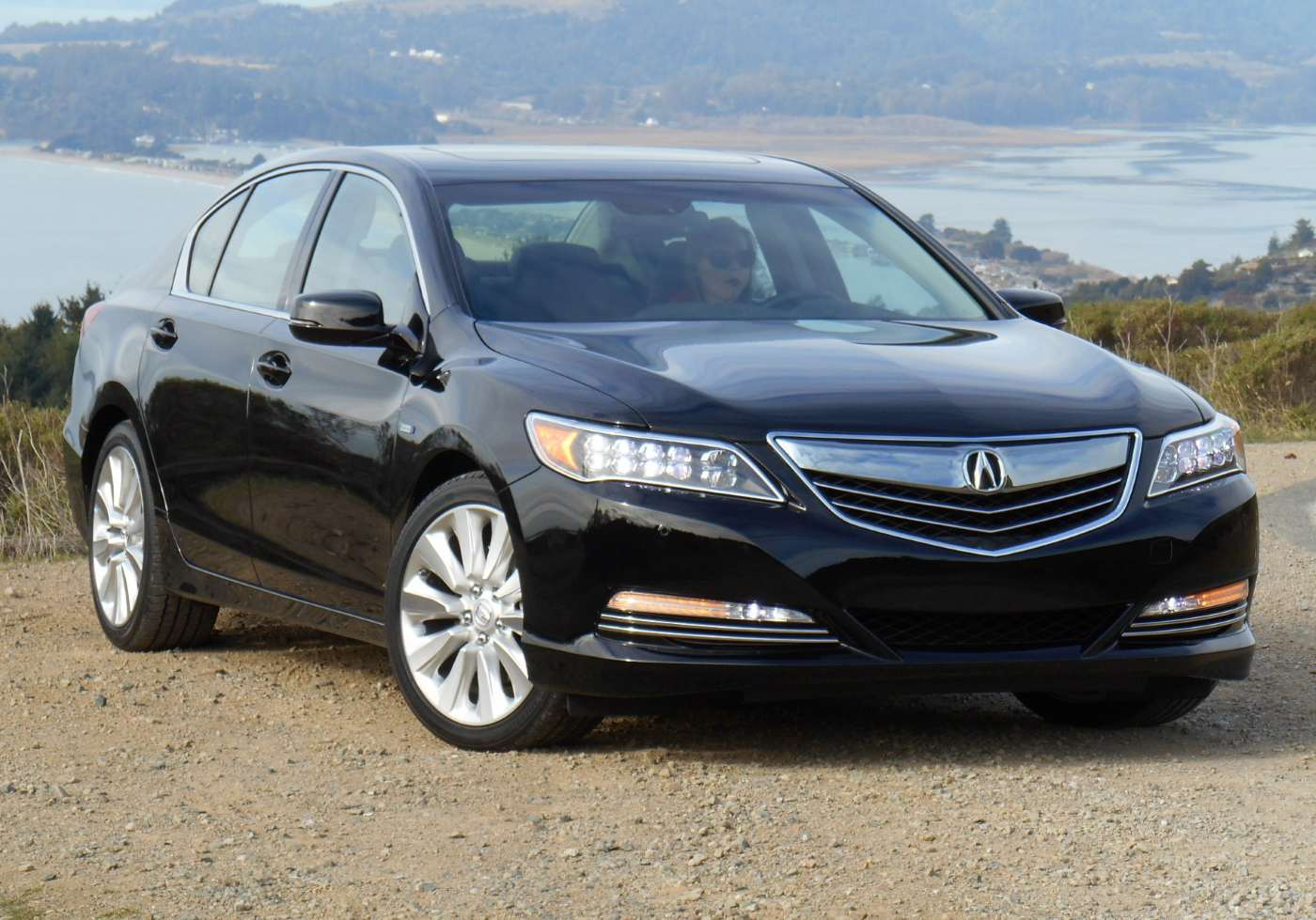
Honda’s ongoing issues with its 3.5-liter V6 engine appear to be escalating. In August of last year, the National Highway Traffic Safety Administration (NHTSA) opened an investigation into 1.4 million vehicles after receiving reports of engines failing prematurely. Before that, Honda issued a recall in 2023 covering certain models equipped with the V6.
Despite those efforts, many Honda and Acura owners remain dissatisfied, and the matter has now grown into a class action lawsuit. Given the sheer scale of the affected vehicles, Honda still seems far from resolving the issue.
Although the engine itself is relatively straightforward, lacking turbocharging or electrification, it has proven to be a major source of frustration for numerous Honda and Acura owners. The lawsuit cites complaints including abnormal engine noises, misfires, loss of power, stalling, and hesitation during acceleration.
According to the filing, premature wear and damage can occur to key internal components such as the connecting rods, pistons, bearings, and crankshaft, in some cases resulting in complete engine failure.
The named plaintiff, Savannah Messenger of Ohio, says the engine in her 2016 Honda Pilot failed at just 76,420 miles. Because the vehicle was out of warranty, she was quoted $11,874 for a replacement engine. Honda allegedly declined to cover the repair, prompting her to install a rebuilt engine at a cost of $2,400.
In its 2023 recall affecting more than 200,000 vehicles, Honda acknowledged a manufacturing defect related to the crankshaft, specifically an improperly ground crank pin. However, the lawsuit alleges that the recall “failed to address the underlying Defect present in all Class Vehicles.”
Models Named in the Lawsuit
The class action identifies the following vehicles as impacted:
- 2014–2020 Acura RLX
- 2015–2020 Acura TLX
- 2016–2020 and 2022–present Acura MDX
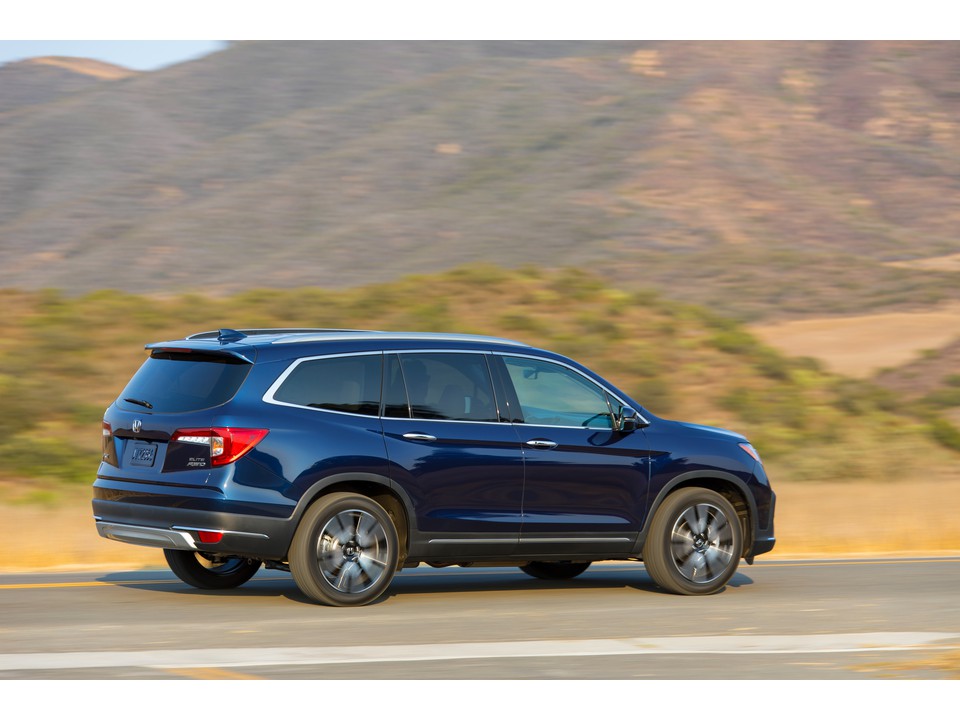
- 2016–2022 Honda Pilot
- 2018–present Honda Odyssey
- 2019–2025 Honda Passport
- 2017–present Honda Ridgeline
The inclusion of the 2014 Acura RLX suggests the V6 issues may stretch back more than a decade.
While the lead plaintiff experienced failure at under 77,000 miles, other owners have reported problems even earlier. One 2017 Honda Pilot owner reportedly suffered an engine failure at just 56,000 miles and was quoted nearly $25,000 for a replacement.
Another case documented on Car Complaints describes a 2019 Pilot requiring a new engine at only 38,000 miles due to rod bearing failure. On NHTSA complaint filings, numerous owners have also reported rough idling, a symptom often seen before catastrophic engine damage.
Honda’s powertrain warranty covers five years or 60,000 miles, whichever comes first, leaving many owners without coverage when failures occur after warranty expiration.
Honda is not alone among Japanese automakers facing serious V6-related issues. Toyota has also recalled thousands of vehicles equipped with its twin-turbocharged V6 engines, including the Toyota Tundra and Lexus GX and LX SUVs. In those cases, owners reported rough operation and engine knocking, which Toyota attributed to machining debris left inside the engines during production.
As with Honda, Toyota has faced a class action lawsuit, with plaintiffs arguing that an initial recall failed to fully address the problem.
For brands long associated with reliability, these engine issues are a significant blemish. However, Honda’s situation appears particularly severe, given the larger number of vehicles affected and the length of time over which the V6 problems have persisted.
Also Read: 10 Best Honda Sports Bikes Ever Made
