
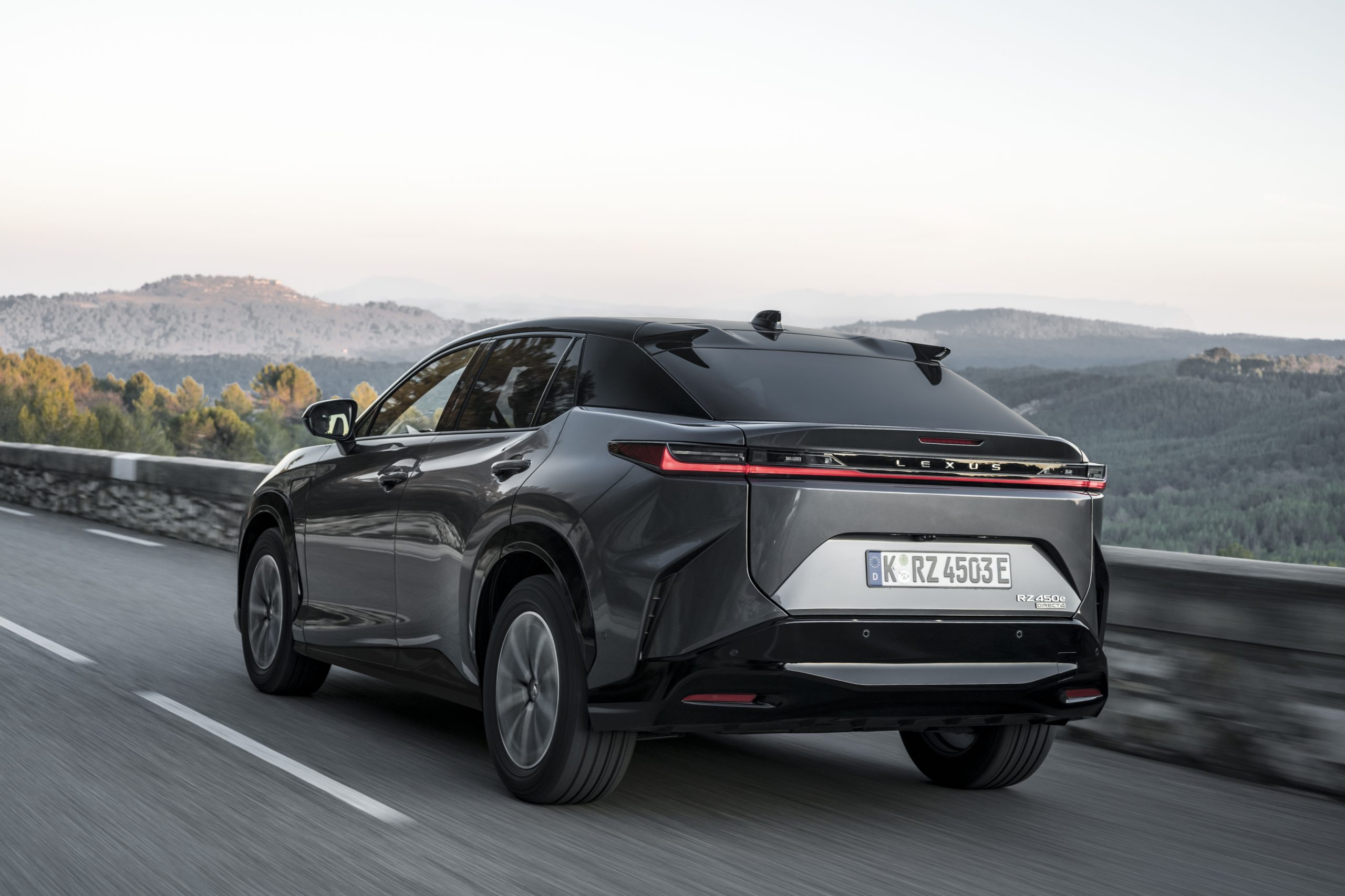
While several luxury automakers wrestled with slowing momentum last year, Lexus moved in the opposite direction, posting its strongest global sales performance to date. Unlike rivals such as BMW, Mercedes-Benz, and Audi, the Japanese luxury brand delivered year-over-year growth in 2025, underscoring its resilience in an increasingly competitive and electrifying market.
Over the course of 2025, Lexus sold a total of 882,231 vehicles worldwide, marking a new annual sales record for the brand. That figure represents a 4% increase compared to 2024 and helped the Toyota Group retain its position as the world’s top-selling automaker for the sixth straight year, with combined global sales of 10.3 million vehicles.
North America once again emerged as Lexus’ most important market, and every major region except Europe recorded growth.
North America led Lexus’ global performance, accounting for 408,070 vehicle sales in 2025. Of that total, the United States alone represented 370,260 units. Asia followed with 237,946 sales, while Japan contributed 87,418 vehicles. Europe trailed with 80,686 deliveries and was the only major region to experience a downturn, posting a 2.3% decline compared to the previous year.
According to Lexus, the brand’s continued strength in North America was driven largely by its SUV lineup, particularly the RX, NX, and TX. Although the RX and NX have been on the market for several years, demand for both models remains strong.
The TX, meanwhile, finally gave Lexus a competitive three-row crossover, and its impact was immediate. U.S. sales of the TX surged by more than 100% in 2025, reaching 57,346 units. The rugged GX also posted gains, with sales climbing by more than 20% in the same market.
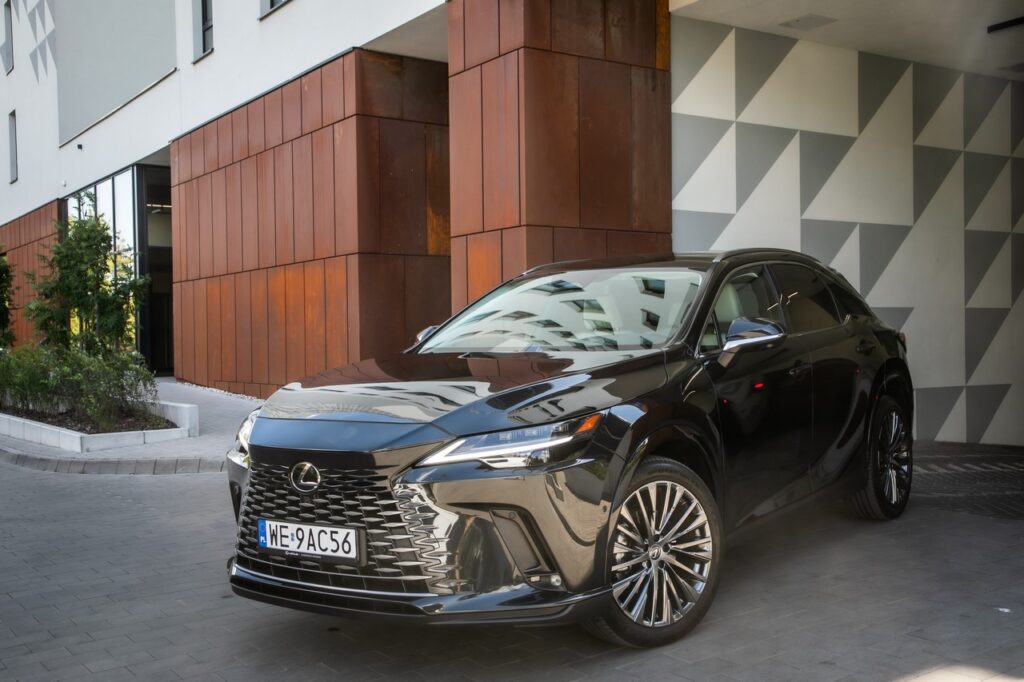
SUV success helped offset weaker performance among Lexus sedans, which saw U.S. sales fall by 6% in 2025. That trend may soon reverse, however, as the all-new Lexus ES is scheduled to launch in March 2026. For the first time, the ES will be offered with both hybrid and fully electric powertrains, potentially restoring momentum in the sedan segment.
Despite its strong showing, Lexus still trails its German luxury rivals in global volume. Excluding Mini and Rolls-Royce, the BMW Group sold 2,169,761 vehicles in 2025, more than double Lexus’ total. However, BMW’s figure represented a 1.4% decline year over year, narrowing the gap slightly compared to 2024.
The Mercedes-Benz Group reported total sales of 2,160,000 cars and vans in 2025. Focusing solely on Mercedes passenger cars, deliveries reached 1,800,800 units, a 9% decrease but still comfortably ahead of Lexus. Audi, meanwhile, delivered 1.6 million vehicles worldwide, down 3% from the previous year yet again outpacing Lexus in raw volume.
Even so, Lexus stood out as the only brand among these major luxury players to record global sales growth in 2025.
Looking ahead, Lexus appears well-positioned to build on its momentum. Beyond the upcoming ES, now available as an EV for the first time—the brand is investing heavily in more compelling electric models. One example is the RZ 600 e F Sport Performance, a 420-horsepower electric SUV designed to enhance Lexus’ EV image, particularly in North America.
The LFA Concept unveiled late last year also hints at a future flagship model that could eventually replace the aging LC coupe. Alongside the RZ 600 e F Sport Performance, it represents another opportunity for Lexus to reconnect with performance enthusiasts.
The 2026 model year will mark the final chapter for the LS sedan, leaving the LX SUV as Lexus’ sole flagship offering in the U.S. market. With its SUV lineup continuing to provide a solid foundation, Lexus now has room to experiment with high-performance niches while steadily expanding and refining its electrified portfolio.
Also Read: Top 10 Iconic SUVs That Became Automotive Legends
