
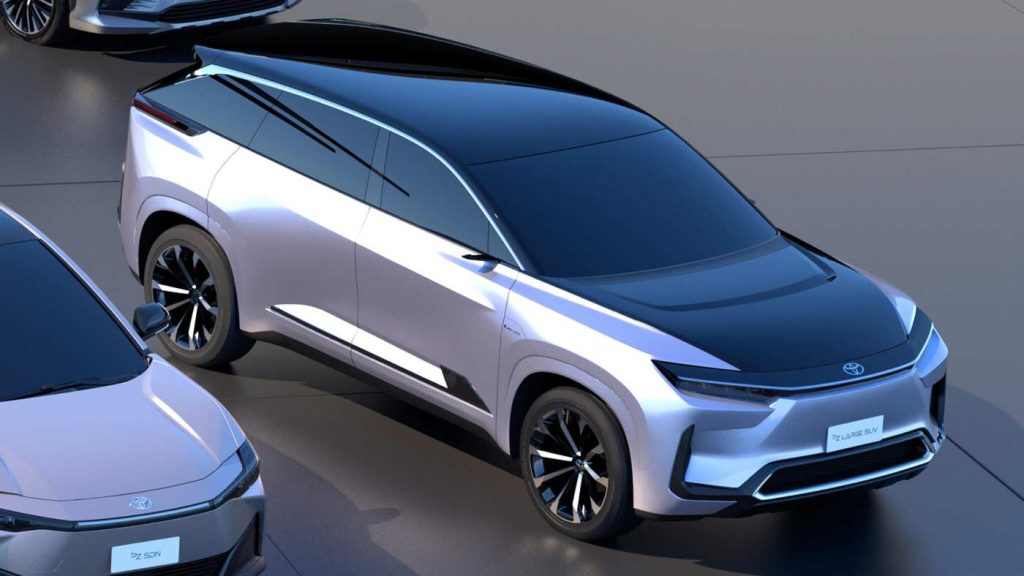
Toyota is preparing to fill one of the few remaining gaps in its U.S. lineup with the introduction of its first three-row electric SUV, a model positioned directly against rivals like the Hyundai Ioniq 9 and the Kia EV9.
The new EV is set to be unveiled on February 10, and while Toyota initially teased only a full-width rear light bar, the company has now revealed the interior for the first time, offering a clearer look at its upcoming family-focused electric flagship.
The newly released interior teaser suggests Toyota is aiming high when it comes to space and comfort. The cabin shown features a large glass roof and light-colored upholstery, giving the interior an open and airy feel.
Second-row captain’s chairs with integrated armrests are visible, pointing toward a more premium and comfort-oriented setup for rear passengers. The third row can also be seen, indicating seating for at least six occupants in this configuration, though a seven-seat layout is likely to be offered as well.
Up front, the dashboard is dominated by a large central touchscreen that appears even bigger than the 14-inch display found in the latest bZ Woodland. The digital instrument cluster is positioned closer to the steering wheel than in Toyota’s existing two-row electric SUV, suggesting a more driver-focused layout.
There are also indications that second-row passengers will benefit from their own climate controls, further reinforcing the vehicle’s family-hauler credentials.
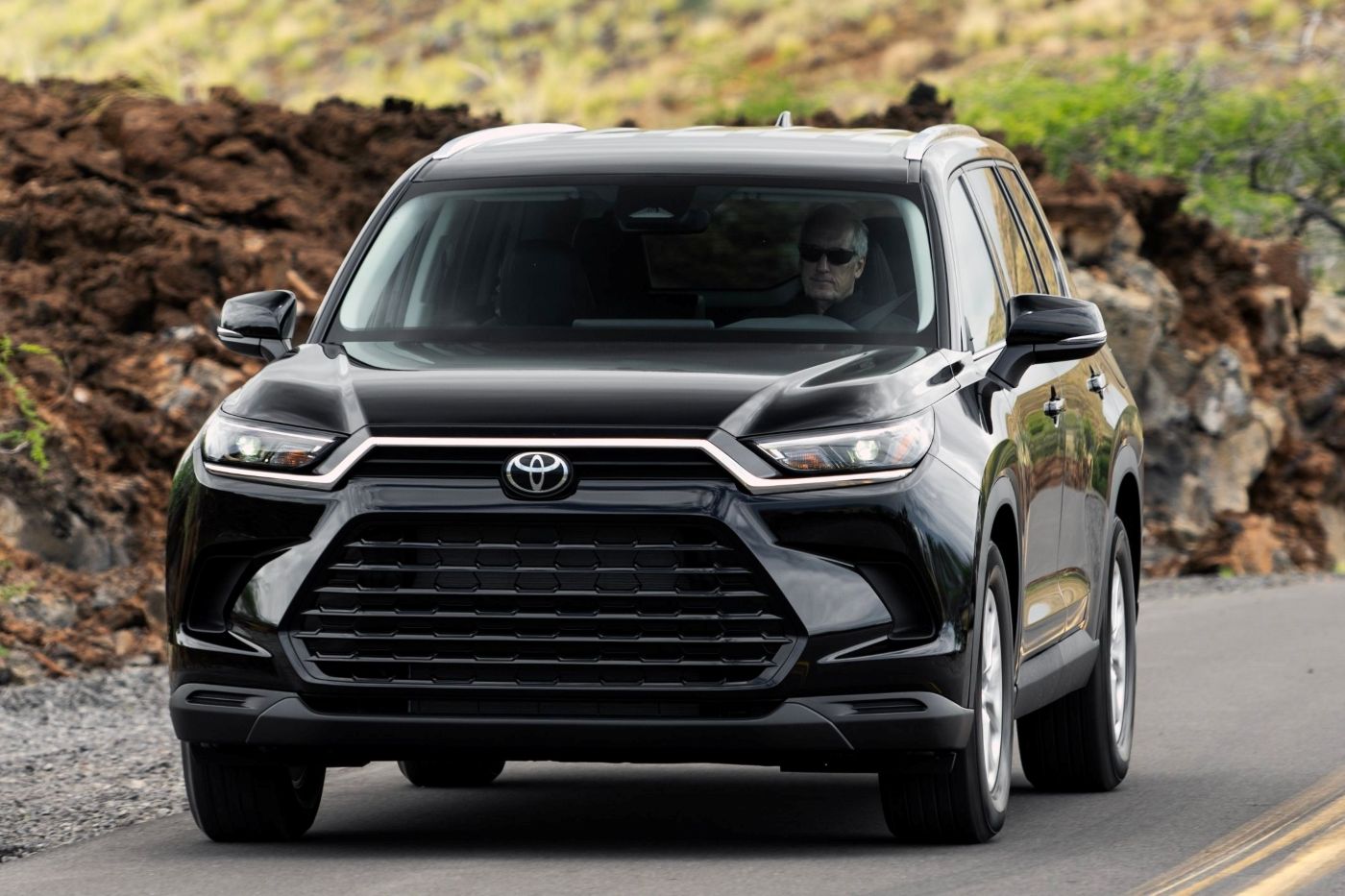
Toyota’s benchmark for interior comfort in this segment has long been the Grand Highlander, and if the new electric SUV delivers a similar level of space and refinement, it could become one of the most appealing three-row EVs on the market.
The emphasis on openness, technology, and rear-seat comfort suggests Toyota is aiming squarely at buyers who prioritize practicality without sacrificing a modern, high-tech feel.
So far, Toyota has not confirmed the name of the new SUV or shared detailed specifications. However, the company has described it as offering “big energy” and “bigger versatility,” and it is widely expected that the model will carry a “bZ” prefix, aligning it with Toyota’s growing electric sub-brand.
Currently, the lineup includes the compact bZ and the midsize bZ Woodland, making this upcoming three-row model the largest electric SUV Toyota will offer in the U.S.
Based on the bZ Woodland’s specifications, which include dual electric motors, all-wheel drive, and 375 horsepower, it would not be surprising if the three-row EV matches or closely mirrors that output.
If so, it would make the new electric SUV quicker than the Grand Highlander Hybrid Max, which produces 362 horsepower. One area where Toyota will need to improve, however, is driving range, as the bZ Woodland tops out at around 260 miles, a figure that may fall short of expectations in the large family EV segment.
The launch of this model is particularly significant because it marks Toyota’s first entry into the non-luxury three-row electric SUV space. With its strong brand reputation and extensive dealer network, Toyota represents a serious threat to the relatively small group of competitors currently serving this market.
The Kia EV9 and Hyundai Ioniq 9 are among the few options available outside premium brands, and Toyota’s arrival could quickly reshape buyer interest.
That said, the timing is not without challenges. Several automakers are currently scaling back or delaying EV plans, even as Toyota ramps up new fully electric offerings. This new U.S.-built Toyota EV will also miss out on federal tax credits, which were eliminated in late September 2025.
Sales data from competitors underscores the difficulty of the segment as well, with the Kia EV9 experiencing a notable sales decline last year despite being a relatively new product. Toyota’s own first modern EV, previously known as the bZ4X and now simplified to bZ, has also struggled to gain strong traction.
Even with those headwinds, Toyota’s entry into the three-row electric SUV category is likely to generate substantial attention. The combination of brand trust, family-friendly design, and a clear focus on interior comfort could make this new model a compelling option for buyers considering an electric alternative to traditional gas-powered three-row crossovers.
Also Read: 5 Vehicles That Feel Designed for Cities vs 5 That Clearly Aren’t
