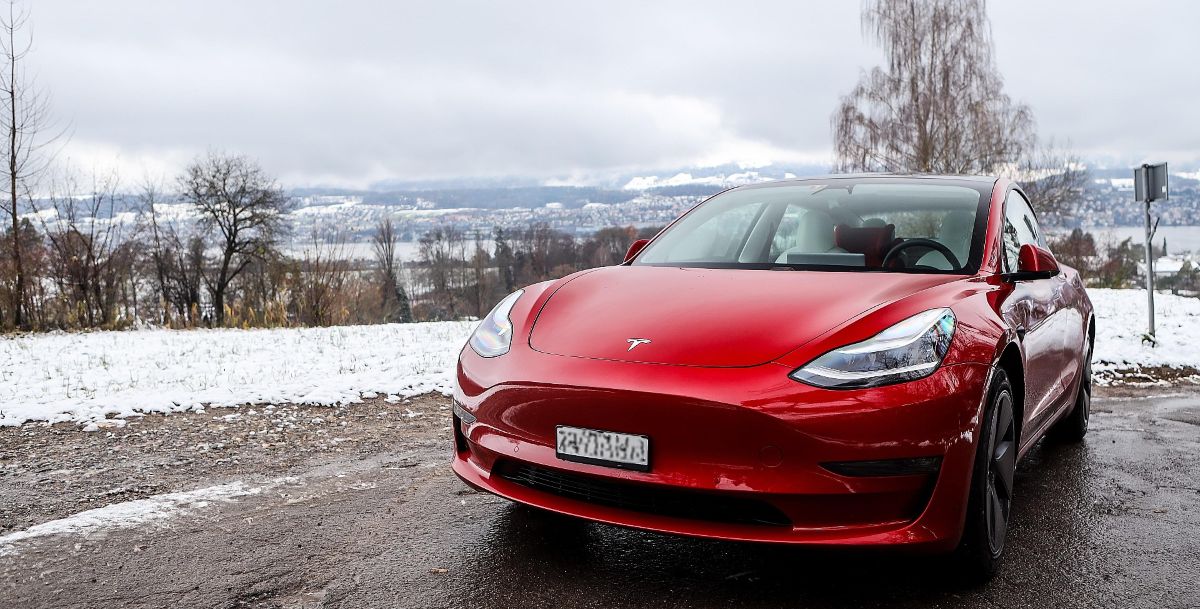
Tesla’s grip on the European electric vehicle market has been weakening for some time, but the scale of its latest stumble in one of its most faithful territories has taken many by surprise.
Long seen as Tesla’s safest haven in Europe, Norway has historically embraced the brand more enthusiastically than almost any other country. However, fresh data from January 2026 suggests that even this stronghold may be slipping away, as buyers increasingly turn to a wider range of electric alternatives.
According to new registration figures, Tesla delivered just 62 units of the Model Y in Norway last month. That figure represents only 2.8 percent of all new car registrations in the country for January.
When looking at Tesla’s entire lineup, the numbers are even more striking: just 83 vehicles were sold in total, amounting to an 88 percent drop compared to the same month a year earlier. For a market that once routinely placed Tesla models at the very top of the sales charts, the decline is dramatic.
The shift is especially clear when compared with the performance of rival electric vehicles. Several models now outsell the Model Y by a wide margin in Norway. The Volkswagen ID.3 emerged as the most popular EV in January, with 299 registrations, nearly five times the Model Y’s total.
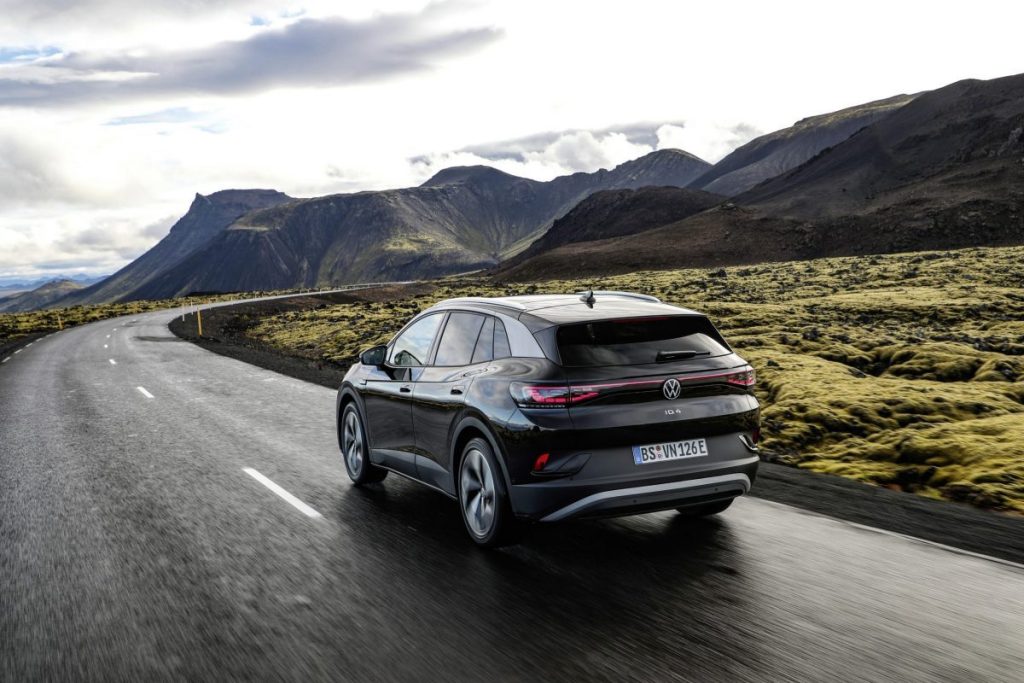
Close behind was the Toyota bZ4X with 184 units, followed by the Toyota Urban Cruiser at 98 and the Skoda Elroq at 78. Even lesser-known entrants are gaining ground, with the Deepal S05 registering 75 sales, while the Volkswagen ID.4 narrowly edged out Tesla with 69 registrations.
Despite Tesla’s sharp downturn, Norway’s overall commitment to electric vehicles remains unwavering. EVs accounted for an extraordinary 94 percent of all new car sales in the country last month.
By contrast, diesel-powered vehicles managed just 98 registrations, while petrol cars barely registered at all, with only seven sold nationwide. That figure marks the lowest number of new petrol car registrations ever recorded in Norway, underscoring how firmly the country has embraced electrification.
While Norway delivered a harsh blow to Tesla, the picture across Europe is more nuanced. In several markets, Tesla actually recorded meaningful sales growth.
In Spain, registrations climbed by 70 percent to 456 units, while Italy saw an even stronger increase of 75 percent, reaching 713 vehicles. Sweden also posted gains, with sales rising 26 percent to 512 units, and Denmark experienced a modest 3 percent increase to 458.
These improvements are widely attributed to the introduction of more affordable, stripped-back versions of the Model 3 and Model Y. These so-called Standard variants were rolled out in an effort to reinvigorate interest in Tesla’s aging lineup, which has faced criticism for falling behind newer competitors in terms of design freshness, features, and perceived value.
Even so, Tesla’s broader European performance remains uneven. A recent report highlighted steep declines in several key markets. Sales in France dropped by 42 percent, Belgium saw a 31 percent fall, and the Netherlands experienced a particularly sharp contraction of 67 percent. Portugal fared slightly better, but still recorded a small decline of just over 3 percent.
Looking ahead, Tesla faces mounting challenges as competition in Europe continues to intensify. A growing number of Chinese manufacturers are preparing to launch new electric models across the region, adding further pressure to an already crowded market.
Later in 2026, BYD is expected to begin mass production at its new plant in Szeged, Hungary, a move that will allow it to sell electric vehicles within Europe without facing import tariffs.
As these developments unfold, the remainder of the year could prove critical in determining whether Tesla can stabilize its position, or whether the shift away from the brand in markets like Norway marks the beginning of a deeper, longer-term trend.