
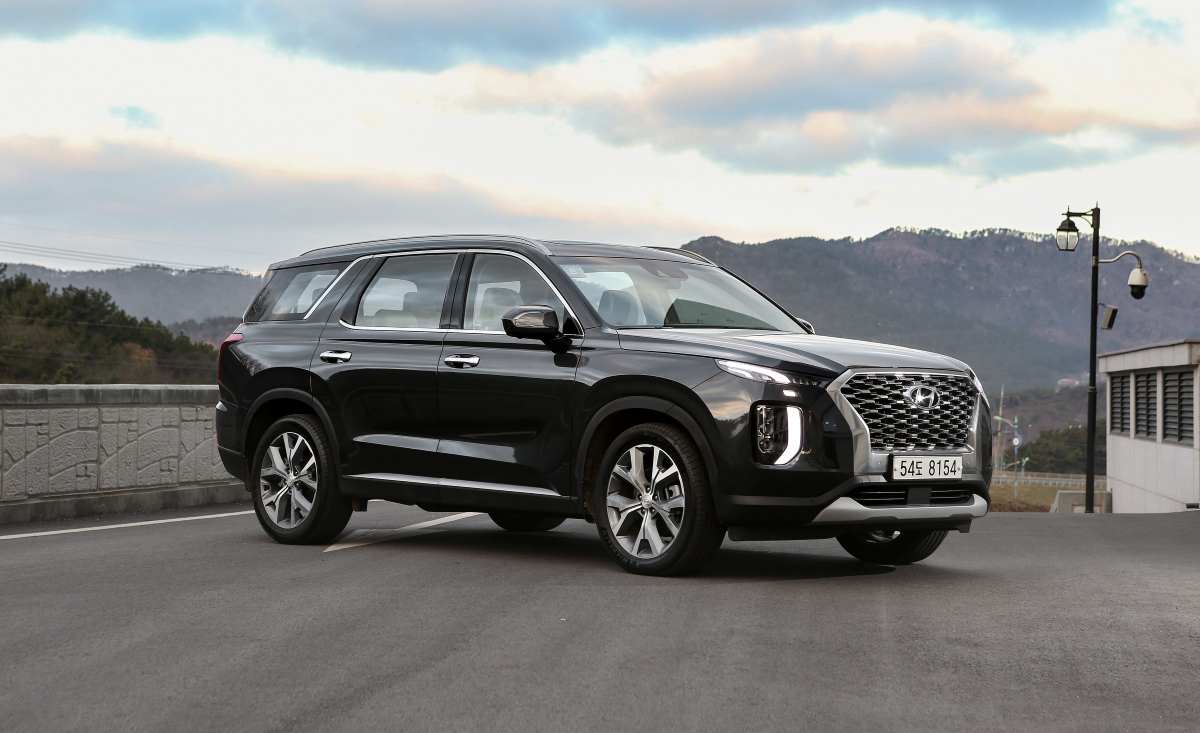
Hyundai opened 2026 with its strongest January sales performance on record in the United States, but despite that milestone, it was Kia that emerged ahead in the early family rivalry. Hyundai delivered 55,624 vehicles in January, a 2% year-on-year increase, marking its best-ever start to a calendar year.
However, Kia sold 64,502 vehicles over the same period, nearly 10,000 more than Hyundai and a notable reversal from 2025, when Hyundai finished the year ahead by almost 50,000 units. While Hyundai has the rest of the year to close the gap, January’s results suggest a potential shift in momentum within the Hyundai Motor Group.
A major bright spot for Hyundai was surging demand for hybrids, with sales in that category jumping more than 60% compared to last year.
This growth was helped by the latest generation Hyundai Palisade, now available with a hybrid powertrain, which also recorded the strongest growth of any Hyundai model at 29%.
Hyundai’s top seller for the month was the Hyundai Tucson with 14,428 units, followed by the Elantra, Santa Fe, Palisade, and Kona. Not all news was positive, though, as electric models struggled, with the Hyundai Ioniq 6 seeing sales fall sharply, reflecting a broader cooling of EV demand across the market.
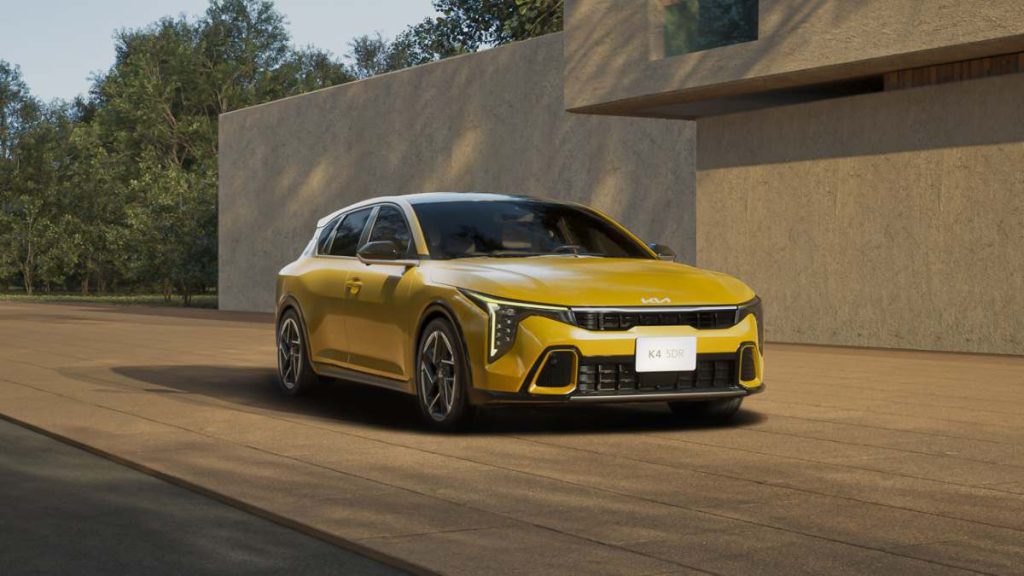
Kia’s advantage came largely from strength in segments where Hyundai is either weaker or absent. Kia sold significantly more sedans in January, helped by models like the Kia K4, and its Kia Sportage nearly matched Tucson sales, shrinking what had been a wide gap a year earlier.
On top of that, Kia’s Kia Carnival added nearly 6,000 sales in a segment Hyundai doesn’t compete in at all. Together, these factors explain how Kia managed to edge ahead despite Hyundai’s record month.
If Kia maintains this balance of value-focused sedans, practical family vehicles, and competitive crossovers, it could be positioned to challenge Hyundai’s usual annual sales dominance as 2026 unfolds.
Also Read: 5 Cars for Macon (GA) Practical Driving vs 5 That Rack Up Bills
