
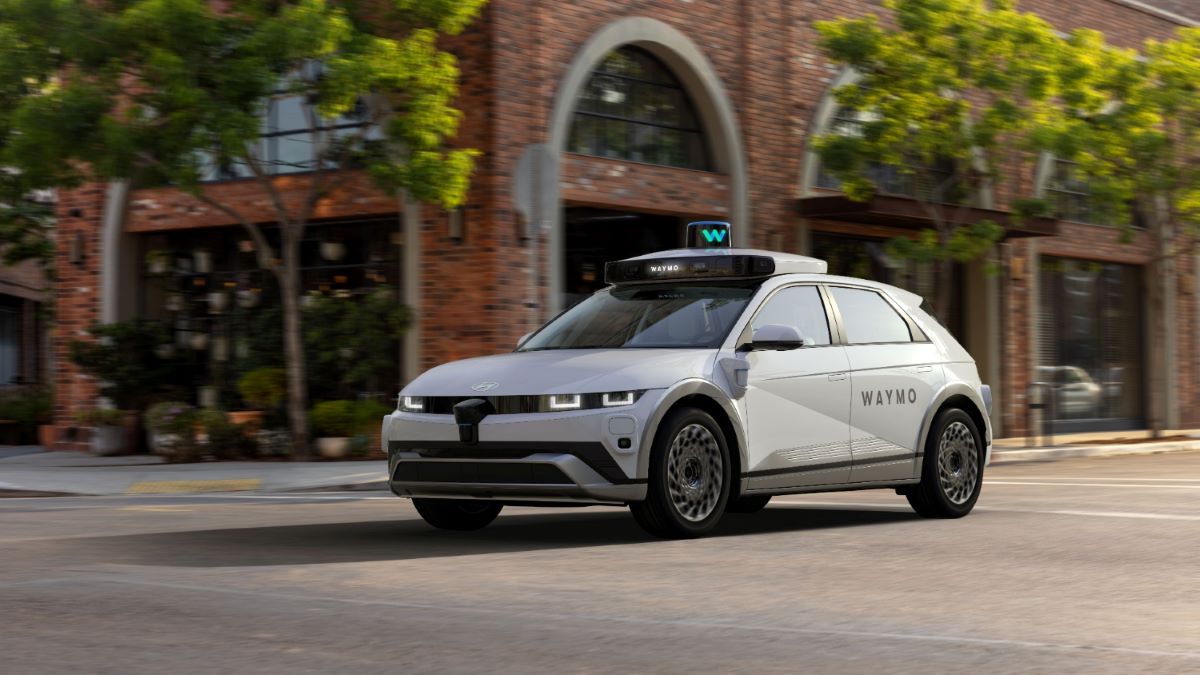
Waymo has removed human safety drivers from its autonomous test vehicles in Nashville, marking another milestone as the company prepares to introduce its first robotaxi service in the state of Tennessee.
The Alphabet–owned autonomous driving unit confirmed the move on 10 February, stepping up operations as competition in the U.S. robotaxi market intensifies.
Waymo plans to roll out a commercial robotaxi service in Nashville later this year through a partnership with Lyft, representing the first deployment of fully driverless taxis on Lyft’s platform.
Initially, passengers will book rides via the dedicated Waymo One app, with access through the Lyft app added over time as the service scales.
Under the agreement, Lyft will manage fleet-related services, such as vehicle readiness and maintenance, charging infrastructure, and depot operations, through its wholly owned subsidiary, Flexdrive.
Waymo follows a consistent rollout approach when entering new markets. The process begins with a limited number of manually driven vehicles to map city streets, followed by autonomous testing with human safety operators.
The company then transitions to driverless testing, often allowing employees to request rides, before opening the service to the public.
Today, Waymo operates commercial robotaxi services in Atlanta, Austin, Los Angeles, Miami, the San Francisco Bay Area, and Phoenix, while running driverless test fleets in Dallas, Houston, San Antonio, and Orlando.
Several of these operations are conducted in partnership with Uber, mirroring the structure of the Lyft collaboration. As of now, Waymo maintains a fleet of more than 2,500 vehicles across its operating cities.
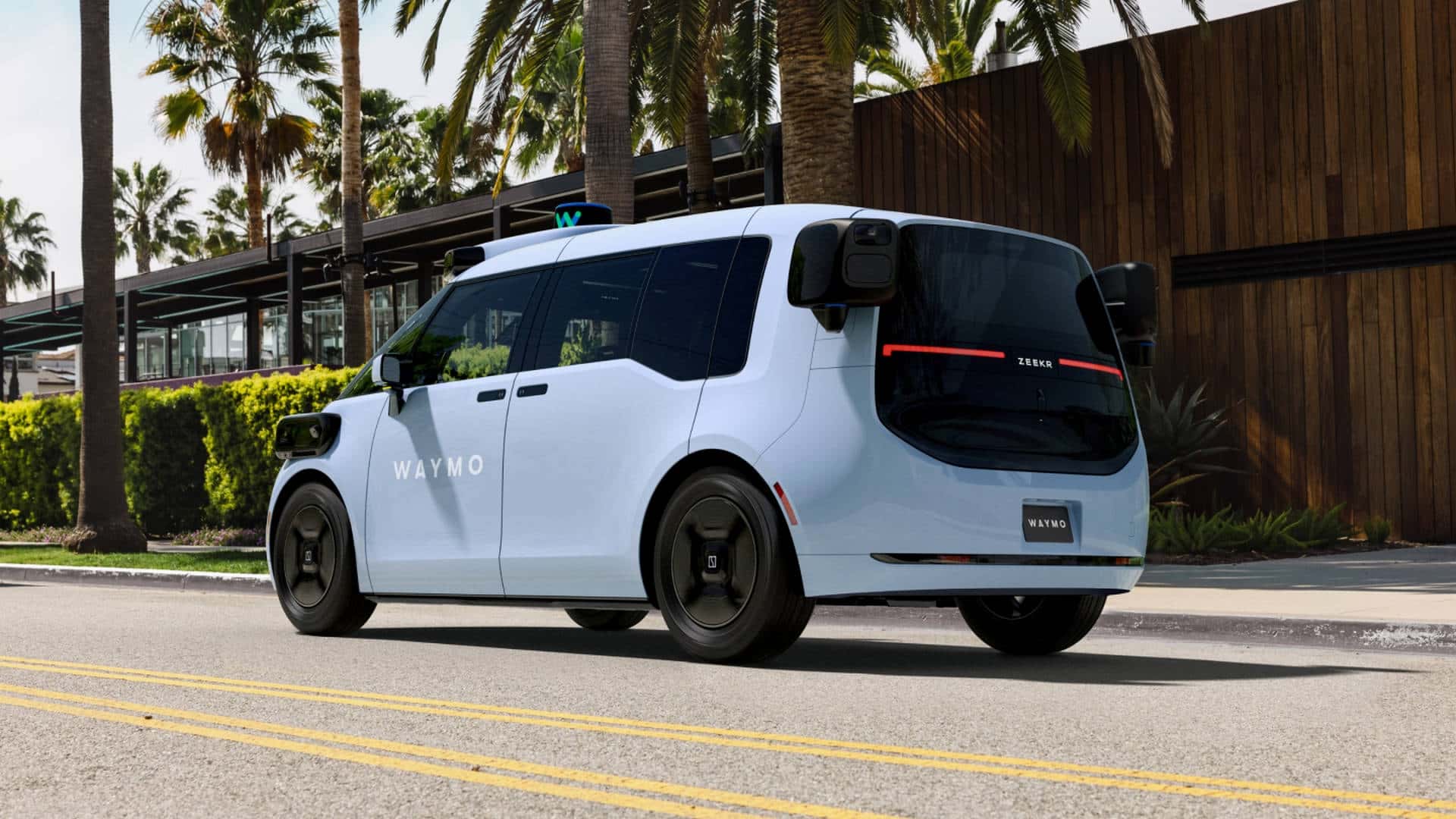
The company also raised US$16 billion in a funding round last week, valuing the business at US$126 billion, nearly tripling its valuation in under two years and placing it ahead of most global automakers by market capitalization.
Competitive pressure is mounting, however, with Tesla making robotaxis a central strategic focus. Other U.S.-based competitors include May Mobility, Zoox, and Nuro.
Earlier in February, officers from the Metro Nashville Police Department received training on how Waymo’s robotaxis respond to emergency signals such as lights and sirens, with additional guidance expected to be distributed to the entire force.
When a Waymo vehicle detects emergency lighting from a police or response vehicle, it will pull over and stop when it identifies a safe location.
Company representatives have also confirmed to law enforcement that Waymo vehicles may continue operating autonomously during traffic stops.
The Nashville expansion comes as Waymo faces heightened regulatory scrutiny. Federal safety investigations are underway following multiple incidents, particularly in school zones.
Both the National Highway Traffic Safety Administration and the National Transportation Safety Board are investigating cases in which Waymo vehicles failed to stop for parked school buses in Austin and Atlanta. Those violations prompted two voluntary software recalls in recent months.
Separately, another investigation was launched after a Waymo robotaxi struck a student in Santa Monica, California, last week.
Waymo has pushed back against calls from school districts to suspend operations during school hours, maintaining that its autonomous system is substantially safer than a human driver when evaluated under comparable conditions.
Also Read: 10 Vehicles That Stay Cool Even in Stop-and-Go Heat
