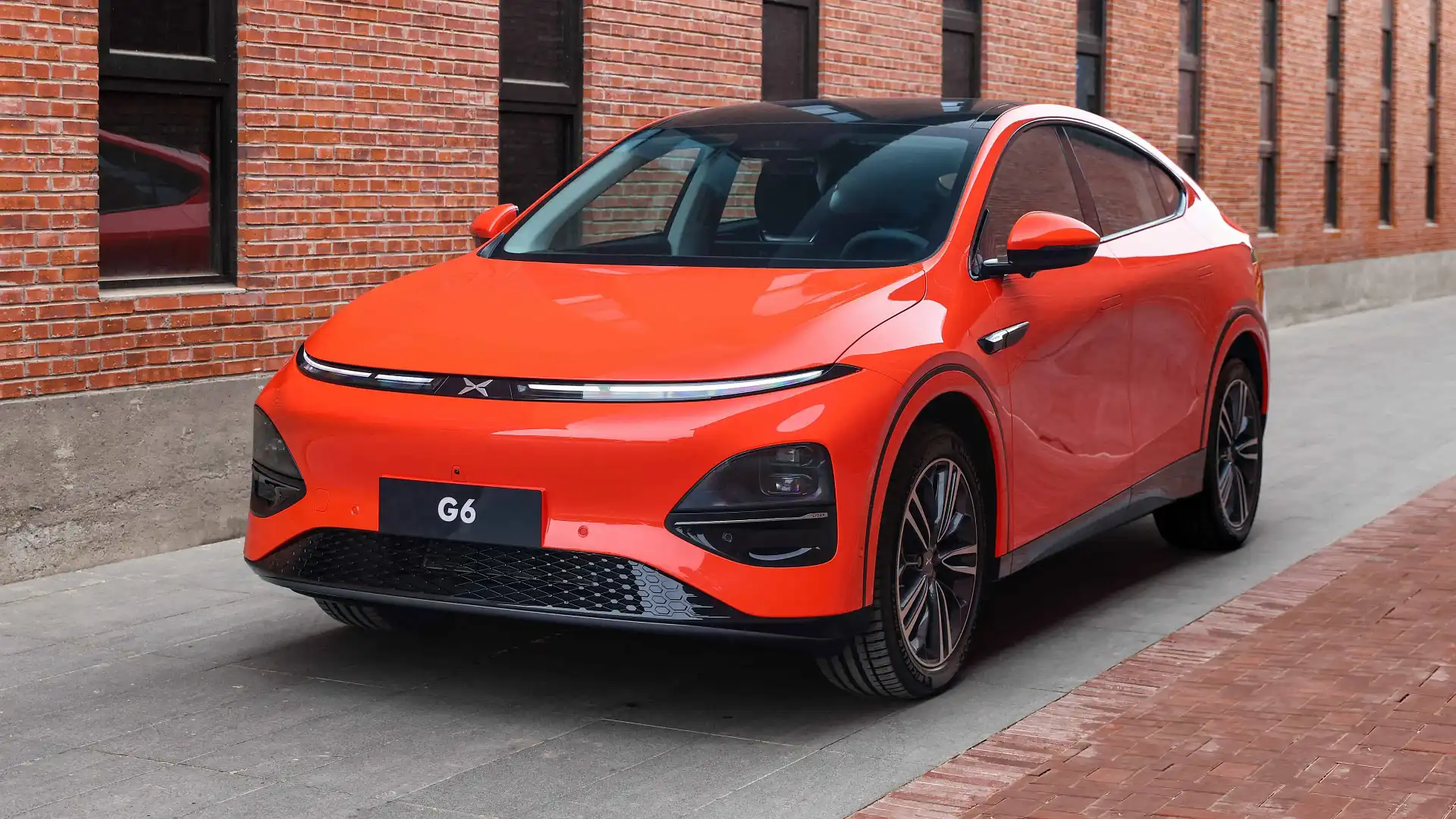
China’s prolonged electric vehicle price battles have concluded, and American consumers are unlikely to encounter the type of deeply discounted pricing that resulted.
The State Administration for Market Regulation (SAMR) has enacted rules preventing automakers from selling vehicles below their manufacturing cost.
The move brings an end to intense domestic competition that is estimated to have cost the automotive sector approximately $68 billion. The policy is expected to stabilize China’s automotive market. At the same time, it may influence global pricing dynamics for electric vehicles.
The decision arrives as other nations consider measures to shield their domestic industries from an influx of low-cost Chinese EVs that could disrupt local markets. The pricing advantage achieved by Chinese manufacturers extended beyond direct government support.
Operating within the world’s largest EV market, where electric vehicles now account for more than half of new car sales, brands capitalized on substantial economies of scale.
Manufacturers also benefited from extended supplier payment terms and deliberate vertical integration strategies, particularly in battery production.
Companies such as BYD developed comprehensive in-house supply chains, allowing them to accelerate product development cycles.
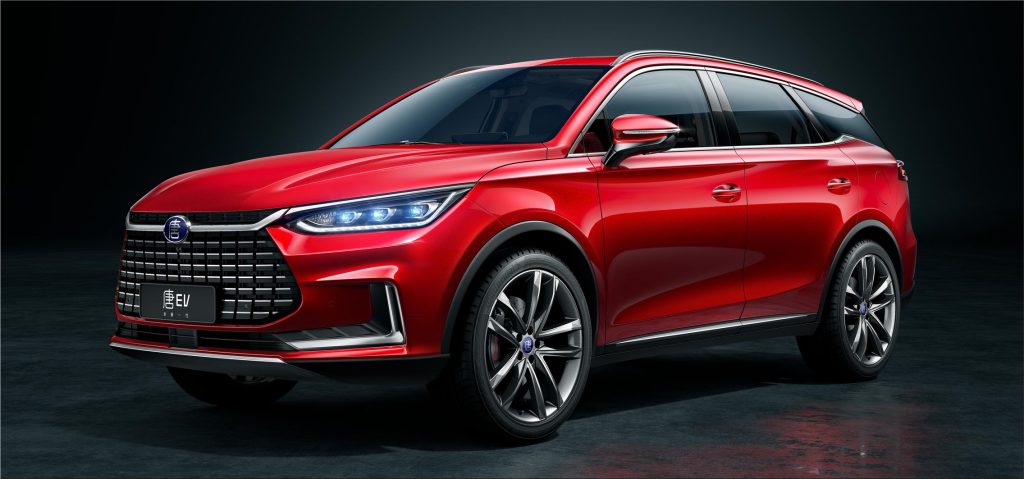
Chinese firms have been able to introduce new models in roughly half the time required by many established global automakers.
In practice, determining “below-cost” pricing can be complex. Automakers allocate research, development, and overhead expenses differently, making it difficult to define true production cost.
The new framework appears aimed less at occasional discounting and more at sustained pricing strategies designed to eliminate competitors.
The new restrictions specifically target manufacturers that relied on unsustainably low pricing to eliminate competitors and expand market share.
The price wars pushed several companies toward insolvency, with some exiting the market entirely. Meanwhile, numerous auto parts suppliers reportedly faced payment delays stretching up to 300 days.
Although the United States currently maintains 100% tariffs on Chinese electric vehicles, China’s aggressive pricing environment created global pressure for more affordable EV offerings.
That competitive benchmark indirectly encouraged American manufacturers to pursue lower price points, benefiting consumers in the process.
Models such as the BYD Seagull small electric hatchback were sold domestically in China for approximately $10,000. A modified version marketed in Europe retailed for around $25,000, even with relatively modest tariff barriers in that region.
Had the cycle of progressively lower-priced Chinese EVs continued, and if those vehicles had been accessible in the U.S. American consumers might have seen purchase price reductions ranging from $10,000 to $20,000 per vehicle.
If Chinese EV prices stabilize at higher domestic levels, American manufacturers may feel less immediate pressure to lower entry-level EV pricing. Alternatively, U.S. automakers could prioritize margin stability over aggressive price competition, particularly in segments where tariff protection limits foreign alternatives.
European markets provide a useful contrast. While tariffs exist, they are generally lower than those imposed by the United States.
As a result, Chinese EVs have gained measurable market share in several EU countries. How Europe responds to China’s pricing shift may offer early signals about longer-term global effects.
With Canada reducing tariffs on certain Chinese EVs to 6.1%, new competitive pressures could emerge regionally.
U.S. automakers may ultimately contend with companies refined by intense domestic competition yet constrained abroad by tariff protections and regulatory frameworks.
The net effect is that American buyers are likely to face higher electric vehicle prices, even after manufacturer incentives, while many international markets may continue gaining access to comparatively affordable EV options.
Also Read: 10 Ways Japanese Automakers Revolutionized Performance Cars Forever