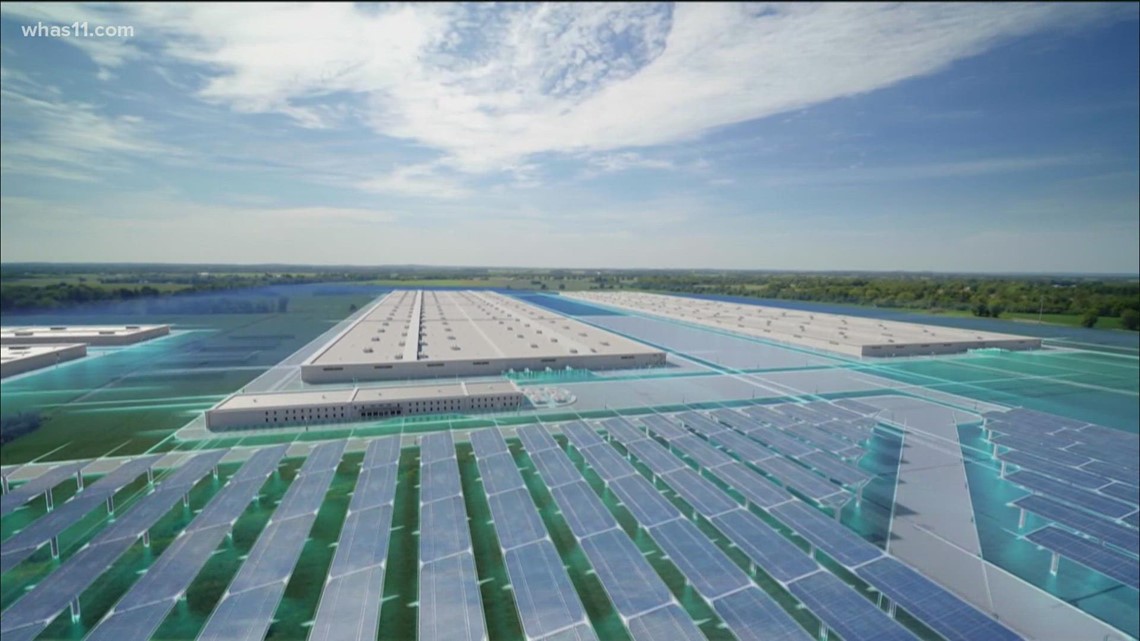
Ford’s abrupt move in December to end its multi-billion-dollar joint venture with South Korean battery maker SK On came just four months after the Kentucky facility began producing batteries.
The decision resulted in 1,600 layoffs at the joint battery plant, sending shockwaves through the local workforce. The closure blindsided employees and residents alike, with many directing their frustration toward Ford.
That reaction is understandable. However, the broader political environment, particularly EV-related policies shaped during the Trump era, also constrained the company’s strategic options and significantly influenced the outcome.
The federal government’s decision to eliminate the EV tax credit, which had been worth as much as $7,500 for new electric vehicles, affected every automaker selling EVs in the United States.
Critics had long argued that the credit artificially sustained EV demand, but it undeniably played a central role in persuading many consumers to transition to electric models.
As EV purchases slowed and federal policy changes eased CAFE fuel economy requirements, Ford conceded that “the operating reality has changed.”
In response, the company has abandoned several of its more ambitious EV initiatives. “We are listening to customers and evaluating the market as it is today, not as everyone predicted it would be five years ago,” Ford recently said.
According to reporting from The New York Times, Kentucky Governor Andy Beshear placed responsibility squarely on former President Donald Trump.
“1,600 Kentuckians lost their jobs solely because of Donald Trump pushing that big, ugly bill, eliminating the credits that had people interested and excited to buy EVs. I bet many, if not most, of those 1,600 people voted for him, and he basically fired them,” Beshear said.

The Kentucky facility had been producing EV batteries for only four months before operations ceased. Joe Morgan, speaking to the NYT, explained that he left a stable job of 24 years to join the plant, confident that electric vehicles would continue gaining momentum.
Although Morgan, a registered Republican, conceded that “taking away the tax credits did play a little bit of a role in not selling EVs,” he believes Ford bears primary responsibility.
“I just think Ford made a bad decision when they came out with an F-150 that they wanted to make all electric.”
Derek Dougherty expressed a similar perspective. Securing a role at the battery plant marked a significant milestone for him after a period of homelessness, particularly with a second child on the way.
Like many others, he contends that Ford may have misjudged consumer demand and should accept greater accountability than policymakers.
“At the end of the day, whatever the government policy would be, the company made the decision,” he said.
The facility will not be shuttered entirely. Now operating under sole Ford ownership, the site will be converted to focus on battery storage production and is projected to support approximately 2,100 jobs.
While that figure falls well short of the 5,000 positions originally anticipated when the plant was dedicated to EV battery manufacturing, it does provide a degree of stability for a location that had recently promised far more expansive employment opportunities.