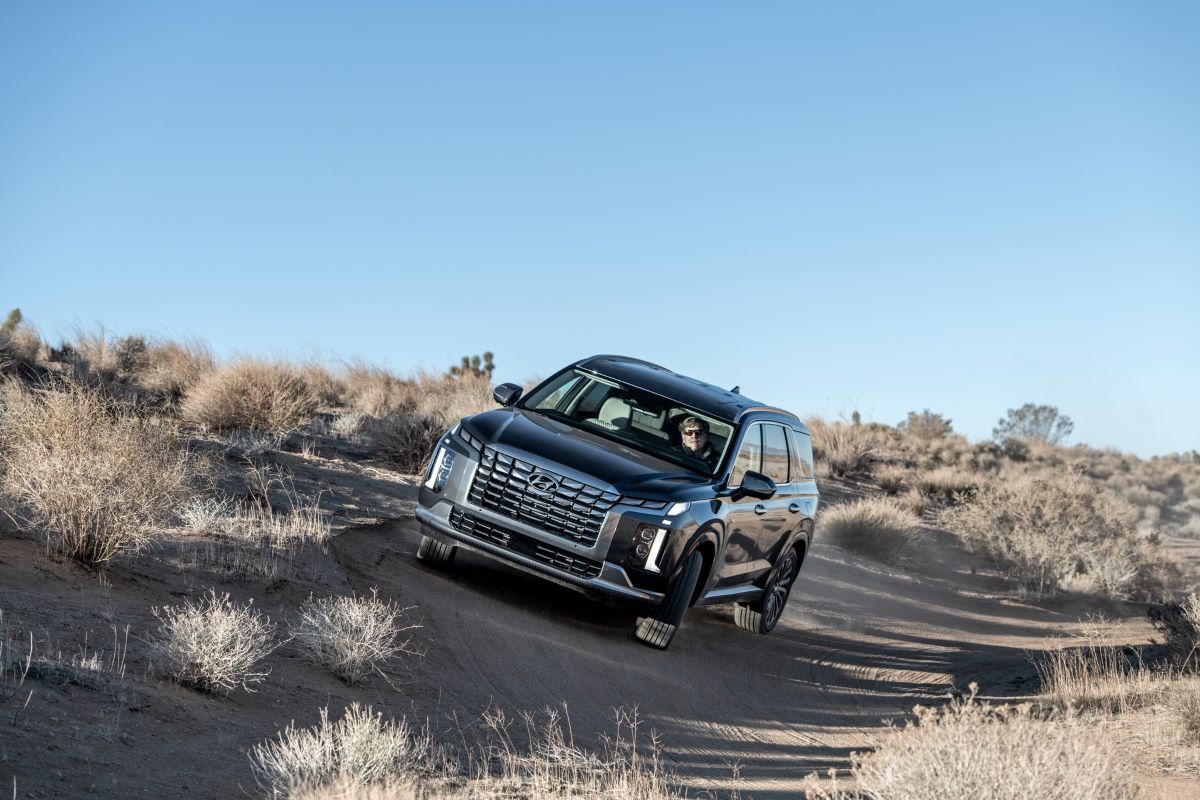
Hyundai’s widely sold three-row SUV is now confronting renewed legal scrutiny, as a recently filed lawsuit challenges how the automaker managed a significant safety recall.
With 123,929 units sold last year, the Palisade remains a central product in Hyundai’s U.S. portfolio, alongside high-volume models such as the Hyundai Tucson, Hyundai Santa Fe, and Hyundai Elantra. Given its popularity, any recall or safety concern inevitably affects a substantial number of owners.
In January, Hyundai issued a recall covering 2020 through 2025 model-year Palisades after regulators determined that the third-row side curtain airbags may not comply with federal safety requirements.
The primary issue centers on whether these airbags provide adequate protection against passenger ejection during a crash. Shortly after the recall announcement, a class-action lawsuit was filed, alleging that Hyundai’s response was insufficient.
Filed on February 5, 2026, the lawsuit claims that more than 500,000 Palisades produced between April 2019 and June 2025 contain defective third-row side curtain airbags.
According to the complaint, the airbags fail to meet federal performance standards intended to reduce the risk of occupant ejection in side-impact collisions.
The plaintiffs assert that Hyundai became aware of the issue following federal testing conducted in April 2025, during which the airbags reportedly failed to meet required benchmarks.
Subsequent internal evaluations and additional testing are said to have confirmed the problem, culminating in the January 2026 recall.
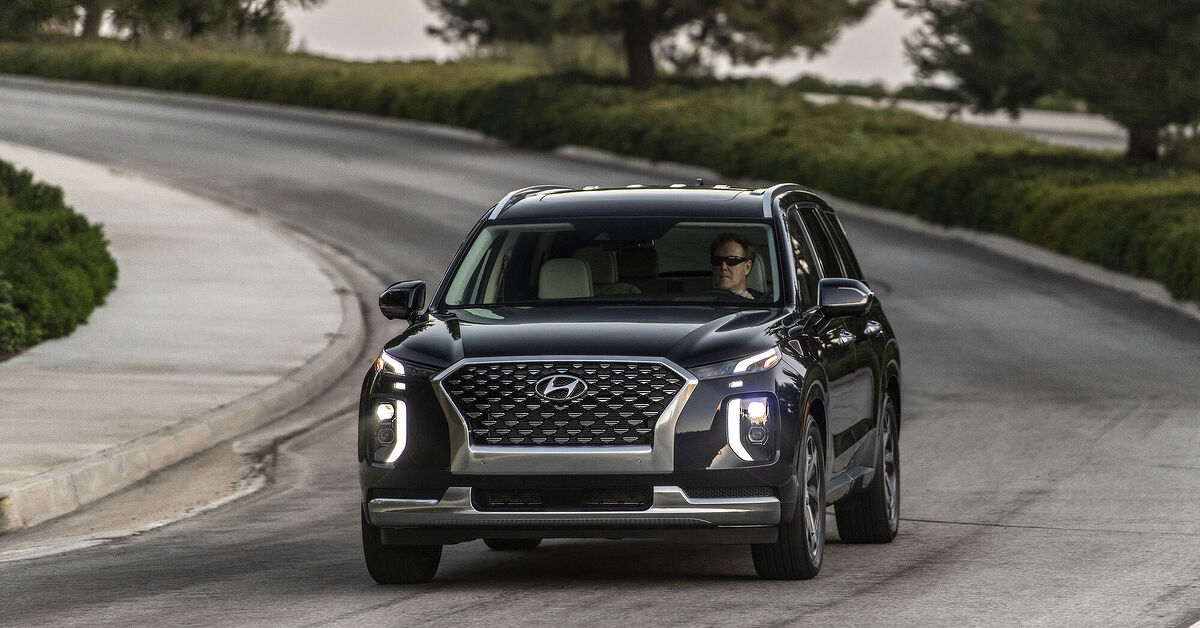
However, the legal dispute focuses less on the existence of the recall and more on Hyundai’s actions afterward.
The complaint alleges that the company has not provided an effective remedy and has not fully disclosed the extent or implications of the defect to current owners and prospective buyers.
It further contends that Palisades continued to be marketed and sold without a clearly defined long-term fix.
The plaintiffs are seeking class-action certification on behalf of Palisade purchasers and lessees nationwide.
Their argument is that consumers either overpaid for vehicles with an undisclosed defect or would have selected an alternative SUV had they been fully informed. In the interim, they claim, Hyundai continued to generate revenue while owners awaited a resolution.
It should be noted that these allegations represent the plaintiffs’ position; the matter remains subject to judicial review, and the courts will ultimately determine the merits of the claims.
This is not the first time the Palisade has been the subject of litigation. Previous lawsuits have addressed separate concerns, including reported brake issues and engine-related complaints.
While such cases do not necessarily indicate systemic safety failures, they illustrate how quickly legal and reputational pressures can intensify when a high-volume vehicle encounters repeated technical controversies.
For Hyundai, the immediate priority will be implementing a credible corrective action while managing brand perception in a competitive U.S. SUV market.
Given the Palisade’s importance to Hyundai’s domestic and global lineup, the company’s handling of this latest lawsuit may prove as consequential as the eventual legal outcome.
Also Read: Hyundai in Talks to Provide Waymo With 50,000 Ioniq 5 Robotaxis by 2028