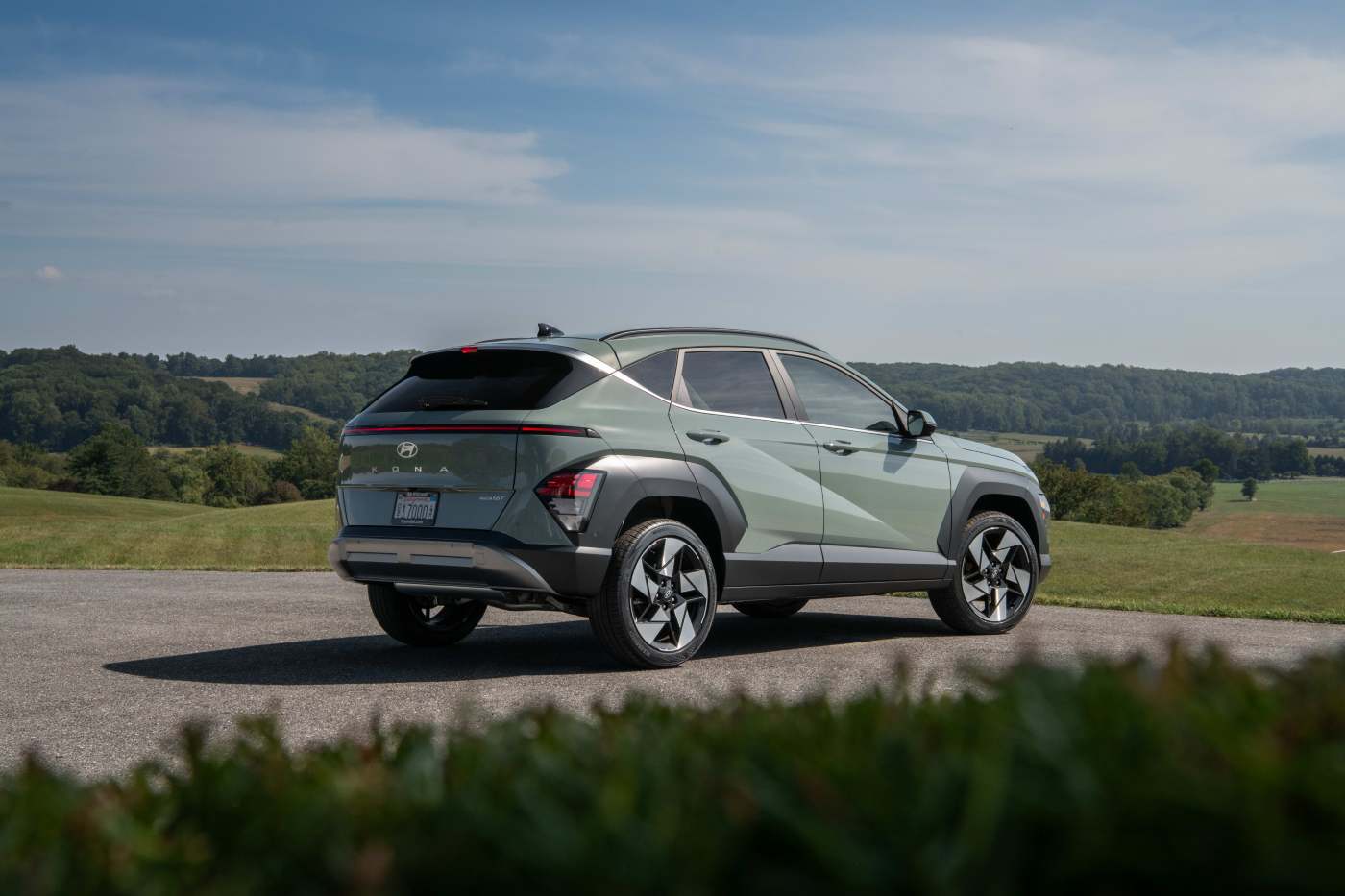
Hyundai is recalling a limited batch of 2026 Kona crossovers after identifying a potential steering-related defect in one production run.
Vehicle recalls often attract attention, but they do not necessarily indicate systemic failure. In many cases, they demonstrate a manufacturer’s willingness to act promptly when a possible safety concern is identified. That appears to be the case with Hyundai’s recall of certain 2026 Kona models.
According to documentation released by the National Highway Traffic Safety Administration (NHTSA), Hyundai traced the issue to a limited production batch assembled late in 2025. Rather than waiting for customer complaints or incident reports, the automaker initiated a recall after its internal investigation detected a potential risk.
The recall affects 4,555 gasoline-powered 2026 Hyundai Kona vehicles in the United States. While the total number is relatively small, the component involved plays a critical role in steering performance. Hyundai has confirmed that no crashes or injuries have been associated with the issue.
The concern centers on the front steering knuckle assemblies, which connect key elements of the suspension and steering systems. These components are subjected to substantial stress during cornering and over uneven surfaces.
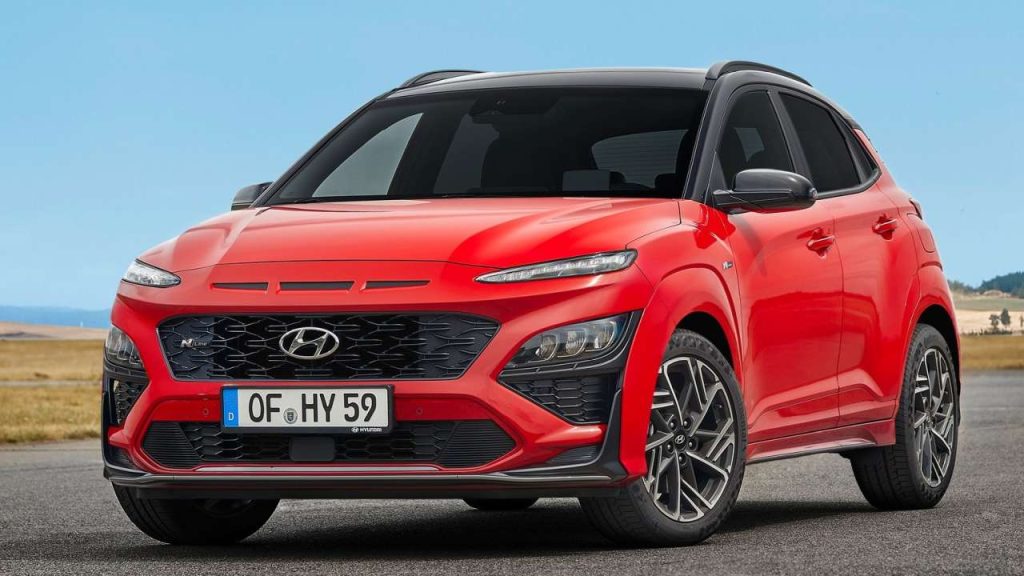
Hyundai determined that a subset of steering knuckles may have been improperly cast due to mold contamination following routine maintenance during production.
Over time, such casting defects could lead to cracks developing under load. In severe cases, this could compromise steering control and increase the likelihood of a crash. The affected vehicles were produced between October 31, 2025, and December 22, 2025.
Owners of impacted vehicles are advised to schedule service at an authorized Hyundai dealership. Technicians will inspect the steering knuckles and replace any units from the affected batch at no charge, regardless of warranty coverage. Hyundai has begun notifying dealers and customers, and owners can verify their vehicle identification number (VIN) through official recall lookup tools.
Hyundai has indicated that replacement parts are sourced from unaffected production batches, underscoring that this issue is confined to a specific manufacturing window rather than a broader design flaw.
Steering-related recalls are not unprecedented. In the previous year, Land Rover was subject to a National Highway Traffic Safety Administration investigation involving approximately 92,000 Range Rover Sport SUVs after reports of cracked aluminum steering knuckles. Regulators noted that such failures could impair handling and elevate crash risk, paralleling the concerns now being addressed by Hyundai.
Also Read: 12 Best Hyundai Cars That Changed Public Perception in America